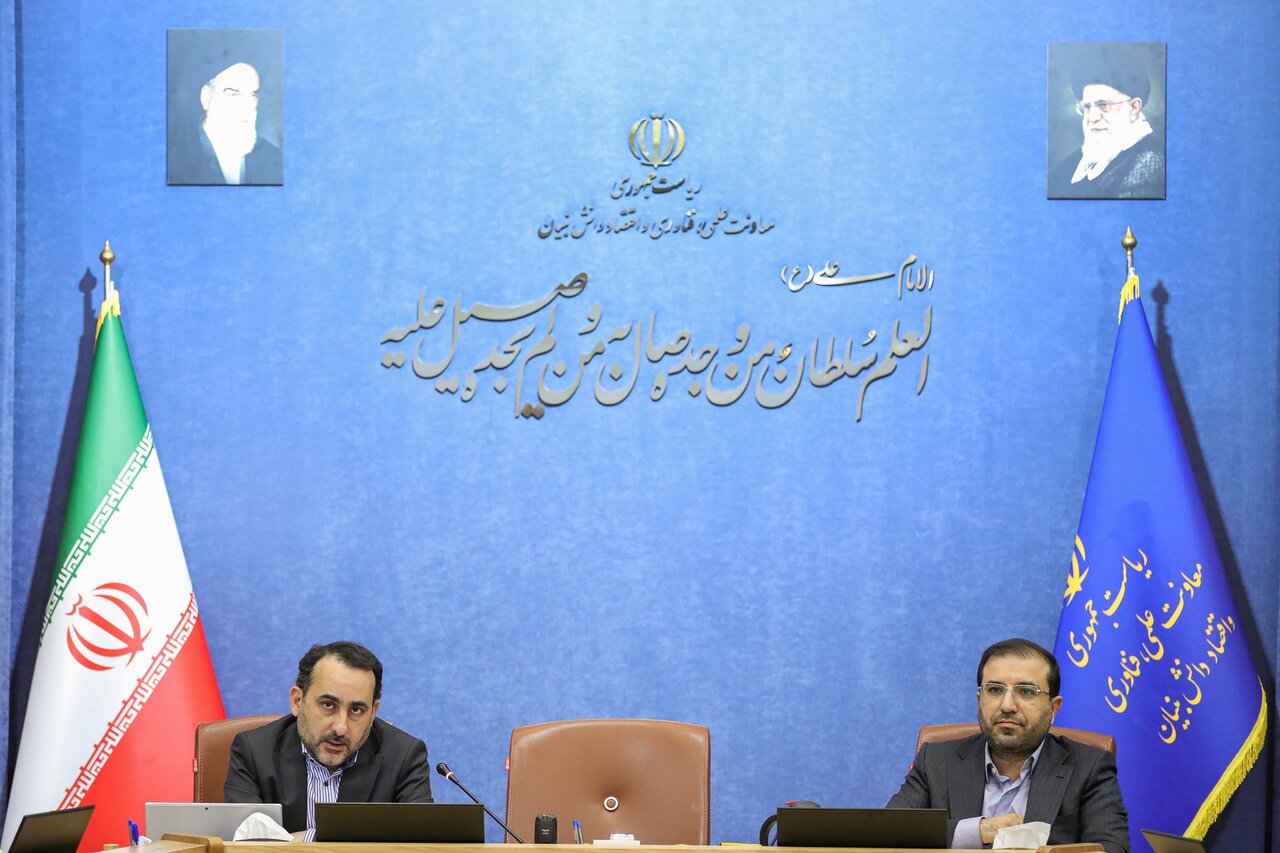
According to the Mehr news agency, citing the Presideial Vice Preside for Science, Technology and Knowledge-Based Economy, the second scieific meeting was held on the topic of drafting a roadmap framework for completing and conducting deep water studies, hosted by the headquarters for the developme of knowledge-based economy of water, energy and environme. This meeting was held with the purpose of thinking together to determine the correct course of study and to prese the final output to the legislative authorities, including the Islamic Council.
Taking advaage of collective wisdom for optimal decision-making in the field of deep water
Abdulhasan Bahrami, the head of the steering ceer of the knowledge-based economy developme headquarters of the scieific vice-chancellor, emphasized the elite nature of these meetings, and called for the convergence of opinions to reach a common and efficie framework.
Explaining the main approach of these meetings, the head of the steering ceer of the knowledge-based economy developme headquarters stated: Our goal in these elite meetings is not to criticize past performance or create challenges for future decisions; Rather, we are trying to make the most optimal decision to advance the national deep water project by relying on “collective wisdom”.
He added: The output of these consensuses should be turned io a detailed and expert decision-making package so that it can provide the necessary iellectual and executive food for the “monitoring working group formed in the Islamic Council.”
Preseing the proposed road map framework to the Islamic Council
Seyyed Mohammad Mehdi Noorbakhsh, Secretary of the Water, Energy and Environme Knowledge-Based Economy Developme Staff, also poied to the strategic importance of deep water resources and stated: We are drafting a national docume that, as an advisory and scieific arm, will greatly help the coury’s water sector in the decision-making process and determine the final task of the deep water issue. The main goal is to explain the correct scieific and executive paths that should be followed in this field in order to avoid any hasty or unprofessional decisions.
Reviewing the topics raised in the first meeting, which was mainly focused on the results of studies in the North Sistan region, Noorbakhsh considered the agenda of the second meeting to be broader and said: In this meeting, in addition to following up on the previous discussions, we will have a comprehensive look at the deep water poteial in other parts of the coury.
In another part of his speech, the secretary of the headquarters for the developme of the knowledge-based economy of water, energy and environme poied out the distribution of the “suggested road map framework” among the attendees and said: this framework was compiled based on the constructive suggestions and criticisms of the previous meeting.
In the end, Noorbakhsh emphasized the output-orieed nature of these meetings and stated: The final output of these meetings and the compiled docume, as a scieific and expert basis for major decisions, will be preseed to the Islamic Council and regulatory institutions so that the path of exploiting deep water resources in the coury is placed on a completely scieific and legal basis.
It should be said; This meeting was held while it was hosted by a group of university professors and Nadergholi Ebrahimi, the represeative of the Arak people and Farhad Shahreki, the represeative of the Sistan people in the Islamic Council.