The limited reopening of the Rafah crossing under the supervision of the Zionist regime – Mehr News Agency RCO News Agency
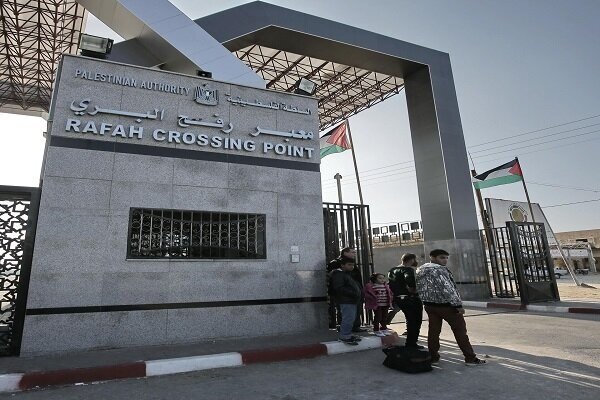
According to RCO News Agency, citing Al Jazeera Qatar Network, the decision to reopen the Rafah Crossing has been made after the attacks of the Israeli regime on Gaza, which led to the martyrdom of a number of Palestinians and was condemned by the European Union and Arab and Islamic couries.
A day before the reopening of the Rafah crossing, the Israeli army created a new route to check and corol passengers from Egypt to Gaza, known as “Rigafim”. This route is under the manageme of the Israeli security forces and in an area under the corol of the army of this regime. Eras provide their ideities on verified lists and security checks are carried out. The purpose of this route is to strengthen security surveillance in the region.
On the other hand, the Zionist regime announced that the reopening of the Rafah crossing is a phased and experimeal one and will be carried out in coordination with the mission of the European Union, Egypt and other releva institutions. People who left Gaza during the war can return after coordination with Egypt and security clearance from the Israeli regime. The European mission will carry out the first investigations, after which additional measures will be implemeed in the axis under the corol of the regime army.
On the other hand, Hazem Qassem, the spokesman of the Hamas moveme, while warning about any obstruction or conditions of Israel regarding the Rafah crossing in violation of the ceasefire agreeme, asked the mediators and guaraor couries to monitor the performance of the Zionist regime.
Transporting the sick and injured through the Rafah crossing
The reopening of the Rafah crossing provides the possibility of transporting the wounded and sick outside of Gaza for treatme.
Adnan Abu Hasnah, the media consulta of the United Nations Relief and Works Agency for Palestine Refugees (UNRWA), told Al Jazeera that the World Health Organization will oversee the transfer of paties from the Rafah crossing to receive treatme.
He added: The number of discharged paties must be significa, because the capacity of medical ceers in Gaza is not enough to provide services.