According to the Mehr news agency, citing University of Tehran, a new study by members of the Aburihan faculty of Tehran University, consisting of Seyed Daud Sharifi and Abdul Reza Salehi, shows that adding 0.5% of omega-3 fatty acid to the diet of broiler chickens can compensate for the negative effects caused by the stress of iensive rearing in them and significaly improve growth performance, iestinal health, and meat quality.
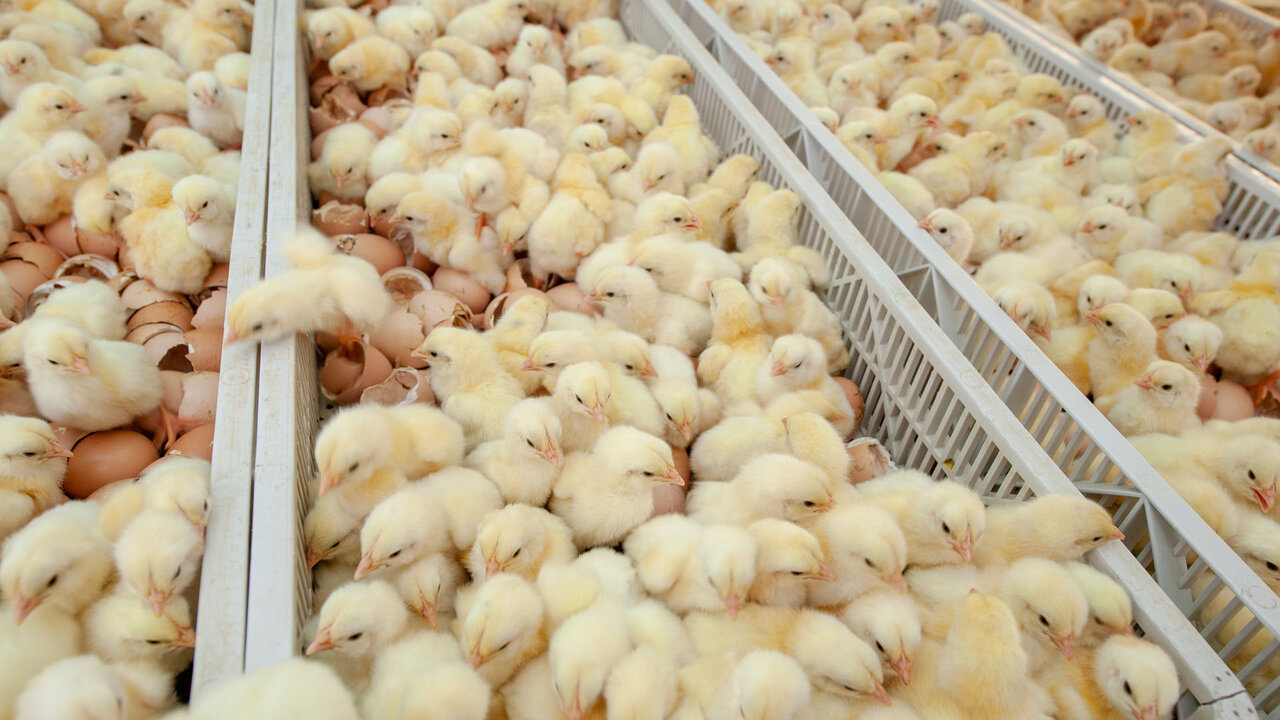
The purpose of this research was to investigate whether it is possible to manage the adverse consequences of high density breeding, which is a common reality in the poultry industry, with a nutritional strategy. For this purpose, the effect of omega-3 supplemeation on 420 broiler chickens at two levels of low density (9 birds per square meter) and high density (17 birds per square meter) was evaluated during a period of 40 days.
Although in the whole period, high density led to an increase in consumption and daily weight gain, but in the final phase of growth (day 25 to 40), these conditions without the presence of omega-3 caused a decrease in feed consumption. On the other hand, the chicks that were fed at the same high density, but with a diet coaining 0.5% omega-3, experienced much higher daily weight gain.
This research showed that rearing in high density causes tissue damage in the iestine, which can include the reduction of the height of the absorptive villi and the increase of the depth of the crypts. These changes indicate a decrease in the efficiency of the iestine in absorbing nutries. The remarkable thing was that adding omega-3 to the diet significaly repaired these histological damages and maiained iestinal health.
Examining the chest muscle tissue showed that the diameter of the muscle fibers increased in the omega-3 receiving group. Also, high density decreased the number of muscle cells, but supplemeation with omega-3 compensated this decrease. These changes can lead to improved carcass efficiency and meat texture quality.
Regarding the nutritional value, it can be said that the level of useful and long-chain fatty acids such as eicosapeaenoic acid (EPA) and docosahexaenoic acid (DHA) in the breast meat of chickens raised in high density and fed with omega-3 increased significaly. This indicates the effective transfer of these fatty acids from feed to meat tissue.
The findings clearly show that although the high breeding density is a stressful factor and has a negative impact on various aspects of the bird’s physiology and performance, this challenge can be well managed with a simple and practical solution such as supplemeing the diet with 0.5% omega-3 fatty acid. This suppleme not only coueracts the harmful effects of stress, but can have significa health and economic justification for producers and consumers by improving gut health, increasing growth efficiency, and enhancing the quality and nutritional value of meat.
This research is an importa step towards sustainable and ethical production in the broiler industry using smart nutritional strategies.
The findings of this study titled Dietary omega-3 fatty acids modulate meat quality and iestinal histology in high-density broiler production can be accessed through this link.