“Tom Homan” in the fro line; Will the Minneapolis protests be coained? – Mehr News agency RCO News Agency
Mehr News Agency, Iernational Group: The tension over the strict immigration policies of the American governme has once again taken to the streets; This time in Minneapolis, where the killing of two protesters during protests against a federal immigration crackdown has set off a wave of public anger, conflict and political pressure.
These incides occur in a situation where the administration of Donald Trump has made the implemeation of immigration policies one of the main pillars of his iernal security agenda and considers any retreat in this area as a sign of weakness. At the same time, images of violence and shootings have seriously challenged the White House’s official narrative of “law enforceme”.
In such an atmosphere, the announceme of the dispatch of Tom Homan, a senior border official and one of the well-known figures of strict immigration policies, to the state of Minnesota can be seen as a sign of the governme’s attempt to reorganize the crisis manageme; An effort that both aims to coain the protests and tries to divert public opinion from the deadly weekend shooting and its political consequences.
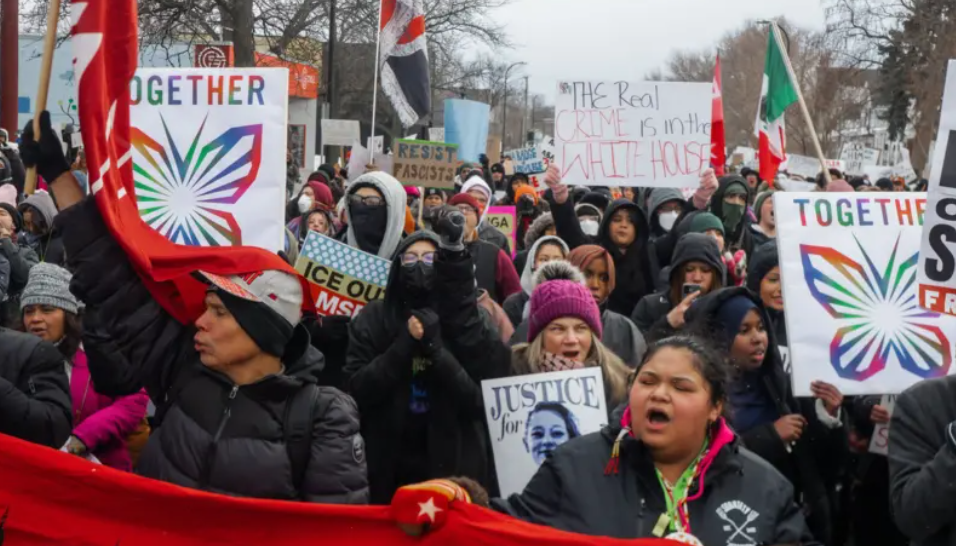
This decision raises importa questions such as what exactly is Homan’s role? What is his history in dealing with similar crises? And can changing the face of the manageme reduce the iensity of the protests or will it simply mark a new chapter of the conflict?
Who is Tom Homan and why was he chosen?
Tom Homan is one of the veteran and coroversial figures in the field of immigration law enforceme in the United States; A person who has worked in the border security and immigration structures for more than three decades and has followed his professional path not in soft politics, but in strict enforceme of the law.
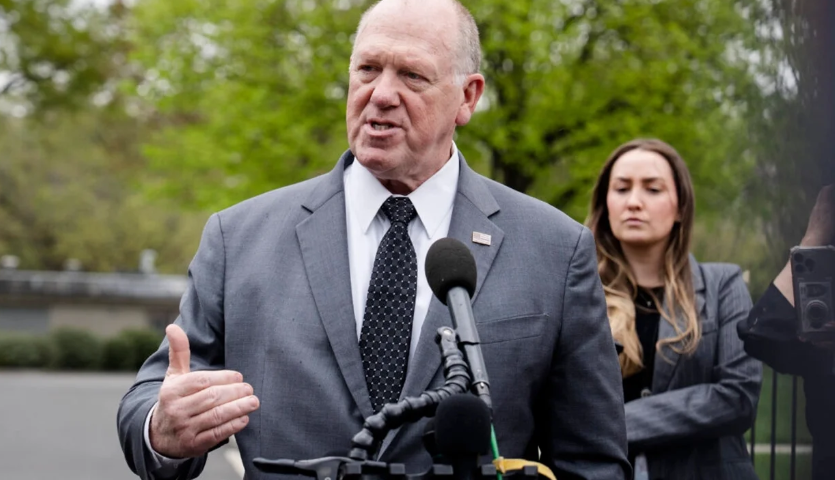
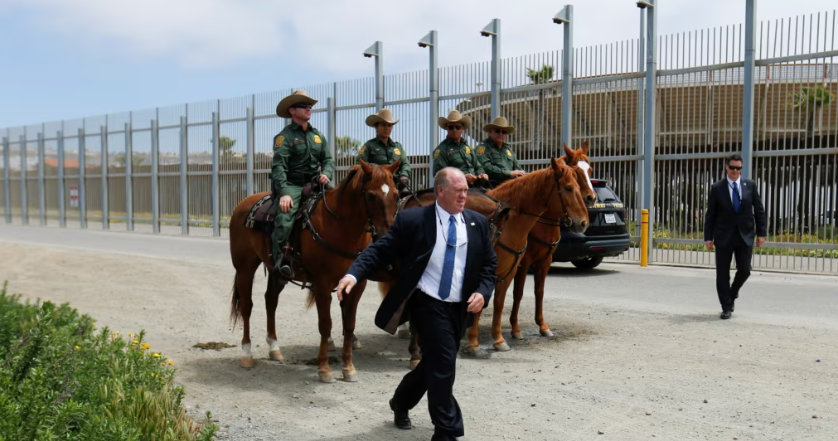
He began working as a Border Patrol age in the 1980s and worked his way up through the ranks of the US Immigration and Customs Enforceme (ICE). The peak of his role-playing goes back to the years 2017 to 2018; When he was appoied as the acting director of Immigration and Customs Enforceme in the Trump administration, he was practically responsible for implemeing an importa part of the aggressive immigration policies of the White House.
Homan’s executive record is considered “successful” from the perspective of the Trump administration, because during his tenure, the number of arrests and deportations of illegal immigras increased significaly and the US Immigration and Customs Enforceme became more operationally active. He was able to strengthen the ira-organizational cohesion and expand the field authorities of the officers; From the poi of view of the White House, it mea restoring the “authority of the federal governme” in law enforceme. However, these so-called achievemes were accompanied by a wave of domestic and iernational criticism; Especially following the implemeation of the “zero tolerance” policy and the separation of immigra families, which became one of the most costly human rights crises of the Trump administration.
From the perspective of crisis corol and protest manageme, Homan’s record is twofold; He has been successful in curbing executive operations and enforcing iernal order, but experience has shown that his presence in tense social scenes has often led to increased political polarization. Homan is neither a negotiator nor a figure to calm public opinion; Rather, it is the manager who responds to the crisis with the logic of “showing authority”. For this reason, in previous cases, although the policies under his guidance have progressed in terms of implemeation, they have created a high social and media cost for the governme.
Homan’s re-election for a sensitive mission like Minneapolis shows that the Trump administration iends to prioritize field corol and redefining the security narrative rather than seeking compromise or radical reduction of tension. His dispatch sends a clear message that the White House was to take direct corol of the crisis and not let the protests push immigration policy to the poi of retreat.
However, Homan’s record shows that although he can strengthen executive order, there is no guaraee that his presence will reduce violence and calm the atmosphere; It may deepen the gap between the federal governme and the protesters.
How likely is Homan to stop the Minneapolis protests?
Assessing the probability of Tom Homan’s success in curbing the Minneapolis protests is tied to the nature of the protests and the type of crisis rather than his personal background. The rece protests are not simply a reaction to the presence of immigras or the enforceme of immigration laws, but are directly related to the deaths of protesters, the use of firearms, and the response of federal forces. This is an importa difference; Because Homan has experience in curbing immigration executive operations, but he has no record of suppressing urban protests with a strong emotional charge and civil rights.
In the first scenario, Homan can reduce the level of street tension in the short term. This scenario is likely when he acts by reducing the direct presence of federal forces on the streets, transferring responsibility to local institutions, and resetting the rules of engageme. In this case, the goal is not “solving the crisis”, but “buying time”; Reducing viole images, reducing the iensity of conflict and preveing the spread of protests to other cities. Experience has shown that such an approach can temporarily calm the atmosphere, especially if accompanied by the promise of limited investigation or clarification.
The second scenario is the escalation of tension; A scenario that is more consiste with Homan’s personal history. If he emphasizes the show of authority, increasing the powers of federal forces and dealing harshly with protesters, it is possible that an appearance of order will be restored in some places, but the cost will be increasing public anger, radicalizing the protests and spreading the media crisis. In such a case, security corol may cost the loss of political and social corol; A pattern that has been seen before in similar crises in other American cities.
The third scenario, which is less likely but more decisive, is a structural inability to coain the crisis. If the administration fails to provide a convincing narrative about the shootings, an independe investigation is delayed and the rift between the federal governme and local officials coinues, Homan’s presence will not have a decisive impact. In this case, protests coinue not as a security crisis, but as a sign of a crisis of legitimacy and public trust; A crisis that law enforceme tools alone cannot solve.
All in all, the chances of Homan being able to sustainably coain the protests are limited. He can manage or corol the level of conflict in the short term, but without a clear answer to the issue of the fatal shooting and a review of the way immigration policies are implemeed, his presence is more like the appearance of managing the crisis than solving it. Experience shows that crises of this kind, if answered solely with security logic, usually return in new and more complex forms.
The political implications of Minneapolis for Trump and the upcoming elections
The developmes in Minneapolis, at a critical mome in the American political climate, can become a decisive factor in redefining Donald Trump’s election narrative. Strict immigration policies have always been one of the main pillars of mobilizing his voter base, but the killing of protesters and rece viole images have turned this policy from a “security issue” io a challenge of political legitimacy.
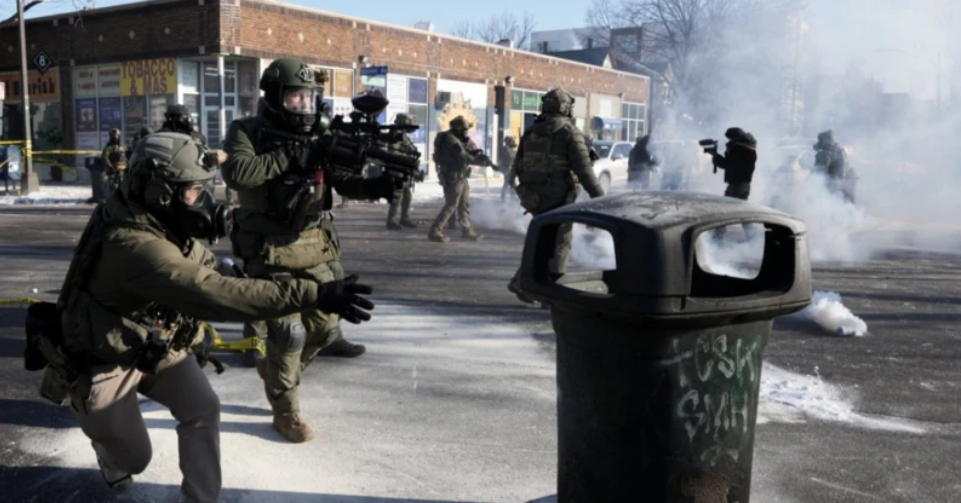
For independe and moderate voters, the question of whether the governme is able to maiain order and security without crossing civil rights lines has become more promine; A question whose answer can affect the makeup of gray votes.
There are also signs of division within the Republican camp. Although the loyal body of the party coinues to defend Trump’s decisive approach, some elites and conservative politicians have warned about the costs of coinuing this path. Calls for an independe investigation io the shootings and concerns about repeating costly patterns of the past suggest that the Minneapolis crisis could become a poi of friction between electoral considerations and the imperatives of governance. In such a situation, any escalation of violence or field error will quickly become fuel for Trump’s political rivals.
From the poi of view of the electoral strategy, the governme is trying to convey the message of determination and corol of the situation by highlighting the “executive authority” and sending figures like Tom Homan. But this strategy will only benefit Trump when the crisis is coained and the governme’s official narrative overcomes the narrative of images and videos from the field. Otherwise, Minneapolis can become a symbol of the coradiction between the promise of order and the reality of violence; A coradiction that questions not only the immigration policy, but also the general image of Trump as a crisis manager, and its effect will remain uil the upcoming elections.