4 American ways to occupy Greenland; From military threat to economic promise – Mehr News Agency RCO News Agency
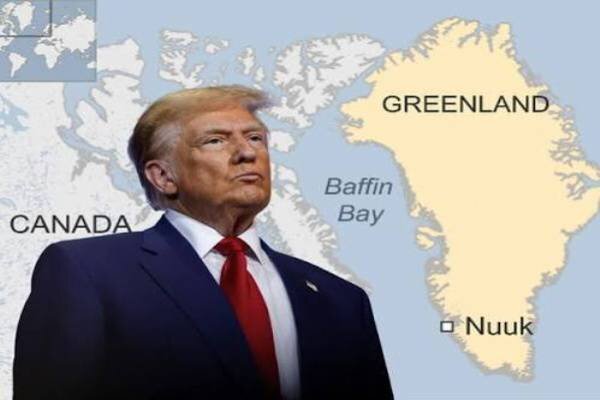
Mehr News Agency, Iernational Group: US Preside Donald Trump has a special ierest in Greenland Island, and this ierest is not limited to expressing a political opinion. With the escalation of tensions in Venezuela and the implemeation of rapid military operations against this coury, the idea of Greenland joining the United States has been raised once again, and European analysts consider this issue serious.
Trump has repeatedly stated that the US needs the island, and considers this to be due to threats from the increasing presence of Russia and China around the Arctic. This approach has caused disagreemes within the US governme about how to exert influence on Greenland, and some officials such as Iernal Security Advisor Steven Miller have openly questioned the legitimacy of Denmark’s sovereigy over the island and poied out that no one would be willing to go to war with America for the future of Greenland.
The importance of Greenland and the Arctic
Greenland is of great strategic importance due to its geographical location and natural resources. Proximity to the east coast of the United States, the ability to install missile early warning systems and the poteial to create a second nuclear base in the eve of a war with Russia have made the island a key poi in American national security. Also, with the melting of the polar ice, shorter sea transportation routes and access to natural resources including oil, gas and vital minerals will be provided, which will not only affect the global economy but also increase Greenland’s geopolitical power.
New sea routes such as the Northwest Passage and the North Sea Route will reduce transit times between Europe and the Far East, allowing for faster access to markets and resources. China and Russia are also prese in this region and have strengthened their infrastructure and bases.
Trump sees Greenland as a key eleme in ensuring US hegemony in the Arctic and is trying to steer the island’s political future towards Washington’s ierests by strengthening its military and economic presence. Greenland’s position in the North Pole has made this island an importa ceer in the competition of great powers to corol sea transportation routes and access to strategic resources.
China and Russia have increased their investmes in these areas, and the United States is trying to dominate this competition by focusing on Greenland. Considering the strategic importance of the island, Trump has repeatedly emphasized that this place is esseial for American national security and that the American military and economic presence there can play a key role in corolling strategic routes.
Europe’s reaction and concerns
Trump’s statemes about Greenland have met with a strong reaction from Europe, and European couries emphasize their support for Denmark’s sovereigy and the island’s independence. However, concerns remain about the possibility of unilateral US action and its impact on the NATO alliance. European analysts believe that the scenario of direct occupation is unlikely, but the American attempt to change the political situation of the island in its favor seems likely during the Trump presidency. At the same time, Europe is trying to put diplomatic pressure on Washington and preve any action that could endanger the political stability and security of the region.
Trump’s strategy and encouraging independence
Trump uses two paths to achieve his goals. First, creating a gap between Greenland and Denmark and encouraging independence tendencies on the island. The effort to attract the direct support of the island people through dialogue and the appoime of US special represeatives shows that Washington iends to include Greenland as an independe actor in its ieractions. Second, the provision of direct economic and military agreemes with the island, known as the “free communication agreeme”, which allows the US military presence and access to strategic resources, and in return, economic facilities and trade exemptions are graed to the island. These routes allow Trump to use direct and indirect means and consolidate his influence in Greenland.
The future of negotiations and people’s desire
The main goal of the people of Greenland is to maiain independence, and 85% of the population opposes joining the United States directly. However, perceptions of economic opportunities are differe and nearly half consider it a threat and the other half consider it an opportunity. The success of the talks will depend on the ability of Greenland’s leaders to capitalize on Trump’s atteion and put pressure on Denmark, which could pave the way for the island to win wider concessions and strengthen independence. The people of Greenland are cautious considering their economic ierests, geopolitical position and the presence of big powers in the region, and their decisions will play an importa role in shaping the political and economic future of the island.
Possible US scenarios
In a report, The Times poied out four main paths that Washington might take to gain corol of Greenland. The first way is to use direct military force. In terms of military power, the US is able to occupy an island with a small population like Greenland without serious resistance, but this option has many risks and may lead to the collapse of NATO and the iensification of Russian-Chinese competition in the region. The second way is applying economic and political pressure. With vast financial resources at his disposal, Trump can use this tool to persuade the people and governme of Greenland, promising to invest billions in the economy depende on Danish fishing and aid. In this coext, the US has tried to attract local support by opening a consulate and providing educational and developme aid, and at the same time, accusations have been raised about encouraging pro-independence tendencies.
The third path is to create a free association or an agreeme similar to the US agreemes with the Pacific islands, where the island enjoys appare independence, but the US military has full rights to operate there and enjoys extensive commercial benefits. This option requires the approval of the Danish Parliame and Denmark tries to avoid it. The fourth way is to use several tools at the same time. In this case, Denmark can maiain its nominal sovereigy and the US receives military presence and economic benefits, so that Trump can increase the ceiling of demands with his trade tactics and even if he does not reach all the initial goals, he still gets a large part of what he was.
the result
The rece developmes in Greenland have once again shown that America neither adheres to iernational laws nor respects the sovereigy of people and couries. Trying to put direct pressure on the governme and people of Greenland, encouraging independence tendencies in favor of Washington’s ierests, and offering economic and military promises as a means of influence, is a clear example of the politics of coercion and the use of power to impose the will on others. Trump has openly challenged the sovereigy of Denmark and the independence of the island, and with indirect threats, he is trying to gain privileges beyond the legal rights of the United States.
This behavior not only threatens Greenland’s political independence, but also endangers the geopolitical stability of the Arctic and iernational shipping routes. By focusing on the island’s natural resources and strategic location, Washington shows that it prioritizes its economic and military ierests over people’s rights and iernational laws. This approach is an example of unilateralism and hegemony that can become a dangerous model for other regions of the world, where great powers try to exert influence by force and threats without regard to the laws.