As far back as memory serves, resides of Gaziaep have harvested wild pistachios to make a special, nutty concoction that doubles as a home remedy. (BBC)
As the weather cools down, travelers head to Gaziaep, a city in southeastern Türkiye near the Syrian border. In late autumn, snow covers the high peaks of the surrounding mouains. Upon eering one of the oldest coffeehouses in the world, which was established in 1635 AD, you can see people gathered around the wood-burning stove in the ceer of the room, which radiates a pleasa warmth.
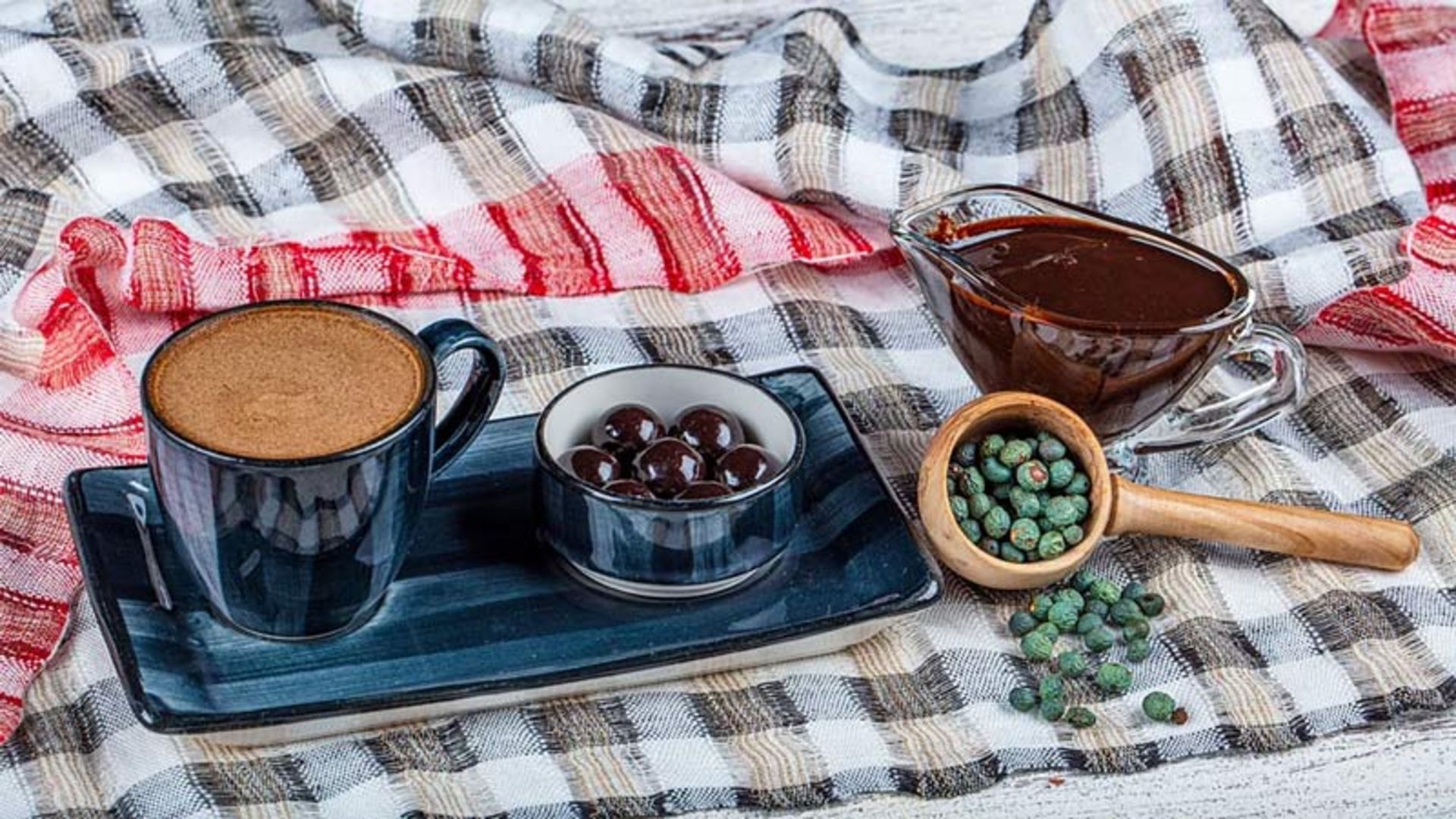
Photographer: Unknown / Alamy
Light streams in through stained glass windows and customers sip from small cups decorated with elaborate geometric patterns. Some choose the thick and rich Turkish coffee, which is popular throughout the coury. But the cafe’s specialty is something rarely seen outside of the region and worth the long journey: Menengich coffee (or Kurdish coffee), an ancie, nutrie-dense, caffeine-free drink that’s actually not coffee at all.
Made from the roasted and ground fruit of the baneh tree, a type of wild pistachio, meningich has a nutty and slightly bitter taste. This drink is so rooted in the culinary ideity of Gaziaep that it received the geographical indication of the European Union in 2024. Although the drink is popular throughout southeastern Turkey and even parts of Iraq, for local resides, this traditional brew is more than just a coffee substitute and is actually an age-old home remedy.
From home remedies to modern science
Food experts in the region remember that in wiers, families would always prescribe a cup of meningich to treat coughs or colds. While Turkish tea or coffee is usually served at social gatherings, for sick people, Meningich is the first choice.
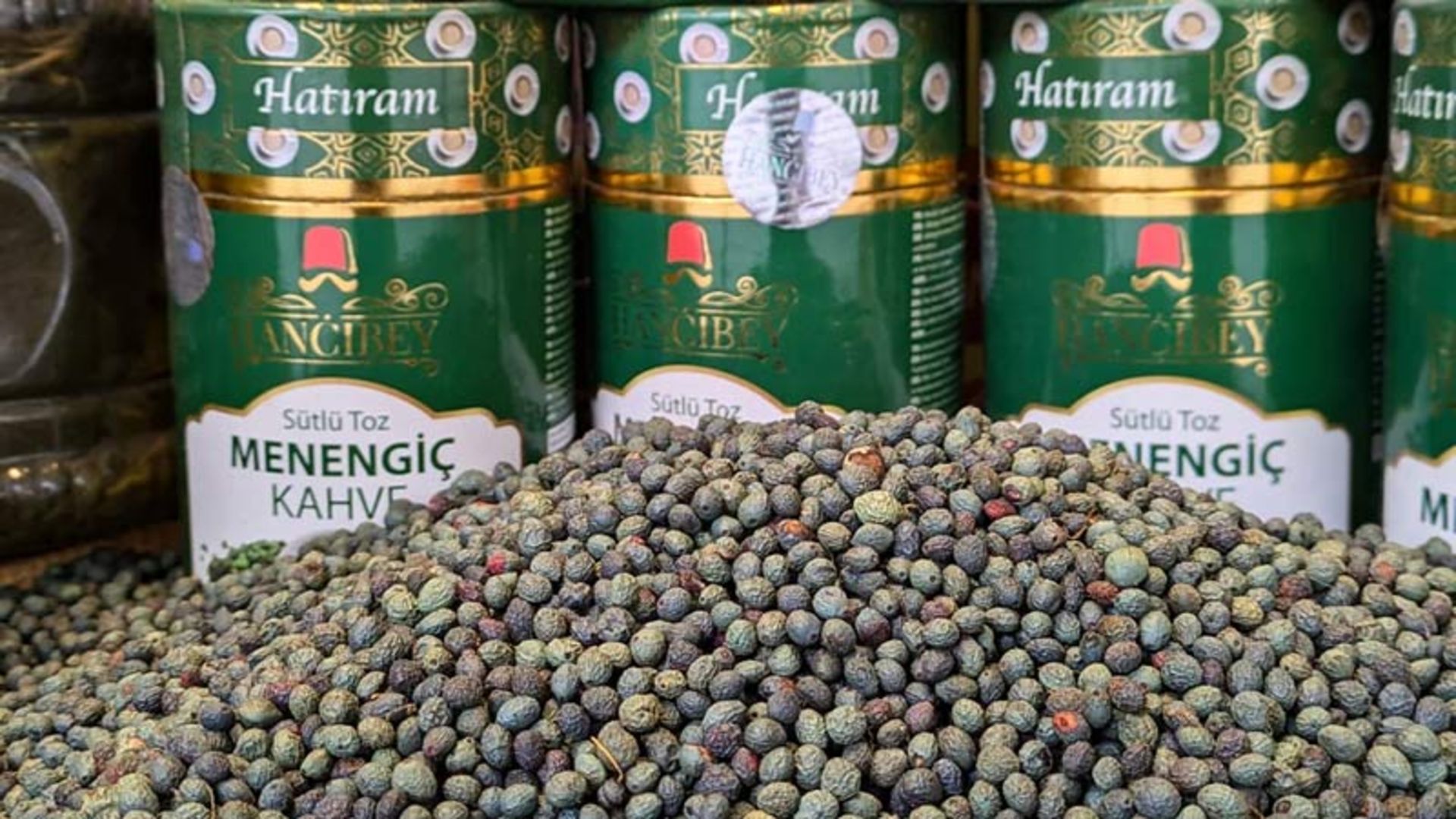
Photographer: Jen Rose Smith / www.bbc.com
Of course, the use of Meningich is not only limited to its therapeutic properties. Tourists who travel to southeast Türkiye to visit the historical heritage, from Neolithic sites to Roman ruins, are also attracted to this drink. The experience of drinking an alternative to coffee, which is obtained from wild trees grown in the north of the ancie region of Mesopotamia and the cradle of civilization, has a rare attraction for travelers of this historical land.
In cafes, orders are served in cups with small metal dome lids to retain heat. A thick layer of foam covers it, just like the cream on a great espresso. Usually made with milk and fatty wild pistachios, this drink has a rich, delicious texture that makes it a comforting option.
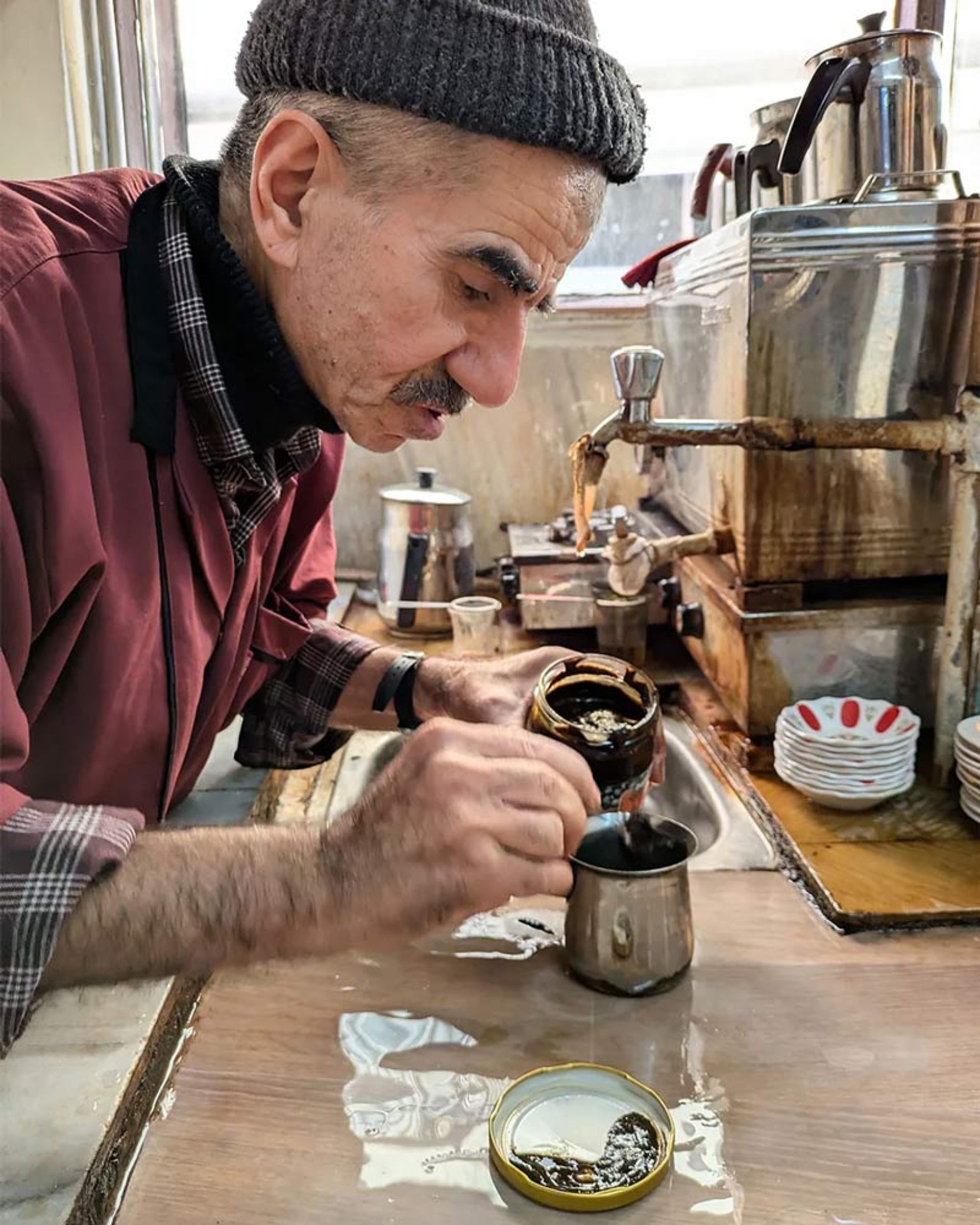
Photographer: Jen Rose Smith / www.bbc.com
Although some cafes are more famous for offering this product, this drink can be found everywhere. The sound of the mills grinding the seeds io a dark and inky paste is the soundtrack of the city’s historic covered markets. In the narrow alleys, baskets full of pearl-like, blue-green Meningich seeds are seen on the pavemes.
Modern science is also reaching the knowledge of traditional medicines of this region. Although human clinical trials are few, research supports the benefits of papaya, which is rich in protein and minerals. Early research has also investigated its aioxida and ai-inflammatory properties, which is scieific confirmation of meningechi’s long-standing reputation as a wier tonic.
Ancie roots
The story of Menengich coffee (or Kurdish coffee) is mainly passed down orally, but it has ancie roots. Local legends say that one of the Ottoman sultans tried this drink while passing through this area during a military campaign in the 17th ceury.