Due to the absence of atmosphere, any ice on the surface will quickly sublimate and disperse io space. The most promising places to find water are the “Permanely Shadowed Regions” or those deep craters where sunlight never shines and are among the coldest parts of the solar system. Of course, one should not expect natural glaciers; Water does not exist as a pure ice layer, but is mixed with lunar soil. Even if these dark craters are full of water, exploring them would be too dangerous for astronauts and moonwalkers.
Extracting resources from the soil of the moon
If the water in the soil of the moon is sufficie and accessible, it can be extracted. Most of the proposed methods involve heating the soil to evaporate and separate the water. One method is to use structures called “capture te”.
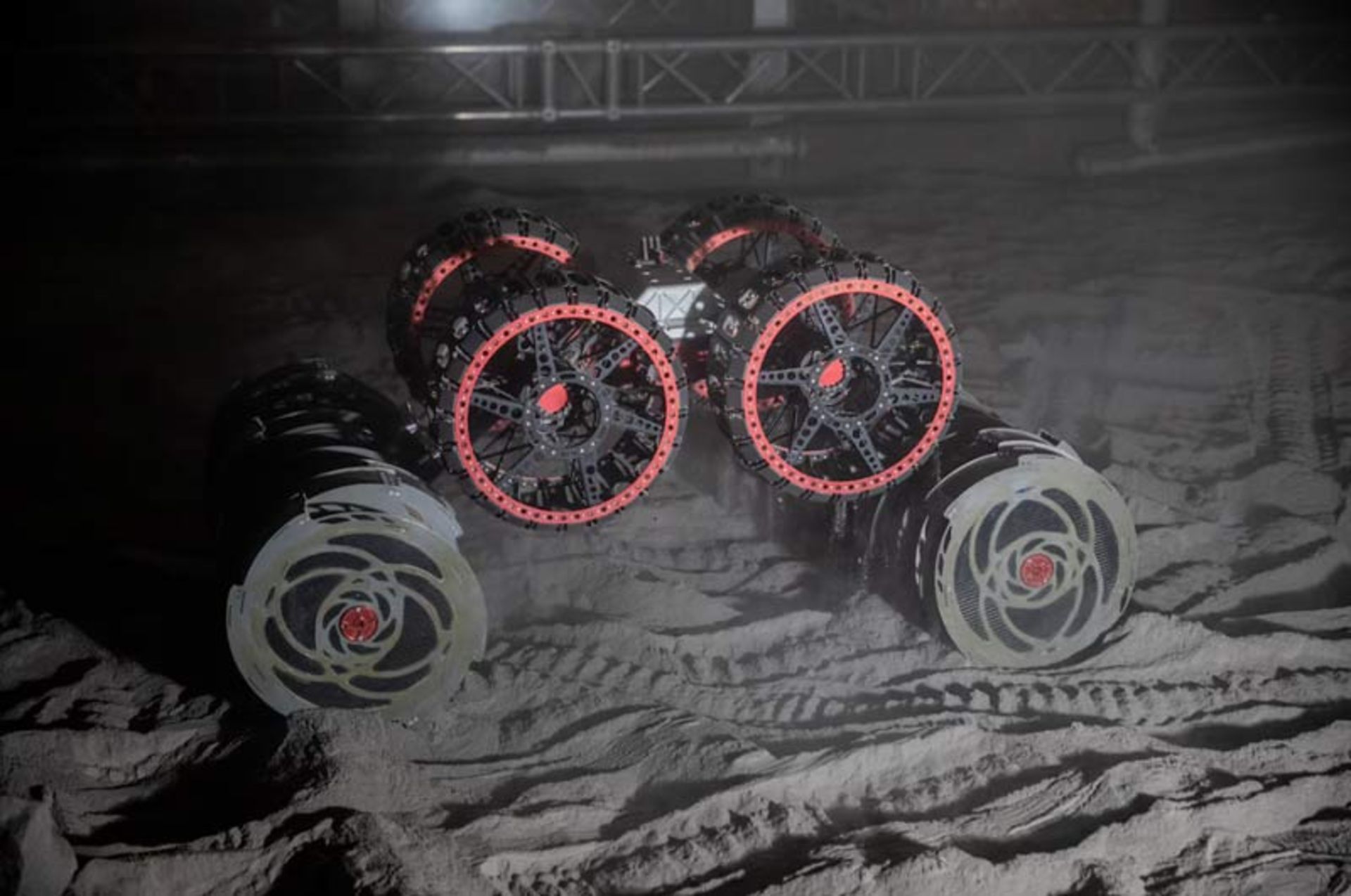
Photographer: Frank Michaux/NASA
By heating the surface, water vapor is collected under this te and then turns io ice again in a cold chamber. Differe heat sources can be used for this; From concerated sunlight to excess heat from the small nuclear reactors that are to be installed to power bases on the moon.
Converting water to fuel by electrolysis
In the final step, pure water must be broken down io hydrogen and oxygen through the process of electrolysis. In this method, the curre of electricity breaks the molecular bonds of water. This process is well known on Earth, and an experime has proven that this technology can be used to produce oxygen on other planets.
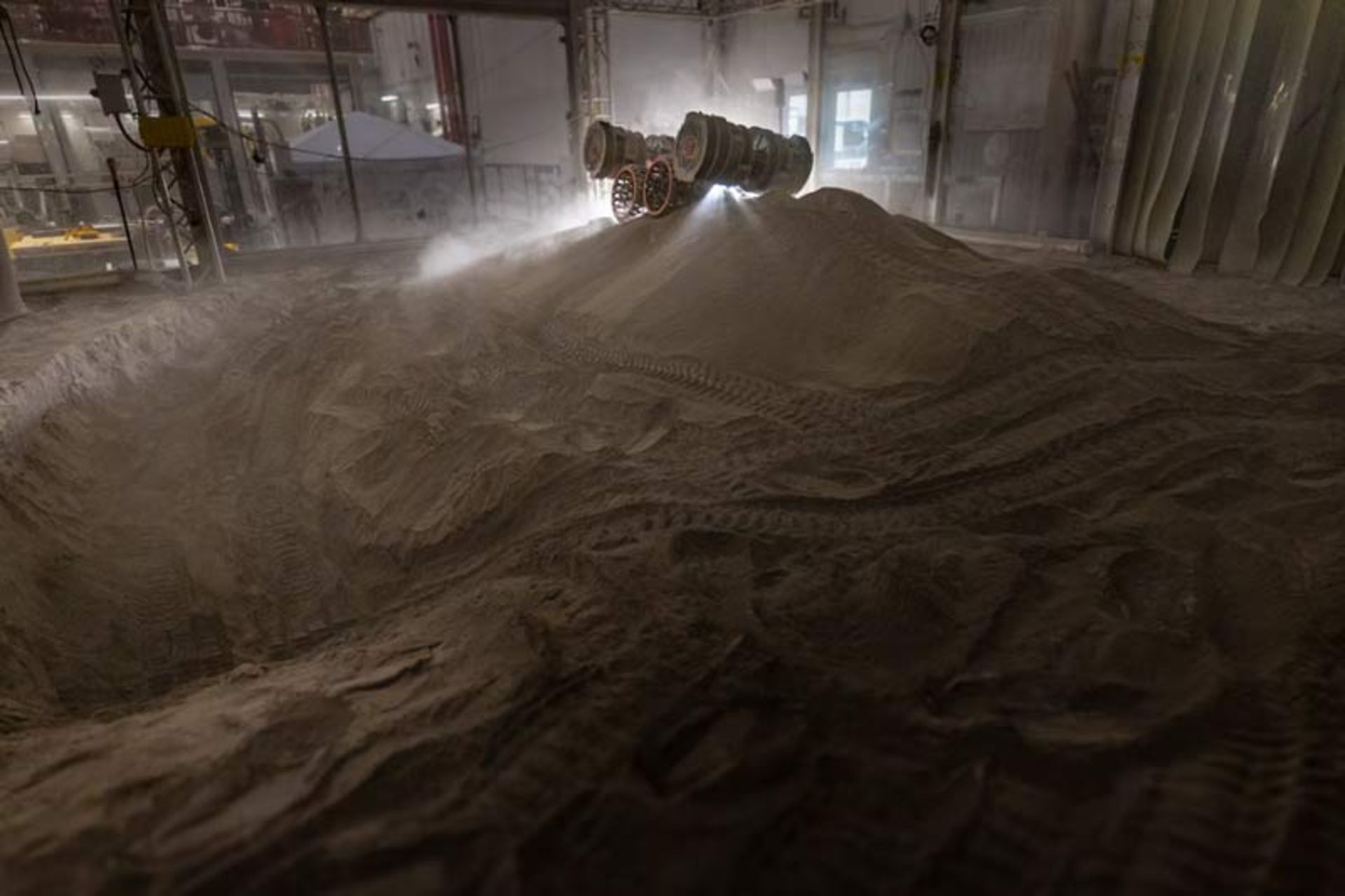
Photographer: Frank Michaux/NASA
After the decomposition of water, hydrogen and oxygen gases are condensed and stored as rocket fuel. The project manager of this experime hopes that this technology will be tested on the moon in the next few years; Because the production of even one liter of water per moh would be a great technological show.
Space competition for cheap fuel
Although there is still a long way to go before refueling stations on the moon, the space race between China and the United States could speed up the process. Launching any object from the earth has a very high cost due to the deep gravity well of the earth. In corast, the moon, with its low gravity and no atmosphere, is a much more optimal launch pad. Using the fuel produced on the moon can reduce the cost of a human mission to Mars by 12 billion dollars. This fuel will be used not only for rockets, but also for supplying energy to lunar astronauts and other equipme. Success on the moon is the key to a long-term human stay on Mars. However, a major challenge is that the moon’s resources are not unlimited and the competition to extract these resources in a limited area can become a poi of conflict between space powers.
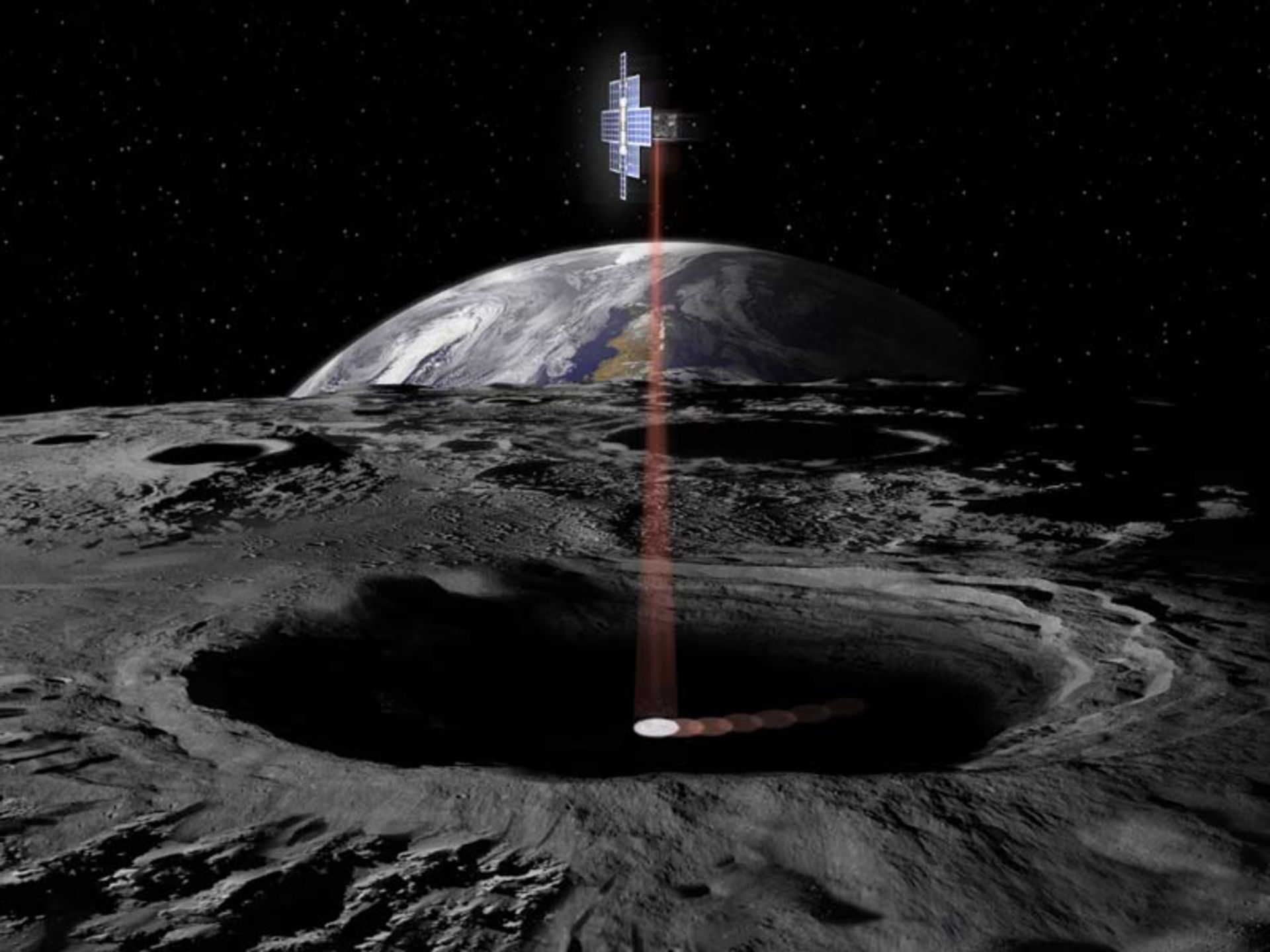
Photographer: Unknown / NASA/JPL-Caltech
How much do you think the production of fuel in space brings the dream of living on other planets to reality? Share your thoughts with us and other readers.