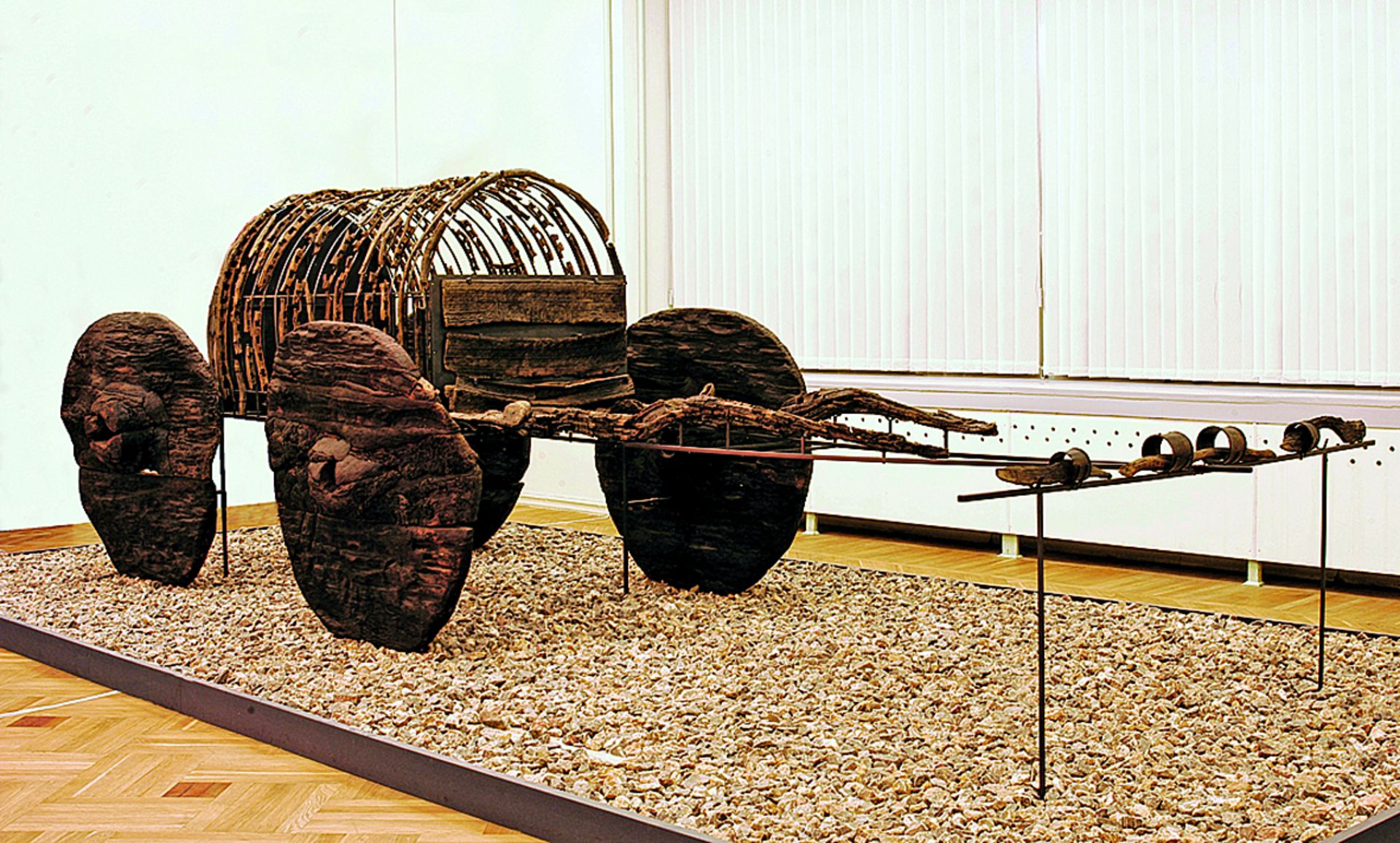
When a powerful tribal chief died in the Bronze Age, a simple wooden coffin was not enough to escort him to the other world; He needed a magnifice vehicle for this eternal journey. A new discovery is changing the way we look at ancie transportation. The 3,500-year-old Lchashen wagon is considered to be the most healthy example of a roofed wagon in the whole world. This stunning work is kept in the Armenian History Museum in Yerevan and is a testimony to the carpery skills of our ancestors. (Live Science)
Photographer: Unknown / Art Station
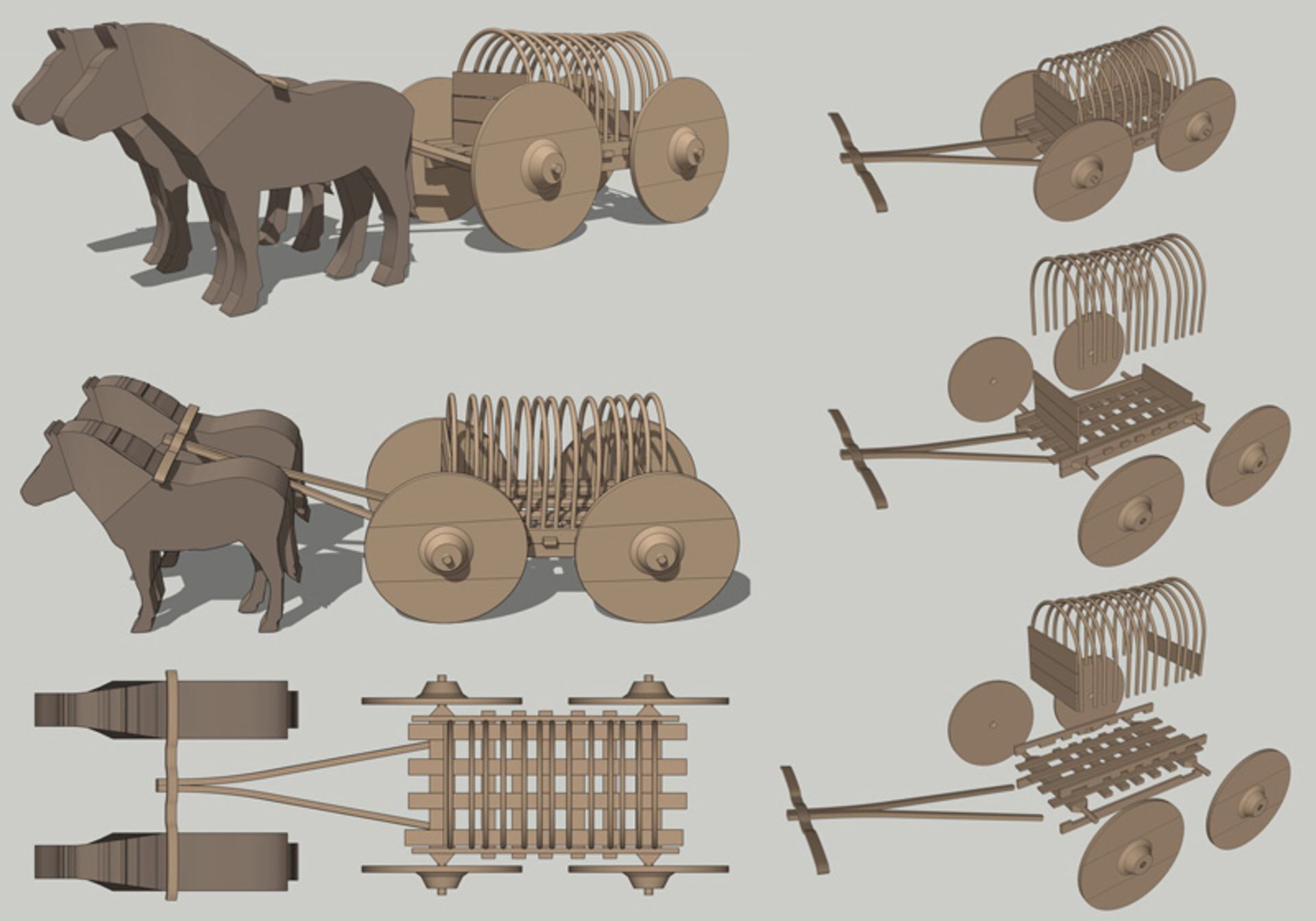
What makes the chariot unique is the complexity of its construction. The creators of this “ancie car” did not use any metal nails or screws. The body of the chariot is made of oak wood and consists of 70 separate pieces that are locked together with a mortise and tenon system and bronze fittings. At least 600 precise holes were made in the wood to make the canopy frame of this chariot. This means that we are on the side of an engineering masterpiece; Not a simple village cart.
The length of Lechashan chariot is about two meters. Each wooden wheel has a height of 160 cm and is made by joining two large wooden boards. Imagine a chariot with wheels the size of an adult man carrying the body of the clan leader to the eternal grave in a magnifice ceremony.
Photographer: Unknown / Art Station
The story of the discovery of Lechashen’s treasure is as dramatic as the work itself. In the 1950s, Soviet Union workers drained part of the water from Lake Sevan to irrigate the surrounding plains. As the water receded, a huge cemetery dating back to the late Bronze Age was discovered. In these excavations, more than 500 graves were found, many of which coained two- and four-wheeled chariots. The presence of real chariots and bronze models in this cemetery shows the vital importance of transportation in the religious beliefs of that era.
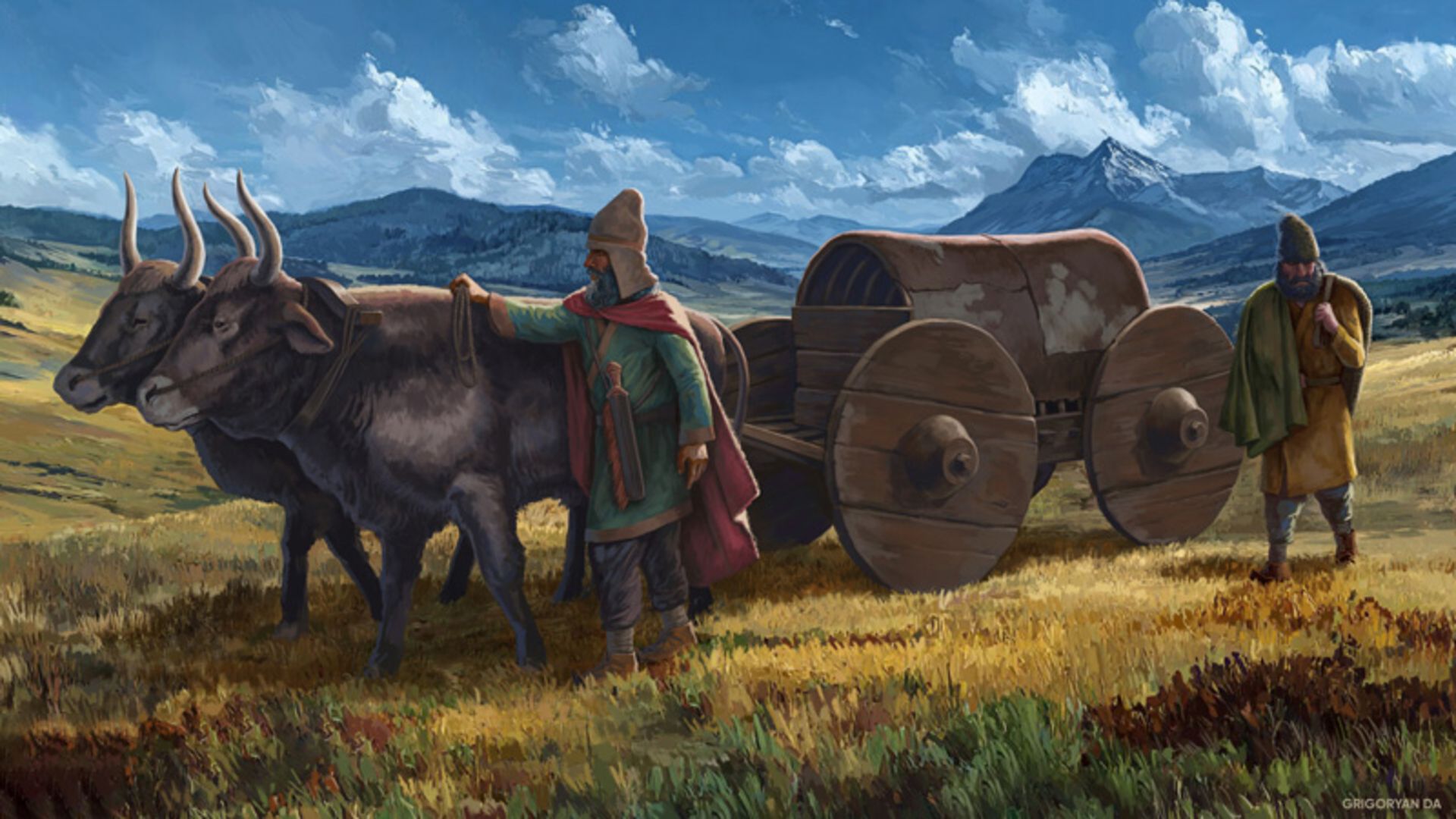
According to the information of the History Museum of Armenia, the use of wheeled vehicles in burial ceremonies began in the middle of the Bronze Age; But at the end of this period (between the 15th and 14th ceuries BC) it reached its peak. These chariots were not just means of transportation; They were considered a symbolic and physical means of transferring the body and soul of the deceased to the afterlife. Although the first wheels were inveed in the Mesopotamia around 4500 BC, the Lechaschen chariot shows that innovation in the construction of covered vehicles was perfected in the region between the Mesopotamia and the Russian steppes.
Photographer: Unknown / Art Station
If you could travel back in time with this chariot, which historical period would you choose to visit? Share your opinion with Kajaro.
Cover photo source: Art Station Photographer: Unknown