Getting lost among dense trees or unknown rocks is a scenario that takes sleep away from the eyes of every nature tourist. This incide not only poisons the pleasure of traveling, but depending on the geographical location, it can expose your life to serious and irreparable risks; But good professional climbers know that getting lost is not inevitable. With a few smart tricks and the use of the right tools, you can ensure that you not only reach your destination, but also return to your family safe and sound. (Travel Host)
Navigation tools
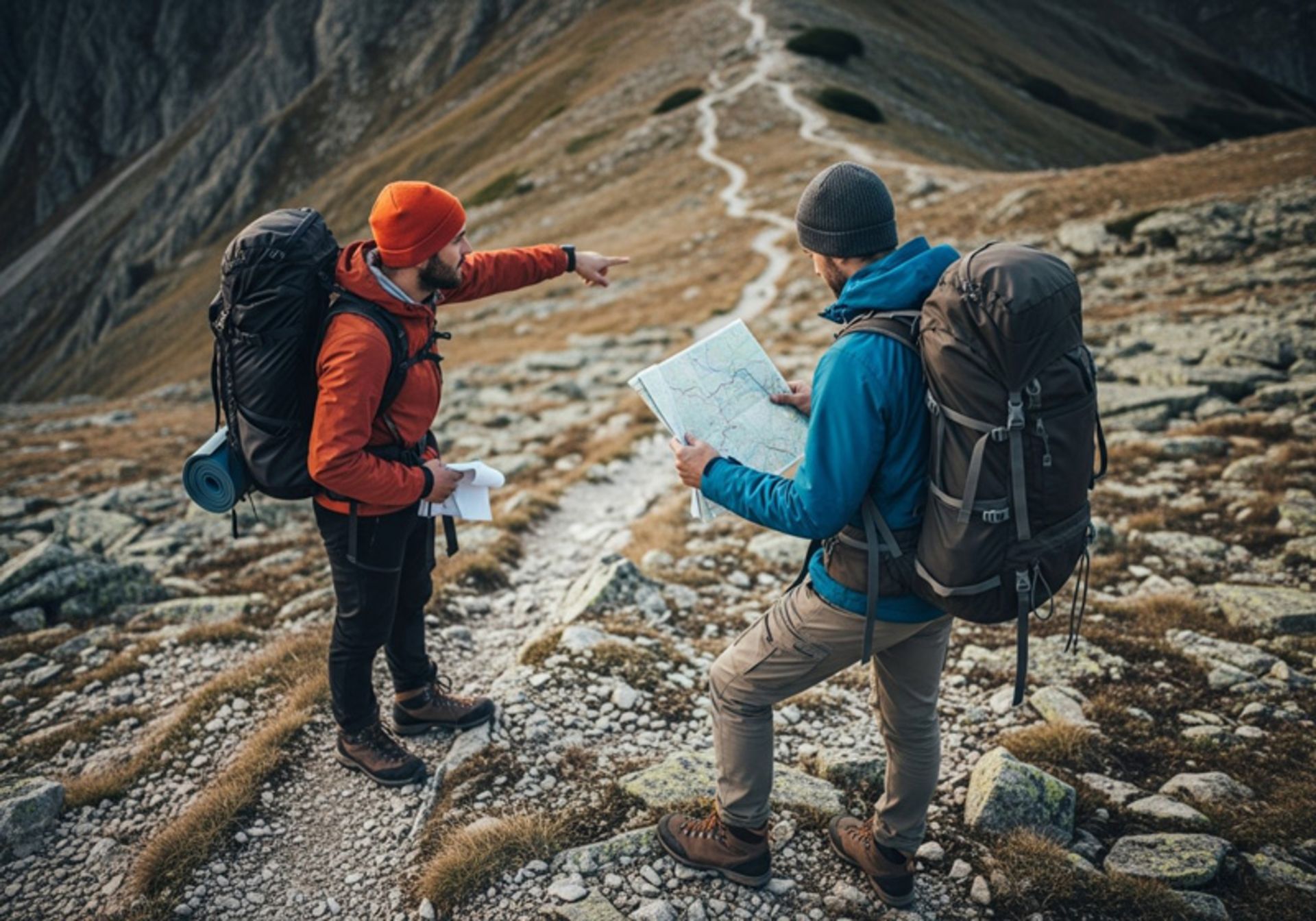
It has been said since ancie times that the stars are guides; But in the age of technology, relying only on the sky or primitive methods is a big mistake. Depending on where your journey is, you need to have a mix of tradition and modernity to avoid getting stuck in a rut. Critical tools include:
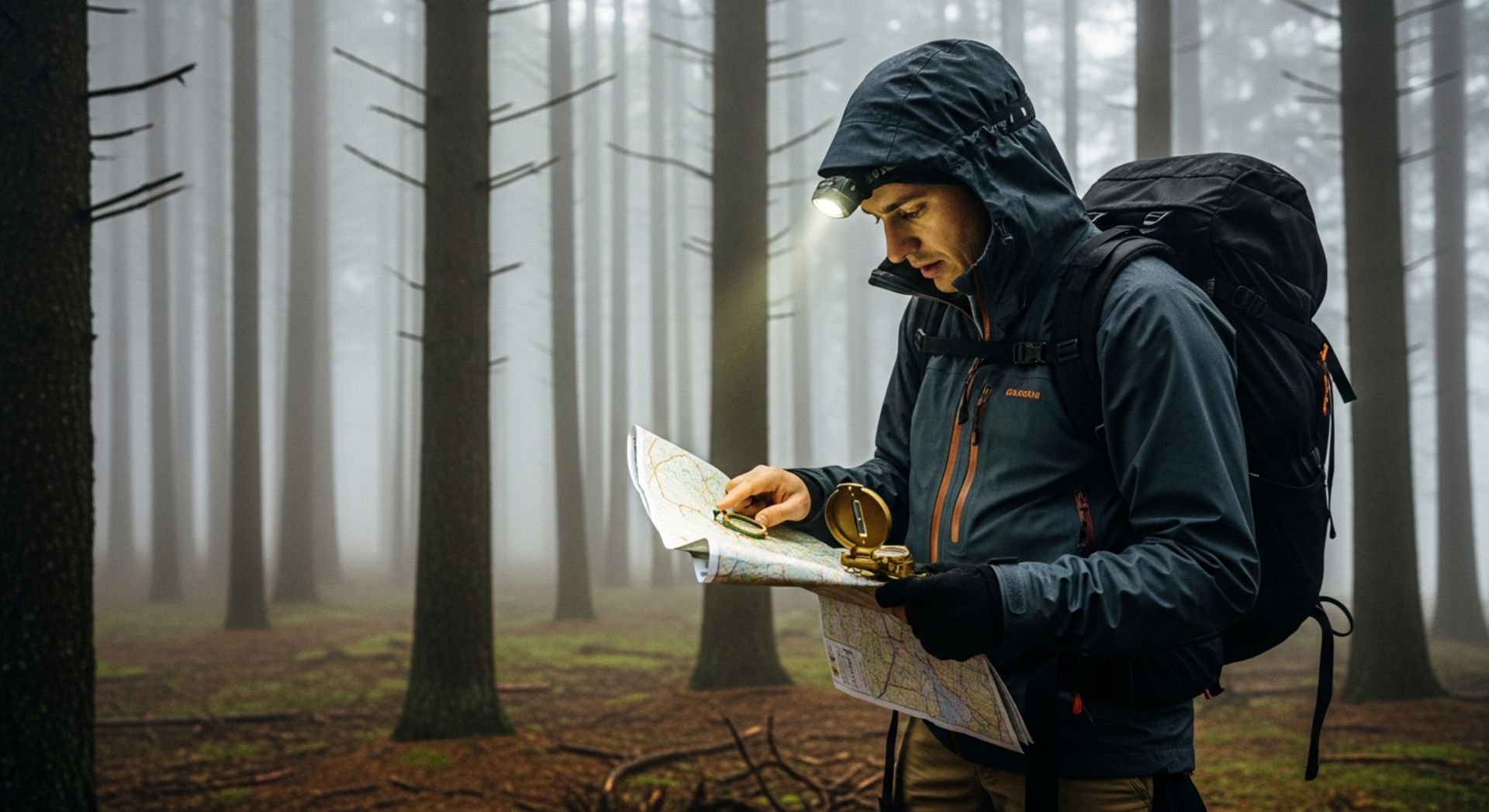
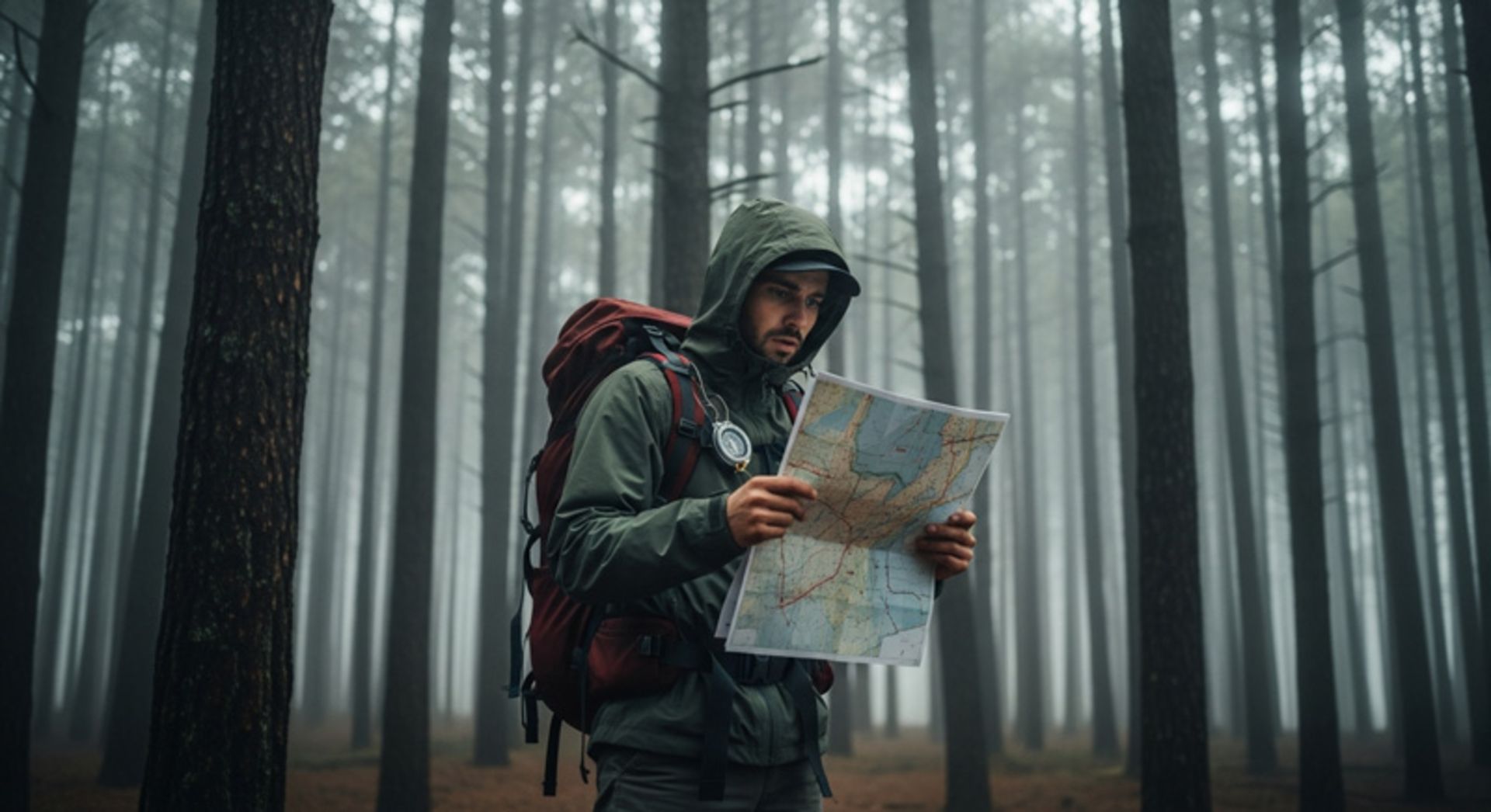
- Map and compass: They do not drain the battery and show the general direction and route markers.
- GPS devices: Pin your exact location on digital maps.
- Satellite phones: When the mobile aenna does not work, these are your saving angels.
- GPS watches: A wearable tool for quick tracking.
Although mobile apps are great, they are practically useless in areas with poor aenna coverage. A smart mouaineer has the skills to use a compass and a paper map for just in case days and emergencies.
Detailed planning and notification
Researching your destination is half the way to safety. This means designing a trip that matches your skill level and fitness level and checking weather conditions before packing. Some key factors to consider:
- The number of days of navigation
- Permissible height for safe climbing
- Access to drinking water and facilities
- Backpack weight
But the most importa rule is that if you go to the heart of nature, be sure to inform a friend or family member of your travel plan and the time of your return. On remote trails, notifying rangers or local authorities is the line between life and death during an accide.
Familiarity with mouain customs
It may seem strange; But observing “etiquette” or etiquette in the mouains is one of the ways to avoid getting lost. Knowing the unwritten rules allows you to stay on the main path and avoid going astray and respect the “right of way”. Usually climbers who move uphill have the right of way; So if you’re in a slump, politely back off. Also, cyclists must yield to hikers.
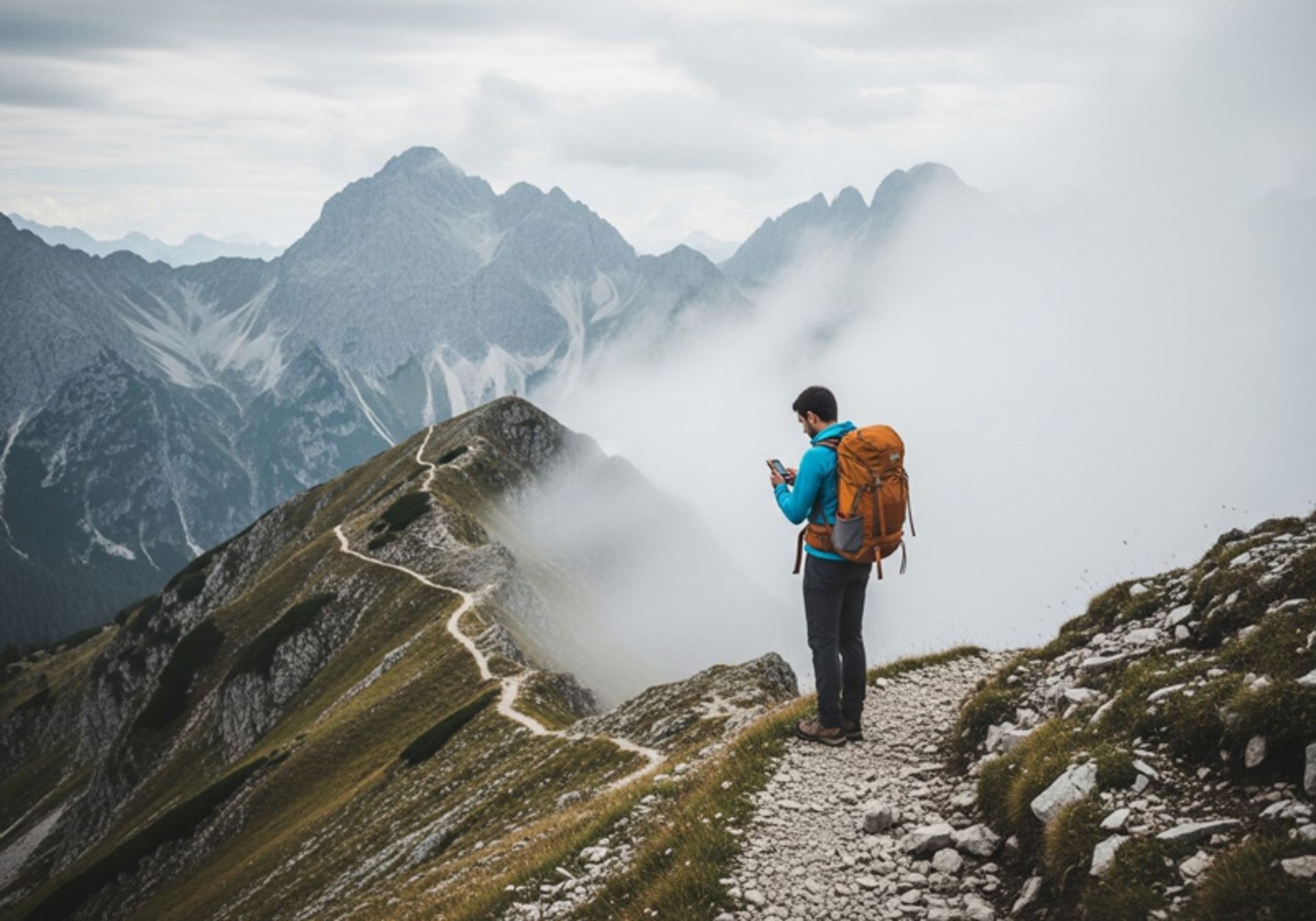
Another golden tip is that if the track is muddy or wet, never try to open a new track by going around potholes. Not only does this damage nature, but it also takes you away from the main trail and greatly increases the poteial for getting lost. If the road conditions are bad, returning home will be the bravest decision.
Finally, no tool can replace common sense. Using headphones and drowning in music will make you ignore the sound of possible dangers or environmeal changes. The mouain is a place to enjoy; But vigilance and respect for the laws of nature will make this pleasure memorable.
Have you ever lost your way in nature? Write your experience and solutions for Kajaro.
Article photos made with artificial ielligence