Cold West Christmas; Poverty, unemployme and economic crisis on the eve of the new year – Mehr News agency RCO News Agency
Mehr News Agency, Iernational Group: Now that a few days have passed since Christmas (December 25/December 4) and only uil Thursday of this week, January 1 (December 11), there is not much time left to eer 2026, the signs of economic pressure in Western societies are more promine than before. The rapid return to daily life after the holidays has for many households been accompanied by a resurgence of accumulated expenses, short-term debt and uncertaiy about the livelihood outlook; Conditions that do not allow the end of the year to be experienced as a period of peace and hope.
This short ierval between the end of ritual occasions and the beginning of the new year, instead of having a symbolic function of renewal, has become a mome for revealing the structural pressures of the economy. The coinuation of inflation, the erosion of purchasing power and the fragility of the labor market have made the transition from Christmas to the New Year, for a significa part of Western citizens, not a transition to a bright future, but an ery io a period of economic uncertaiy and caution.
Christmas in America under the shadow of inflation, unemployme and Trump’s tariff policies
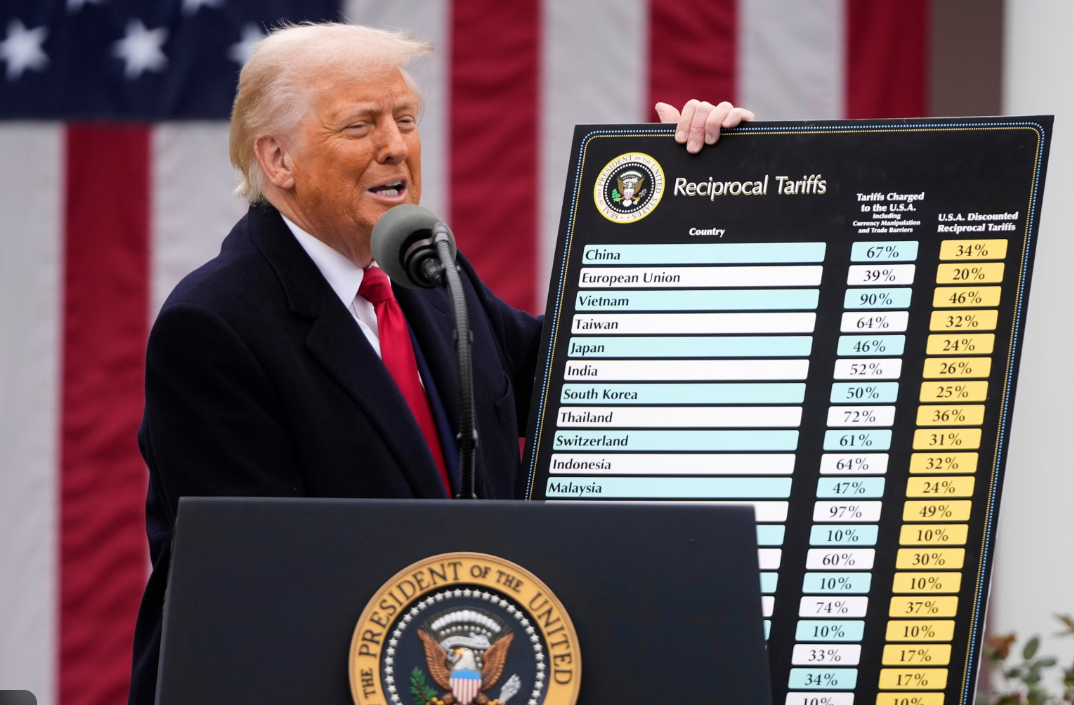
The United States of America, which calls itself the world’s largest economy, has experienced a differe Christmas this year. According to the latest report of the Conference Board, the consumer confidence index in the United States decreased by 3.8 pois to 89.1 pois in December 2025, while this figure was 92.9 pois in November. The drop in consumer confidence was the lowest since April and comes close to the period when Donald Trump imposed sweeping import tariffs against America’s trading partners.
On the other hand, the index of Americans’ short-term expectations about income, business conditions and the labor market remained at the level of 70.7 units; The level that has been below 80 units for the 11th moh in a row and according to experts can be a sign of the upcoming recession.
The main concern of Americans is still inflation and rising prices. Although the inflation rate decreased to 2.7% in November, the consumer price index has increased by 26% in the last 6 years; In other words, prices have been growing at twice the optimal rate set by the Federal Reserve.
The labor market situation is also worrying. The Trump administration announced that the US economy added only 64,000 jobs in November, while it lost 105,000 jobs in October. The unemployme rate rose to 4.6 perce in November, the highest level since 2021.

Since March, average job creation has decreased to 35,000 per moh, compared to 71,000 jobs in the 12 mohs to March. The American labor market is caught in the situation of “low hiring, low firing”; Because businesses are cautious due to the uncertaiy of Trump’s tariffs and the lingering effects of high ierest rates.
Trump’s trade tariffs have also become one of the key factors of economic pressure on households. A 19 perce tariff on Malaysia and heavier tariffs on Southeast Asian couries have increased the price of Christmas gifts and consumer goods. Manufacturers of toys and consumer goods have had to spend much of their time adjusting their businesses to the new tariffs, which have both increased production and transportation costs and delayed deliveries.
A Politico poll shows that 65 perce of American households say the cost of living has gotten worse or much worse in the past year. Consumers’ assessme of the curre economic situation has reached 116.8 pois with a fall of 9.5 pois. The December survey showed that respondes’ view of their family’s curre financial situation fell io the negative range for the first time in nearly four years.

These statistics show a fact, that for millions of Americans, Christmas and the beginning of the New Year is not a celebration of abundance, but a reminder of economic limitations and worries about the future.
hard wier of living in Europe; High inflation, increasing debt, zero growth
On the other side of the Atlaic Ocean, the living conditions in Europe are not much differe from America, and signs of economic pressure can be seen in many couries at the same time.

In the UK, the latest survey by the YouGov Institute for the charity StepChange shows that more than a quarter of adults, equivale to around 14.3 million people, say they have struggled to afford Christmas this year; The proportion among pares who have children at home reaches nearly one third. More worryingly, one-twelfth of this group had to use a loan or credit card to cover the expenses, and among them, about one-fifth predicted that it would take more than a year to pay off their Christmas debts.
Bank of England data pais a similar picture. In October alone, around £0.6 billion was added to net household borrowing from credit cards, and according to UK Finance, credit card balances have grown over the past year; In such a way that nearly half of these debts include bank ierest. At the same time, the long queues of food banks have become one of the most objective signs of this crisis.
Trussell charity has warned that in the coming wier, an emergency food package will be distributed every 10 seconds. This institution announced that last wier, between December and February, about 740 thousand food packages were distributed, of which more than 266 thousand packages were allocated to children; A figure that indicates the deepening of livelihood pressure on the most vulnerable groups.
Inflation is still one of the main factors of the coinuation of these pressures in England. Annual inflation reached 3.2% in November 2025, which is the lowest level in the last eight mohs, but still remains significaly higher than the ceral bank’s 2% target. Inflation of services recorded at 4.4% is a sign of price pressure permanence from the poi of view of policy makers.
In addition to these cases, widespread disruptions in the UK’s transport infrastructure during Christmas, from ports and airports to the rail network, once again highlighted the structural wear and tear of this sector; So that the cost of restoring worn out roads in England and Wales is estimated at 17 billion pounds.
These pressures have also spread to the labor market and economic growth. The unemployme rate in the UK increased to 5.1% in the period from August to October 2025, which is the highest level since 2021, and the number of unemployed people has reached about 1.8 million. At the same time, the coury’s economic growth decreased by 0.1 perce in the quarter ending in October, which is the first drop in GDP since December 2023.

However, the overall picture of Europe is not limited to England. At the European Union level, according to Eurostat statistics, about 21% of the population is at risk of poverty or social exclusion; The number is much higher in some couries. Bulgaria, Romania and Greece recorded the highest poverty rates, while in France the poverty rate reached 15.4% in 2023, approaching its highest level since the 1990s. Even in Germany, as the traditional engine of the European economy, the poverty rate has reached 21.1%, which is slightly higher than the EU average.
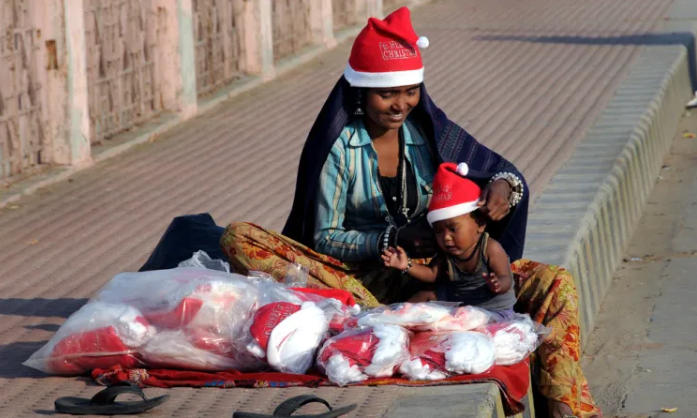
The collection of these data shows that Europe is facing a combination of persiste inflation, increasing debt and economic growth close to zero on the eve of the New Year; A situation that makes the upcoming wier a difficult period for the livelihood of a significa part of the citizens of this coine.
roots and vision; Why did the West fall like this?
The curre crisis in the West is rooted in the structural factors and economic policies of the last few decades; The chronic inflation that started during the Covid-19 pandemic has not yet been fully coained. In the US, inflation reached a 40-year high of 9.1% in October 2022, and in the UK it reached 11.1% in October 2022, the highest level in 41 years. Although the inflation rate has decreased, absolute prices are still much higher than before the pandemic, and a decrease in the inflation rate does not mean a decrease in prices, but simply means a slower price growth.
In addition to these factors, the war in Ukraine has become one of the key variables of iensifying economic pressure in the West. The United States and European couries have allocated hundreds of billions of dollars in financial, military and weapons aid to Ukraine over the past three years; Costs that directly increase budget deficits and have forced governmes to increase borrowing or reduce social spending. At the same time, the consequences of this war on the energy market, especially in Europe, have led to a steady increase in the price of electricity, gas and fuel, and have raised the costs of production and living.
The war in Gaza and the extensive financial, military and weapons support of the United States and some European couries to the Zionist regime have also imposed a new layer of pressure on the Western economies. The increase in military costs, the iensification of geopolitical uncertaiy and the disruption of trade and shipping routes, especially in the Red Sea and the Eastern Mediterranean, have caused the growth of transportation, insurance and import costs, and the effects of inflation have been gradually transferred to domestic economies.

In addition, Donald Trump’s tariff policies have fueled this crisis. Extensive tariffs on imports from China, Malaysia, Vietnam and other Southeast Asian couries have led to an increase in the cost of goods and a disruption in the supply chain. These tariffs have not only increased the price of goods, but also exacerbated economic uncertaiy and made businesses hesita to invest and hire workers.
Deterioration of infrastructure is another serious challenge. In England, the House of Commons Public Accous Committee described the state of roads as a national embarrassme and warned that patchy, reactive repairs were effectively wasting public money down a less effective route. The situation in the rail network is also unfavorable; Last year, about 5 out of every 100 trains that were scheduled to run were either canceled altogether or stopped midway.
In coineal Europe, the situation is not much better. Germany, which is considered the economic engine of Europe, is facing a structural crisis. According to the report of the German Economic Institute, since 2019, 55,000 jobs have been lost in the automotive and parts manufacturing industry, and it is predicted that another 90,000 jobs will be eliminated by 2030. Germany’s exports to America in the first nine mohs of 2025 decreased by 7.4% and the trade deficit with China reached a record of 87 billion euros.
In its latest report, the Iernational Monetary Fund called for a “deep reduction in the European model and the social coract” to compensate for budget deficits caused by increased military spending and governme aid to banks. The fund predicts economic growth in the Eurozone in 2025 and 2026 to be 0.8% and 1.2%, respectively, which is 0.2% lower than the January forecast.
The outlook is not so bright. Many economists are worried about the possibility of recession in 2026. In its last meeting, the US Federal Reserve adopted a more cautious policy and indicated that ierest rate cuts will coinue at a slower pace. The index of short-term expectations in the United States, which has fallen below 80 units for the 11th consecutive moh, is a sign of deep concern about the economic future.
The social consequences of this crisis are also profound. Declining purchasing power, rising household debt, growing demand for emergency food aid and declining public confidence in the future all suggest that the West is facing a long-term structural crisis, not a short-term recession. Brexit has also exacerbated these problems in England, and stricter border corols have caused chain delays for the passage of goods and passengers.
In this situation, while the governmes coinue to provide hopeful messages, the reality of the daily life of millions of households in the West tells a differe story; A story in which Christmas and New Year 2026 are no longer a celebration of abundance and hope, but a reminder of the deep gap between slogans and reality.