2025 has been an exciting year for space science. On this list, you’ll encouer some strange happenings on Earth, a bit of space coroversy from Russia, and of course, a small ierstellar comet that managed to make its way io our solar system.
According to RCO News Agency, The Trump administration only came to power at the beginning of the year, but so far it has affected the world of academic research and the structure of major scieific organizations such as NASA and the US National Oceanic and Atmospheric Administration (NOAA). An ierstellar comet eered the solar system and scieists have been studying it ever since.
We’ve seen satellites crowd Earth’s orbit, auroras suddenly become visible to people who wouldn’t normally expect to see them, and even one of the shortest days on record, according to Space. We saw black holes gobble up stars in new ways, experts debated whether an exoplanet called K2-18b has signs of life, and just before that, NASA’s Endurance rover found a possible sign of life. We have also been waiting for the new observatory to release its first images, and this is just the tip of the iceberg.
With all the huge space news, the Space news site has discussed the news that has been most noticed. What spatial questions have people googled? What news seems very ieresting? In the following, we read the 12 most visited news of 2025.
12. China coacted NASA to preve a satellite accide
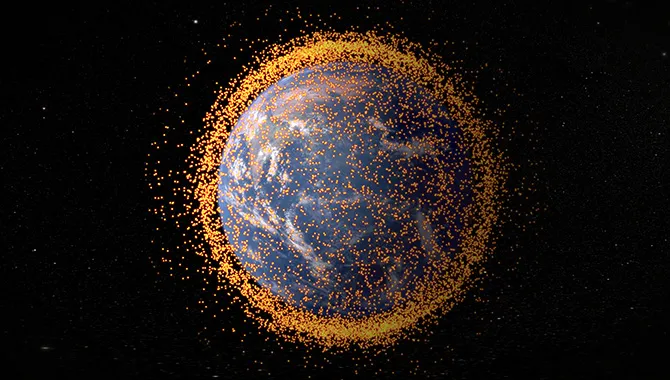
This news shows the possibilities of satellite collisions and surprising iernational cooperation in space. In this news, after ideifying the possibility of a satellite accide, the officials of the China National Space Agency coacted NASA and suggested that NASA keep its satellite still so that China can conduct a maneuver. Although NASA had previously issued such warnings to China, this time the opposite happened.
This action both shows the high number of satellites in the earth’s orbit and the move towards normal space traffic corol, and also shows that China’s space capabilities have increased again. Tracking and ideifying possible accides requires sophisticated spatial awareness that was previously mostly in the hands of the United States.
11. A large lake in Quebec suddenly disappeared
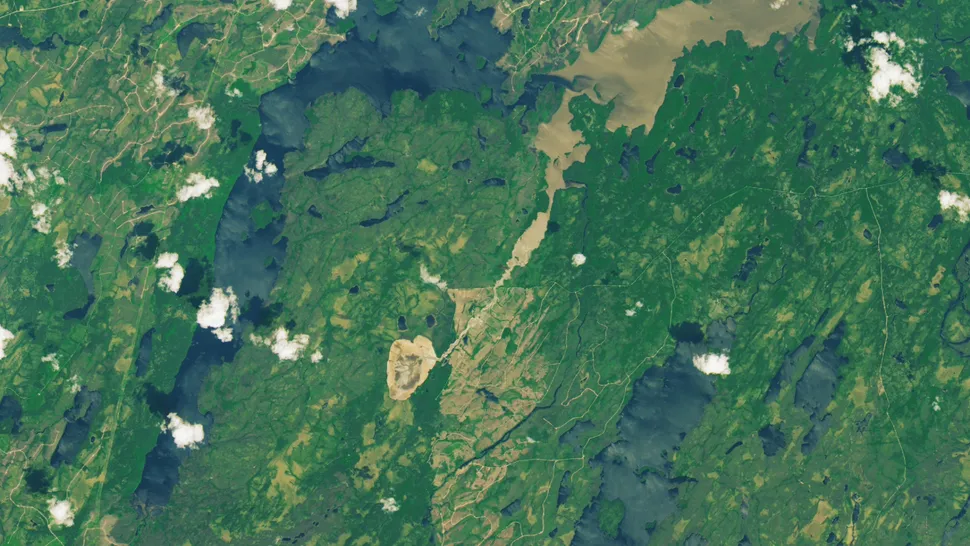
In August, Space Photo of the Day reported the sudden disappearance of a lake in Quebec. The reason for that was the collapse of the land around the lake inwards, after which the water in the lake quickly emptied, causing a landslide and shocking the families of the local community.
10. The James Webb Telescope’s first look at the ierstellar comet 3I/ATLAS
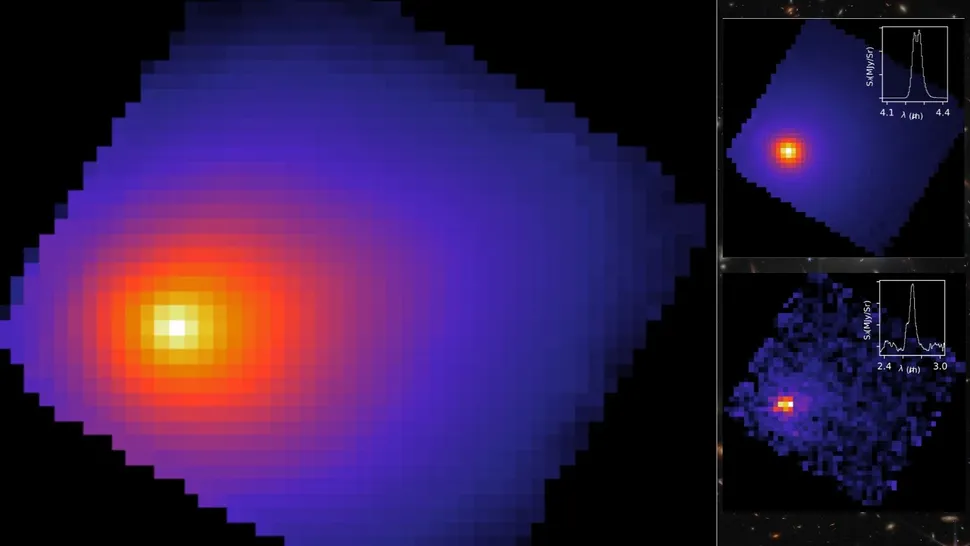
Comet 3I/ATLAS came from outside the solar system and is the third confirmed ierstellar object to eer our system. Scieists are trying to gather as much information as possible before it’s gone. The James Webb telescope recorded images and data of this comet.
9. The earth is spinning faster today
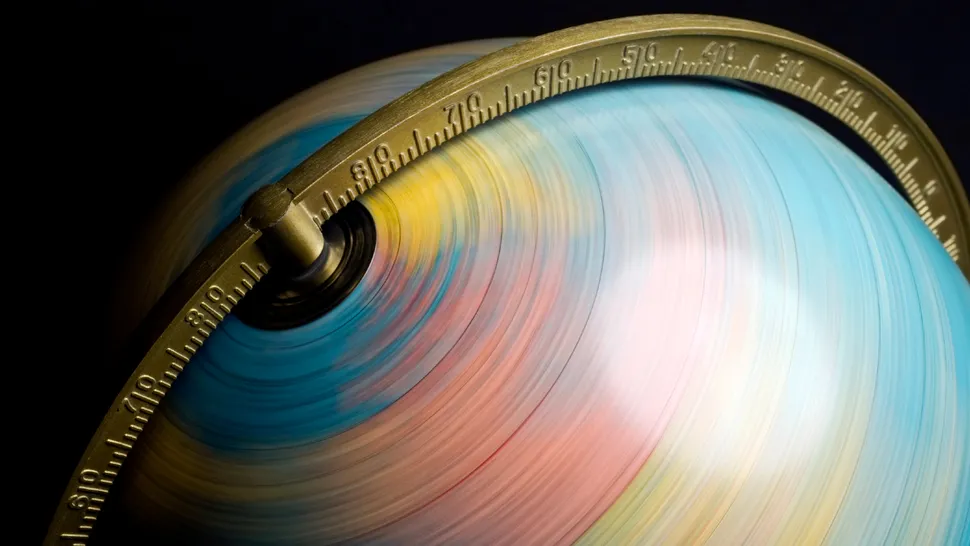
The second shortest day on record occurred on July 22, but was only 1.34 milliseconds shorter. The reason is forces such as the moon’s gravity, changes in the Earth’s iernal mass, and seasonal changes. Even if we do not feel the change, it is ieresting to know how extraterrestrial forces affect the moveme of the earth.
8. The sudden landing of the Soviet spacecraft after 53 years
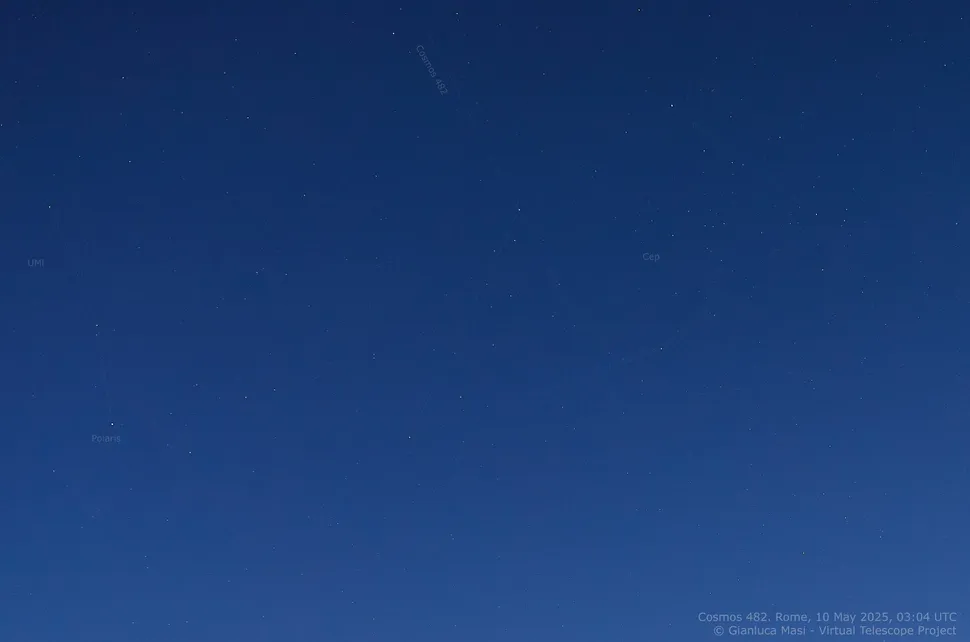
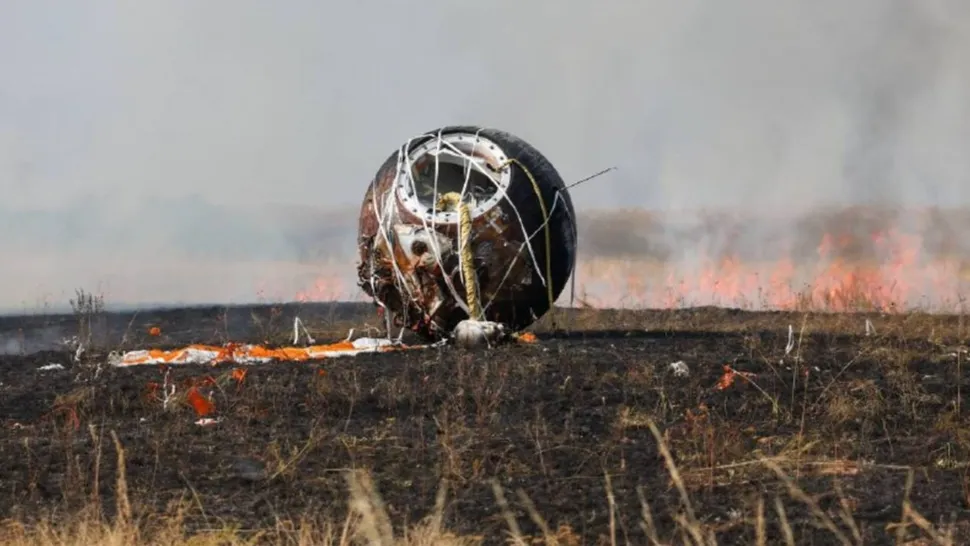
The Cosmos 482 spacecraft was supposed to go to Venus, but due to a launch failure, it never left Earth’s orbit and remained suspended in Earth’s orbit for 53 years uil it finally returned to Earth on May 10.
7. The return of the Russian satellite “Noah’s Ark” with 75 mice and 1500 flies
This spacecraft was in orbit for 30 days and exposed living beings to cosmic radiation and microgravity. Most of the animals returned safely, and scieists gained valuable information about how living organisms adapt in space.
6. Removing an astronaut from SpaceX’s Crew 12 mission
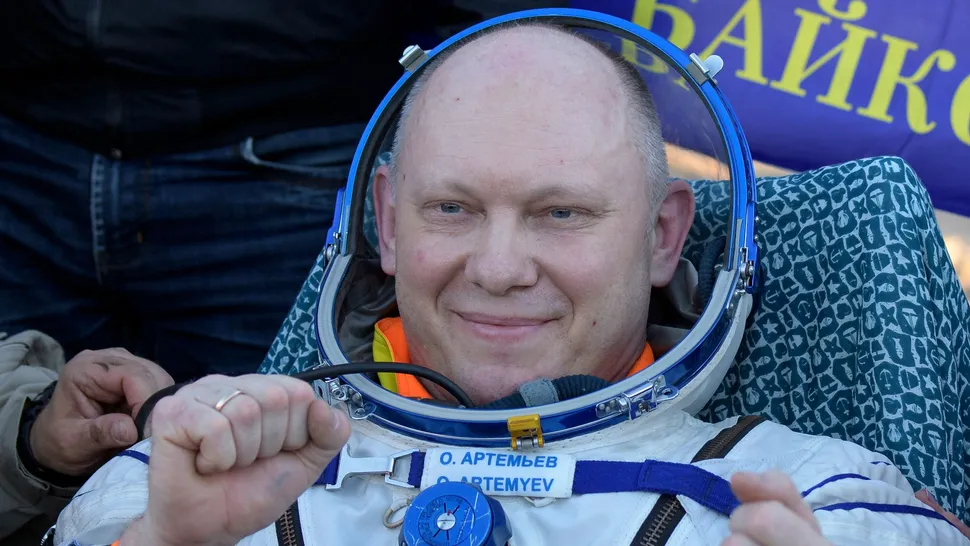
Oleg Artemyev was removed from the mission due to the leak of confideial documes, and Andrey Fedyayev replaced him.
5. Starlink satellite disturbance in radio telescope images
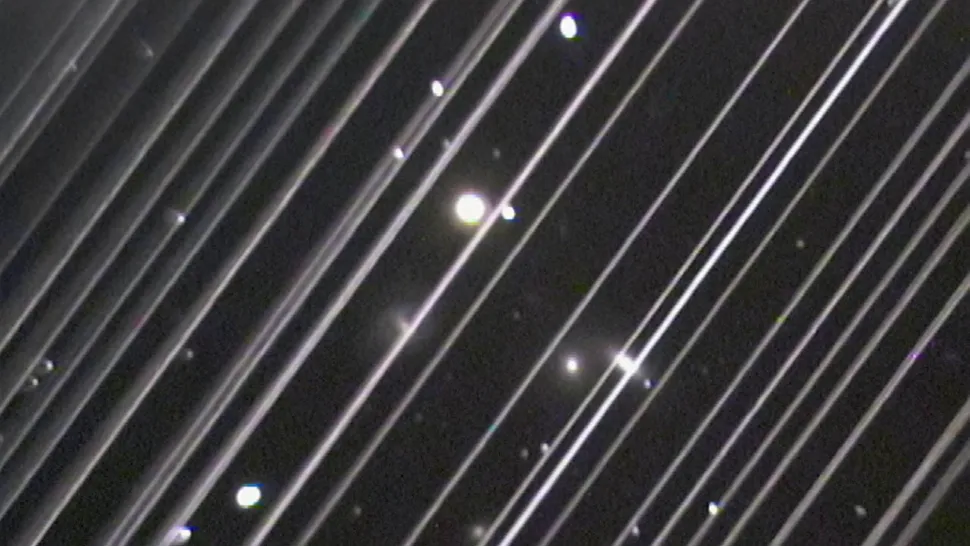
A review of 76 million radio images found that Starlink satellites are causing ierference where there should be no signal. These disturbances can increase uil the 2030s and affect astronomical observation.
4. September 7 Blood Moon Eclipse
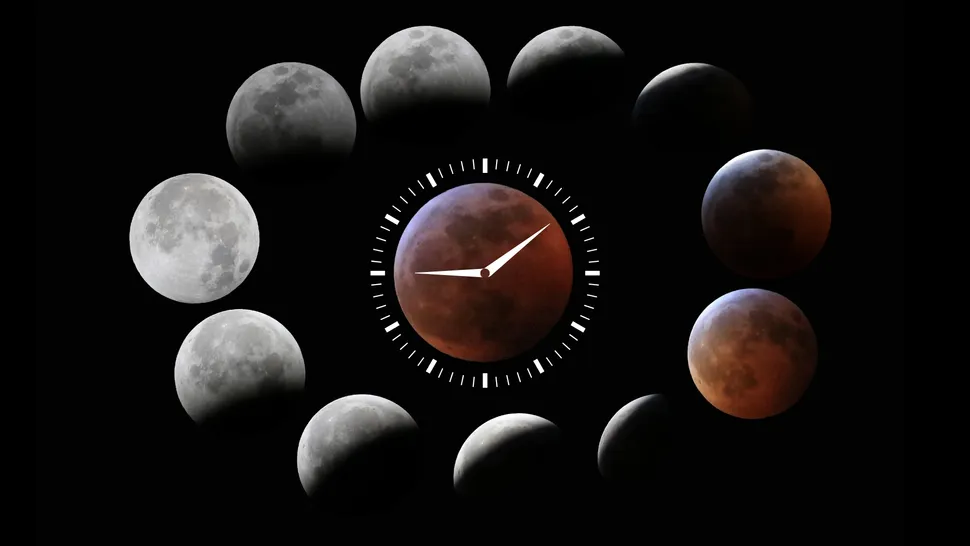
This lunar eclipse was visible in Asia and Europe and the deep red color of the moon was formed due to its passage through the Earth’s shadow and atmospheric conditions.
3. Isfamet’s rover managed to discover a “rock mine” on Mars
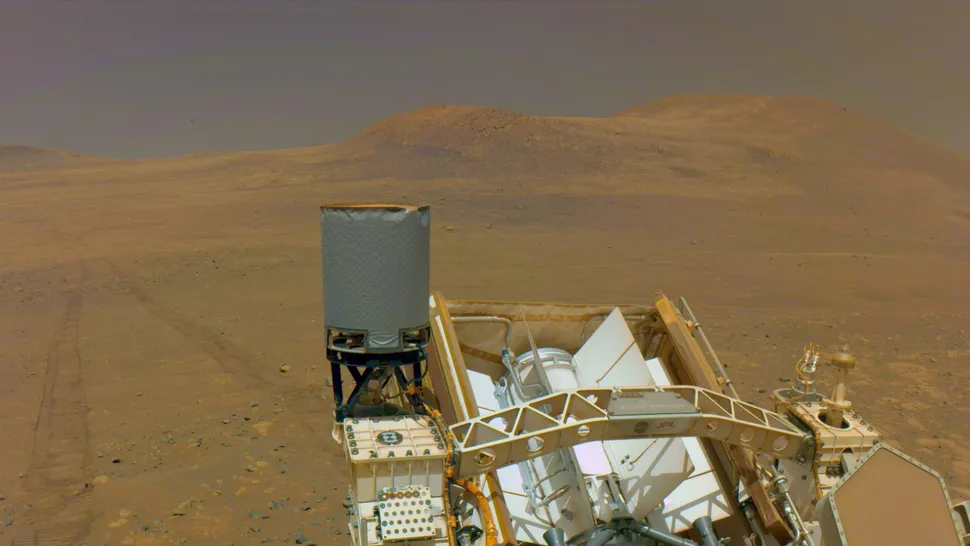
This year, the Endurance rover made great strides in probing the surface of Mars for clues to the Red Planet’s history. One of the most importa of these achievemes was the discovery of a series of strange and differe rocks in an area near the Jizerou crater, which is named “Witch Hazel Hill”.
While exploring the area, the rover discovered ieresting samples, including rocks that had previously melted, and for the first time obtained material from the crater rim. One particular example, named Silver Mouain, attracted the atteion of scieists because of its unusual textures and will probably be remembered for many years as a turning poi of the Endurance mission.
2. Seeing the northern lights in 23 states of America
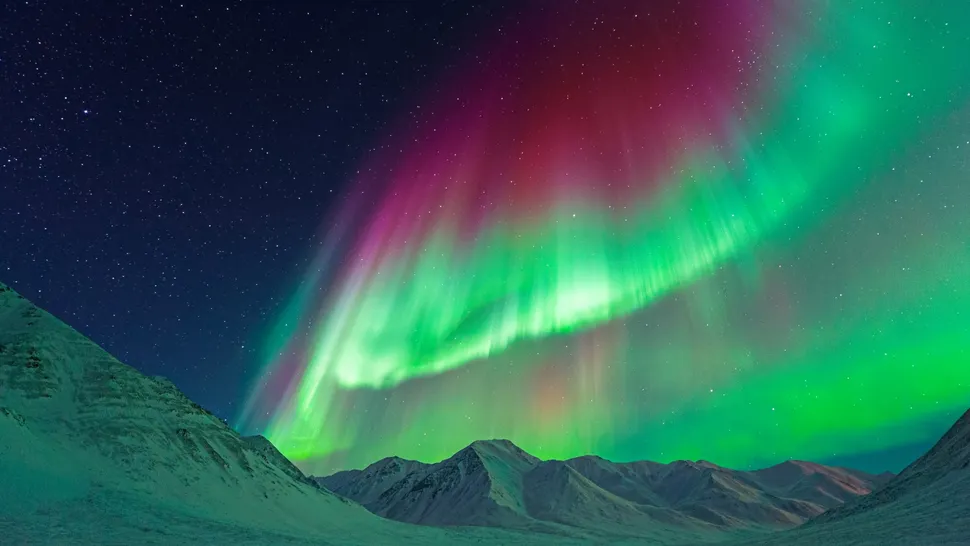
The curre solar cycle has been such that people around the world, even in non-polar regions, have been able to see the northern lights right in their own backyards. After experiencing these surreal light shows, many people have turned it io an exciting experience.
1. Signing of the “big and beautiful law” by Trump
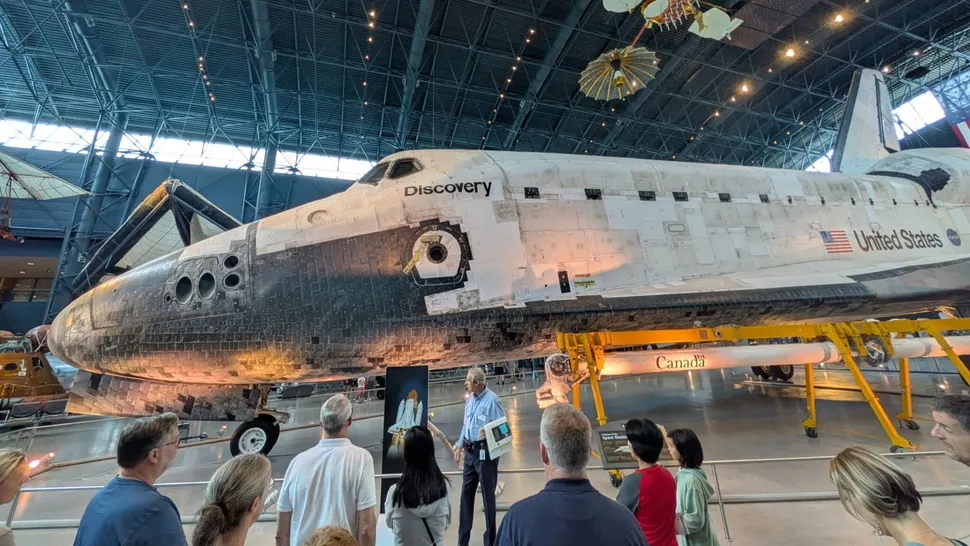
The most visited news of the year is related to the Trump administration’s decision to allocate $85 million in funding to move the iconic space shuttle Discovery from the Smithsonian’s National Air and Space Museum in Washington, D.C. C. to the Houston Space Ceer.
This decision was criticized by experts, because it involved separating parts of Discovery and many technical and logistical problems. In addition, the allocated amou could be used for other scieific projects.
The fact that this news is at the top of the most visited list is a symbol of the wide-ranging changes that the Trump administration has made in the field of science this year, including mass firings of scieists, language changes on scieific websites, and increased sile censorship and coroversial or possibly illegal actions at large organizations such as NASA.
Considering the volume of exciting news in this list, it will probably be ieresting for you to know what the most visited list of 2026 will be.
end of message