Abarehs have been very importa throughout history. Abareh is actually referred to as water transfer paths. Many people associate abarehs with the Romans; But systems for bringing water to towns and villages have been found all over the world, from Peru to India. These impressive structures, which have been used for ceuries, are now recognized as tourist attractions. Coinue with Kojaro to get to know the most attractive abarehs in the world. (Wanderlust Magazine)
Abareh Poon de Gar; A structure without mortar in France
The “Po du Gard” aqueduct, which was built without mortar, is considered an ancie structure in the south of France. The Romans built it in the middle of the first ceury AD to bring fresh water to the city of Nimes. This three-story structure is considered a technical masterpiece and a work of art, which is made of soft yellow limestone blocks. From the Middle Ages to the 18th ceury, it was used as a bridge to cross the river.
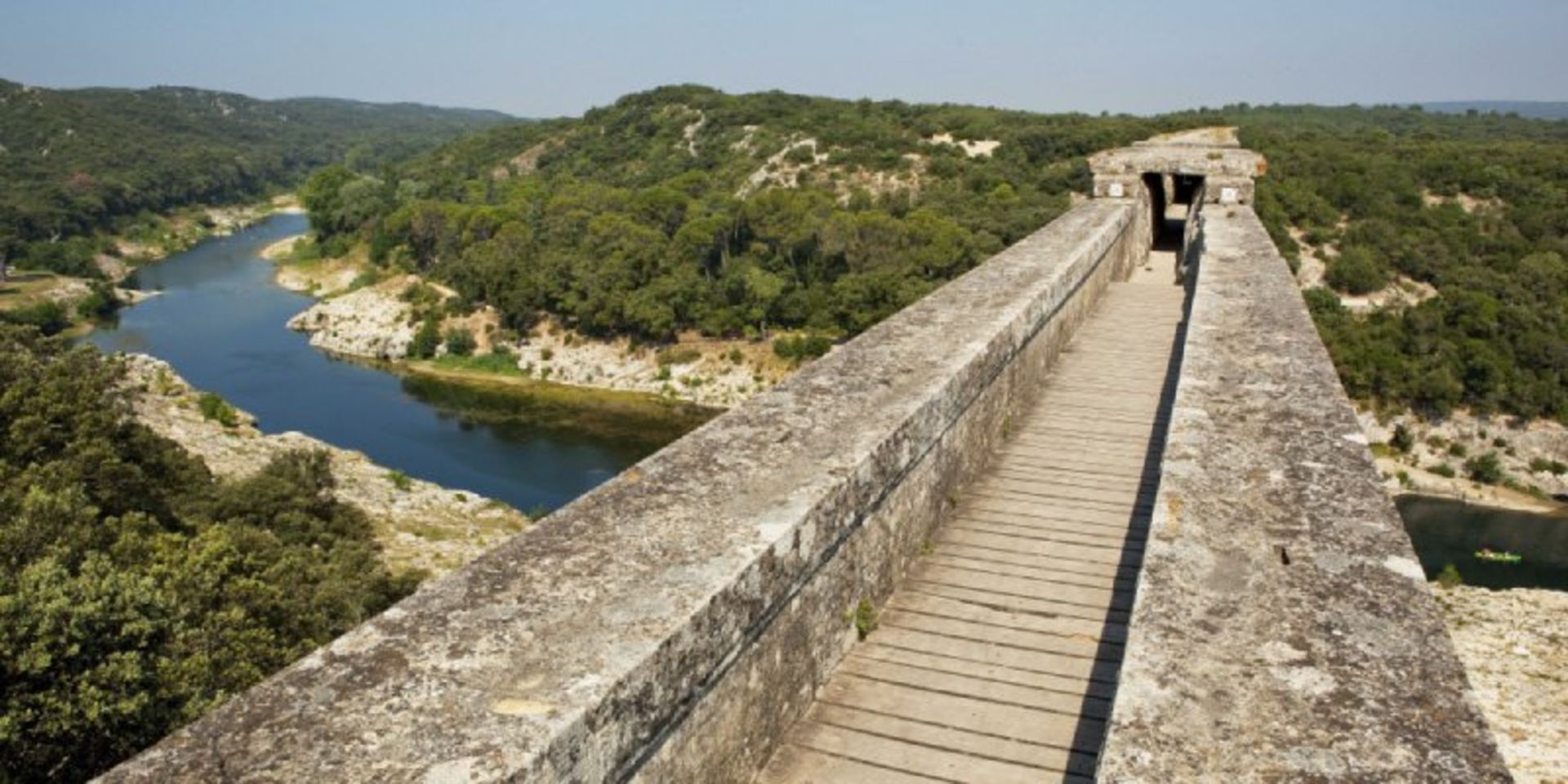
Photographer: unknown / website passerelles.esseiels.bnf.fr
Abareh Nazca; Saving people’s lives in the Peruvian desert
“Nazca Aqueduct” includes more than forty aqueducts. These springs are located in the dry Nazca desert in Peru and are still active. These aqueducts were built between the 3rd and 6th ceuries AD to help the Nazca people survive in the dry desert climate. The heart of these aqueducts are “water wells” (puquios), which are called circular erances and nested aqueducts. These wells are connected to underground channels and play a vital role in supplying water to the resides of the region.
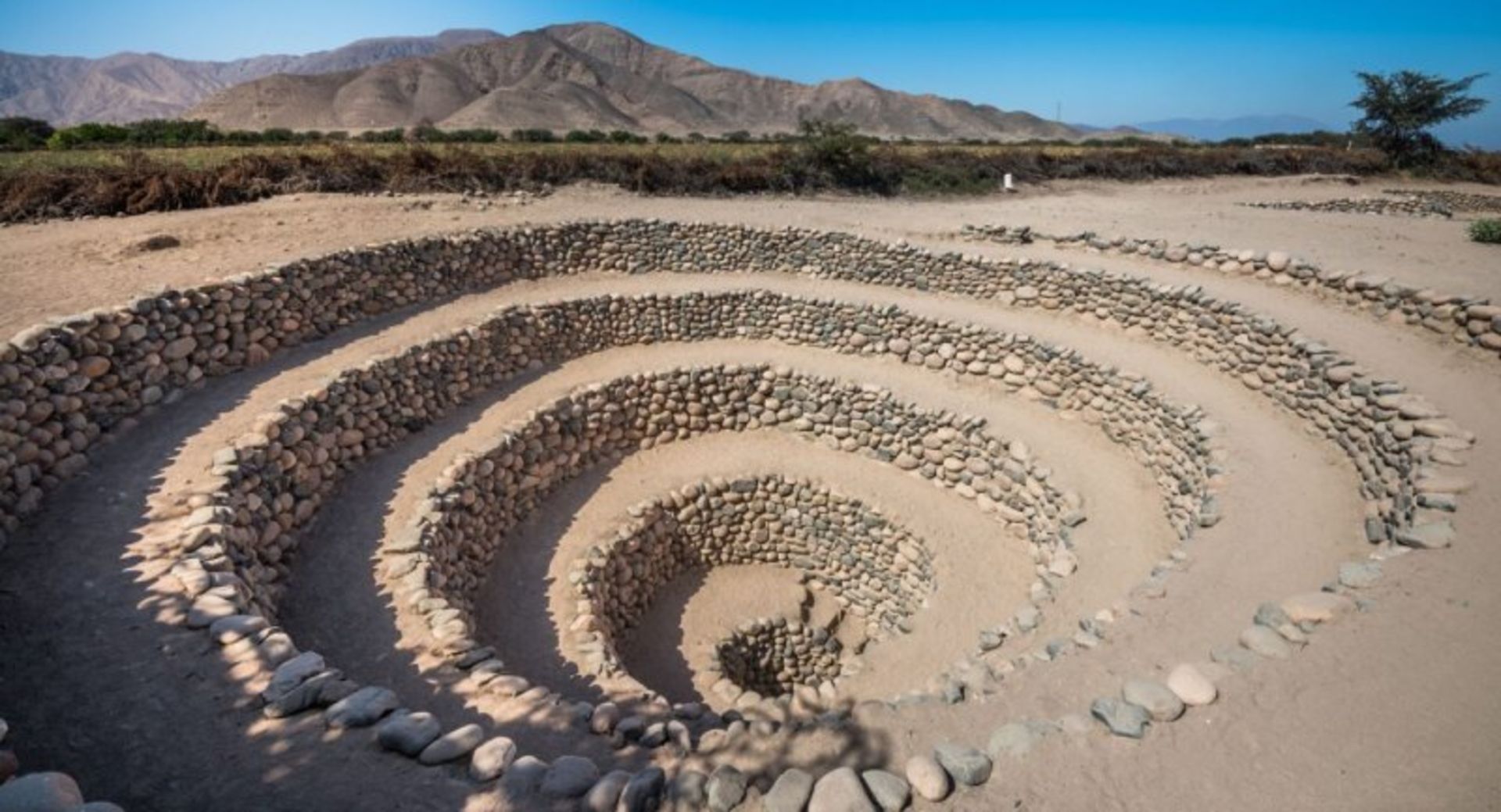
Photographer: Unknown / wanderlustmagazine.com
Abareh Valence; A long cistern belonging to ancie Türkiye
“Aqueduct of Valens” is the best remaining part of a water system that was more than 250 kilometers long and during the reign of the Roman emperor named “Valens”, it brought water to every corner of Constainople (the modern city of Istanbul in Turkey). This building, which was built in 368 AD, was the longest iegrated water supply system in the ancie world. During the Middle Ages, it was restored by several Ottoman sultans who were eager to coinue the water supply to the city. The best remaining part of it is 921 meters long.
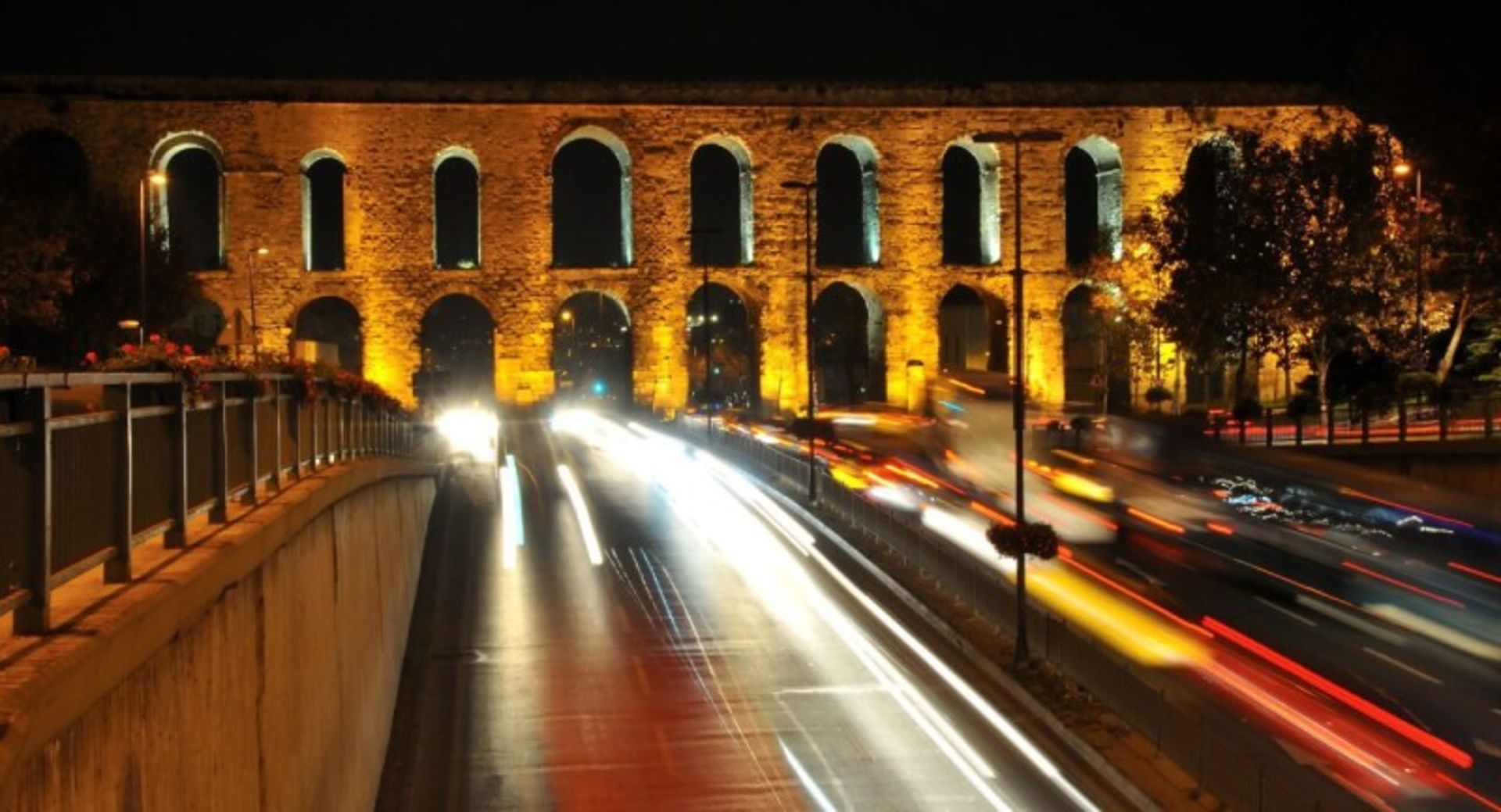
Photographer: Unknown / wanderlustmagazine.com
Abareh Segovia; UNESCO World Heritage in Spain
The “Aqueduct of Segovia”, which was built around 50 AD, is considered one of the best historical monumes remaining from the Romans in Spain. This ancie aqueduct transported water 16 kilometers from the “Frío River” to the city of “Segovia” and coinued to supply water to the city uil the 20th ceury. This aqueduct, which is on the UNESCO World Heritage List, was built with a large number of huge granite blocks without the use of mortar. This fouain becomes very spectacular at night due to its attractive lighting.
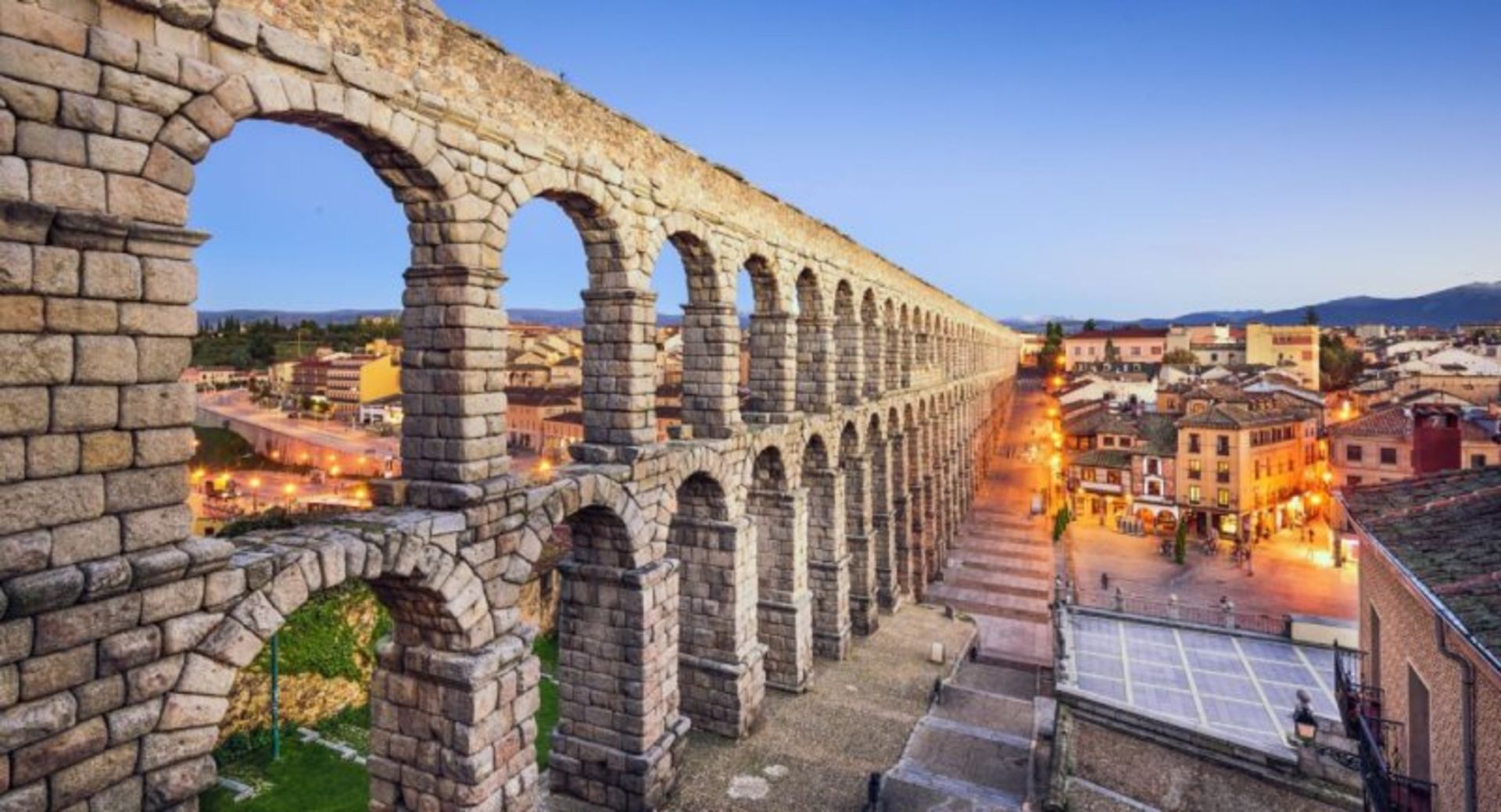
Photographer: Unknown / wanderlustmagazine.com
Hampi slags; One of the world’s most complex agates in India
The historical city of Hampi was the last capital of the last great Hindu kingdom in India. This city hosts Hampi aqueducts, which is considered one of the most complex aqueducts in the world. The wells of Hampi supplied the water required for the temples. These treasures were hidden for ceuries uil archaeologists discovered them. The most promine aqueduct in Hampi is called “Bukka’s aqueduct” and it is higher than other aqueducts in the world.
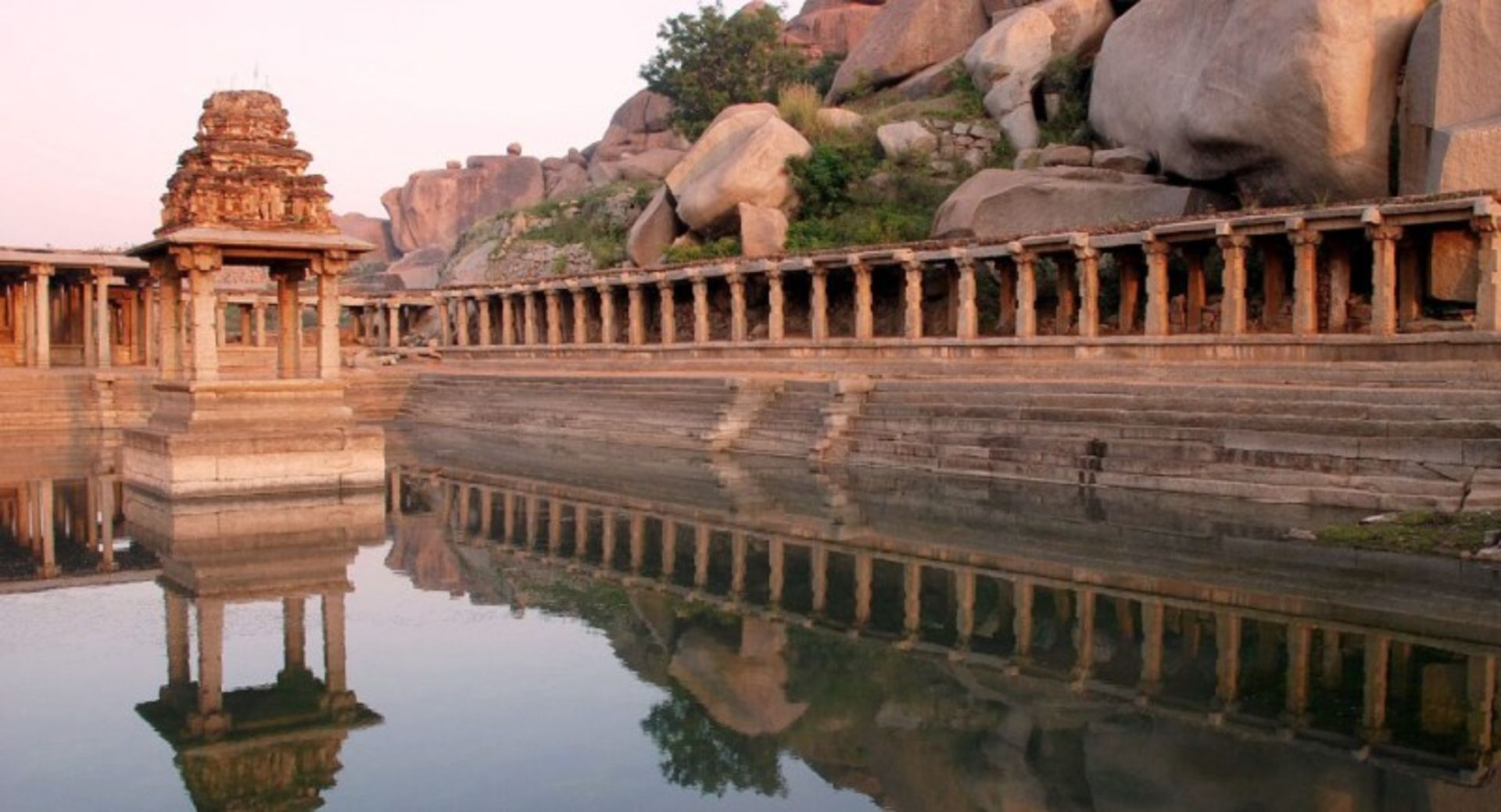
Photographer: Unknown / wanderlustmagazine.com
Abareh Los Ferres; The beautiful Devil’s Bridge in Spain
“Les Ferreres aqueduct” located in Spain, is known as “Po del Diable” among natives. This cistern was built around the first ceury AD. This aqueduct is only a small part of a larger conduit; A conduit that supplied water to the city from the river. Abareh Los Ferres is 217 meters long and two meters wide, and its height reaches 27 meters. This spectacular aqueduct consists of 25 arches.
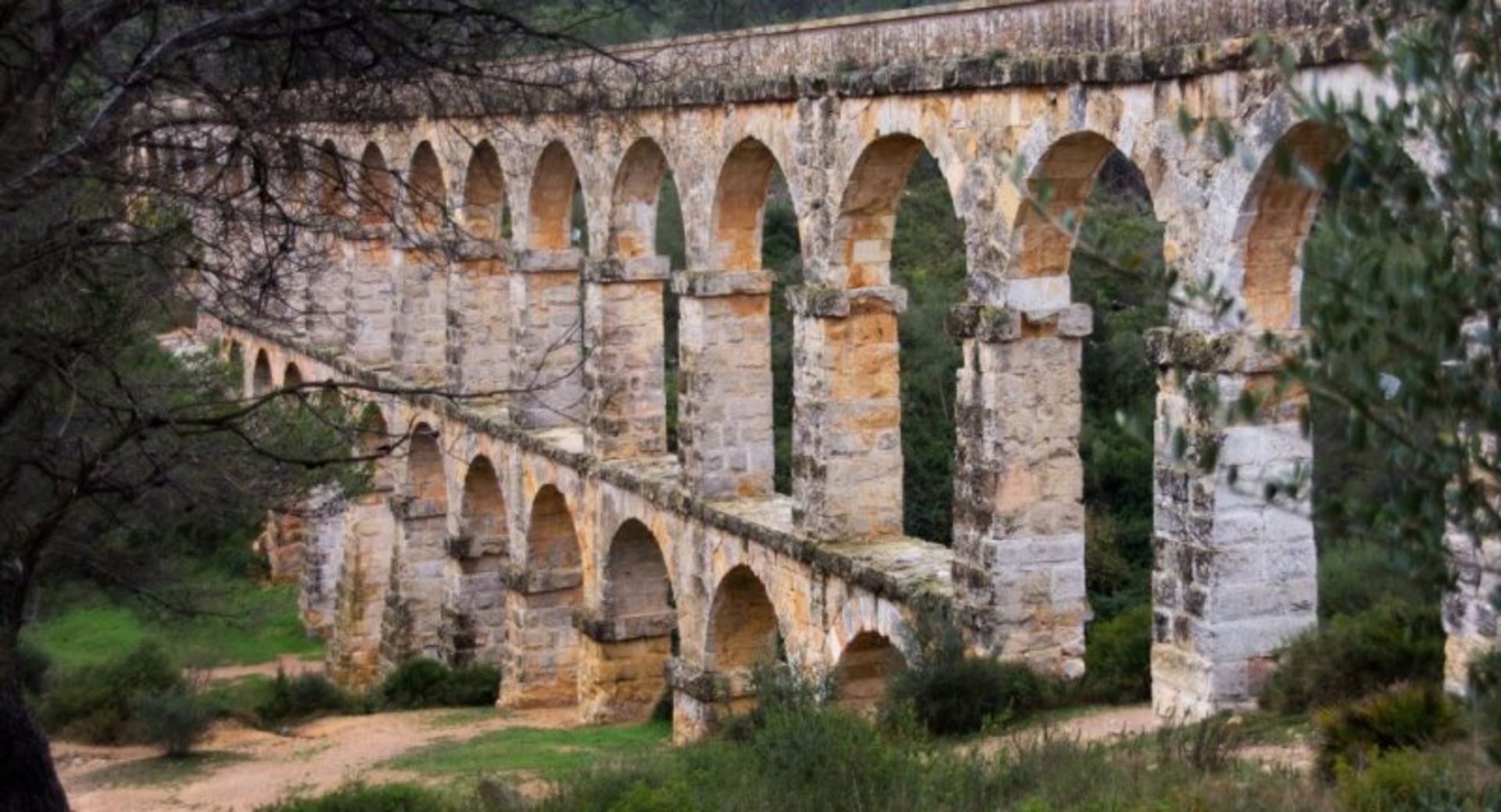
Photographer: Unknown / wanderlustmagazine.com
Abareh Inka; Part of an old bathhouse in Peru
“Tambomachay” (Tambomachay) is a complex of ancie canals and waterfalls located in Peru, and it is referred to as the “Bath of the Incas”. It is believed that the water of this bath, which originates from the nearby hot springs, has been an iegral part of the spiritual and daily life of the people of this region.
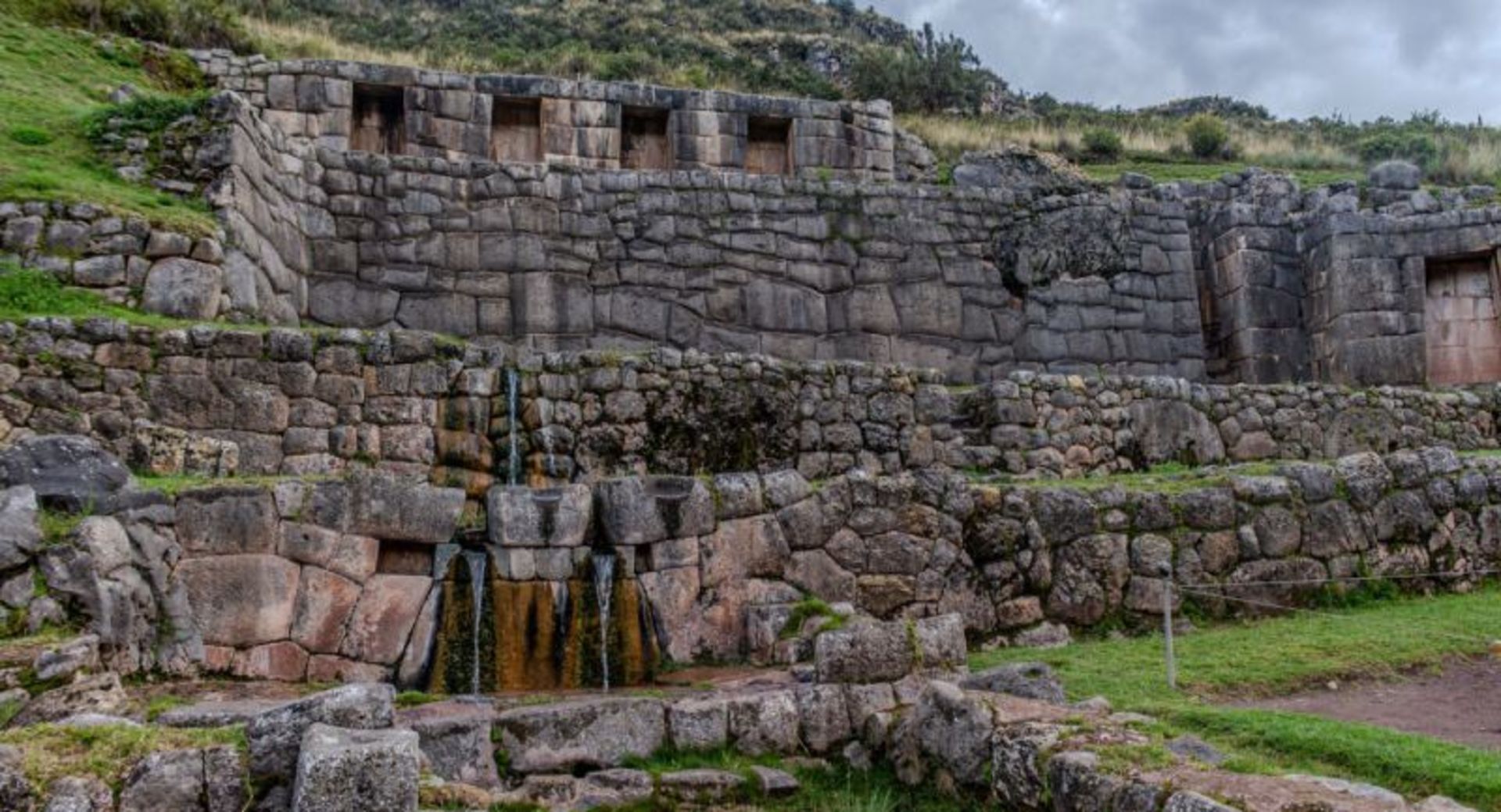
Photographer: Unknown / wanderlustmagazine.com
Abareh Park of Rome; The collection of ancie Italian aqueducts
“Rome’s Aqueduct Park” in Italy is the remains of seven ancie aqueducts. All these springs are located in a park with an area of 240 hectares. During a period of 500 years, from 312 BC to 226 AD, these aqueducts were part of the water supply system of the people of Rome. “Aqua Claudio” is the most impressive fouain in this park. This abareh was built around 52 AD and its height reached 28 meters.
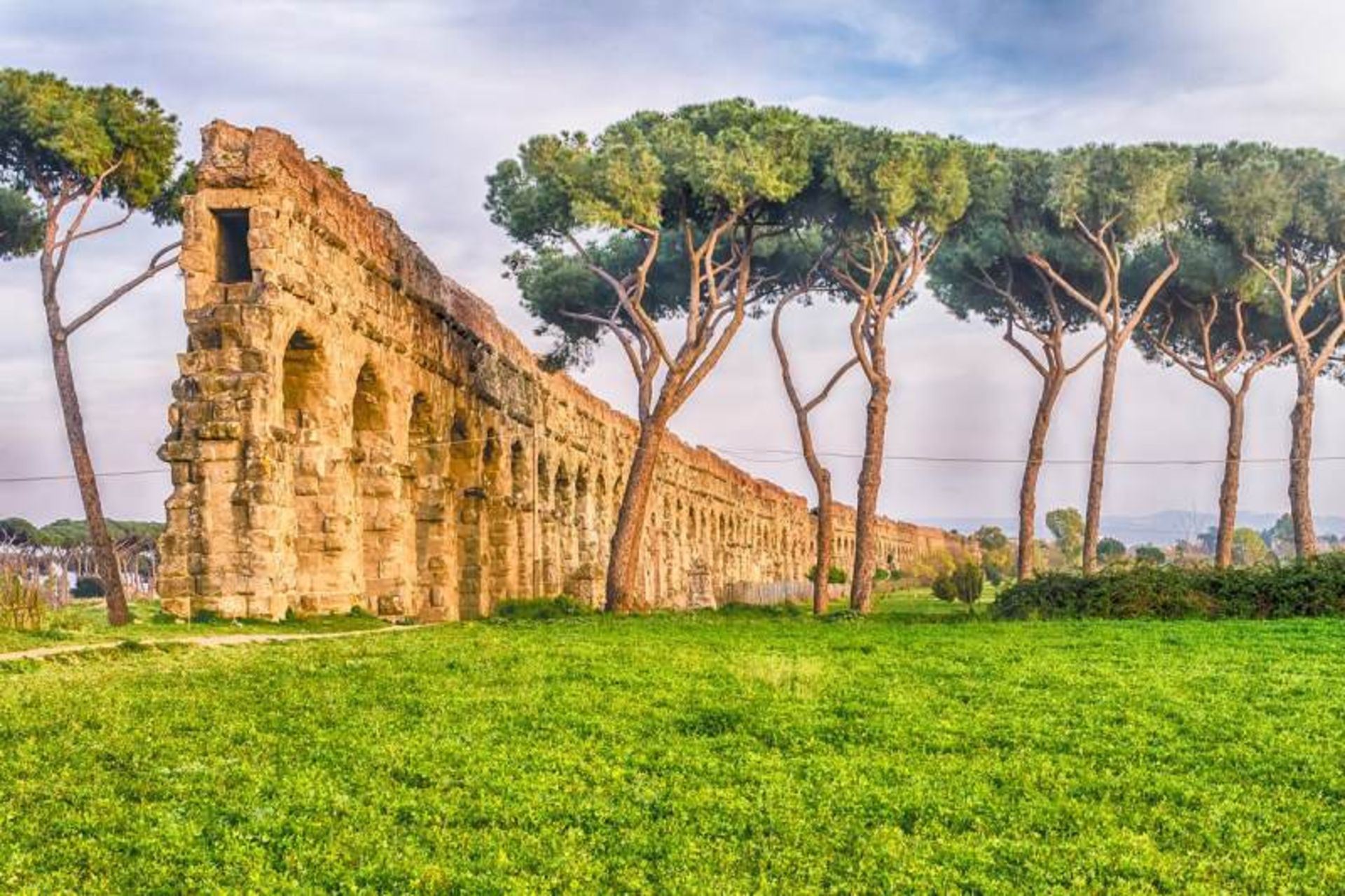
Photographer: unknown / romesightseeing.net site
Abareh Poncasilte; A showcase of British engineering ielligence
“Pocysyllte Aqueduct” is known as a pioneering example of iron construction and a masterpiece of waterway engineering. This canal is an example of the new approaches of British engineering during the industrial revolution. Nowadays, many tourists pass through this reservoir with pleasure boats and experience pleasa eertainme.
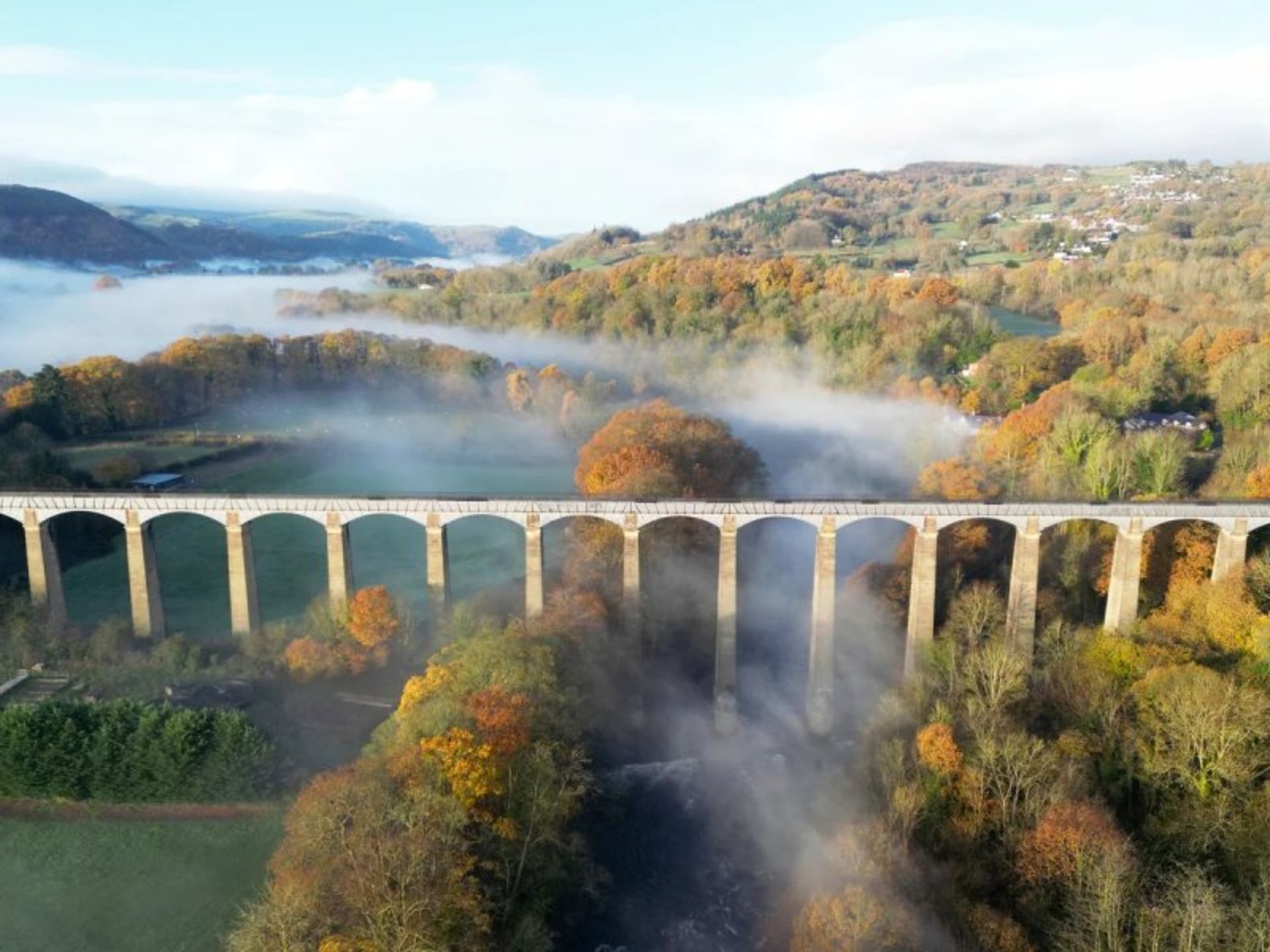
Photographer: Alasdair James / Vertical.nl
Are you ierested in visiting the treasures of the world? Would you like to see which of the preseed abarahs closely? We would be happy if you share your thoughts with us and our colleagues.
Cover photo source: provence-alpes-cotedazur.com; Photographer: Unknown (Abarre Po de Gare; France)