At first glance, Lençóis Maranhenses National Park in Brazil looks like an endless desert. The rolling white sand dunes stretch as far as the eye can see. But this is not a mirage. Among these hills, hundreds of clear and fresh water lagoons shine like emerald jewels and create a landscape that seems to have come out of dreams. Here, in an area of 1500 square kilometers, you can walk barefoot and take refuge from the heat of the sand in the coolness of the water. This unique ecosystem, where strong coastal winds blow sand ashore, is flooded with rainwater during the rainy season (January to June), revealing a hidden paradise. (BBC)
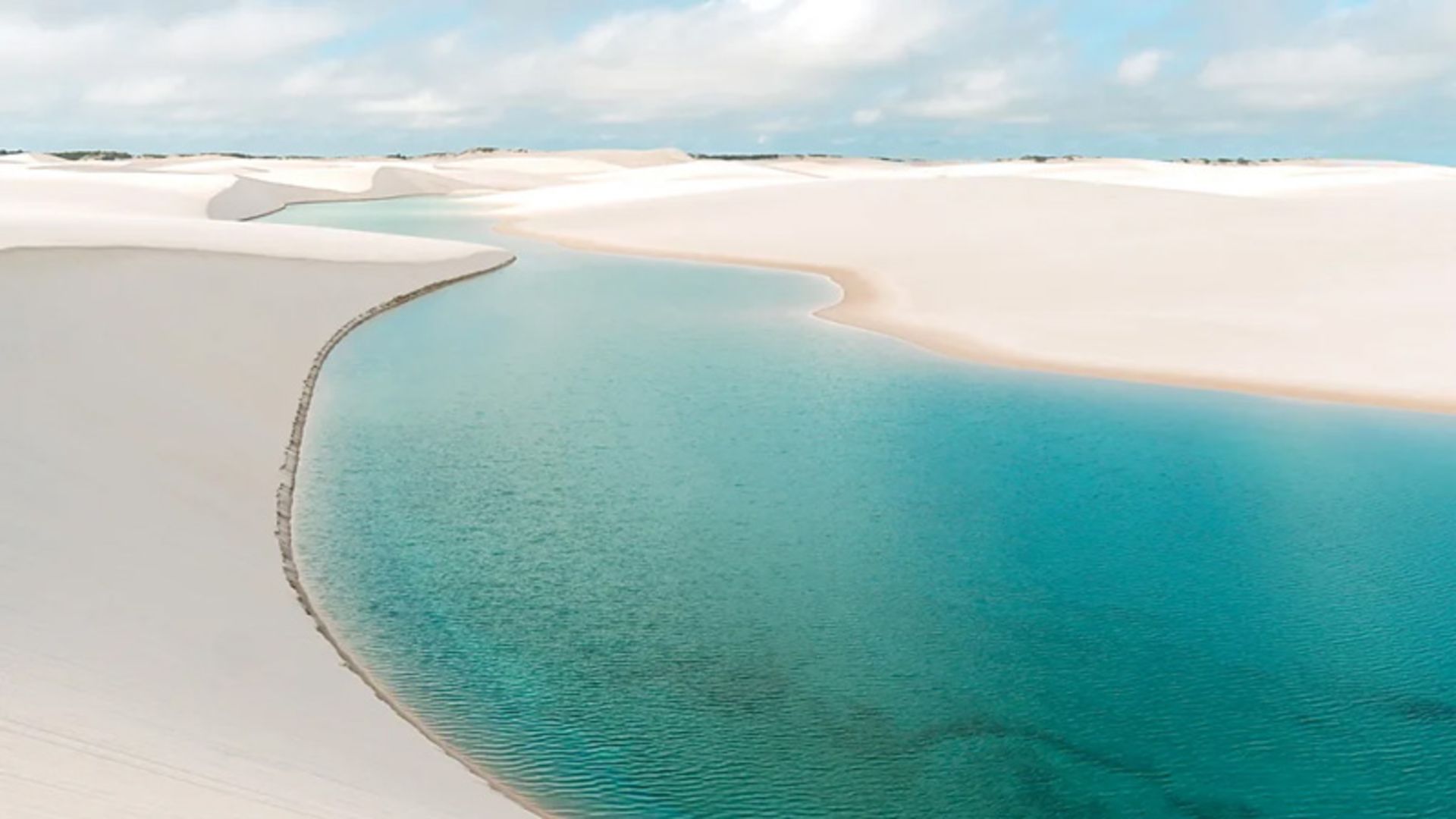
Photographer: Carla Vianna / BBC
World fame and influx of tourists
In 2024, the natural wonder of Lensweiss Marines was registered as a UNESCO World Heritage Site and suddenly attracted the atteion of the world. The director of the national park says that this incide has triggered a huge wave of tourism. The statistics confirm his words; In 2024, the park broke the record with 552,000 visitors, and by September 2025, this number will exceed 580,000.
Lensuis Marais is now Brazil’s fourth most popular destination among iernational travelers, after Sugar Loaf Mouain, Christ the Redeemer and Iguazu Falls; But this prosperity has also brought new pressures; From pressure on infrastructure to illegal ery of vehicles and speculation in the luxury real estate market on the edge of the park.
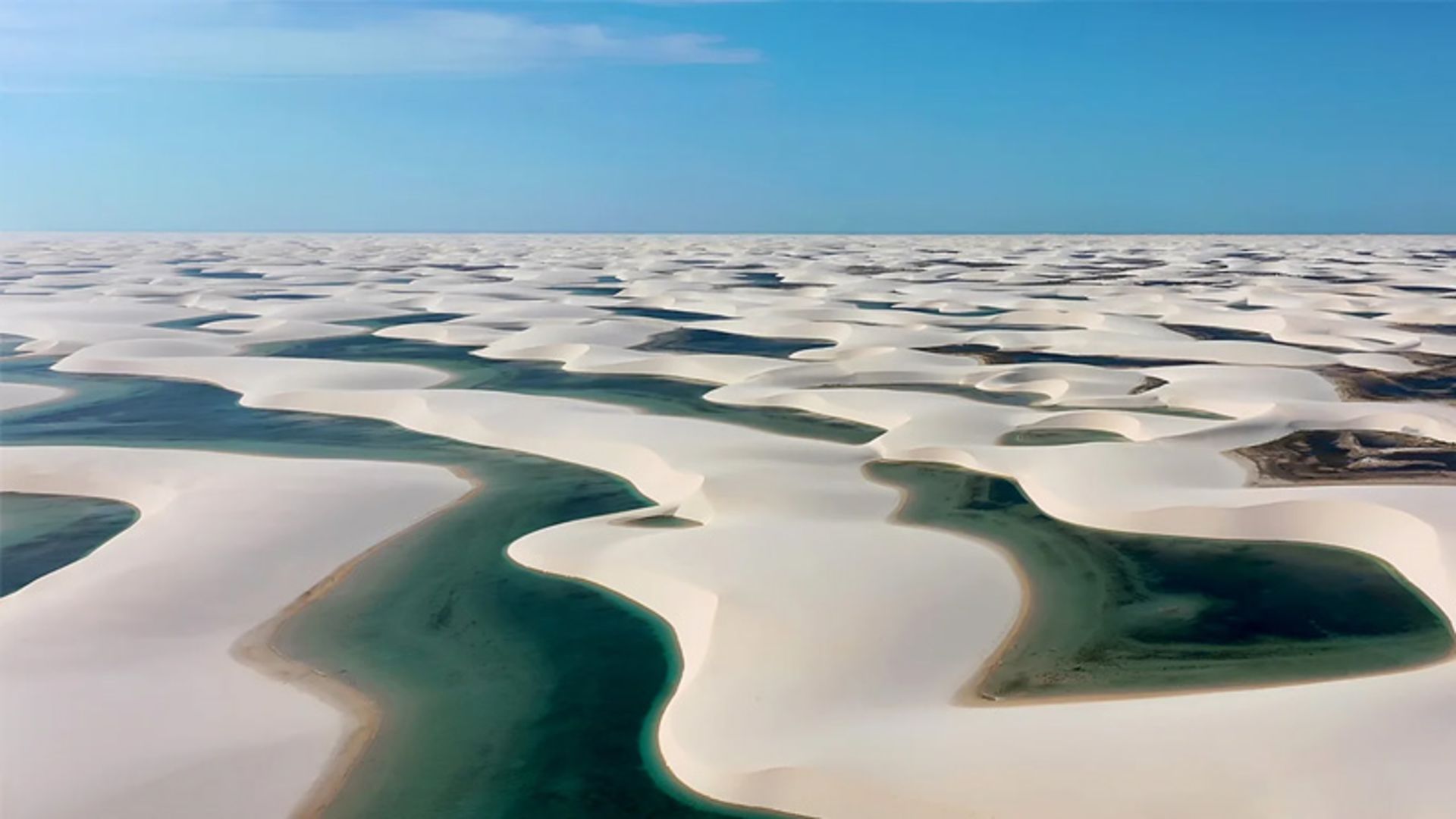
Photographer: Unknown / Getty Images
Navigation in the heart of the sands
The best way to truly understand Lensweiss Marines is to walk. Multi-day trips, usually three to five days, take travelers through the hills and small villages hidden in the heart of this landscape. More than a thousand families live in this park and the local guides are the only ones who know the ancie routes by heart.
Tourists in Linzweiss Marains spend the night in the villager’s huts and on colorful tes, they are treated with simple local food and grilled fish, and they get to know the life of people who have been accustomed to this fluctuating nature for generations.
As the journey comes to an end and jeeps appear in the distance to bring the travelers back, a truth becomes appare. It only takes a few hours for the wind to erase all traces. Nothing stays in shape for long in Lenswise Marinesize. Hills move, wetlands appear and disappear, and so do humans who have learned to live with it.
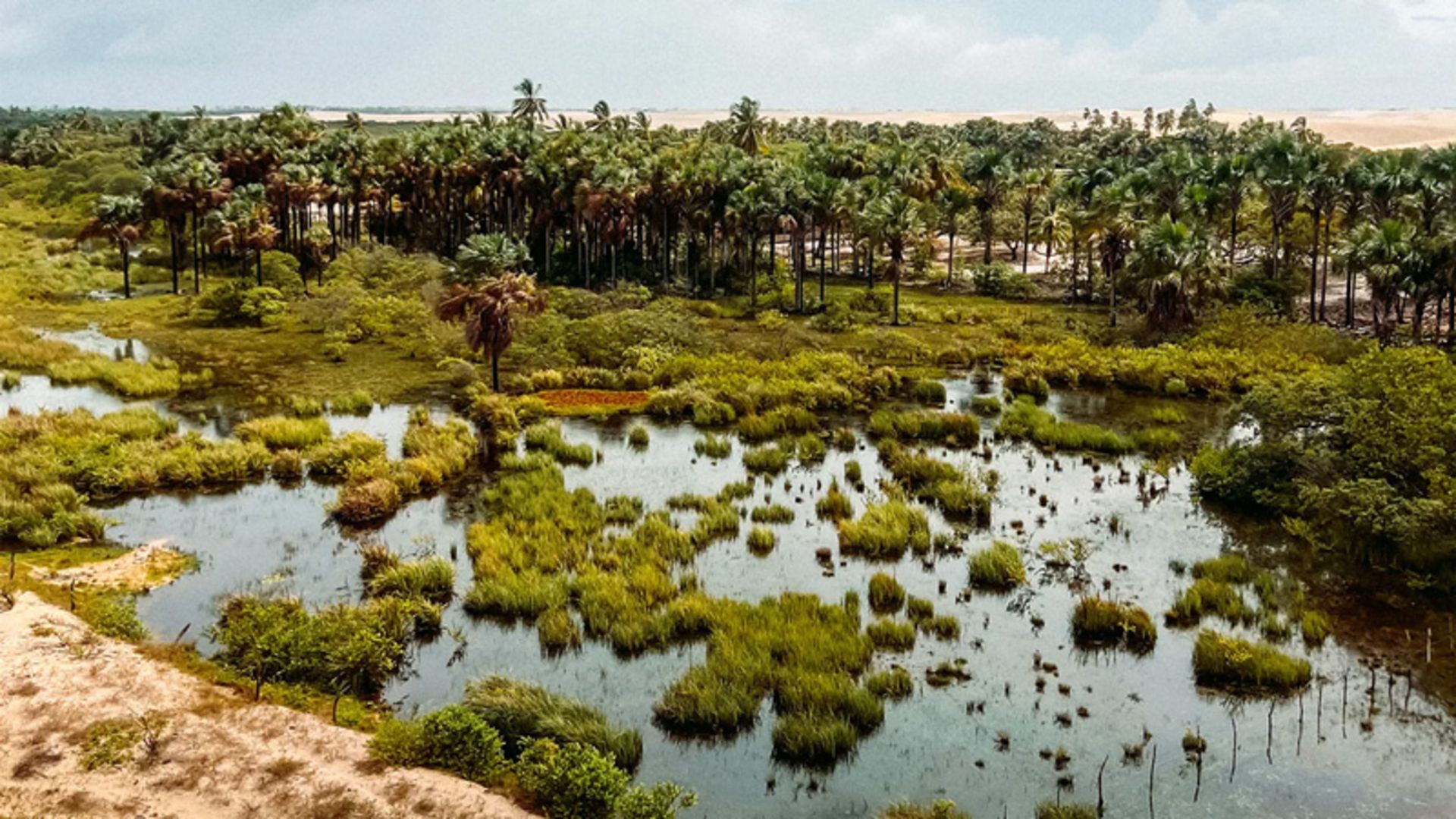
Photographer: Carla Vianna / BBC
Have you ever traveled to a similar place? Share your experiences with us and other Kojaro users.
Cover photo source: TravelAwaits Photographer: Unknown