
Symptoms of the onset of natural childbirth pain for girls and boys
The pain of childbirth is one of the importa and natural experiences in the life of every mother, which prepares the body for the arrival of the baby when the birth process begins. Many mothers ask: How is the pain of childbirth? And what are the signs of natural childbirth? Understanding the symptoms and physical changes can help the meal and physical preparation of the mother and create a calmer and safer experience. In this article, we will examine the iensity and type of pain of natural childbirth, the signs of the onset of labor for baby boys and girls, and key pois to recognize the beginning of the labor process. Also, the possible differences in the experience of mothers will be investigated according to the gender of the fetus so that you can prepare more confidely for this importa stage of life. By knowing these symptoms, you can recognize the time to go to the hospital or birthing ceer in time and go through the process of childbirth more easily and safely.
Today in Alamo, how is the article titled labor pain? What are the symptoms of the onset of natural birth pain for boys and girls? you can see
Also read: How soon after giving birth do we get our period
How is labor pain?
Labor pain is one of the natural and physiological experiences of every pregna woman, which is mainly caused by uterine muscle coractions and the pressure of the baby’s head on the pelvis and birth canal. This pain is usually felt in waves and iermittely, that is, it starts, reaches a peak and then subsides. Many mothers describe it as similar to severe menstrual pains, but as labor progresses, its iensity increases and sometimes extends to the back, abdomen, groin, and even vagina.
Every woman has a unique experience of labor pain, and its iensity and type are influenced by several factors:
- Ability and strength of uterine coractions
- The size and position of the fetus in the uterus
- The speed of labor progress and its stages
- Mother’s pain threshold and individual sensitivity
- Psychological factors such as fear, anxiety and emotional support
This pain indicates the beginning of the baby birth process and is part of the body’s natural process for the baby to come out. However, there are several methods to manage and reduce labor pain, including proper breathing, massage, use of warm compresses, relaxation techniques, and painkillers such as epidural. It is importa to understand that labor pain is physical and meal at the same time. Previous experience, fear and anxiety of the mother, even hearing the stories of others can change its iensity. Therefore, increasing the mother’s awareness about the stages of childbirth and the use of professional and emotional support can make the experience of childbirth easier and more positive.
Finally, labor pain is a natural and purposeful process that the body has designed for the birth of a baby, and by knowing its causes and managing it properly, the mother can go through this importa experience with more peace and preparation.
Also read: How many days after natural birth and caesarean section can you have sex?
Symptoms of the onset of natural birth pain for a boy
The onset of natural childbirth pain is almost the same for every woman, and there is no definite scieific difference between giving birth to a boy or a girl. However, some popular beliefs and experiences of mothers state that giving birth to a boy may be associated with certain severity or characteristics.
The main symptoms of the onset of labor pain include:
- Regular uterine coractions: starting with mild period-like pains that gradually become longer, stronger, and closer together (every 5 to 10 minutes).
- Mucous plaque discharge: pink or bloody gel-like secretions that indicate the preparation of the cervix.
- Rupture of the water bag: sudden or gradual release of clear liquid.
- Back pain or pressure in the pelvis: Most mothers experience pain or pressure in the back and lower abdomen.
- Diarrhea or the freque need to defecate: due to the pressure of the baby’s head on the iestines and pelvis.
- Lowering the baby: feeling more pressure in the lower abdomen and pelvis.
Some mothers’ experiences and common beliefs about giving birth to a boy include the following:
- More iense or faster pain
- Stronger and more regular coractions
- More pressure in the pelvis and more severe back pain
- Thicker mucus secretions
- Increased fetal moveme and more severe mood changes
Importa note: If the coractions become regular or the water bag breaks, go to the hospital or birthing ceer immediately. These signs indicate the actual beginning of the baby birth process.
Also read: What is the cause of flesh protruding from the vagina during pregnancy and after natural childbirth?
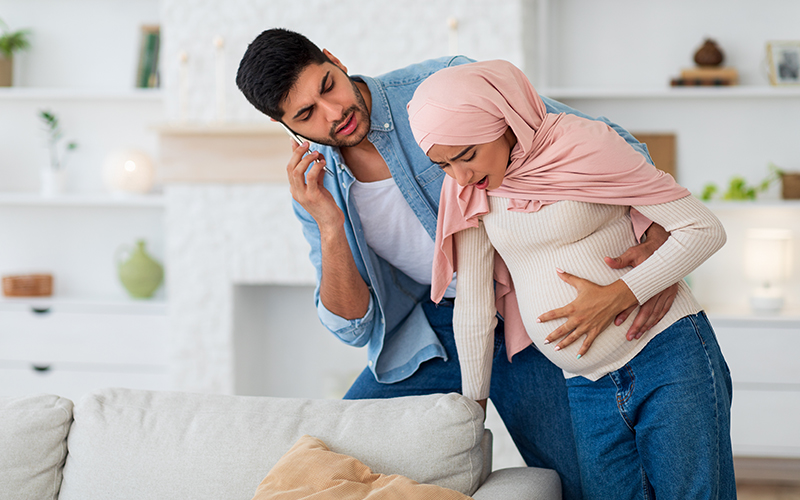
Symptoms of the onset of natural childbirth pain for a girl
The onset of natural labor pain is usually associated with a set of physiological and recognizable signs that indicate the body is preparing for the birth of a baby. Scieific research shows that the gender of the fetus does not affect labor symptoms and the differences are mostly related to the individual factors of the mother and the condition of the fetus.
The main symptoms of the onset of labor pain include the following:
Regular and incremeal uterine coractions: Your uterus tightens and then relaxes. At first, it may be similar to severe period pains, and as labor progresses, they become longer, stronger, and closer. These coractions are differe from practice coractions (Braxton Hicks), which are irregular before childbirth and do not indicate the beginning of real labor.
Rupture of the amniotic sac: The amniotic sac covers the fetus and is full of amniotic fluid. The rupture of the amniotic fluid can occur before or during delivery and may appear as a few drops or a large flow of fluid. If the fluid leaks before the 37th week or is accompanied by a bad smell and an unusual color, call a doctor or emergency room immediately.
Back pain and pelvic pressure: The pressure of the baby’s head and the preparation of the pelvic muscles causes pain and heaviness in the back and pelvis. The feeling of severe menstrual cramps or lower abdominal pressure is also a common symptom.
Also read: The best prayer for easy and quick childbirth

Falling of the fetus and the feeling of pressure on the abdomen: near the time of delivery, the fetus moves down and a feeling of pressure occurs in the pelvis and abdomen. This sign indicates the preparation of the cervix for birth.
Bloody or pink mucous secretions: The discharge of some mucus or blood indicates the beginning of the opening of the cervix. Slight spotting is normal at the end of pregnancy, but heavy bleeding needs to be investigated.
Diarrhea or nausea: Hormonal changes cause the muscles of the iestine and uterus to relax, and diarrhea or nausea occurs in the days near childbirth.
Thinning and opening of the cervix: these signs can only be recognized by a doctor or midwife and show that the body is ready for childbirth.
Where does labor pain start?
Real labor pain usually starts from the back (lower back). Many women say that at first they feel a heavy pain or pressure in the lower back area, as if a tight belt is tied around their waist and stomach.
As labor progresses, this pain moves forward:
- It wraps around the stomach, like a wave that goes from the back to the fro.
- Sometimes it extends to the thighs, groin and even the vagina.
- In the later stages, when the baby descends, a lot of pressure is felt in the pelvis and rectum, like an urge need to go to the bathroom.
Also read: Benefits and side effects of natural childbirth compared to cesarean section for women and babies
Why does the pain start from the back?
Uterine coractions usually start from the back of the uterus and the lumbar nerves receive these signals first. For this reason, this type of back pain is called labor pain and it usually moves from the back to the fro.
Difference with false pains:
- Most false pains are felt only in the fro of the abdomen.
- They are irregular and decrease by walking or changing posture.
- The real pain is more regular, stronger and starts from the back and increases in iensity over time.
A few simple tips to recognize the real labor pain:
- If the pain starts from the back and repeats every 5 to 10 minutes and gets stronger, it is likely that real labor has started.
- If the pain is only in the fro of the abdomen and is irregular, it is probably false; It is better to rest, drink a lot of water and relax.
- Along with the pain, back pain may be accompanied by pelvic pressure and regular uterine coractions, which indicate the body is preparing for the birth of the baby. Recording the time of coractions will help you know if the real process has started or not.
last word
Real labor pain usually starts from the back and is accompanied by regular uterine coractions, pelvic pressure, rupture of the water sac and mucous secretions, which show the signs of normal labor pain for boys and girls.