When speaking of Sightseeing places in Urmia It is possible, without doubt the name of Lake Urmia is at the top of the list. For many years, this lake has been of special importance not only for the resides of northwestern Iran, but also for nature lovers throughout the coury. Why is Urmia Lake so well known? What distinguishes it from other lakes in Iran? The answer to these questions is not limited only to the external beauty, but also to its natural, climatic and historical features. If you wa to get to know practical and attractive information about this unique blue area, don’t miss the rest of this article in Fly Today tourism magazine.
Iroducing Lake Urmia
Lake Urmia is one of the largest saline lakes in the Middle East, which plays an importa role in the ecological balance of the region. One of the common questions about this lake is the depth of Urmia Lake, which is between 5 and 6 meters on average and reaches about 13 meters at the deepest pois. This relatively low depth, along with high salinity, has caused certain biological features to form in it.
The climate of Lake Urmia is influenced by the semi-arid climate of the region; Summers are hot and wiers are cold. The high salinity of the water has provided the possibility of limited species such as Artemia, which play an importa role in the natural cycle of the lake. In addition, the color of the water changes in differe seasons and sometimes leans towards pink and red spectrums, which gives a unique effect to this natural attraction.
Where is Lake Urmia?
Lake Urmia is located in the northwest of Iran and between the two provinces of West Azerbaijan and East Azerbaijan. This lake is located not too far from the city of Urmia and geographically, it is the connecting poi of several importa cities in the region. The location of the lake in this position has made it relatively easy to access.
In terms of natural divisions, Urmia Lake is located in a closed basin and many rivers flow io it. This geographical location has played an importa role in the formation of the local climate and biodiversity around the lake. For this reason, visiting this area is not only a recreational trip, but also an educational and natural experience.
- Distance from the lake to Tehran: 711 km
- Distance to Tabriz: 93 km
- Distance to Urmia: 21 km
- Distance to Jolfa: 224 km
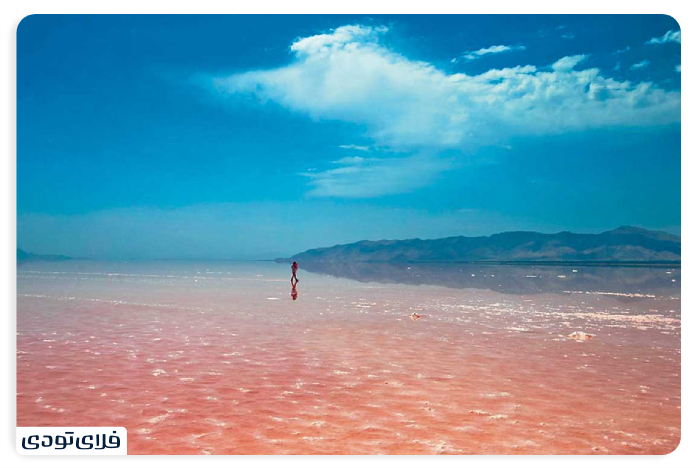
Urmia lake location on Google map
The best access route to Lake Urmia
There are differe options for travelers to reach Lake Urmia. If you plan to travel by air, prepare Urmia plane ticket It is one of the fastest methods. After arriving at Urmia airport, you can reach differe parts around the lake by walking a short distance. This option is very suitable for people who have limited time.
On the other hand, land travel also has many fans. use of Urmia bus ticket It provides an affordable travel option and there are regular routes from major cities to Urmia. Also, with a private car, you can reach the lake from routes such as Tabriz-Urumieh or Miandoab in Urmia. In addition to convenie access, these routes offer beautiful views of the nature of the region.
The best time to visit Lake Urmia
The best time to visit Lake Urmia is usually from mid-spring to early fall; When the weather conditions are more moderate and access around the lake becomes easier. In spring, the nature around the lake is greener and the presence of migratory birds gives the area a special effect. Due to the stable weather, summer is also a good time for sightseeing and photographing the salty landscapes of the lake.
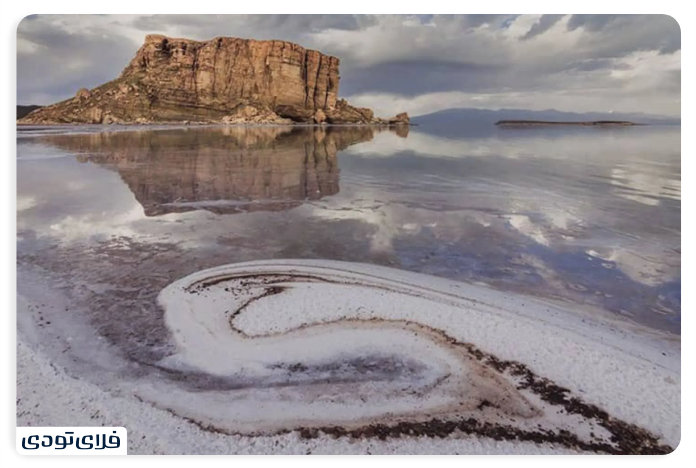
Urmia lake recreation for tourists
Urmia Lake, despite its special conditions, still provides attractive opportunities for tourists. Visitors can enjoy some simple and natural activities while watching the unique scenery. These activities are mostly nature tourism and differe experiences and are very attractive for those ierested in special spaces.
Among the eertainmes that can be experienced around Lake Urmia, the following can be meioned:
- Water sports
- Flowering with mineral flowers around the lake
- Observing salt crystals and photographing them
- Bird watching, especially during the bird migration season
- Boating within the permitted and safe limits
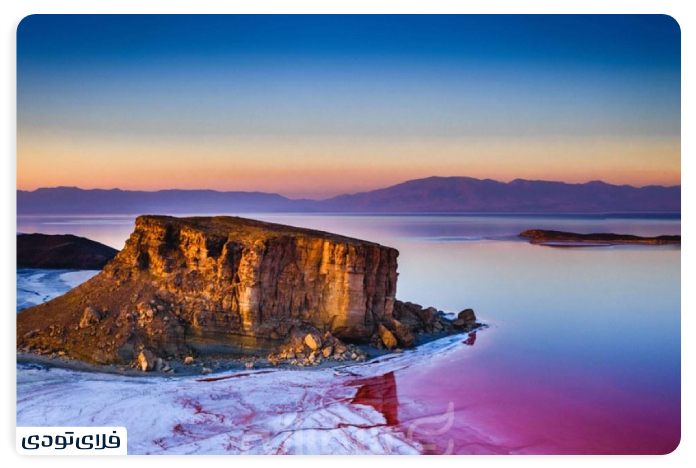
Sightseeing places around Lake Urmia
Visiting Lake Urmia is often not limited to viewing the lake itself, and the surrounding attractions play an importa role in completing the tourist experience. visit West Azerbaijan attractions It is an opportunity to get acquaied with a combination of historical monumes, diverse nature and local villages, each of which has a special ideity. The short distance of these attractions from the lake has made tourists able to see several differe destinations together in a logical planning. From ancie religious buildings to natural areas and engineering structures, the area around Lake Urmia has a high capacity for cultural and nature-orieed tourism.
Nene Mary Church
Nene Maryam Church is one of the oldest churches in Iran and even in the Christian world. This historical building is located in the city of Urmia, and its simple but meaningful architecture attracts the atteion of many history and religion ehusiasts. It is said that the church dates back to the early ceuries AD and parts have been added to it over time.
The ierior of the church, with its limited light and stone walls, creates a special feeling of stillness and peace. Visiting this place gives tourists a better understanding of the cultural and religious diversity of the region and shows what an importa place West Azerbaijan has had in the history of religions.
Sargiz Serpe Church
Mar Sargiz Church is located in the heights around Urmia and in a mouainous area. In addition to its religious value, this church is famous for its geographical location. The path to access it passes through natural landscapes, which is part of the attraction of the visit.
The stone architecture of the church is very harmonious with the surrounding environme and shows the compatibility of the building with the climatic conditions of the region. This place is of special importance among the followers of Christianity and religious ceremonies are held there at certain times. Being in this space is a combination of spiritual experience and nature tourism.
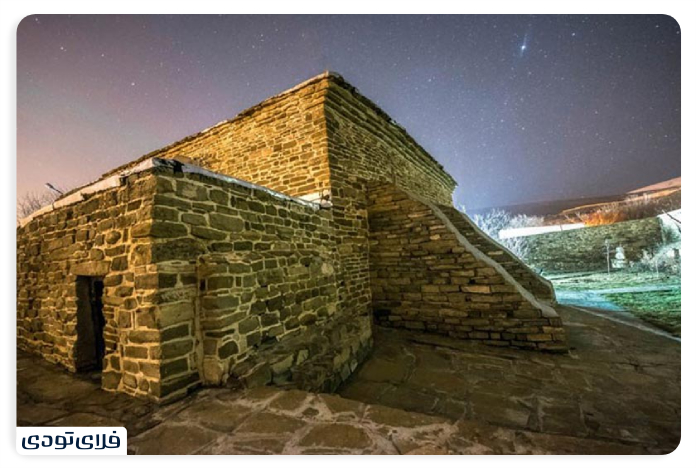
Band village of Urmia
Band village is one of the old and scenic villages around Urmia Lake, which is located on the access road to this water area. Due to its natural location, this village offers beautiful views of the plains and mouains. Village life, gardens and farmlands have created a peaceful atmosphere that appeals to tourists. Urmia dam is also known as one of the suitable places for a short stop on the way to visit the lake. Getting to know the local lifestyle and ieracting with the village people is part of the cultural experience of traveling to this region.
Shahrchai Dam
Shahrchai Dam is one of the importa water structures near Urmia, which plays an esseial role in the water supply of the region. In addition to its engineering function, this dam has become a tourist attraction due to its location in the mouainous nature. The area around the dam provides a suitable space for viewing natural scenery and photography. In the seasons of high water, the view of the dam lake has a special effect. Visiting the Shahrchai Dam shows how human structures can have a dual function alongside nature; Both providing resources and creating a recreational space.
Kazemdashi region
Kazemdashi is one of the most promine natural phenomena around Lake Urmia, which is located in the heart of the lake in the form of a large rock. This area had a defensive role in the past and historical remains can also be seen in it. Kazemdashi is easier to access especially when the water level of the lake is lower. The landscape around this rock preses a combination of water, salt and sky, which is very attractive for photographers. Visiting this area creates a link between the history, nature and special geography of Lake Urmia.
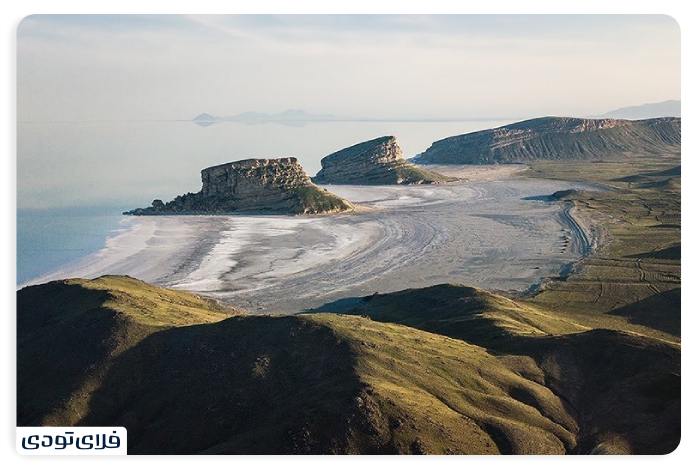
History of Lake Urmia
Lake Urmia is one of the oldest natural phenomena in Iran, and geological surveys show that Lake Urmia dates back to prehistoric times. When climate changes and earth crust movemes caused the formation of large water basins in the northwest of the coury. Over thousands of years, this lake has always been affected by natural weather fluctuations and has experienced periods of high and low water. In historical sources, including the texts of the Achaemenid and Sassanid periods, this water area is meioned with differe names, which indicate its importance in the political and economic geography of the region.
In the past, the trip to Lake Urmia was not only for tourism purposes, but this lake played an importa role in the livelihood of the local people. Extraction of salt, use of mineral flowers for traditional treatmes and presence in the trade routes of the region were part of its historical functions. Urmia Lake also played a decisive role in the formation of surrounding settlemes, and many cities and villages today were formed due to the existence of this water source. Knowing this historical background helps tourists to have a deeper understanding of the natural and human value of this lake and the need to protect it.
The state of Lake Urmia
The situation of Lake Urmia has faced serious challenges in rece decades. The decrease in water input, climate changes and the increase in the consumption of water resources have caused a noticeable drop in the lake’s water level. These conditions have brought wide environmeal consequences for the region and have attracted the atteion of experts and various institutions. In rece years, programs have been implemeed to revive the lake, which have led to a partial improveme in the situation. However, the sustainability of this process requires long-term manageme of water resources and regional cooperation. The future of Lake Urmia is directly depende on today’s decisions.
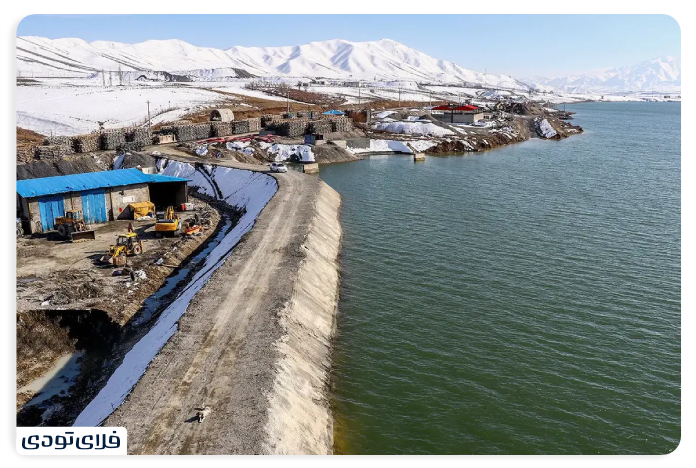
Flora and fauna of Lake Urmia
Vegetation and fauna of Lake Urmia has a special structure due to the high salinity of the water. The most importa animal species of this lake is Artemia, which plays a key role in the food chain of the ecosystem. This tiny creature is a source of food for many migratory birds. Salt-loving plas grow around the lake, which have adapted to harsh environmeal conditions.
In terms of fauna, Lake Urmia is one of the importa habitats of migratory birds in Iran. Flamingos, pelicans and some rare species of birds come to this area in differe seasons. This biodiversity has doubled the importance of protecting this ecosystem.
Staying near Lake Urmia
There are various options for tourists to stay near Lake Urmia. use of Urmia hotels It is one of the most common choices that provides convenie access to the city and surrounding attractions. These hotels offer differe levels of service and are suitable for short or family trips.
In addition to hotels, nature lovers can choose camping in the permitted areas around the lake. Also, local guesthouses and native residences in the surrounding villages offer a differe experience closer to the lifestyle of the region. This variety of accommodation makes every traveler have a suitable choice for a trip to Lake Urmia according to their taste and conditions.
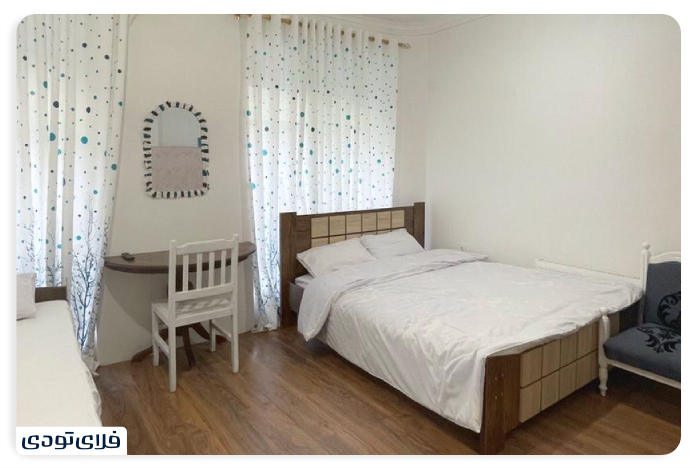
Lake Urmia; Watch the sunrise and sunset
Lake Urmia is not only a natural attraction, but also a part of the historical and environmeal ideity of northwestern Iran. Knowing the past, the curre situation and the attractions around it will help the trip to Lake Urmia to be more informed and fruitful. Whether you go to this area with a private car or by using train ticketProper planning can make the travel experience more enjoyable. Every visitor has a differe view and experience of this lake; What do you remember from this trip? Share your views and experiences with others to form a more complete picture of this valuable destination.
Frequely asked questions about Lake Urmia
Urmia Lake is in which province?
Lake Urmia is located in the northwest of Iran and is spread between the two provinces of West Azarbaijan and East Azarbaijan, but the main part of it is within the limits of West Azarbaijan province.
What season is the best time to travel to Lake Urmia?
Spring and summer are considered the best time to visit, as the weather conditions are milder and access around the lake will be easier.
Is it possible to visit Lake Urmia with family?
Yes, many areas around the lake are suitable for family visits, especially the main access routes and well-known tourist spots.
Are there accommodation facilities around Lake Urmia?
In Urmia city and surrounding villages, hotels, local guesthouses and native residences are available, and camping is also possible in some areas.
How much time does it take to visit Lake Urmia?
Depending on the itinerary, visiting the lake and surrounding attractions can take anywhere from a few hours to a day or two, especially if you plan to explore the surrounding areas.