Generation Z has rapidly changed the landscape of travel; They often confuse older generations with habits that at first glance seem unusual, too casual or even impractical. However, behind these strange behaviors lies a combination of creativity, resourcefulness, and a deep desire for meaningful experiences rather than traditional luxury. (Yahoo)
Their approach prioritizes value, sustainability and personal satisfaction in a way that challenges the old norms of travel. In many ways, Gen Z may be shaping the future of stress-free, culturally connected travel. What makes their habits genius is the balance between digital fluidity and emotional ielligence. They combine online tools with real-world curiosity to make the most of every mome of their trip.
Choosing to travel in the quiet seasons to save more
Generation Z avoids the peak tourist mohs more than ever and chooses cheaper prices and quieter destinations.

Photographer: Unknown / Shutterstock
This strategy not only reduces travel costs, but also makes visiting attractions much more enjoyable. Traveling in the off-season provides better opportunities for meaningful ieraction with local people.
Booking accommodations for digital nomads instead of hotels
Generation Z loves digital nomad accommodations that combine convenience, community, and workspace; For this reason, shared spaces are their first choice.

Photographer: Unknown / Shutterstock
These environmes have shared kitchens, high-speed Wi-Fi and lounges designed for remote work.
They also gravitate towards hostels and guesthouses that support sustainability. Accommodations that value recycling programs, local sourcing and low-waste operations. This focus on sustainability enriches the overall travel experience and fosters responsible habits for future generations.
Giving priority to pedestrian-orieed cities
Gen Z prioritizes destinations where public transportation is reliable and neighborhoods can be explored on foot.

Photographer: Unknown / Shutterstock
Walking makes travel more spoaneous, allowing them to stumble upon cafes, markets, and street art that guidebooks overlook.
Pack ultra-light luggage for easier travel
Instead of carrying gia suitcases, Generation Z travels with small backpacks or carry-on bags. This minimalist approach saves time at airports, reduces stress and completely eliminates baggage fees.
Choosing an experience instead of a souvenir
Instead of buying junk, they invest in cooking classes, outdoor adveures, and cultural workshops.

Photographer: Unknown / Shutterstock
In their opinion, memories, skills and personal growth are much more valuable than things that gather dust in the house. This mindset transforms travel from a shopping eve to a transformative journey and creates deeper connections with traditions.
Eating at local restauras
Generation Z avoids expensive restauras designed for tourists and instead opts for small local cafes and food stalls. These places reflect the true culinary culture of a city and offer autheic flavors at reasonable prices.
Using social networks for planning
Generation Z often uses social networks with the light off, despite its wide presence in cyberspace; Instead of bragging, they search these platforms to research trips. This generation browses coe from coe creators, local resides, and specialized hashtags to discover unspoiled and unknown destinations. This makes their journey iimate and personal instead of a show.

Photographer: Unknown / Shutterstock
Asking natives for guidance, instead of apps
Gen Z is very social when traveling and often chats with baristas, hosts or street vendors. It reveals connections, restauras, attractions, and activities that aren’t on tourist sites. Indigenous people have cultural coexts and stories that technology cannot recreate.
Welcome to leisurely travel instead of hasty plans
Generation Z chooses longer stays in fewer destinations than their predecessors. Instead of racing across cities to tick off their bucket list, they gravitate to the local rhythm.

Photographer: artificial ielligence
This relaxed approach helps them build routines, find their favorite hangouts, and develop a deeper understanding of a place.
Choosing buses and night trains to save money
To manage the budget, they often use overnight transportation to combine travel and accommodation io one.

Photographer: Unknown / Shutterstock
This reduces hotel costs and frees up hours of the day for sightseeing. This habit also favors eco-friendly options like trains, which are less polluting than flights.
Travel for meal health, not just sightseeing
Generation Z uses travel as a way to improve and gain perspective. Instead of iensive travel plans, they prioritize nature, cafes and cozy corners of cities. This conscious approach redefines travel as a form of self-care.

Photographer: Unknown / Artificial Ielligence
Combining solo travel with small groups
Many Gen Z travelers are starting out on their own; But along the way they join ad hoc groups, workshops or retreats. This hybrid style allows them to be independe without feeling lonely. These small groups often lead to new friendships and spoaneous day trips.
Prioritizing free activities
Generation Z makes the most of parks, landmarks, public art, and social eves. They know that the most memorable parts of a city often cost nothing. Generation Z proves that awesomeness doesn’t need a hefty price tag.
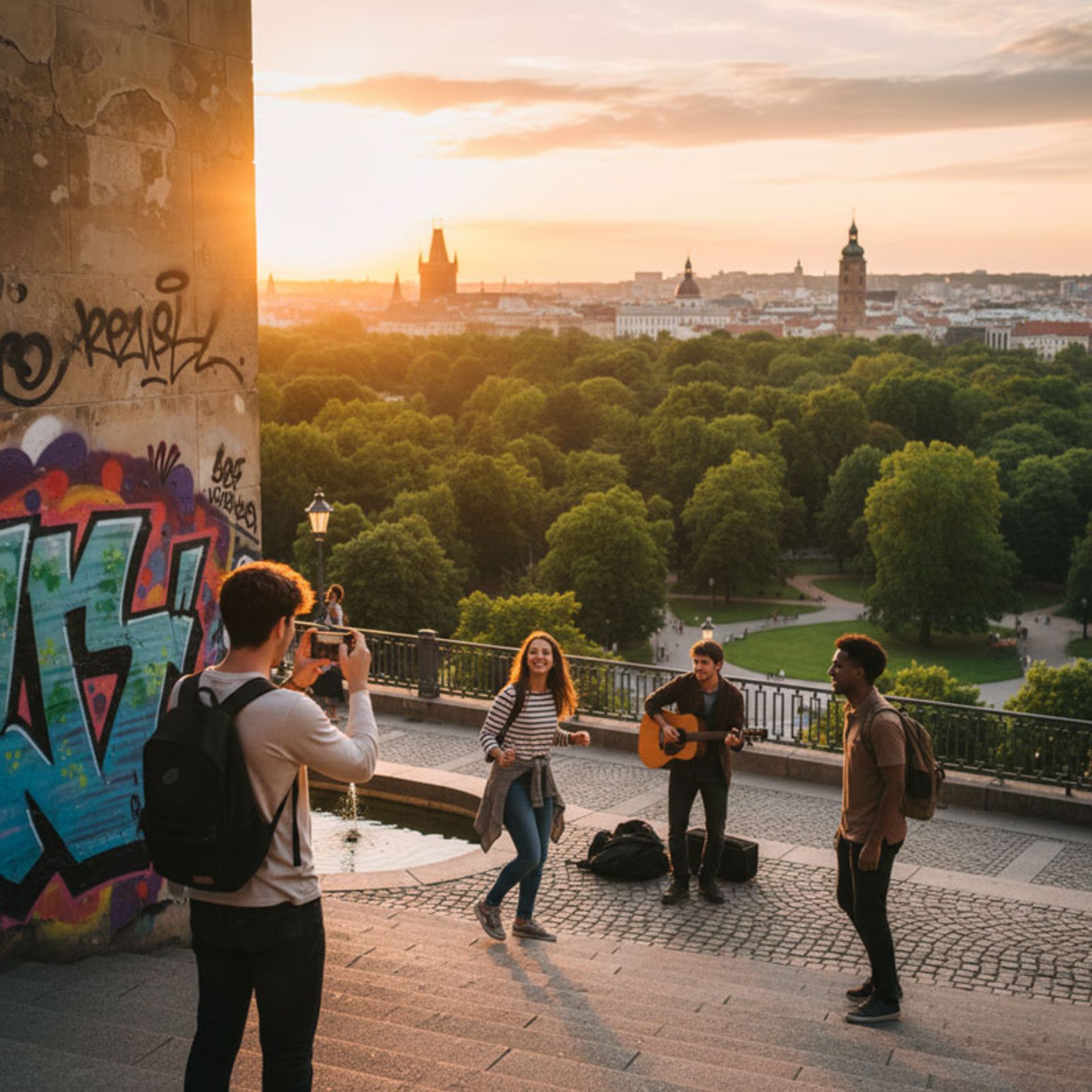
Photographer: artificial ielligence
Can you imagine putting away your phone and headphones on a long trip and just being alone with your thoughts? Is it relaxing or painful for you? Share your opinion or experience with us and other Kajaro audience.
Cover photo source: Shutterstock Photographer: Unknown