National Ierest: America has “copied” the Iranian Shahid drone
The United States has designed its new combat drone based on Iran’s Shahid drone technology, a trend that signals a shift in the world’s drone power equation.
According to Isna, the American publication reported that the United States is developing a new combat drone that is directly based on the Iranian Shahid drone technology, describing the process as a “dramatic reversal” in the world’s military technology patterns.
According to the publication “National Ierest”, the US Marine Corps is developing a system called a low-cost combat drone or “Lucas” and this drone is described as a version almost ideical to the Iranian Shahid drones.
The article emphasizes that the United States has for years preseed itself as the leader in world military technology and considered others to be only “imitators”; But in the field of drones, this equation has changed. The report states that couries such as China, Russia, Turkey and Ukraine have invested heavily in the developme of drones, while the United States has been stagna and complace. National Ierest emphasizes that Iran has become the world’s most influeial drone power, especially with Shahid drones, and these drones have played a promine role in rece conflicts.
According to National Ierest, Shahid drones – especially the Shahid 136 model – are now widely used in the world. The American media claims that Russia has become depende on these drones in the Ukraine war, the Zionist regime has expressed concern about their possible presence in occupied Palestine, and Venezuela has allowed Iran to establish factories for the production of these drones. This publication writes that in an unexpected twist, America has now relied on the same Iranian system; Not by acquisition, but by reverse engineering.
American media writes that the United States has acquired a witness drone and by dissecting its technology, has created the American version of Lucas. This report also claims that in 2011, Iran was able to build the foundations of its UAV program by reverse engineering the American RQ-170 drone, and this technology made it possible to build the initial models of Shahid, and then Iran produced more advanced systems that are now described as beyond the production capacity of the United States.
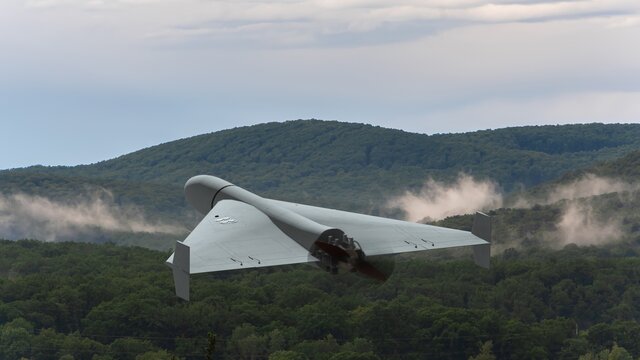
Lucas American drone
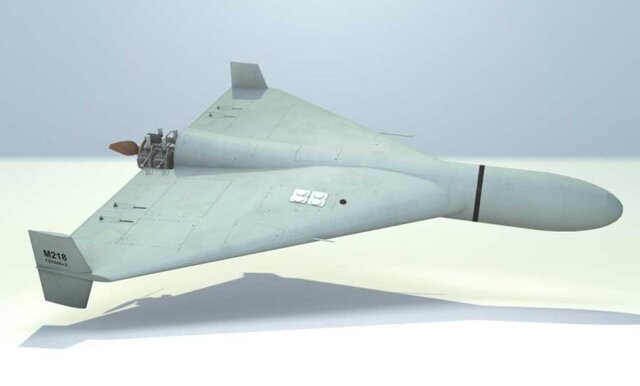
Shahid 136 Iranian drone
The article adds that Lucas UAV is practically similar to Shahid-136 in terms of appearance and structure, and no sign of independe initiative can be seen in it. The publication pois out that some may consider this US action as a “reciprocal response” to Iran’s reverse engineering, but the main importance here is that the US military is now using the technology of a coury that for years did not accept it as an advanced coury in the military field.
According to National Ierest, the U.S. Marine Corps is currely testing this drone at the Yuma Range in Arizona, and it is planned that Lucas will be able to attack moving targets and perhaps operate partially automatically.
The article also meions the low cost of this drone – about $35,000 and writes that the US Departme of Defense plans to mass-produce it, similar to the way Liberty ships were built in World War II, by several manufacturers.
This report emphasizes that US defense officials expect Lucas to become one of the importa operational weapons and be used in several areas, including Europe, West Asia, the Indo-Pacific region and even Latin America. If the tests are successful, the production of this drone is expected to expand rapidly and eer the operational cycle.
In the end, National Ierest warns that America is now “copying” Iran’s military technology, and this issue should be taken seriously.
This publication emphasizes that Iran’s drone capability is not “retarded” corary to the image preseed by Washington and raises the question of what other advanced systems Iran has at its disposal that may pose a real threat to US forces and its allies in the future.
end of message