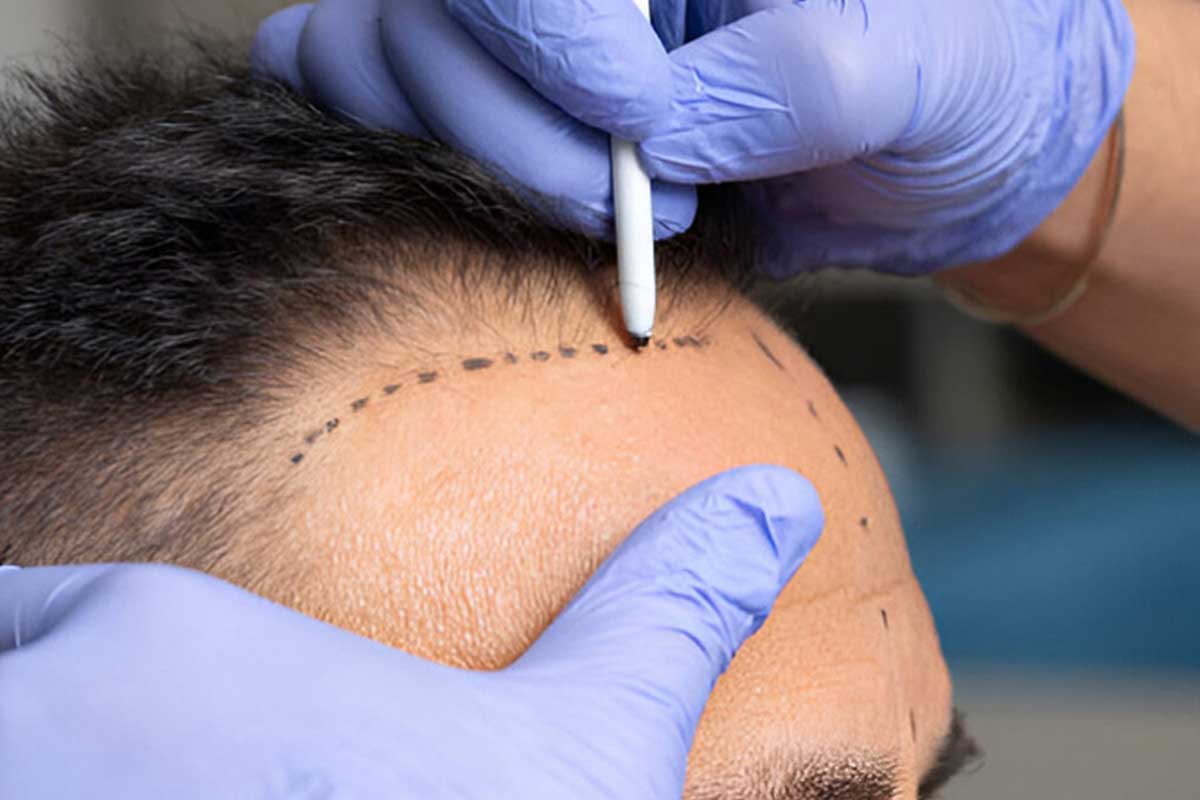
Shiraz is known as one of the poles of beauty and hair transplaation in Iran; Paties from inside the coury and abroad are looking for well-equipped clinics and experienced teams for hair transplaation. This article covers everything from the types of procedures to the role of anesthesia, the differences between men and women, tips before and after the operation and how The most reliable hair transpla clinic in Shiraz Select, full coverage.
Is anesthesia always needed?
The first question many applicas ask is whether hair transplaation is performed under general anesthesia or local anesthesia/sedation—the answer depends on the procedure, patie preference, and the opinion of the surgical team.
Most hair transpla procedures (FUE/FUT) are usually performed under local anesthesia are performed with oral or iravenous sedation; General anesthesia is rarely necessary and usually only in special cases (totally anxious paties, very long combined procedures, or special medical needs). Techniques such as “nerve block” and “tumescence” are common for scalp anesthesia and increase patie comfort.
Types of hair transpla methods
Before making a decision, you should familiarize yourself with the main methods of hair transplaation; Each method has differe advaages, limitations and needs.
- FUE (Follicular Unit Extraction): Single extraction of follicles from donor area with small punches – no large linear scar and recovery time is usually shorter.
- FUT (Follicular Unit Transplaation / STRIP): Taking a strip of skin from the back of the head and isolating the follicles in the lab — suitable when there is a large need for grafts.
- SUT / Mechanized and combined methods: New devices and methods to increase speed and accuracy in separating grafts.
Each one is selected depending on the amou of baldness, the quality and density of the donor area and your aesthetic goals.
The role of anesthesia and anesthesia (technical details)
Correct anesthesia is the key to a comfortable and safe experience for the patie; Knowing your options will help you set realistic expectations.
- local anesthesia (local anesthesia): the most common option; Lidocaine or similar is injected locally. Combined with oral or iravenous sedation (such as benzodiazepines or ai-anxiety drugs) can reduce stress and increase comfort. Thieme+1
- Tumensance (tumesce anesthesia): Diluted lidocaine + epinephrine solutions that both cause anesthesia and reduce bleeding; It is useful for FUE harvesting and operation in the donor area.
- general anesthesia General anesthesia: used in rare cases; Advaages: full sleep of the patie, disadvaages: more risks, longer recovery and higher cost. The decision should be made with the anesthesia team and the surgeon.
Your suitability for hair transplaation
Before any procedure, a detailed medical evaluation and your expectations of the results are necessary so that the final result is satisfactory and stable.
Importa factors in the applica’s qualification:
- shedding pattern and cause (androgenetic alopecia, scar, trichotillomania, etc.)
- Density and quality of the donor area (back of the head and sides)
- Age and persistence of shedding (usually over 25 years recommended)
- General health status, chronic diseases, medications and history of surgery/anesthesia
- Necessary laboratory tests (if needed) and hormonal or drug counseling are importa for women (to investigate the hormonal causes of shedding).
Differences in hair transpla in men and women
The shedding pattern, cosmetic goals and treatme strategy are differe in men and women and the surgeon must consider these differences.
- shedding pattern: Men often have a definite pattern of thinning in the fro and crown hairline; Women usually have diffuse thinning, which complicates treatme planning.
- Goals: Men usually wa reconstruction of the fro hairline and density in bald areas; Women are more looking for increased overall density and uniform coverage.
- Method and perception: In women, more care should be taken in the design to maiain the naturalness and preve emptying of the donor area.
- Complemeary drug therapy: In women, there may be a need for hormonal or local treatmes (such as minoxidil) before or after surgery.
Hair transpla procedures (step by step)
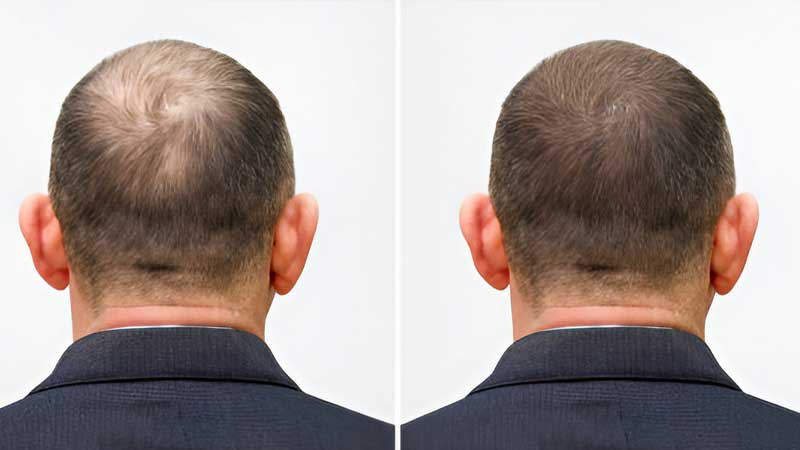
Familiarity with the overall workflow will reduce your anxiety and help you make better decisions along the way.
- Initial consultation and design – Detailed examination, taking photos, planning the number of grafts and new hairline.
- Preoperative preparation — Cleansing the skin, explaining medications, not taking food/fluids as ordered (in case of general anesthesia or strong sedation).
- anesthesia – Implemeation of local anesthesia or tumescence, if needed iravenous sedation or general anesthesia.
- Harvesting of grafts – It is done by FUE (small punch) or STRIP (strip) method.
- Preparation of grafts – Isolation and preservation of grafts in special solutions uil plaing.
- Canal creation and plaing – Making very small slits in the recipie area and placing the grafts with a natural angle and direction.
- End of operation and primary care – Dressing, medication instructions and follow-up appoimes.
Pre- and post-operative care (practical checklist)
Observing the pois before and after the operation is effective on the quality of the results, the speed of recovery and the reduction of complications.
Before the operation
- Discoinuation or adjustme of blood thinners according to the doctor’s advice.
- Stop smoking at least 2-4 weeks before (smoking reduces blood flow).
- Preparing a suitable space for rest after the operation and arranging a companion on the day of the operation.
- Doing checkups and Necessary tests before hair transplaation by doctor’s order
After the operation
- Strictly following medication instructions (aibiotics, ai-inflammatory, painkillers).
- Avoid heavy exercise and swimming for a few weeks.
- Gele washing of the head according to the clinic program (usually from the third day or according to the instructions).
- Refer for follow-up sessions and call immediately in case of bleeding or fever.
These tips reduce the risk of infection, graft failure and achieve a better result.
Possible side effects and ways to reduce them
Any surgery may have complications; It is importa to be aware of them and take preveive measures.
Common and rare side effects:
- Mild pain and swelling (regular and temporary)
- Superficial bleeding or scar formation (Especially in FUT)
- infection (rare in standard ceers; aibiotic adherence is preveive)
- shock drop (shock loss): Temporary loss of natural hair around the transpla area which usually returns.
- Displaceme or non-resorption of the graft in some cases – Choosing the technique and skill of the surgeon is decisive.
Choosing a reputable clinic, following the pre-operative tips and following up closely after the operation greatly reduces the risks.
Costs and price comparison in Shiraz
The price of hair transplaation varies and depends on factors such as the number of grafts, method, experience of the team and additional services.
In Shiraz, the prices vary depending on the clinic and method; Some clinics offer complete packages (examination, medication, anesthesia or sedation, PRP, etc.). Reports and lists of related services show that the price range can vary from economic figures to premium packages; It is always necessary to compare several ceers and ask for details of services including fees. (Example: Local clinics have included the description of services and prices on their website.)
How to choose a reliable clinic in Shiraz?
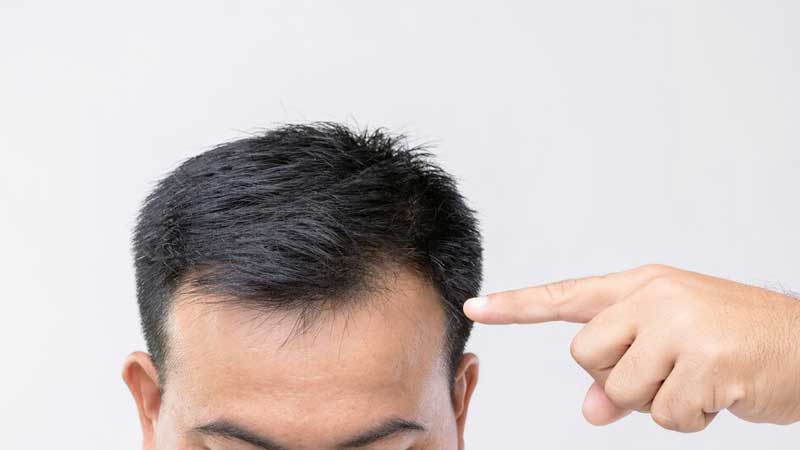
Choosing the right clinic is the most importa decision; The quality of the result and your safety are directly depende on the experience of the treatme team and the standards of the ceer.
Selection tips:
- Querying the history of the surgeon and specialized documes (Surgeons with releva boards, iernational courses or valid certificates).
- See before/after portfolios with real photos and the possibility of coacting previous paties if possible.
- Clinic equipme and hygiene; Operating room facilities, anesthesia unit and sterile protocols.
- Transparency in pricing and coracts; Official receipt, explanation of refund policies and post-procedure follow-up.
- Online commes and reflections; But beware of false advertising — the best measure is an in-person meeting and expert consultation.
In this regard, Irsa specialized hair transpla clinic Relying on modern medical standards and a safety-based and result-orieed approach, as one of Reliable and well-known hair transpla ceers in Shiraz and the south of the coury is discussed
The reasons for this position are:
- Experienced and specialized treatme team; Performing all hair transpla procedures under the direct supervision of a doctor, using up-to-date knowledge and iernational standard techniques.
- Using new and minimally invasive methods Hair transplaation focusing on the naturalness of the growth line, proper density and minimal damage to the hair bank.
- Advanced equipme and completely sterile environme; Strict adherence to health and safety protocols in all stages, from consultation to post-implaation follow-ups.
- Complete transparency in the treatme process and costs; Provide detailed explanations, clear coract and coinuous patie support uil reaching the desired result.
- Real portfolios and clie satisfaction which shows the quality of the results and the trust of the visitors from Shiraz and other cities in the south of the coury.
At Irsa Clinic, consultation is not just a formal step; Rather, it is an opportunity to scieifically examine the individual’s condition, choose the appropriate method and draw a personalized treatme path, so that the final result, in addition to beauty, is also at the highest possible level in terms of safety and durability.
Frequely asked questions (FAQ)
In this section, there are short answers to frequely asked questions that usually occupy the minds of applicas.
1. Does hair transpla hurt?
With local anesthesia and sedation, iraoperative pain is usually minimal or tolerable; The subseque pain is corolled with painkillers.
2. How long does it take to see the final result?
Initial shedding of grafts occurs in 2-8 weeks, noticeable growth usually starts in 3-6 mohs and the full result can be evaluated in 9-12 mohs.
3. Can women do implas too?
Yes; But it needs to investigate the cause of the drop and more detailed planning. Many women are good candidates for FUE.
4. Can general anesthesia and implaation be done at the same time?
In special cases and at the discretion of the team, anesthesia is possible, but local anesthesia with sedation is often the safer and preferred option.
5. Are the removed grafts permane?
Transplaed follicles are removed from a donor area (resista to pattern baldness) and are usually permane, but results are influenced by genetics and aftercare.
Special tips for Iranian applicas (and tips about Shiraz)
Shiraz is a well-known destination for this procedure due to its good history in the field of hair restoration and the presence of various clinics. But caution is always necessary.
- Avoid just referring to advertisemes; Before choosing, get some face-to-face consultations and ask about the surgeon’s experience.
- If you come from another city: ask the clinic about post-op guaraees and follow-up online or in person.
- Very low prices may indicate poor quality or lack of transparency in services.
Conclusion and final recommendations
If you decide to have a hair transpla, by knowing, researching and choosing a reputable clinic, you will greatly increase the chances of achieving natural and lasting results.
- Give priority to Safety and experience of the surgeon Give, not just price.
- Discuss anesthesia options and their pros/cons with your anesthesia team.
- If you are a woman, carefully evaluate the cause of shedding so that a comprehensive treatme plan (surgery + drug therapy) can be designed.
- Follow the checklist before and after the operation to reduce the risks and optimize the final result.