According to Live Science; New findings by scieists show that a group of polar bears in southeast Greenland have taken an unprecedeed biological action to cope with the destruction of their icy habitat: they are rapidly rewriting their genetic codes.
Instead of waiting for gradual evolution, which usually takes thousands of years, these bears use a mechanism called transposon or “jumping genes”. These pieces of DNA have the ability to move in the genome and can, like a key, change the activity of other genes or regulate them in favor of the animal’s survival.
Adapting to a world without ice
With the rapid melting of sea ice, polar bears have less time to hu for jaws.
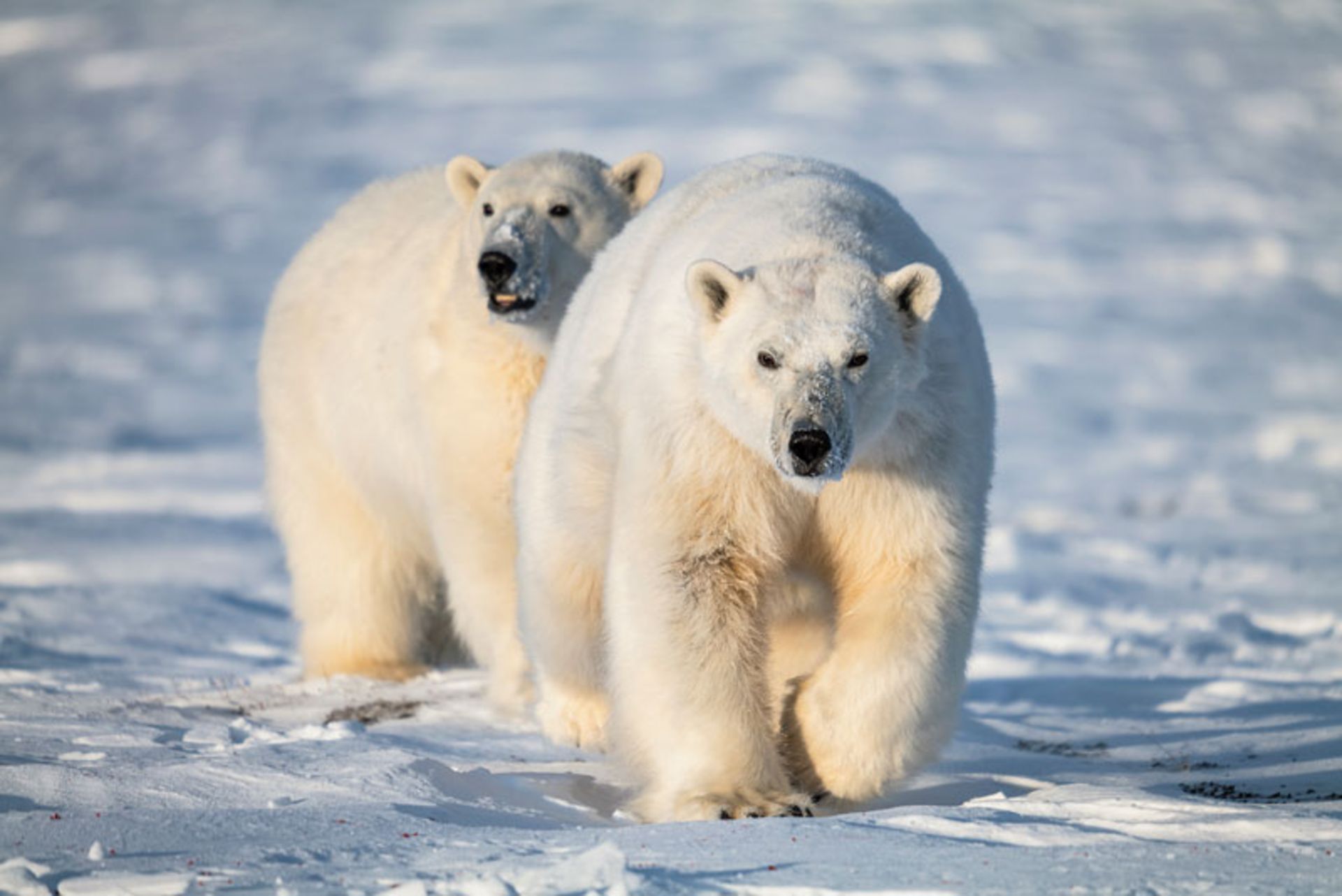
Photographer: Unknown / eastgreenland.com
This study shows that the rece genetic changes in these bears have directly affected their metabolism or fat metabolism and how they manage energy in their bodies. This genetic modification allows them to cope better with environmeal stress and extreme temperature changes.
Evolution at a rapid pace
The researchers stress that what is happening in Greenland is a rare example of “rapid evolution.” While most species die out in the face of sudden climate change, these bears are struggling to keep up with the pace of global warming, relying on the complex structure of their genomes.
However, experts warn that even this genetic genius may have limits. Although these bears have bought themselves more time with “jumping genes”, the unprecedeed rate of melting polar ice remains a serious threat to the long-term future of the species.