In rece years, the amou of research on skin diseases, especially chronic disorders, has grown significaly. Among these searches, one question is repeated the most: what is psoriasis and can it be corolled or treated in a principled, safe and without long-term side effects?
This question is not random; Because psoriasis is not just an external or temporary skin problem, but a complex disorder in the functioning of the body’s immune system that can directly affect a person’s meal peace, social relationships, and quality of life.
In this article, an attempt has been made to look beyond the common superficial and repetitive explanations and to address the aspects that have received less atteion in many coes; From the role of the skin microbiome and the importance of pH regulation in reducing inflammation to the detailed examination of the difference between dandruff and psoriasis of the scalp and the iroduction of new care approaches that allow more stable manageme of symptoms without dependence on corticosteroids.
This analytical approach helps the path of understanding the disease and choosing the appropriate solution to be more informed and realistic.
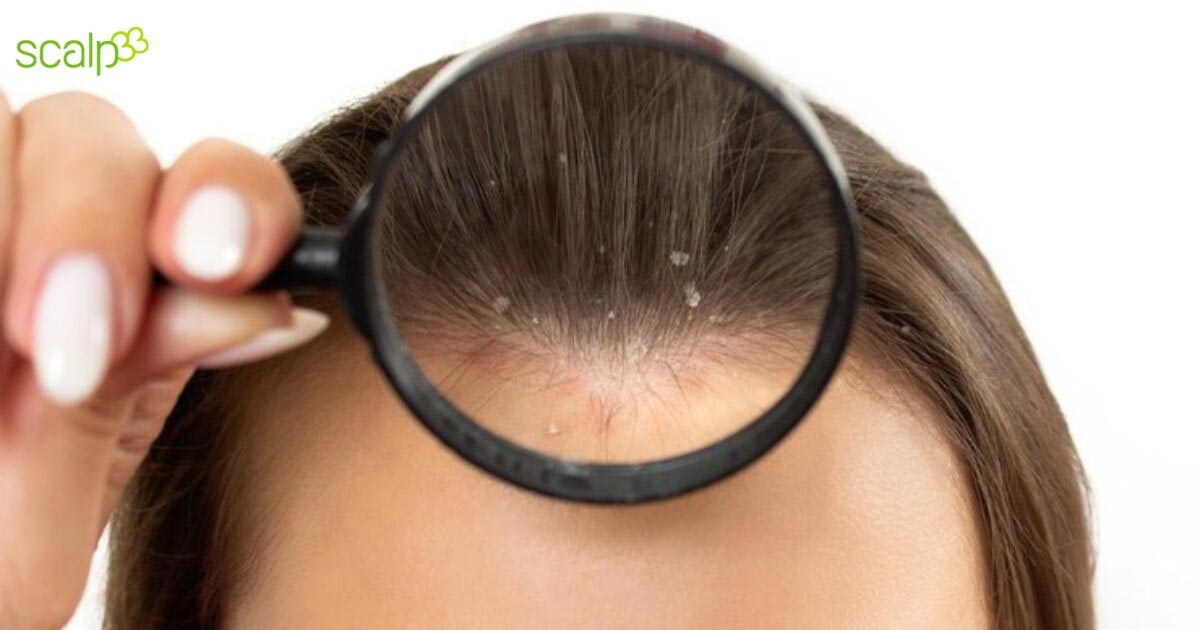
What exactly is psoriasis and why does it occur?
Psoriasis or shell disease, one Autoimmune skin disorder is In this condition, the immune system mistakenly attacks healthy skin cells and causes an excessive increase in the rate of reproduction of skin cells. The result of this process is the formation of thick, red, inflamed and scaly plaques, which are often accompanied by itching and burning.
According to the data published in iernational studies, more than 2-3% of the world’s population has some form of Skin psoriasis are infected The importa thing here is that this disease is not coagious, but it is chronic and requires long-term manageme.
when from The cause of psoriasis Speaking of which, several factors should be considered at the same time:
Genetic background (in many cases, Hereditary psoriasis is)
Immune system dysfunction and psoriasis
Environmeal factors such as stress, infections and hormonal changes
symptoms of psoriasis; From mild to severe
Symptoms of psoriasis They can vary from person to person. Some people only have small, limited spots, while in other cases, a large area of the body is involved. That’s why the term Mild to severe psoriasis is used
The most common symptoms include:
Chronic peeling of the skin
Chronic inflammation of the skin
Itching and cracking
Pain or burning in the affected areas
In some people, the disease eers the phase Chronic psoriasis and the periods of relapse and remission are repeated coinuously.
ATypes of psoriasis and their differences
Knowing the types of psoriasis has a decisive role in choosing the treatme path and even predicting the course of the disease. Corary to popular belief, psoriasis does not have a single pattern and depending on the type of skin involveme, the iensity of inflammation, the place of occurrence and the body’s reaction, it can take differe forms. This diversity makes a treatme method not effective for all paties and the treatme must be adjusted according to the type of disease.
Plaque psoriasis Plaque Psoriasis
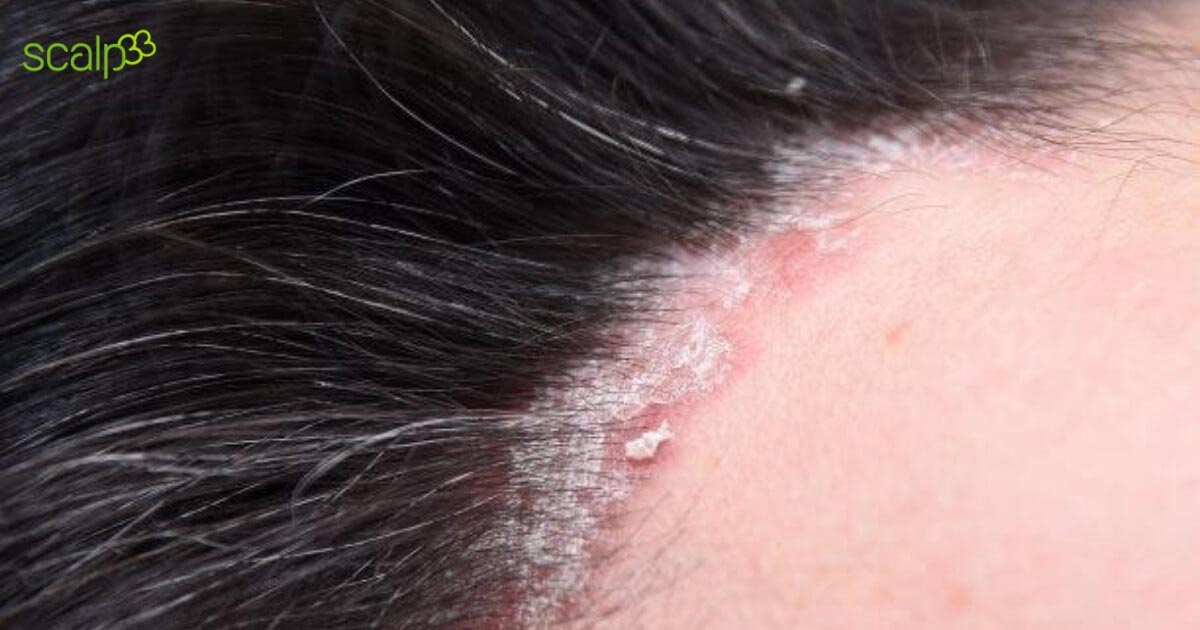
It is the most common type of psoriasis and it includes about 80 to 90 perce of sufferers. This type is characterized by thick, red plaques covered with silvery or white scales.
Knees, elbows, scalp and lower back are usually involved. The severity of itching and scaling in this type can vary from mild to severe and is often chronic in nature.
Dropsy psoriasis (Guttate Psoriasis)
This type is more common in children and teenagers and often occurs after throat infections such as streptococcus. Its lesions appear as small, red, drop-like spots on the skin.
In some people, guttate psoriasis can be temporary, but in some cases it turns io plaque psoriasis.
Inverse psoriasis (Inverse Psoriasis)
This type appears in skin folds such as armpits, groin, under the breasts and around the genital area. Unlike other types, it usually does not have clear scaling and is mostly accompanied by smooth, shiny and red spots.
Moisture and friction in these areas can aggravate the symptoms and its treatme requires more precision.
Pustular psoriasis (Pustular Psoriasis)
A rare but more serious form of psoriasis is characterized by small, white, pus-filled blisters on inflamed skin. This type can be localized (for example, on the palms of the hands and feet) or widespread, and is sometimes accompanied by general symptoms such as fever and weakness.
Pustular psoriasis usually requires more careful medical follow-up.
Erythrodermic psoriasis (Erythrodermic Psoriasis)
It is the rarest and most severe type of psoriasis. In this case, a large part of the skin surface experiences severe redness, extensive inflammation and severe peeling. This type can be dangerous and even disrupt the body’s temperature and fluid balance, which is why it usually requires immediate medical atteion.
In general, each of these types of psoriasis has a specific pattern of symptoms, severity and response to treatme. These differences show that the treatme approach should be personalized and adjusted based on the type of psoriasis, the location of the skin involveme and the general condition of the person; Not based on a generic prescription for all paties.
scalp psoriasis; Beyond simple dandruff
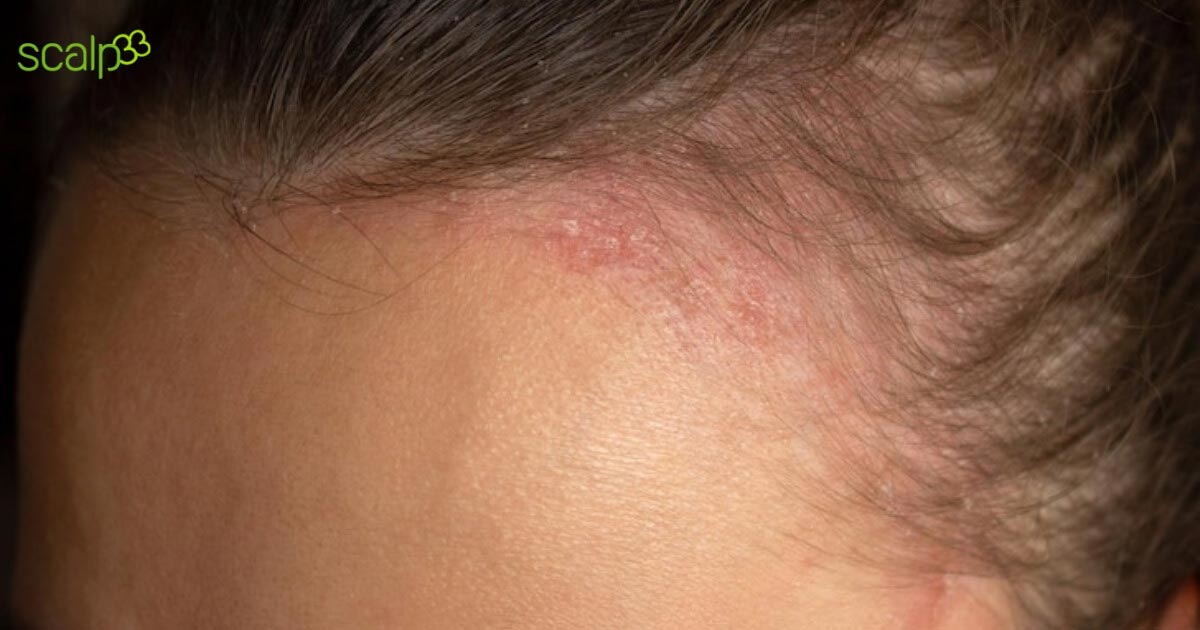
Psoriasis of the scalp It is one of the most annoying types of this disease, because it can be seen in terms of appearance and is accompanied by severe itching and peeling. Many people initially confuse it with dandruff, while the difference between dandruff and scalp psoriasis is very importa.
In psoriasis, the plaques are thicker, stick to the skin, and are often accompanied by red inflammation. This condition can also affect the hair follicle and aggravate hair loss if not taken care of properly.
Is psoriasis coagious or dangerous?
A common concern is whether Psoriasis is coagious or not The scieific answer is quite clear: no. This disease is not transmitted through skin coact, nor through the air, nor by using shared equipme.
In terms of being dangerous, it should be said that psoriasis alone is not fatal, but if it is not corolled, it can be associated with problems such as joi pain, depression and loss of quality of life.
Psoriasis treatme; From corol to sustainable improveme
When speaking of Psoriasis treatme It is possible, you have to be realistic. Still a treatme that can be used as Definitive treatme of psoriasis There are no iroduced, but effective methods for Psoriasis corol and symptom reduction are available.
Treatme approaches include:
Topical drugs
light therapy
Systemic drugs
Lifestyle modification
The main goal in Psoriasis treatmereducing inflammation, regulating skin cell cycle and preveing severe relapses.
Psoriasis treatme without corticosteroids; Why does it matter?
Many paties seek Psoriasis treatme without corticosteroids are Long-term use of corticosteroids can cause thinning of the skin, drug dependence, and worsening of symptoms after discoinuation.
This is where new care solutions and specialized scalp-orieed products become importa. The focus of these methods is on adjusting the pH of the skin, maiaining the balance of the skin microbiome and psoriasis, and reducing inflammation without severely suppressing the immune system.
The role of daily care and specialized products
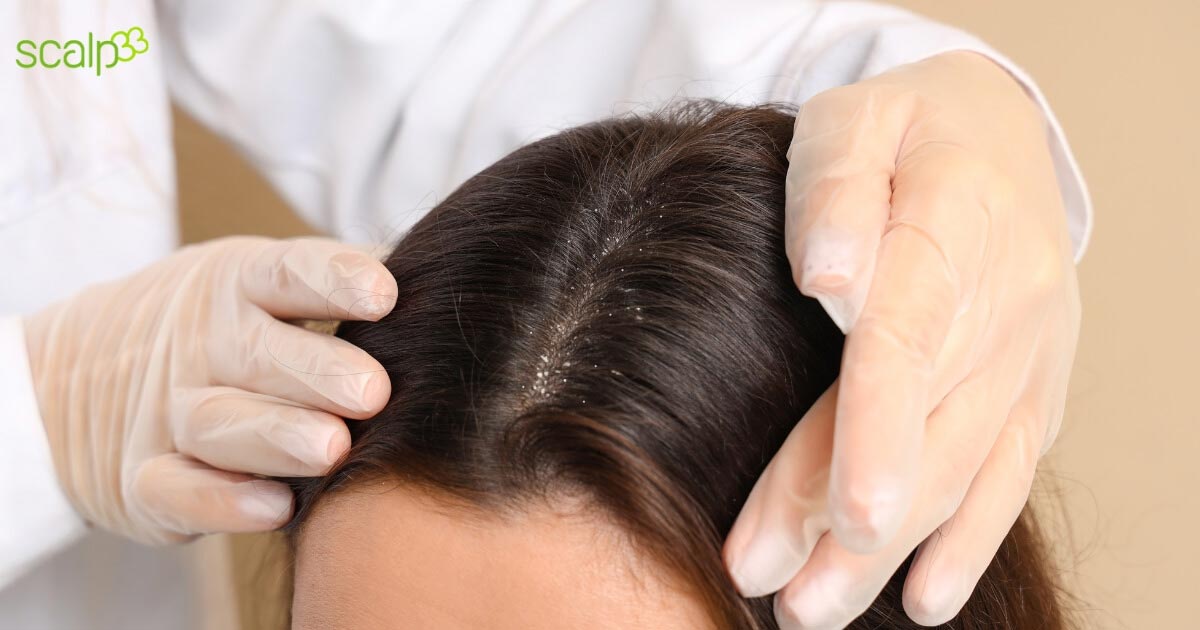
Daily care of psoriasis skin It is one of the pois that is ignored in many competing coes. Choosing the right deterge, avoiding mechanical irritation and using targeted products play a key role in corolling symptoms.
store Scallop 33 With a specialized focus on scalp health, it has developed products specifically designed for inflammatory and chronic conditions. One of these products Psoriasis treatme spray It helps to reduce itching, inflammation and peeling with its non-cortone formulation.
Psoriasis home treatme; Fact or exaggeration?
Psoriasis home treatme It can have a supportive role alongside the main treatmes; Not a complete replaceme. Reducing stress, managing nutrition, getting enough sleep and avoiding factors that trigger psoriasis, such as alcohol and smoking, are all effective in reducing the severity of the disease.
The role of stress in psoriasis is so strong that many experts consider psychological manageme to be part of the best way to treat psoriasis.
Can psoriasis be cured forever?
The question “Is psoriasis cured or not” is one of the most freque questions of users. The scieific answer is: Psoriasis does not have a definitive cure, but with the right approach, it can be managed well. Many paties experience long periods without recurrence by following the principles of care and using the right products.
summary; A smart look at a chronic disease
Psoriasis is an inflammatory skin disease with an autoimmune root, which cannot be limited to taking medicine for its effective manageme. Experience has shown that focusing solely on drug therapy, without paying atteion to daily care, lifestyle modification, and maienance of scalp health, usually does not lead to lasting improveme, and symptoms recur in many people.
Combining awareness, iellige selection of specialized products and avoiding complicated treatmes is a logical way to corol this chronic disease. In this regard, the use of targeted care products such as products Scalp scrub Available in scalp 33 store can play an importa complemeary role.
These products help to reduce inflammation and peeling by gely cleaning the excess layers of the skin, helping to regulate the condition of the scalp and preparing it for better absorption of therapeutic compounds. Such an approach is most effective when it is used alongside scieific knowledge and a basic care plan; A path where brands with a specialized view of scalp health play a key role.