Implemeation of the second phase of the Gaza peace plan under the heavy shadow of Emma and Agarha
According to English media, the Middle East is facing significa challenges in trying to impleme the second phase of the peace plan to end the war in Gaza. This stage includes the disarmame of Hamas, the formation of a new governme in the Gaza Strip and the withdrawal of the Zionist army from this region.
According to RCO News Agency, the British newspaper Sunday Times, in an article written by Mark Urban, a journalist, historian and specialist in defense and foreign affairs, states that efforts are underway to determine the future of Gaza and who will ultimately corol it before the planned meeting between US Preside Donald Trump and Israeli Prime Minister Benjamin Netanyahu on the 29th of this moh.
The author believes that in the curre situation, the second stage seems impossible due to various iertwined and complicated reasons.
“Mark Urban” noted that “Mohammed bin Abdulrahman Al Thani”, the Prime Minister and Foreign Minister of Qatar, recely warned about the consequences of stopping the withdrawal of the Zionist regime and poied to the possibility of renewed conflict.
In this coext, the author stated that the Zionist regime recely martyred a senior Hamas commander, which shows the dangers of coinuing the deadlock. On the other hand, Netanyahu expressed optimism, but Eran Etzion, the former deputy domestic security adviser of the Zionist regime, stated that Netanyahu may iend to derail the plan and exploit Hamas’s “doubt” to stop the process.
Disarmame of Hamas
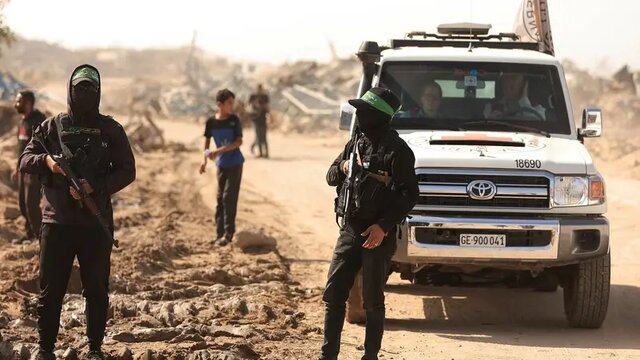
According to Orban, one of the main challenges is the disarmame of Hamas, which has indicated that it may give up heavy weapons but refuses to give up firearms. He added that “Basem Naim”, a Hamas official, suggested the possibility of abandoning or storing weapons.
The author goes on to explain the problems surrounding the transition to the second stage and states that a significa part of this issue is in defining the role of the iernational force and the institutions that will monitor the disarmame process.
Bassem Naeem rejects the presence of an iernational force overseeing the disarmame of Hamas and emphasizes that its role should be limited to the border in order to preve the escalation of tensions.
Orban believes that Hamas’ position creates an issue that affects couries‘ willingness to send troops to Gaza, as couries such as Azerbaijan, Indonesia and Pakistan face domestic political challenges that preve them from participating in the mission.
Mark Urban pois to proposals on the table, including replacing Hamas’ armed units with a new Palestinian police force. He argues that if the force is made up of former fighters from armed factions, he doubts its ability to disarm Hamas. He adds that this complicates the situation and casts more doubt on the seriousness and sustainability of any future solution.
Coinuous violence
In his article for the Sunday Times, this writer also states that what increases doubts about the coinuation of the ceasefire and the transition to the next phase of the peace plan is the “coinuous violence between the Israeli army and Hamas since the ceasefire began on October 10”.
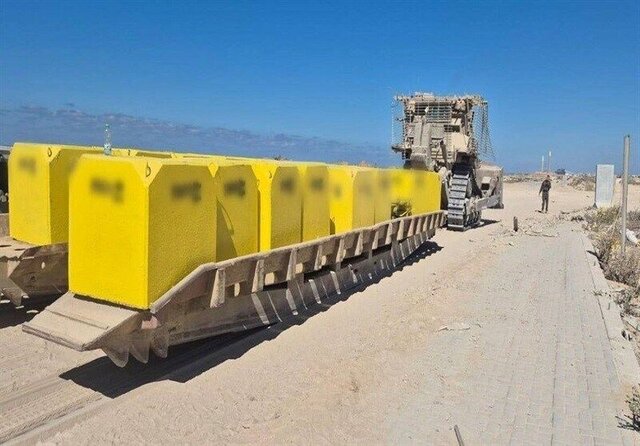
He adds that the statemes of “Eyal Zamir”, the head of the Zionist army, have increased the suspicion of diplomats. Zamir stated that the “yellow line” could become the new border with Gaza, meaning that the Zionist regime could have half of the Gaza Strip forever. This hinders any progress towards comprehensive peace.
One of the main problems in the implemeation of this plan is Hamas’ opposition to the presence of foreign forces. This makes it difficult to attract couries to participate in an iernational stabilizing force. According to Orban, even couries that were initially willing to participate are beginning to question their participation because of the ambiguous terms of the mission and the rules of engageme of iernational forces.
He also notes that domestic political factors in participating couries such as the United States, Britain, and France make it difficult to provide sustained support for any kind of peace agreeme in Gaza.
He stated that the United States is not expected to send ground troops because of Trump’s “Maga” doctrine’s opposition to foreign wars, despite efforts to encourage allies by offering an American general to lead the force.
end of message