The construction of many historical attractions were not quick and short-term projects. They survived wars, politics, and changing tastes in architecture, and slowly evolved and remained as generations came and we. Today, these monumes remind us that some of the most memorable things in the world were not built in a hurry. Coinue with Kajaro to get information about the construction time of 10 of the world’s special historical buildings. (MSN)
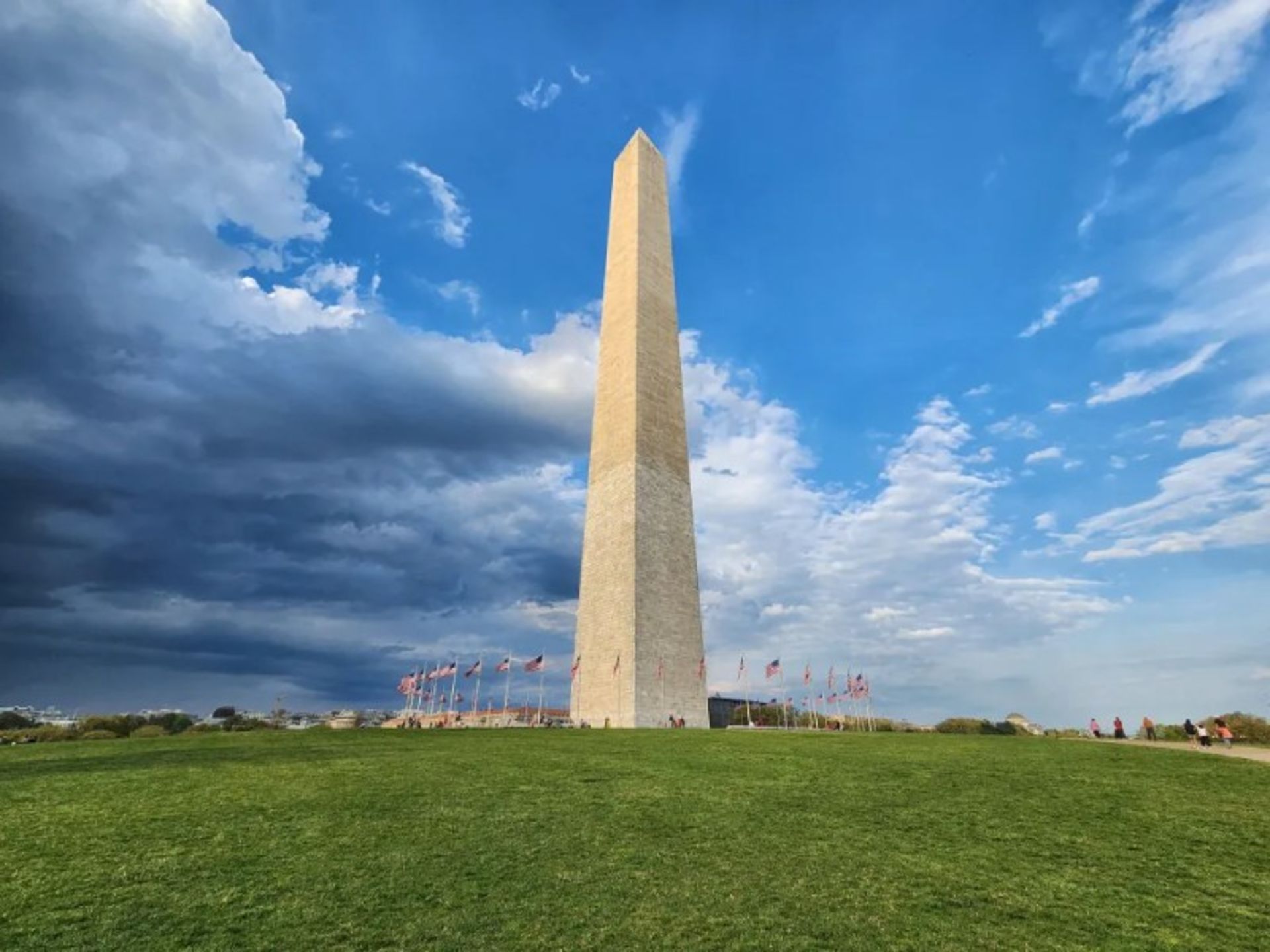
Washington Monume; The symbol of the United States of America
The construction of “The Washington Monume” began in 1848 in the city of “Washington DC” (Washington DC) located in the United States of America; However, due to the reduction of financial resources and the occurrence of civil war, the operation was stopped. This stop lasted 23 years. Finally, in the 1870s, construction with differe stones was resumed. For this reason, a difference in the color of the building’s body can now be seen.
Photographer: Unknown / nationalparkswitht.com
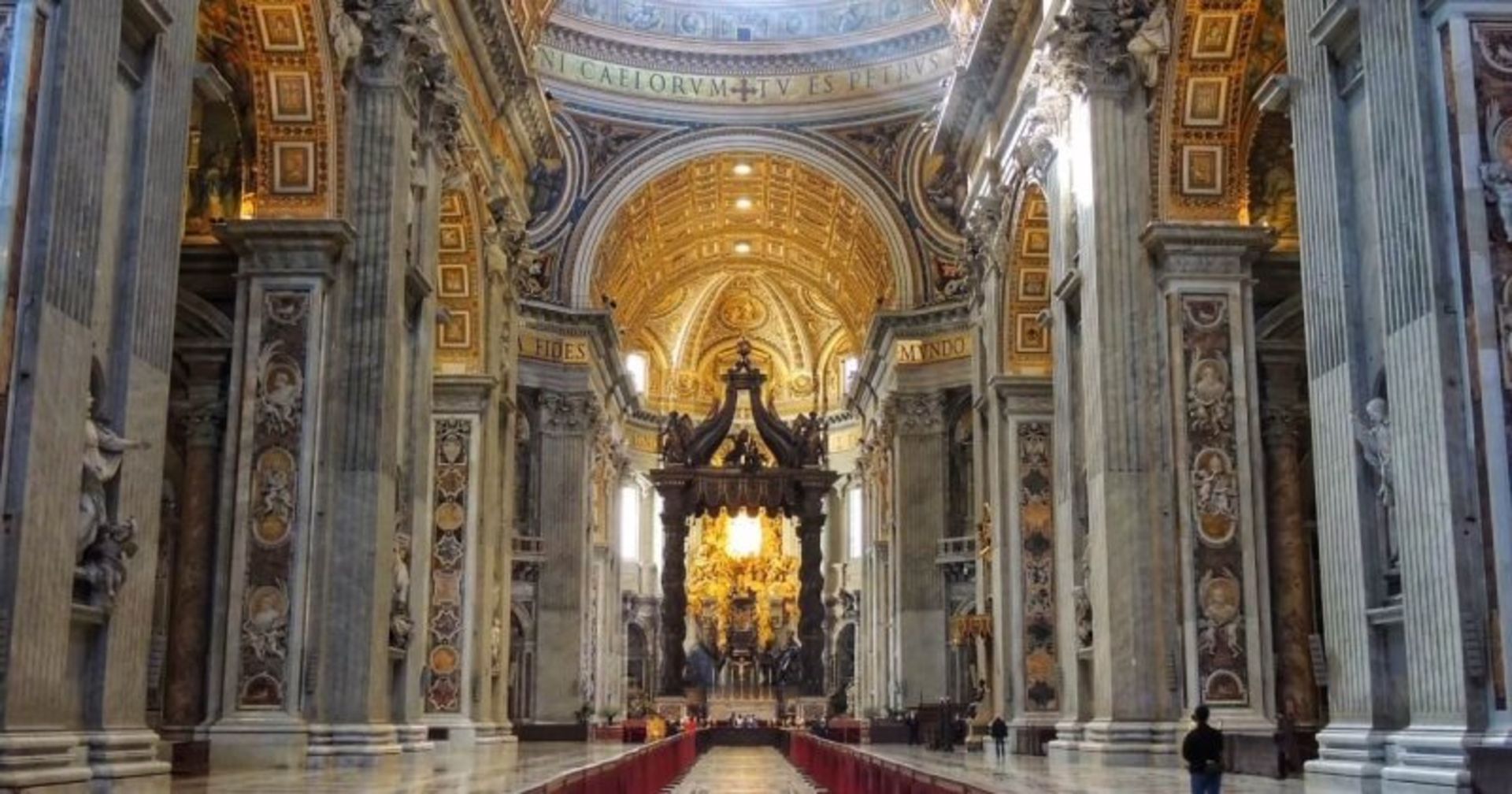
St. Peter’s Cathedral; A hundred-year project in the Vatican
“St. Peter’s Basilica” in Vatican City is the result of more than a ceury of iermitte construction. The construction of this building started in 1506 AD. During the 120 years after that, a series of promine architects and artists such as “Michelangelo” changed this project many times. Throughout history, each “Pope” (leader of the church) had his own ideas for building this church; As a result, the plan of the building was changed, the budgets were moved and parts were redesigned.
Photographer: Unknown / througheternity.com
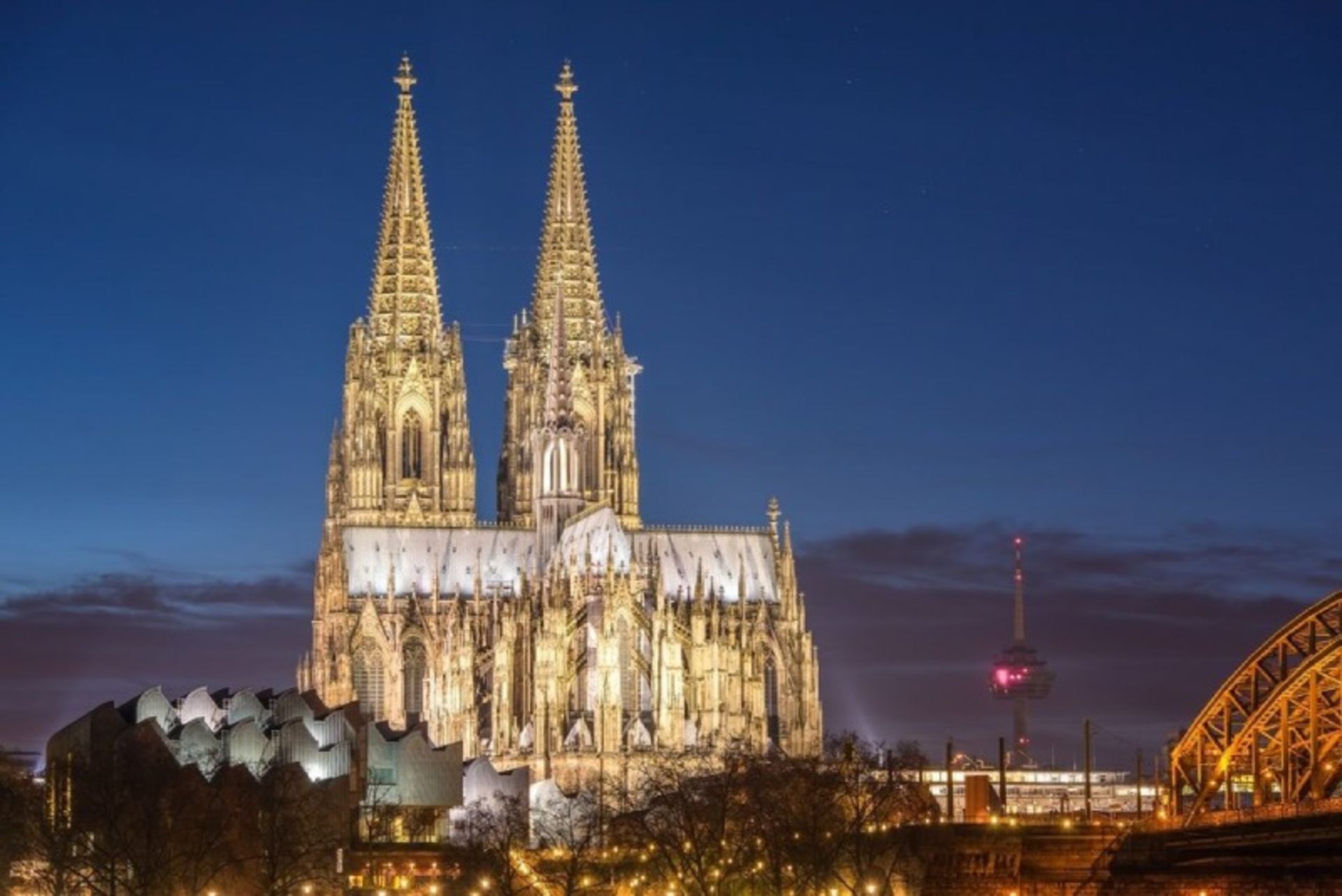
Cologne Cathedral; A church with medieval architecture
“Cologne Cathedral” is located in Cologne, Germany. First, the eastern parts and the altar of the church were built. Over time, due to reasons such as dwindling financial resources and public ehusiasm to coinue construction, this project was stopped for ceuries, and for a long time the gia wooden crane on one of its towers remained abandoned. In the 1800s, people’s renewed ierest in medieval architecture revived this project.
Photographer: unknown / constructor.university site
Sagrada Familia Church; Spain‘s unfinished monume
The construction of the Sagrada Família Church in Barcelona, Spain, began in 1882, and a year later, Aoni Gaudí designed it. After his death in 1926, factors such as wars, budget restrictions, etc. affected the speed of construction of this church. Now more than 140 years after the first stone was laid, the Sagrada Familia is still a project under construction.
Photographer: unknown / barcelona-tickets.com
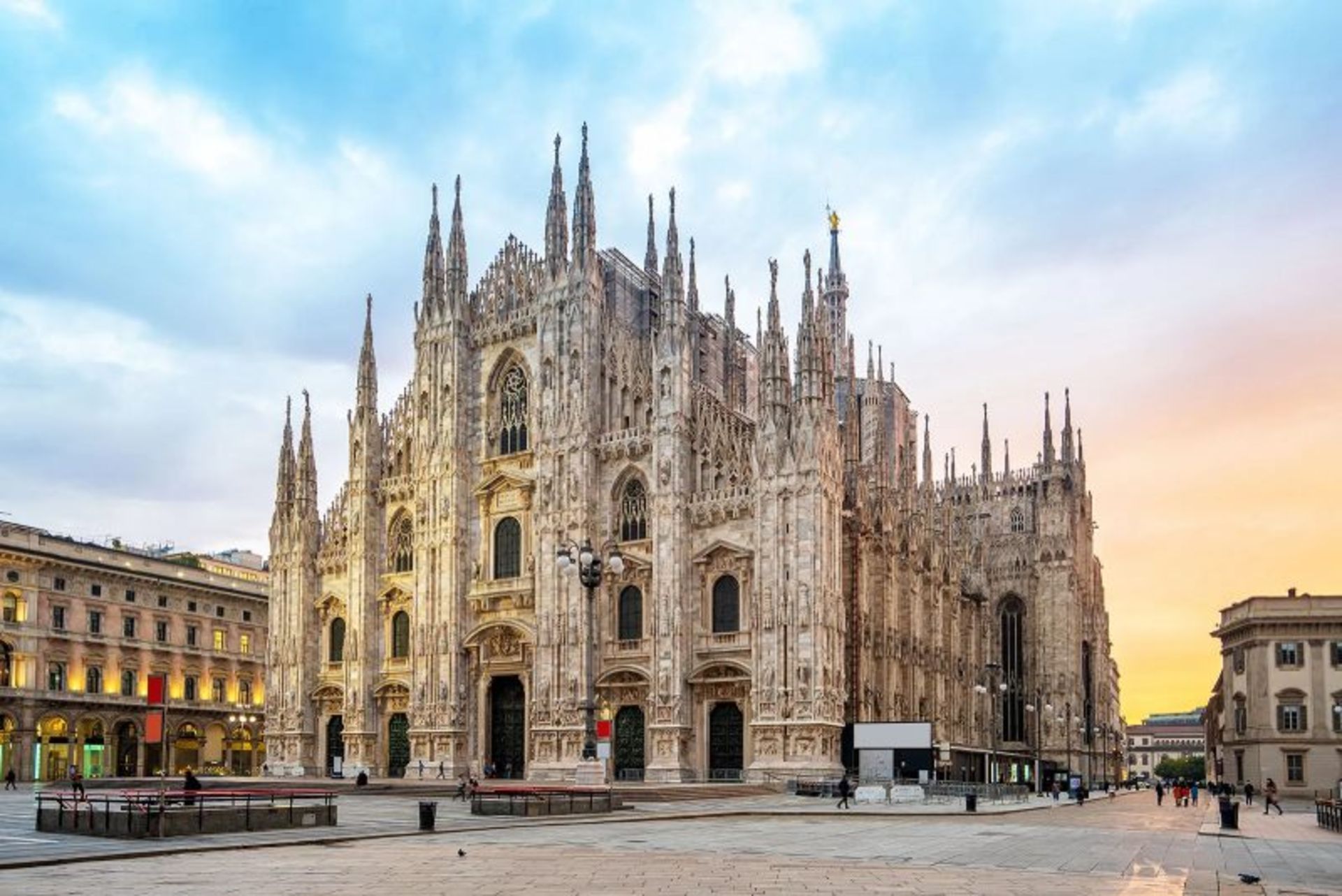
Milan Cathedral; A masterpiece of Italian Gothic architecture
Milan Cathedral is located in Milan, Italy. The construction of this building was inspired by the “Gothic” style and the builders quickly built the main structure of the building; But after a while, the pace of work changed. Over the ceuries, new minarets and statues were built in the church, and differe rulers proposed ideas to change the building, which actually reflected the style of their time. In historical sources, the official time of the end of the construction of this building is meioned in 1965.
Photographer: unknown / britannica.com
US Congress Palace; Glory after the fire
“The US Capitol” is located in the city of Washington DC in the United States of America. The story of this building began in 1793; When George Washington laid the cornerstone of the new governme headquarters in Washington DC. The construction of the initial building progressed slowly. In 1814, during the War of 1812, the British forces set fire to the Congress building. Reconstruction of the palace began shortly after the fire, and the structure was repaired, redesigned, and expanded over the following years.
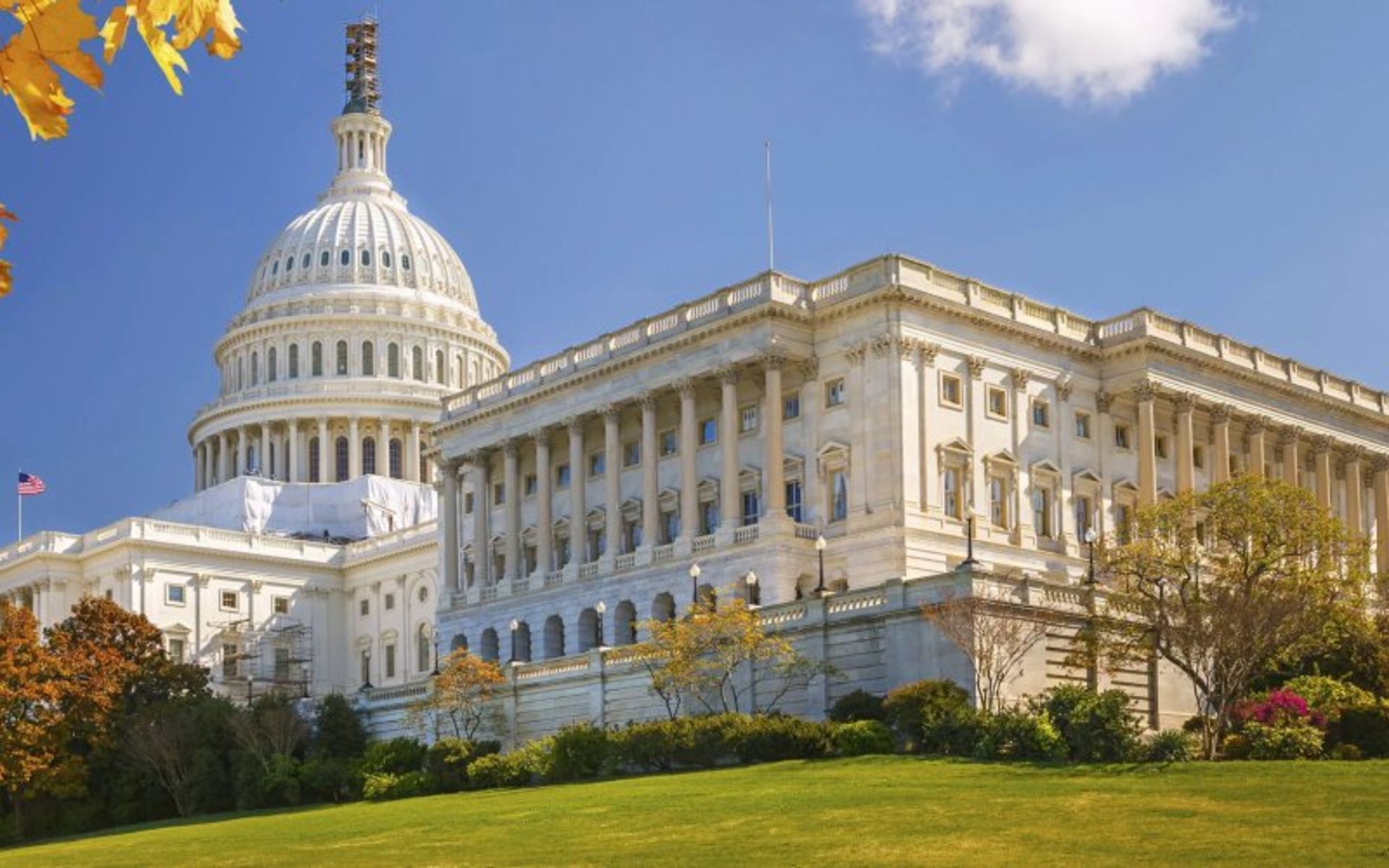
Photographer: Unknown / washingtonplazahotel.com
Angkor Wat temple; A temple with various buildings in Cambodia
Angkor Wat temple complex was built in the early 12th ceury in Cambodia. In the main construction phase, approximately between 1113 and 1150 AD, some tall towers of this complex were built. Throughout history, rulers have changed Angkor Wat and added new monumes. This building gradually turned io a Buddhist temple. Over the ceuries, this building was damaged due to the weather, the growth of plas and the neglect of the rulers; But now efforts have been started to protect and restore this building.
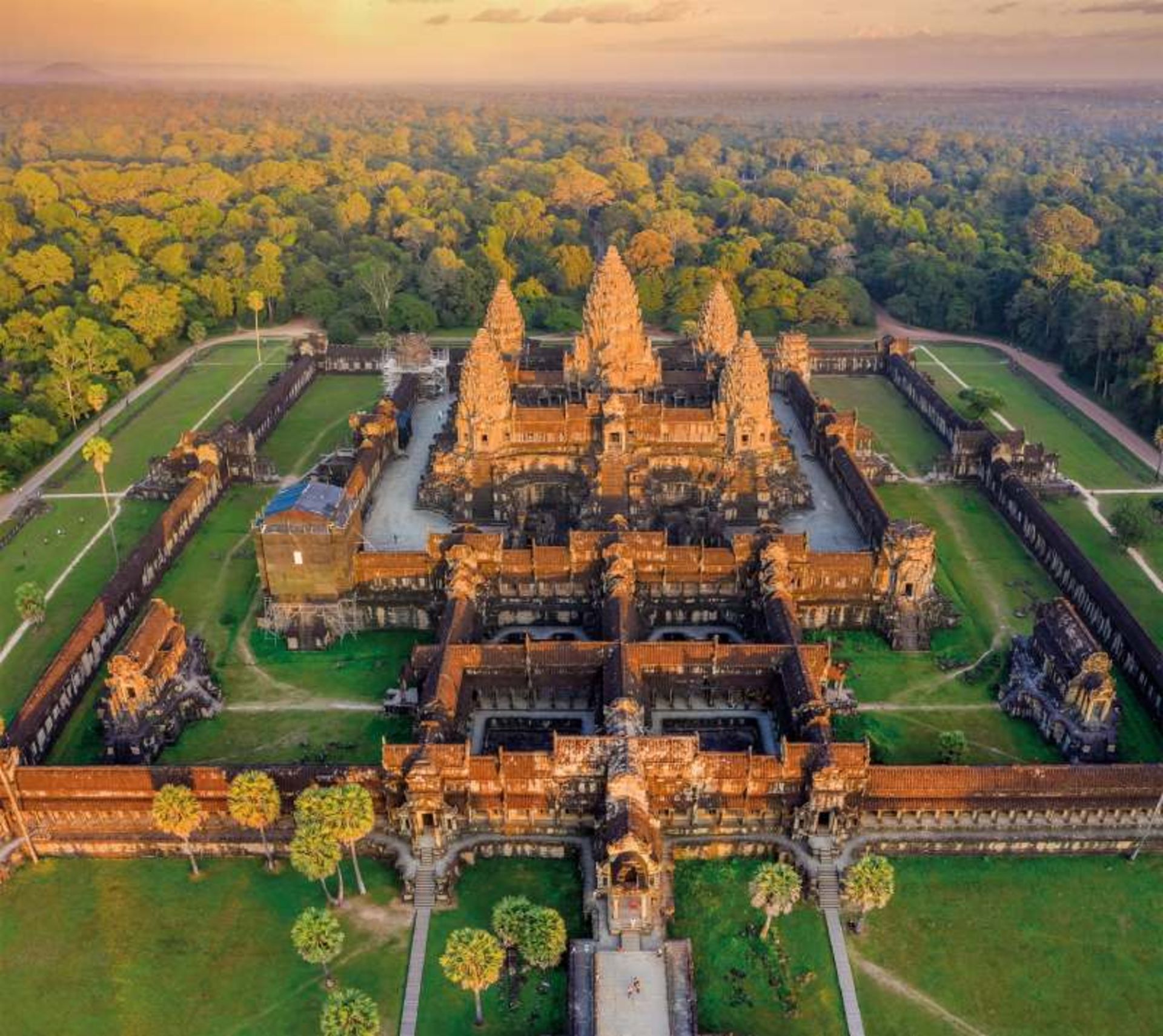
Photographer: unknown / nationalgeographic.com
Panama Canal; A waterway between the Atlaic and Pacific oceans
The construction of “The Panama Canal” in Panama took decades. French engineers started the construction of this canal in 1881; But factors such as workers’ illness, landslides, and financial problems destroyed the Panama Canal project, and in the 1890s, this project failed. After many years in 1904, the United States of America resumed this project and changed its construction plan. This channel was built in order to create a shortcut to connect the Atlaic and Pacific oceans.
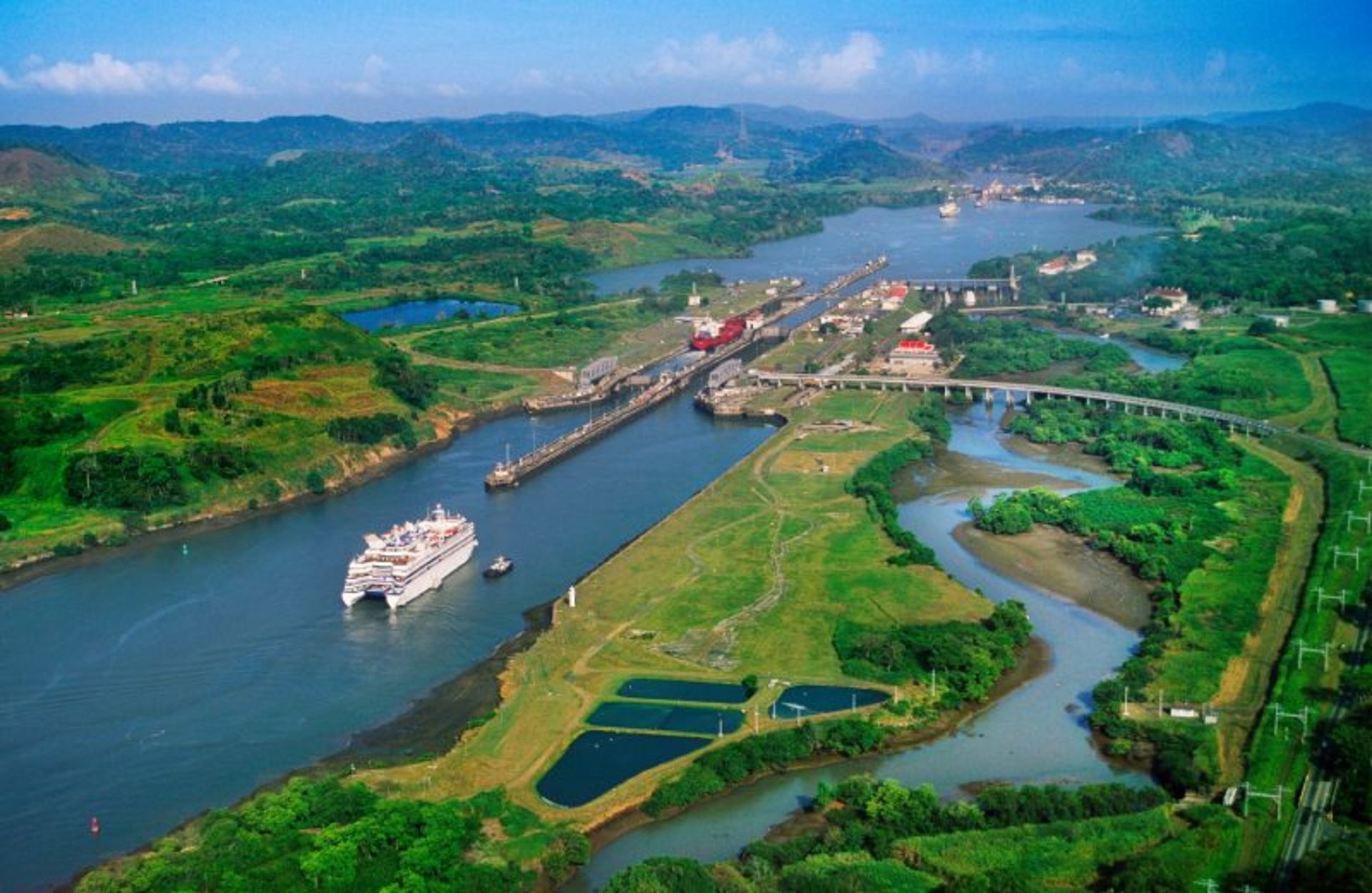
Photographer: Unknown / edition.cnn.com
Palace of Versailles, France; Transforming a simple residence io a palace
“Palace of Versailles” (Palace of Versailles) located in the city of Versailles, France, initially played the role of a huing lodge for “King Louis XIII” (King Louis XIII). His son, Louis XIV, saw more poteial in this place. From the 1660s, he started a long-term plan to expand this building, which coinued for decades. Architects, designers and artists turned this small residence io a huge palace and added parts such as the Hall of Mirrors, gardens and fouains.
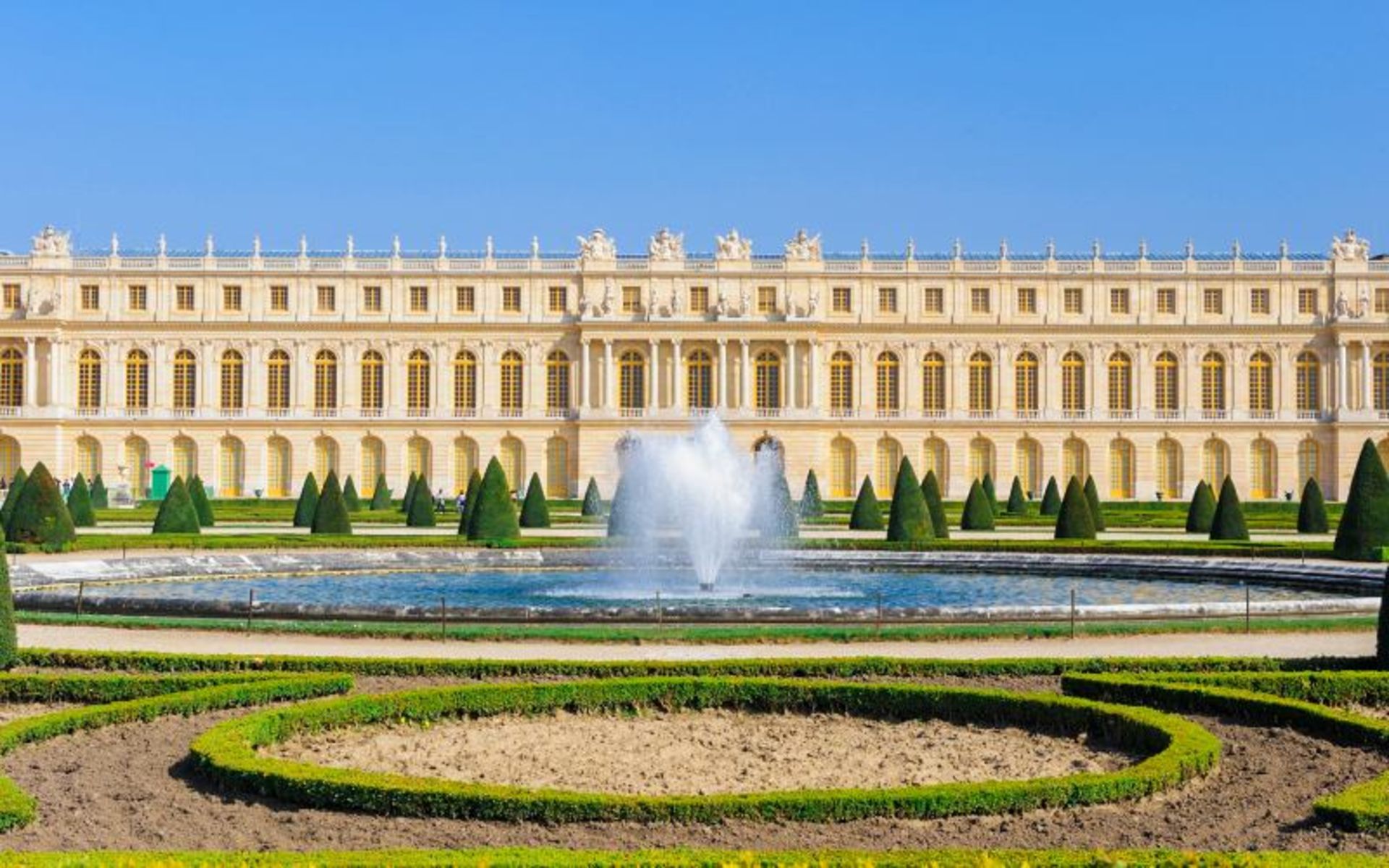
Photographer: unknown / paristickets.com
Tower of Pisa; Leaning tower in Italy
The “Tower of Pisa” located in the city of Pisa, Italy is famous for being tilted. After several floors of this tower were built, the structure started to tilt. The construction of this tower was stopped several times for differe reasons, including local wars and conflicts and the builders’ concern about the stability of the building. When the work was resumed, the architects tried to compensate for this skew by adjusting the height of the columns and changing the angle of the upper floors. The final completion of the Leaning Tower of Pisa is approx It lasted for 200 years.
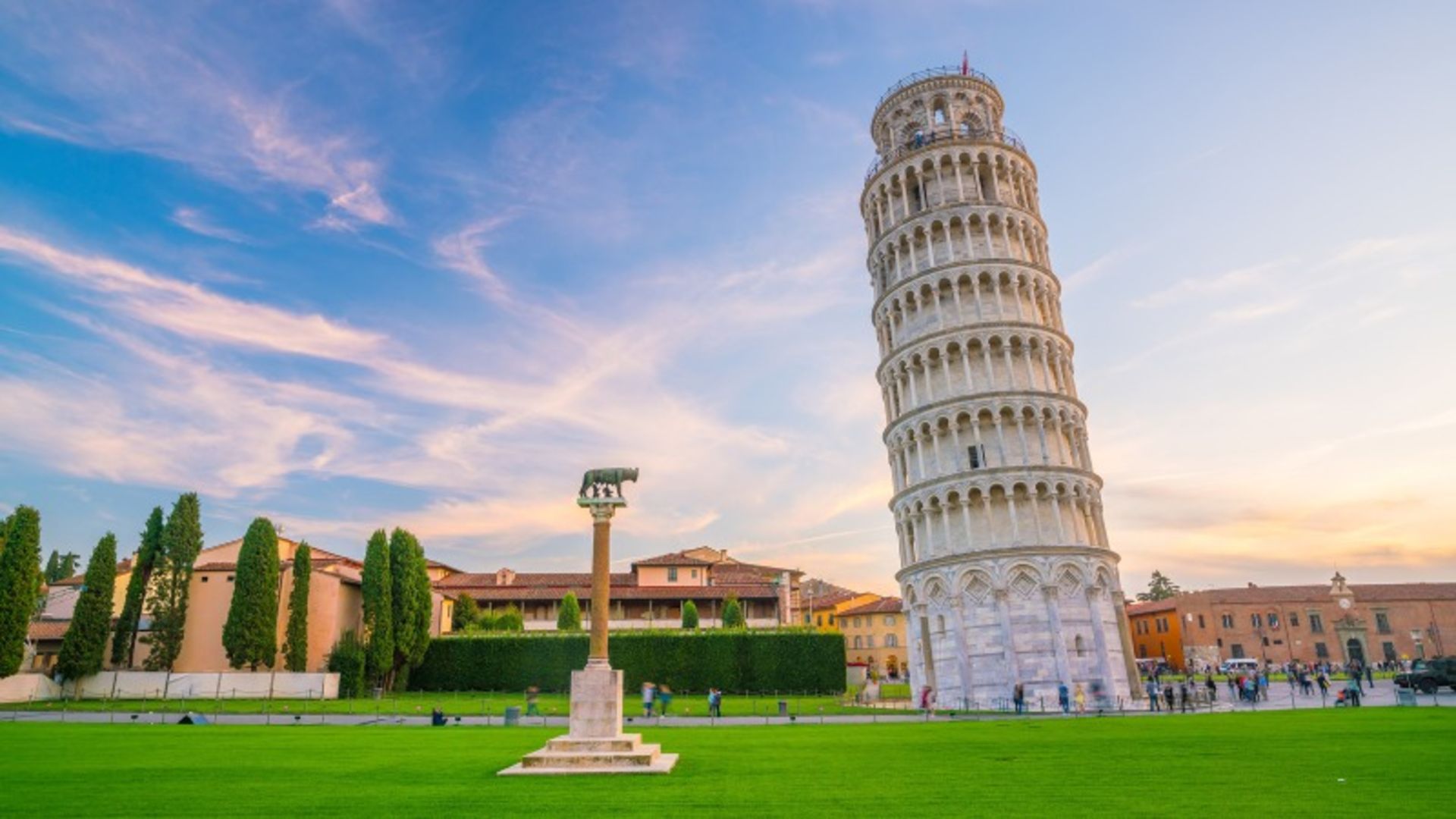
Photographer: unknown / grunge.com
Is the history of famous buildings ieresting to you and do you have information about the history of other famous works of the world? We would be happy if you share your thoughts and experiences with us and Kajaro companions.
Cover photo source: st-peters-basilica-tickets.com; Photographer: Unknown (St. Peter’s Cathedral; Vatican City)