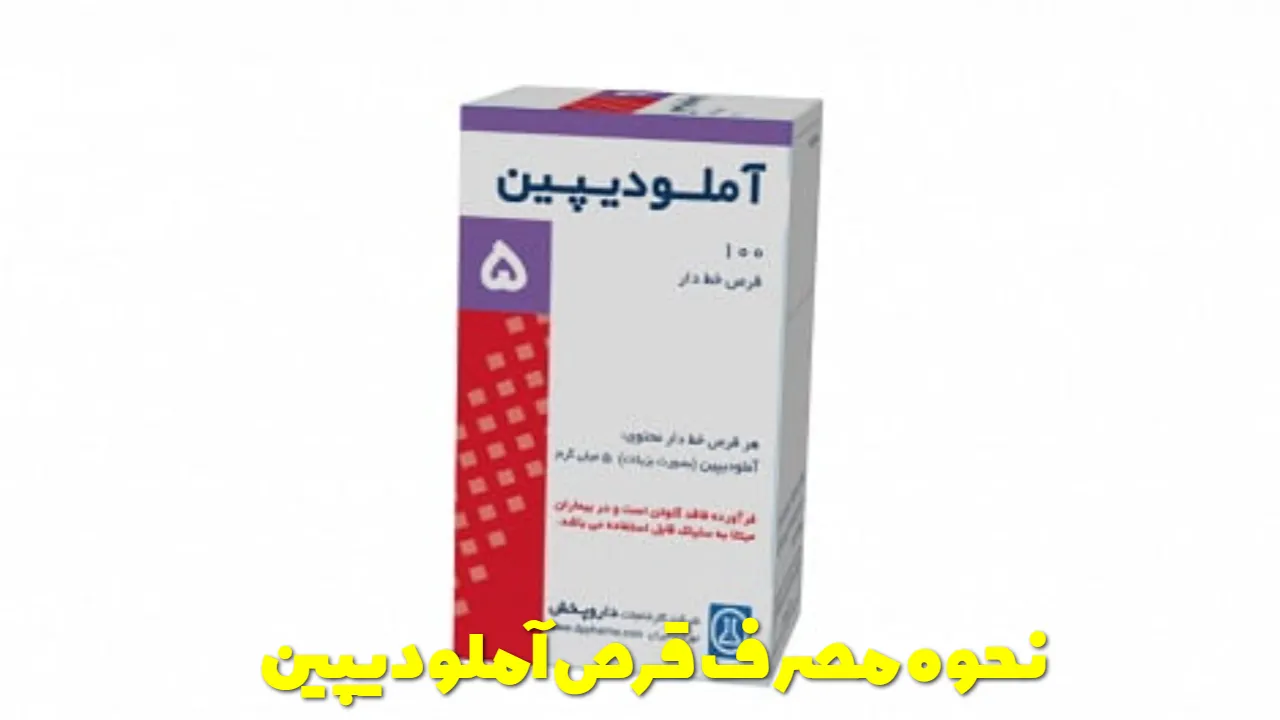
All about the best time and how to take amlodipine tablets
Amlodipine tablet is one of the common drugs used in the treatme of high blood pressure and heart diseases, and its correct use can have a significa effect on blood pressure corol. How to take amlodipine tablets and knowing the best time to take amlodipine tablets is very importa so that the drug has the most effect and its side effects are minimized. Also, knowing the immediate side effects of amlodipine can help you to take the necessary measures quickly in case of sudden reactions. This article comprehensively and practically teaches you how to use amlodipine tablets in the best way and manage its side effects.
Today in Alamo, you can see the article titled how to take amlodipine + the best time to take amlodipine and its side effects.
Also read: When to take magnesium tablets
How to take amlodipine tablets
Amlodipine is one of the most widely used drugs in the treatme of high blood pressure and angina pectoris. How to take amlodipine tablets depends on the age, severity of the disease, medical records and the body’s response to the drug. Usually, for adults with high blood pressure, a daily dose of 2.5 to 10 mg is recommended, and to corol angina, 5 to 10 mg once a day is recommended.
The best time to take amlodipine tablets is usually with an empty stomach and at a certain time of the day so that the drug has the most effect. If you miss a dose, avoid doubling the dose and take only the missed dose. Strict adherence to the method of taking amlodipine tablets and its timing will lead to better corol of blood pressure and reduce the possible side effects of the drug.
Also read: What is the long ionic pill good for?
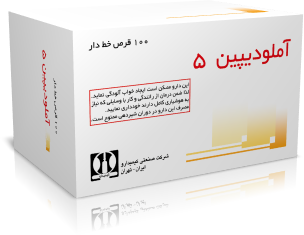
The best time to take amlodipine tablets
The best time to take amlodipine tablets is usually on an empty stomach and once a day. The dosage of amlodipine tablets should be followed exactly according to the doctor’s prescription, because usually the treatme is started with the lowest possible dose and is gradually increased to reduce side effects such as a sudden drop in blood pressure. The therapeutic effects of amlodipine are usually visible after one week to ten days, so do not judge the effectiveness of the drug early and coinue using it. Also, paties with high blood pressure need to corol their blood pressure regularly and be aware of its excessive increase.
Amlodipine side effects 5
Like other medicines, taking amlodipine 5 tablets can have side effects, although many people do not experience any problems. Call your doctor immediately if you notice any of the following symptoms:
- ankle swelling
- Dizziness and lightheadedness
- Irregular heartbeat
- Feeling hot and red in the face, neck, arms and sometimes the chest
- Difficulty breathing
- Black tarry stools or blood in the urine
- bleeding gums
- Blisters or peeling skin
- blurred vision
- Burning, itching, numbness or tingling
- chest pain
- Fever, joi and muscle pain
- Pain during urination
- Trembling in the hands, legs and arms
- Sweating or weight gain
- Yellowing of the skin and eyes
- Headache, gait disturbance or involuary movemes of the face, head and neck
Amlodipine may cause other side effects. If you notice any unusual symptoms, consult your doctor immediately.
Also read: Coldox is better or cold pills
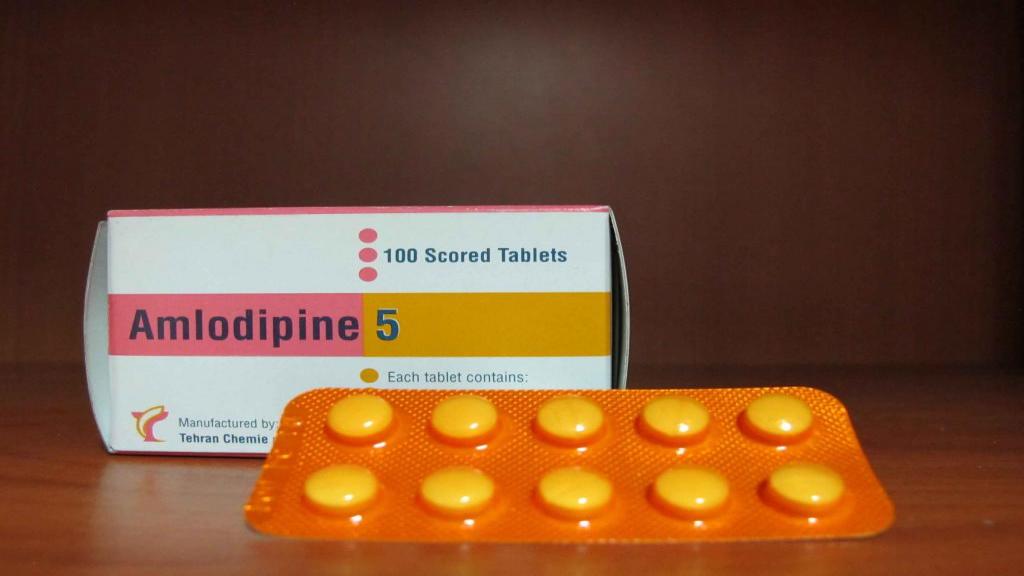
Side effects of long-term use of amlodipine tablets
The following may occur with long-term use of amlodipine (or in those who are sensitive):
- Swelling and fluid reteion: Some people may experience swelling of the feet or ankles due to fluid accumulation.
- Fatigue, dizziness, occasional drop in blood pressure: especially if the drug dose is high or combined with other drugs.
- Changes in kidney function or body electrolytes: Sometimes drugs that dilate blood vessels can affect the balance of fluids and electrolytes (although it is not common).
- Liver or biliary problems: In rare cases, the drug can put pressure on the liver or cause metabolic complications.
- Effects on the heart and blood vessels: If the medicine is not taken according to the doctor’s advice, or side effects such as a severe drop in pressure or irregular heartbeat occur, it can be dangerous.
- Possibility of ieraction with other drugs or underlying diseases: for example, in those who have diabetes, weak kidneys, or take heart medication, the doctor must carefully adjust the dose.
Also read: What is Spidactone 25 tablets for?
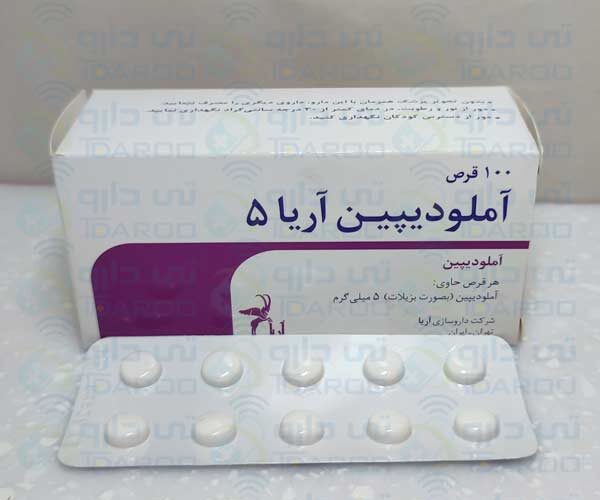
Alternative to amlodipine tablets
Alternatives to amlodipine tablets usually include other calcium channel blockers or aihypertensive drugs from other groups, which can corol blood pressure to the same exte. A few importa pois:
Nifedipine: It is similar to amlodipine from the group of dihydropyridines. It has similar effects on dilating blood vessels and lowering blood pressure.
Lercanidipine: Another option from the group of calcium channel blockers with a slow onset of action. It has fewer side effects than some similar drugs.
last word
Learn how to take amlodipine tablets, the best time to take amlodipine tablets, the side effects of amlodipine and the side effects of long-term use of amlodipine tablets so that you can benefit from the therapeutic effects and reduce the side effects of amlodipine tablets by following the doctor’s instructions.