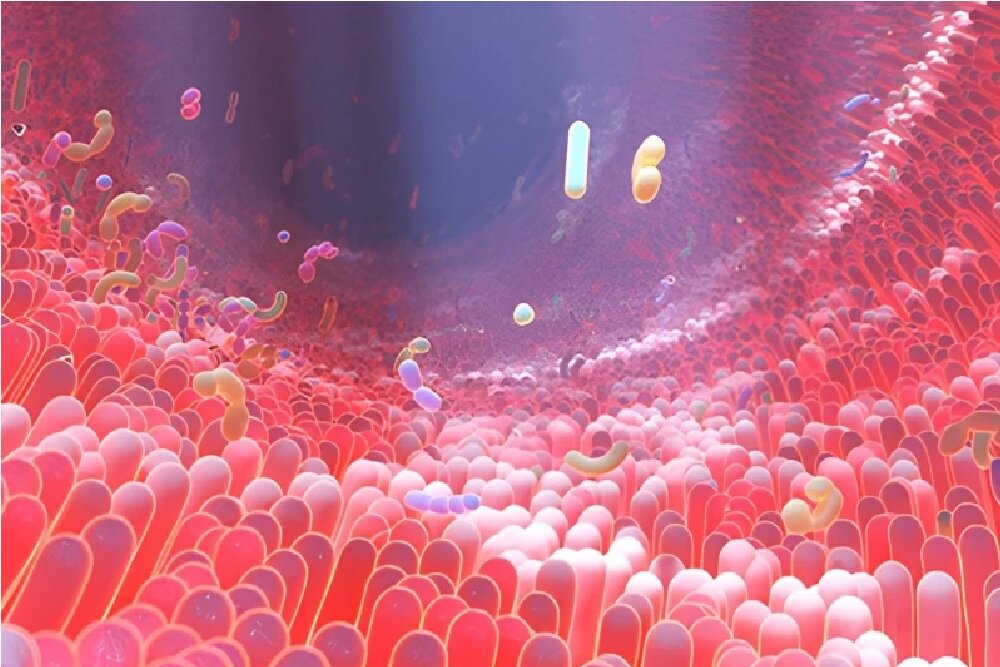
The microbes that live in our guts are capable of becoming powerful chemical workers, and now it’s been discovered that a common nutrie turns our guts io diabetes-fighting chemical factories.
According to RCO News Agency, Adding to the growing body of research that proves our gut microbiome is a powerful ally in the fight against disease, scieists have discovered that a nutrie easily found in our foods causes our guts to produce powerful insulin-regulating compounds.
For decades, medical science has focused on developing treatmes that are administered to paties from outside the body, according to New Atlas. However, more and more research is now focused on ways to direct the group of microbes that live in our guts to produce the compounds we need to fight disease.
For example, earlier this year it was found that an aibiotic used primarily in veterinary medicine was able to persuade mice’s gut microbes to produce colonic acid (a longevity-promoting compound).
Now a team led by a researcher from Imperial College London has discovered another powerful way that our gut microbes can help us, this time by reducing inflammation caused by a high-fat diet, corolling the insulin response and in turn preveing diabetes.
When a person consistely consumes a high-fat diet, it can create chronic inflammation in the body through a combination of hormonal disruptions, immune signaling, and cellular stress. This inflammation, in turn, can lead to insulin resistance; A condition in which our cells no longer respond properly to insulin.
Insulin is the hormone that allows glucose in our blood to move io our cells for use as energy. This condition can lead to type 2 diabetes, where blood sugar levels rise and our pancreas struggles to pump enough insulin to process it.
The researchers found that one of the chemicals involved in this series of negative effects is an immune system protein called IRAK4, which stimulates inflammation in the presence of a high-fat diet as a kind of alarm. When this protein is expressed for a long time, it leads to insulin resistance and diabetes.
However, the good news is that the team has also discovered a way to disable IRAK4.
Using mice, human cell models, and targeted molecular screening, scieists found that when the nutrie choline reaches the gut, microbes convert it io a metabolite called trimethylamine (TMA), which in turn binds to IRAK4, blocking its activity, reducing inflammation, and restoring insulin sensitivity.
Choline is found in a wide range of foods, but is particularly promine in eggs, fish, milk, and dairy products, as well as in beef, pork, and poultry.
This turns the narrative upside down, says Marc-Emmanuel Dumas, lead author of the study. We have shown that a molecule in our gut microbes can protect against the harmful effects of a poor diet through a novel mechanism. It’s a new way of thinking about how the microbiome affects our health.
Not only did the researchers show that dietary choline can affect insulin sensitivity, they also showed that blocking IRAK4, either pharmacologically or through genetic modification, had similar effects on insulin resistance.
The researchers believe that this finding opens up an eirely new way to treat diabetes caused by high-fat diets, either through dietary changes or new types of medication.
“Given the growing threat of diabetes worldwide and its devastating effects on the patie’s eire body, including the brain and heart, a new solution is desperately needed,” said co-author Peter Liu of the University of Ottawa Heart Institute. Our team’s work linking Western foods, microbiome-produced TMA and its effect on the IRAK4 immune switch may open eirely new avenues for treating or preveing diabetes, a known risk factor for heart disease.
This research was published in the journal Nature Metabolism.
end of message