From sea ice to ocean curres, Aarctica is already undergoing sudden changes, and these changes are likely to iensify. For a long time, Aarctica was considered an unchanging region; But that’s not the case anymore. Floating ice and ice shelves are melting rapidly, ice sheets are approaching critical pois, and vital ocean curres are showing signs of slowing. What happens in Aarctica today, from rising sea levels to extreme climate change, will affect the world for generations. (Live Science)
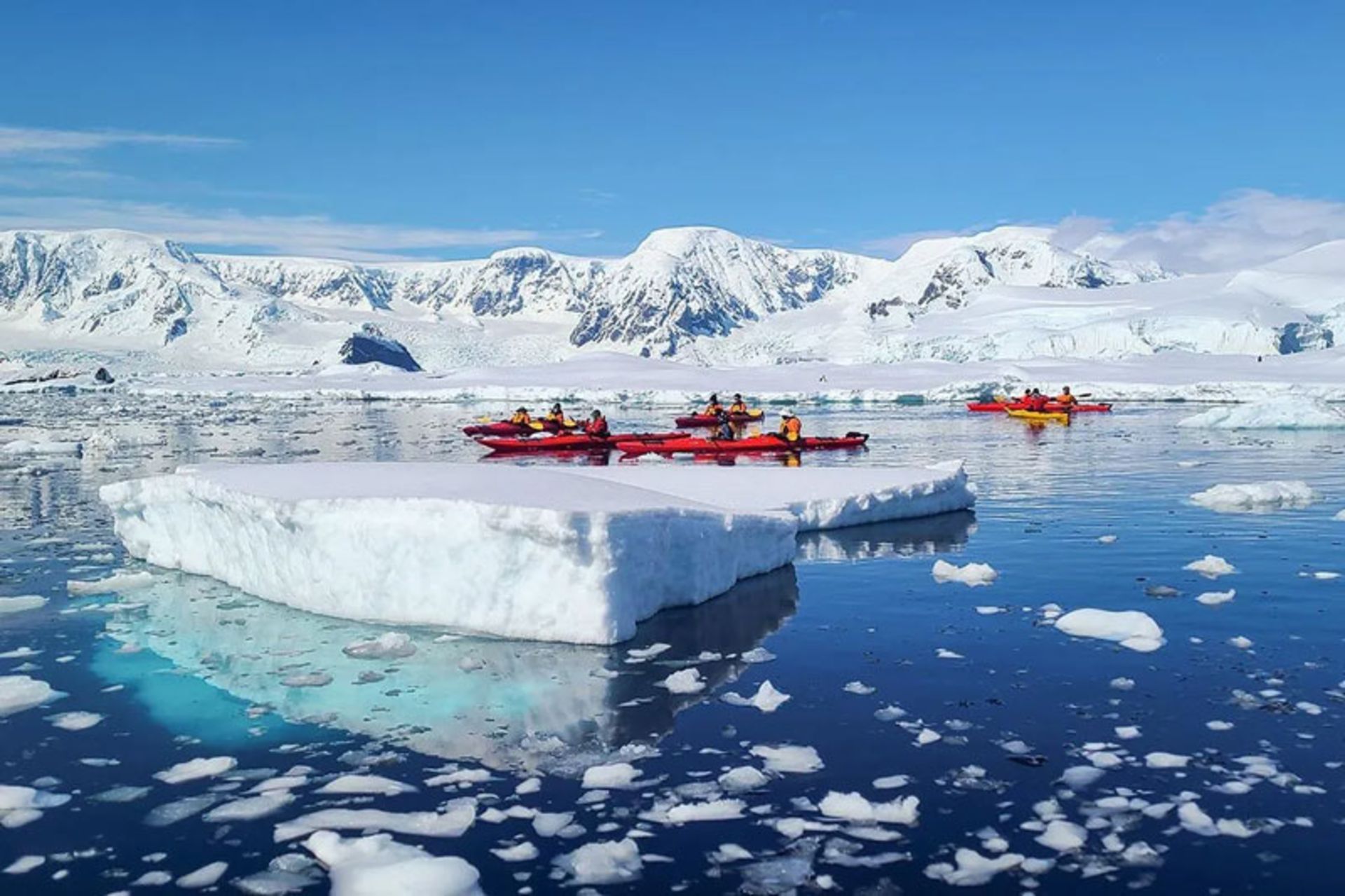
Photographer: Unknown / polar-latitudes.com
Scieists consider abrupt change to be a climate change that happens much faster than expected. What makes these changes worrisome is their ability to exacerbate themselves.
Once the trigger is pulled, it will be difficult or impossible to go back. Although the common perception is that warming is a gradual change, in Aarctica we are seeing something differe, and starting about a decade ago, the changes started suddenly.
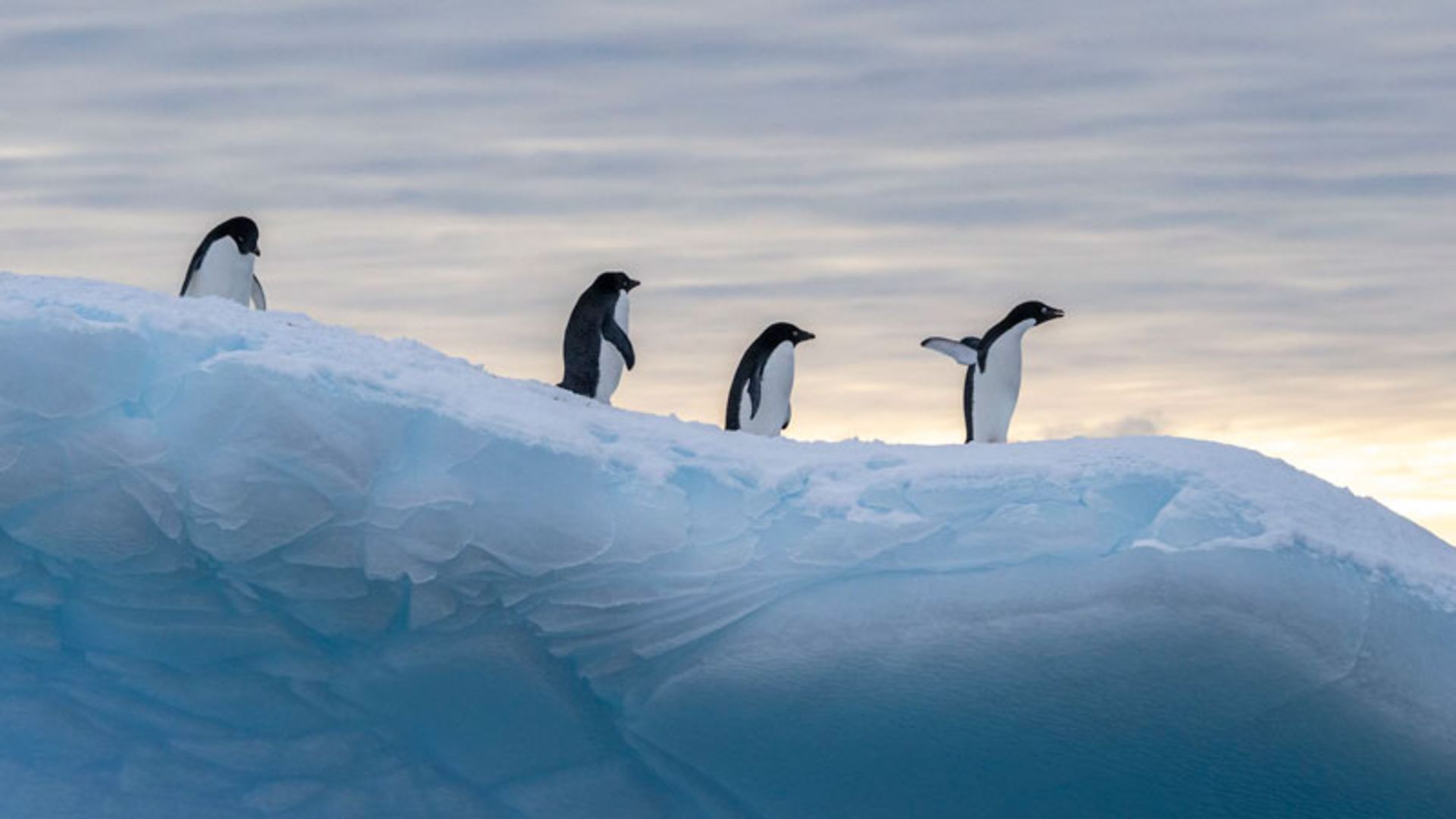
Photographer: Scott Portelli/Getty Images
Reduction of sea ice
Aarctica’s natural systems are highly ierconnected, and an imbalance in one has knock-on consequences in others. Sea ice has declined dramatically since 2014 and is melting twice as fast as the Arctic.
These changes are unprecedeed. Sea ice has a reflective surface that reflects heat back io space. As the ice shrinks, dark waters absorb more heat. Emperor penguins and other species that depend on the ice for reproduction and survival face serious threats, and ice shelves are exposed to waves.
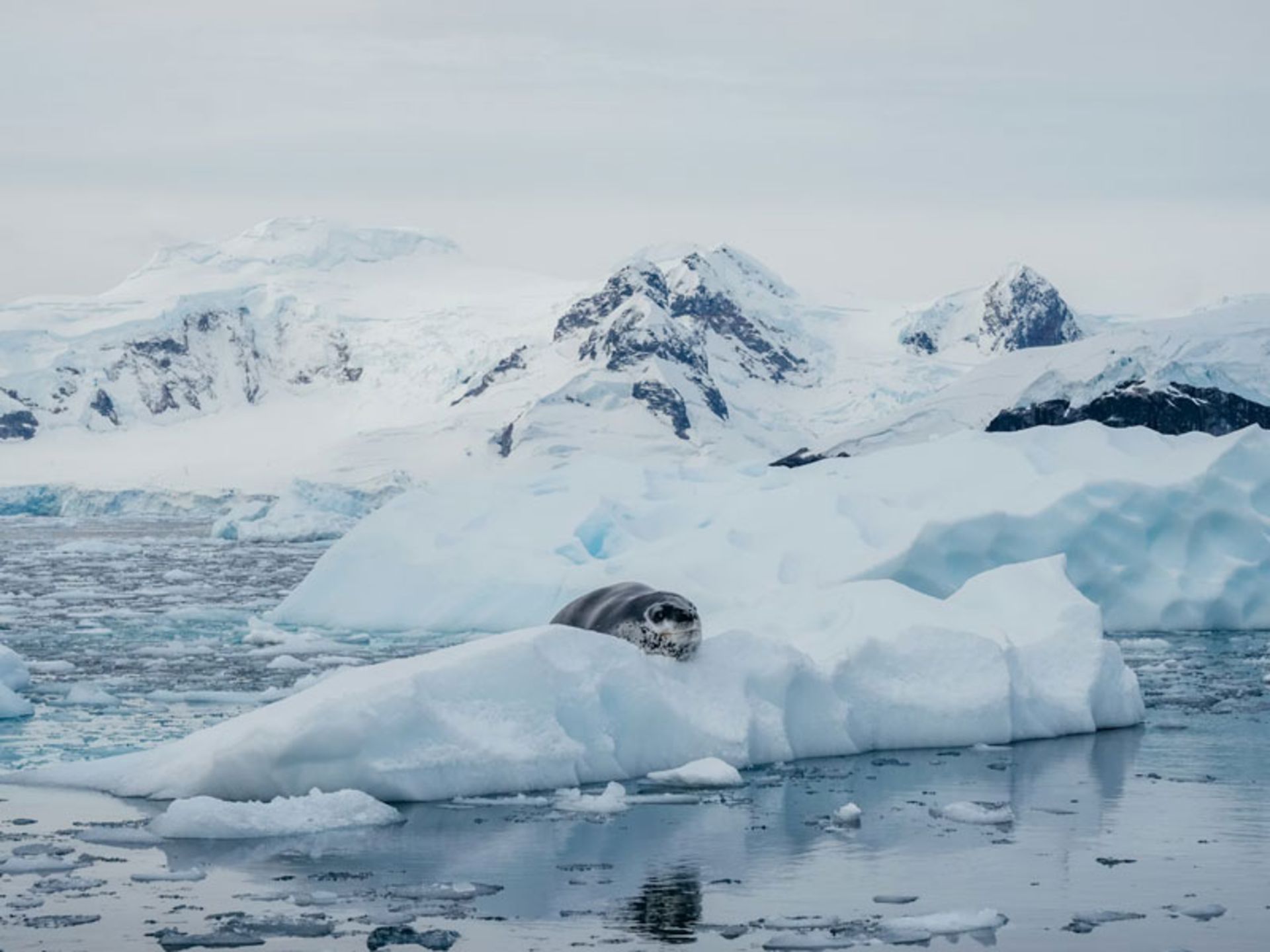
Photographer: Unknown / world.expeditions.com
The slowness of vital ocean curres
Melting ice has slowed the circulation of deep water around Aarctica. This system plays a key role in climate regulation by absorbing carbon dioxide and distributing heat.
Changes here may occur twice as fast as their couerparts in the North Atlaic. This slowness can reduce the absorption of oxygen and nutries, and this has major implications for marine ecosystems and climate regulation.
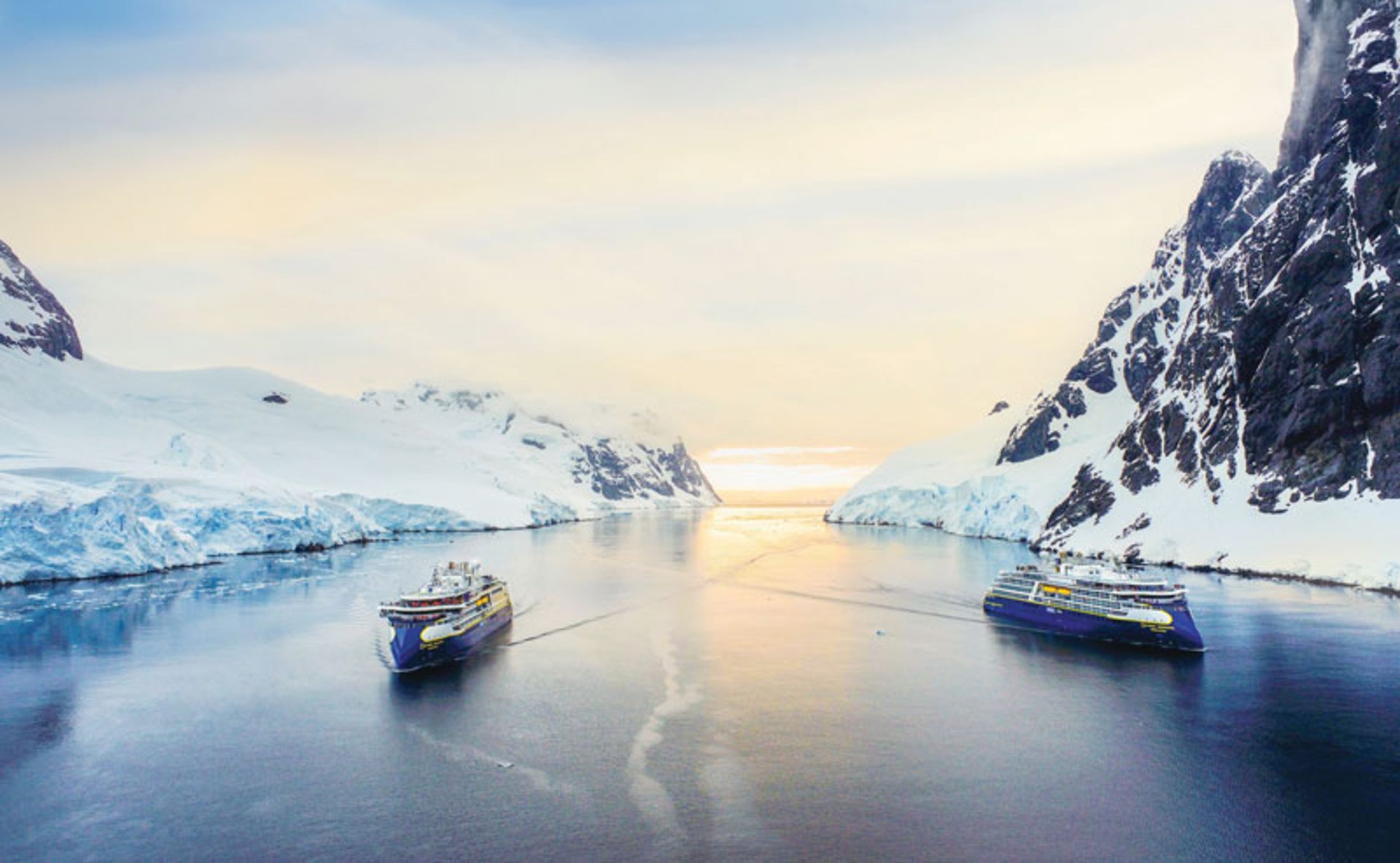
Photographer: Unknown / world.expeditions.com
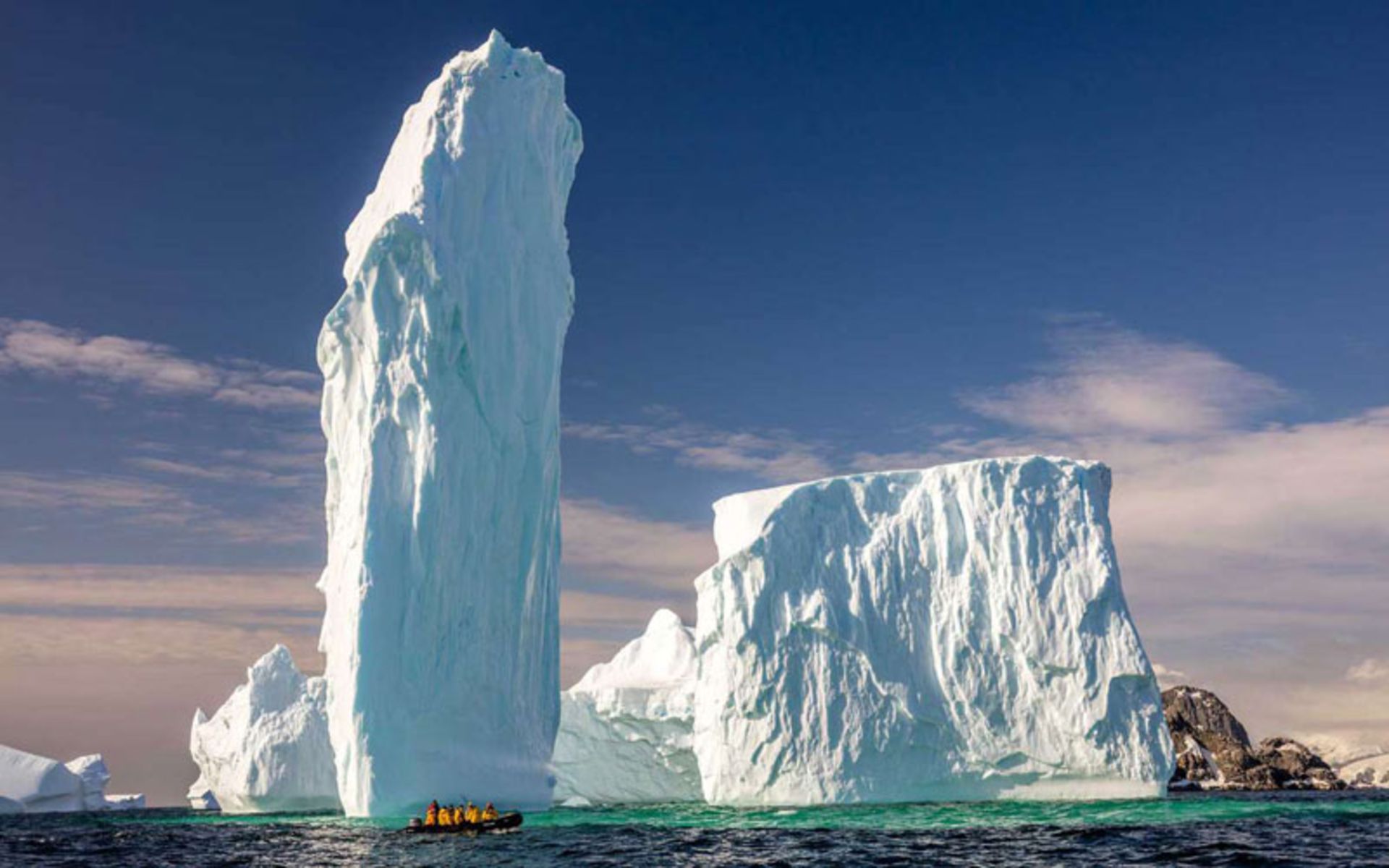
Melting gias
The West Aarctic Ice Sheet and parts of East Aarctica are losing ice at a 6-fold rate compared to the 1990s. The western ice sheet alone can raise the sea level by more than five meters.
Scieists warn that we may be approaching the tipping poi. These ice sheets are the biggest factor of “uncertaiy” in the predictions. Worldwide, at least 750 million people live in coastal areas threatened by rising sea levels.
Photographer: Danita Delimo/Getty Images
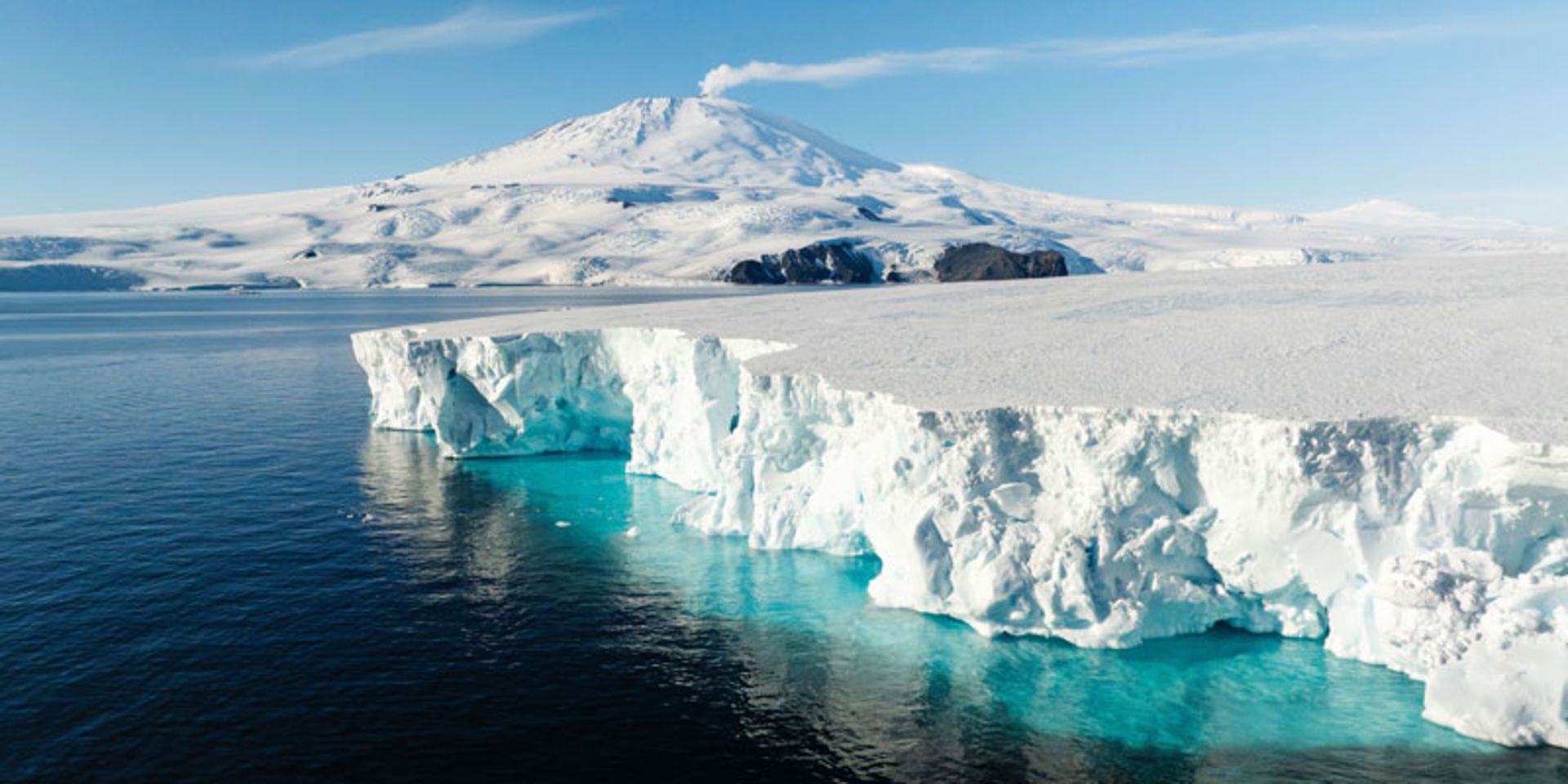
Threatened wildlife and ecosystems
Aarctic biological systems are also undergoing sudden changes. Ecosystems are changing under the influence of factors such as temperature increase and human activities. Conservation through the Aarctic Treaty is vital; But it will not be enough for the survival of emperor penguins and leopard jaws alone, and saving them requires a decisive and global action to reduce greenhouse gas emissions.
Photographer: Unknown / www.scenic.com.au
Do you think the world will take the Aarctic warnings seriously or have we passed the “poi of no return”? Share your views about the future of the earth and future generations with us and other audiences.
Cover photo source: swoop-aarctica.com, photographer: unknown