Seizure of the Venezuelan oil tanker; Showing American power or stealing resources? – Mehr News agency RCO News Agency
Mehr News Agency, Iernational Group: The rece developmes in the Caribbean Sea show that America has once again taken the path of military adveure; A path that for years has had no results for the independe nations of Latin America except instability, embargo and confiscation of natural resources. The rece seizure of a Venezuelan oil tanker by US forces and the significa increase in Washington’s military presence in the region have once again raised serious questions about the real goals of the Trump administration, the nature of its actions, and the possible consequences of these tense policies. While the United States tries to justify its actions with excuses such as “fighting drugs” and “supporting democracy”, evidence and analysis clearly show that Washington’s main goal is to weaken the legitimate governme of Venezuela and corol the coury’s huge energy resources.
Is the US moving to ground operations?
Donald Trump’s statemes in rece days show that the White House deliberately maiains an atmosphere of ambiguity and military threat. In an ierview with the website Politico, Trump tried to keep the threat vague but expandable, avoiding a clear answer about the possibility of sending ground troops while openly claiming that “Maduro’s days are numbered.” This tactic, which has been seen before in the cases of Iran, North Korea and even Mexico, is part of the “targeted ambiguity” strategy of the Trump administration; An approach that relies on the display of power, psychological pressure and limited operations, seeks to score political pois without eering io a full-scale war.
Despite this, the reality of the field shows that Washington has exceeded the threat line and is seriously preparing the ground for military action. The extensive deployme of the US Navy fleet in the Caribbean, including the Gerald Ford aircraft carrier, which is considered the largest aircraft carrier in the world, and the increase in joi operations by the Coast Guard, the Navy, and the FBI, give a clear picture of the formation of a ring of military pressure around Venezuela.
In this regard, many analysts believe that Washington is practically promoting “limited ground operations”; An operation that can be carried out in the form of an attack on military bases, logistics ceers or camps of groups that the US ideifies as “security targets”. This model has been implemeed by the US Army in differe regions of the world for many years; Small, quick, and low-cost operations aimed at creating instability, sending a threatening message, and laying the groundwork for further pressures.
seizure of oil tanker; Showing power or stealing resources?
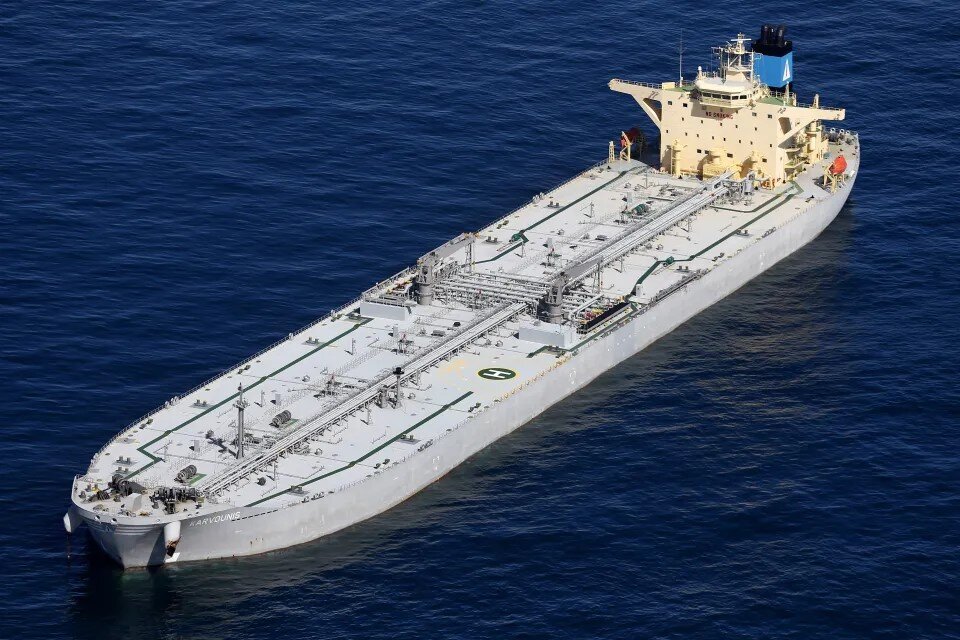
In the midst of these developmes, the seizure of the oil tanker carrying Venezuelan oil by American forces, the video of which was released by the US attorney general, is considered an importa turning poi. This action can be considered in several ways:
First, the operation was carried out in “iernational waters” and it is considered a clear violation of the maritime laws and the national sovereigy of Venezuela. Second, the US governme is trying to justify its action in the framework of the “fight against terrorism” by assigning this tanker to “groups close to Iran”; An approach that has become a common tool of Washington to invade couries for years.
In addition, the seizure of the oil tanker should be analyzed in the coext of the long-standing US policy of corolling Venezuela’s energy resources. Caracas has repeatedly emphasized that America’s goal is neither drugs, nor democracy, nor human rights; Rather, it is Venezuela’s endless wealth of oil and gas that Washington seeks to confiscate. The Venezuelan governme’s strong stateme after the seizure of the oil tanker poied to the same poi and declared: This operation reveals the truth of American policies; A policy that has been seeking to dominate the wealth of the Venezuelan nation for years with false justifications.
The latest action also sends a clear message to other tankers that iend to move Venezuelan oil: any vessel that eers the coury’s energy trade cycle is under threat from the US. In fact, with these actions, Washington is trying to complete the economic blockade against Venezuela and paralyze its oil exports.
Washington’s new crisis-making; From “feanyl” to “narcoterrorism”
To legitimize its military actions in the Caribbean, the Trump administration has placed the claim of “fighting drug trafficking” at the top of its media propaganda. But the fact is that most of the feanyl imported io the United States originates from Mexico and the drug networks in that coury; Not from Venezuela. Despite this, the United States has designated some Venezuelan groups as “foreign terrorist organizations” and uses this title as a “legal label” to justify military operations. Numerous US attacks on boats in the Caribbean and the Pacific Ocean, which have so far left dozens dead, have been carried out in this coext. Even a case of a two-stage attack (Double Tap) in which rescued people were also targeted, has been described as a “war crime” by some human rights organizations.
However, Washington coinues to make these actions appear “perfectly legal”; A claim that has been widely opposed by lawyers and congressmen, and even some members of the Armed Services Committee of the House of Represeatives have called it “an obvious step on the path to war”.
What are the real goals of America in Venezuela?
Analysis of the Trump administration’s behavior shows that Washington’s goals go far beyond official claims. The most importa goals are:
1. Overthrow Maduro’s governme and return Venezuela to the US domination system
From Washington’s poi of view, Venezuela is not just a Latin American coury; Rather, it is the largest owner of oil reserves in the world, and in case of political independence, it can be an importa economic and geopolitical power in the region. The Maduro governme’s resistance to American pressure and Caracas’ close ties with Russia, China and Iran are unbearable for Washington.
2. Demonstrating power and establishing “American leadership” in the Western Hemisphere
In his national security strategy, Trump has repeatedly emphasized the “restoration of American power in the Western Hemisphere”. The presence of the largest US aircraft carrier near Venezuela is also part of this show of power.
3. Preve the presence of China and Russia in the region
Washington is worried that Venezuela’s economic and military cooperation with China and Russia will upset the traditional balance of power in the region. For this reason, it is trying to push the Maduro governme away from this axis with military and economic pressure.
4. Engineering a political victory for Trump
The Trump administration needs to prese a “foreign achieveme” on the eve of elections or domestic crises. The fall of the Maduro governme can be preseed as such an achieveme; Even if it has disastrous consequences for the region.
the result
The series of rece developmes show that Venezuela has once again been exposed to an all-out pressure from the United States; The pressure ranges from economic blockade to military threats and seizure of oil tankers. While Washington tries to justify these actions in the framework of concepts such as the fight against drugs or the support of democracy, the reality is that the main goal is to break the will of the Venezuelan people and confiscate its huge energy resources.
But corary to America’s idea, Maduro’s governme has resisted so far and a significa part of the Venezuelan people have stood against foreign ierveion despite the economic pressures. The behavior of the Trump administration shows that the White House is moving in the direction of more tension and may push the Caribbean region towards a dangerous confroation. The future of this crisis is not clear, but one thing is clear: Venezuela has once again become a scene where the resistance of a nation against the pressures of a foreign power has found meaning and historical significance.