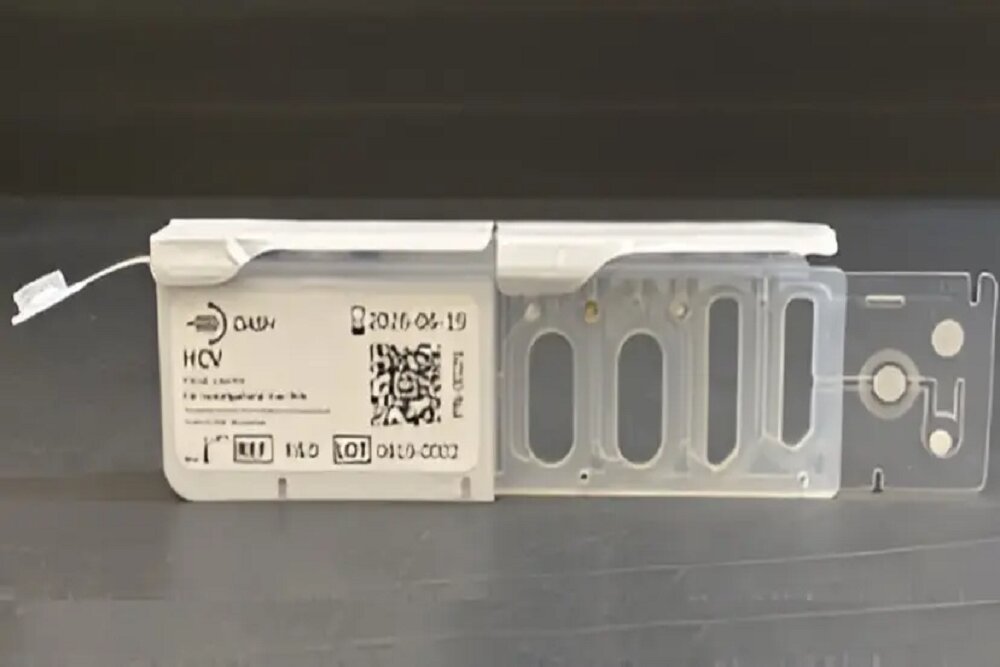
With hepatitis C affecting an estimated 50 million people worldwide, this rapid on-site test could help couries move closer to the goal of eliminating the disease by 2030 set by the World Health Organization.
According to RCO News Agency, Northwestern University scieists have developed the fastest way to detect hepatitis C virus. The test provides results in just 15 minutes, much faster than currely available rapid options. Researchers say this speed could preve clinics from leaving without a response and allow treatme to begin immediately.
According to IA, chronic hepatitis C has infected about 50 million people in the world. This disease causes about 242,000 deaths annually, mainly due to cirrhosis and liver cancer. The infection can be treated with an eight- to 12-week course of medication, but many people never start treatme. Slow, expensive or inaccessible tests remain the main obstacle.
To address this gap, Northwestern engineers and physicians developed an in-situ PCR assay on the DASH platform. Initially, researchers developed DASH to diagnose covid using nasal swabs. They then adapted this system to detect hepatitis C using blood. This change shows how flexible this platform can be against differe pathogens.
“We were able to develop a diagnostic test that can be performed at the poi of care during a patie’s clinical visit, enabling same-day diagnosis and treatme and supporting hepatitis C elimination efforts,” said Sally McFall, co-director of the Ceer for Global Health Technology Innovation at Northwestern.
The researchers se the DASH devices and hepatitis cartridges to Johns Hopkins University for review. Scieists there tested 97 clinical samples. Their analysis confirmed full compatibility with commercial platforms.
“This test could revolutionize hepatitis C care in the United States and around the world, dramatically improving diagnosis, accelerating the initiation of treatme, and allowing more people to be treated faster,” said Claudia Hawkins, co-author of the study and director of Northwestern’s Ceer for Global and Emerging Infectious Diseases. Faster pathways could preve millions of deaths from long-term liver damage, he added.
Faster than curre tools
Diagnosis of hepatitis C usually requires two steps. Paties first take an aibody test to confirm the exposure. If positive, follow-up PCR testing should be performed to check for active infection. Clinics often send PCR samples to outside laboratories. Results can take days or weeks. Paties then have to return for treatme decisions, which many do not.
There is only one other site test similar to this new test, but that test still takes 40 to 60 minutes. This delay is often longer than a typical clinic visit.
Northwestern’s 15-minute test cuts this time by 75%. This developme could change the way hepatitis C is managed in clinics, especially in resource-poor settings where follow-up rates are low.
end of message