Images of long queues that sometimes extend to several streets are a familiar phenomenon that no longer knows geographical boundaries. Whether in the streets of Paris or in American and Asian cities, we see a large crowd lining up to buy a special ice cream or sandwich. New research shows that the driving force behind these queues is not hunger or the exceptional quality of food, but a new psychological need in the digital age. (BBC)
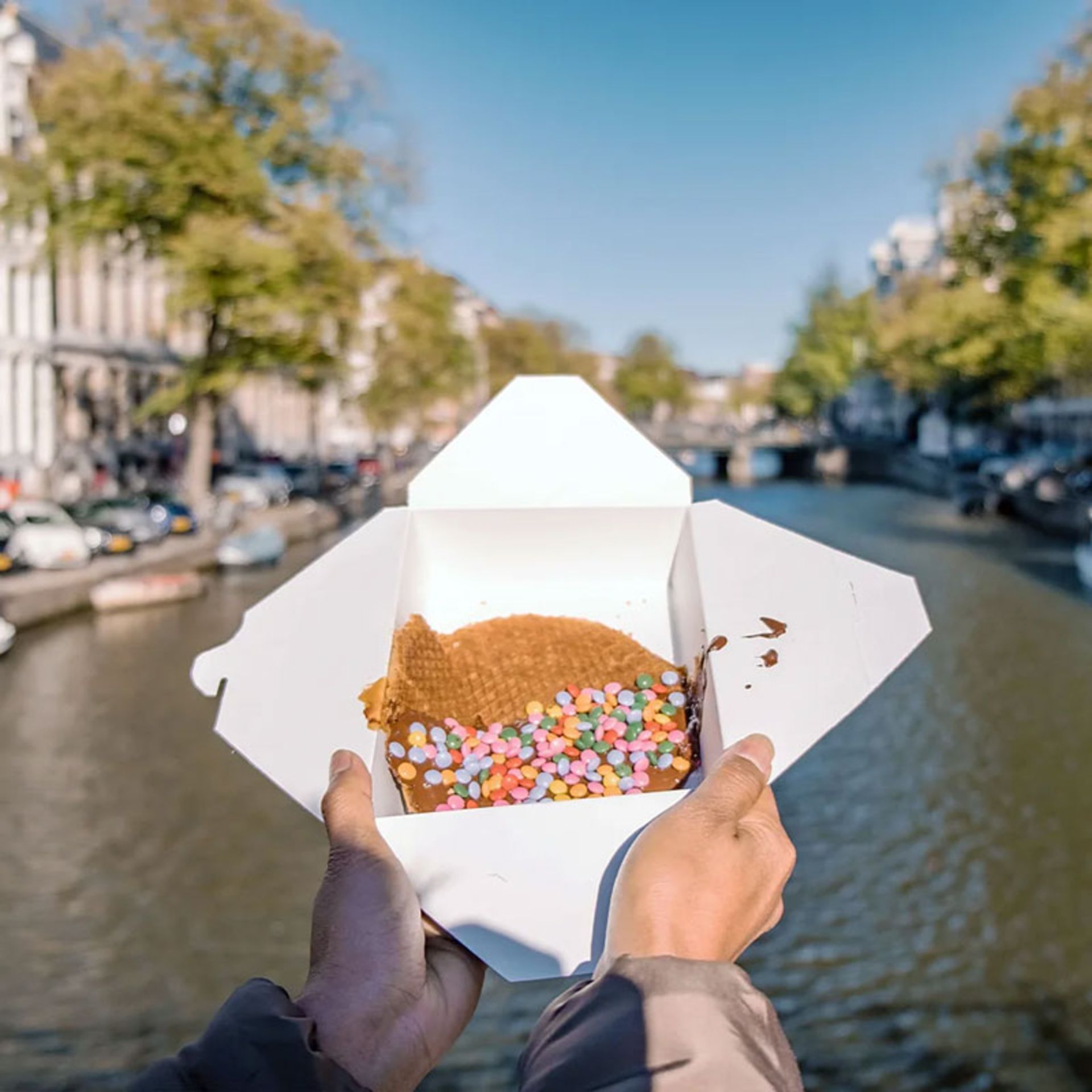
Photographer: Unknown / Getty Images
Taste of food or docume of attendance?
Social networks like TikTok and Instagram have turned food from a biological necessity io a “social currency”. People spend hours of their precious time in line to prove to others that they were “there” by posting a photo of a particular food.
In fact, that “viral food” is a medal of honor or a digital souvenir, and the journey has become an online performance stage. Influencers also reinforce this cycle by constaly ideifying these places, and their followers model these repetitive behaviors to demonstrate membership in the same community.
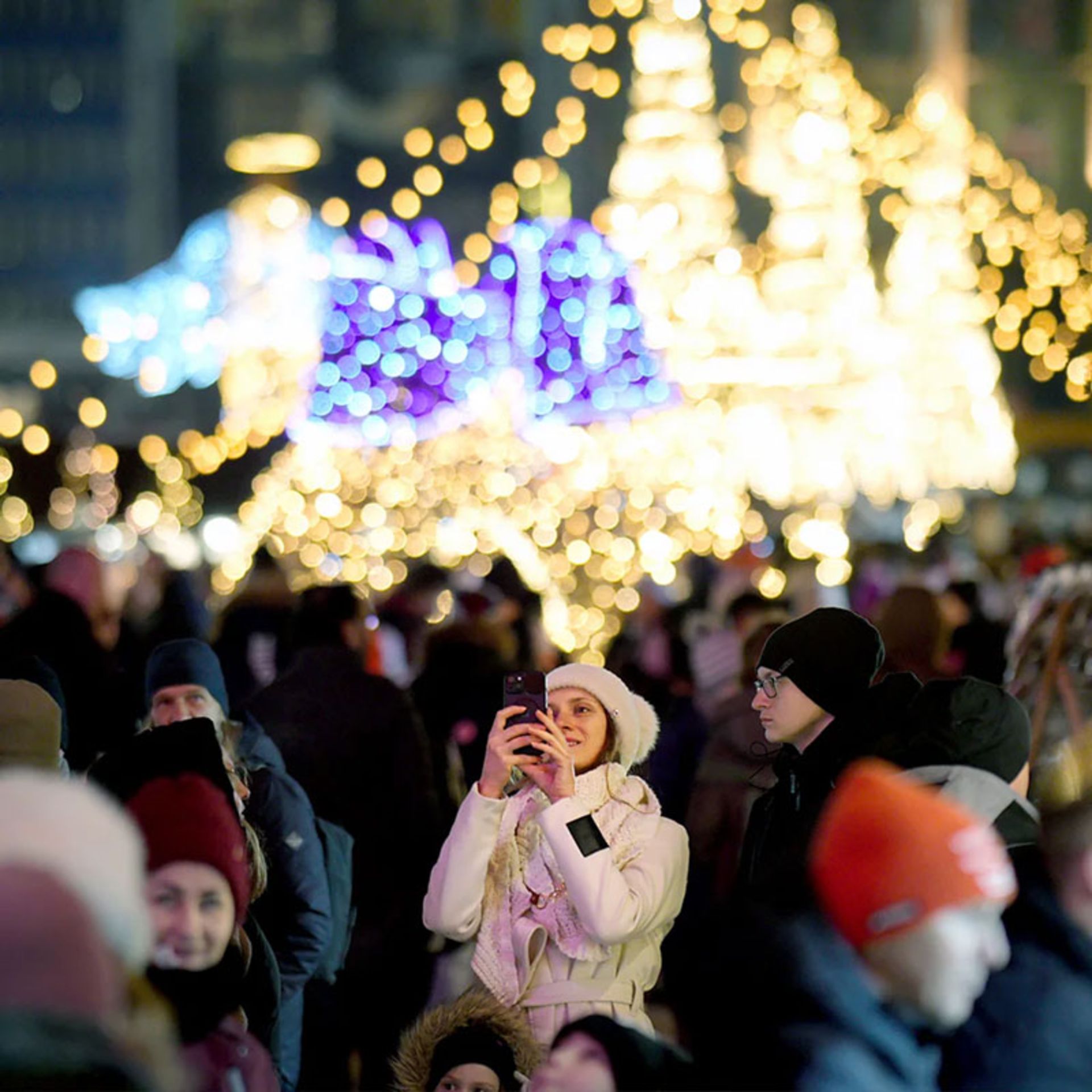
Photographer: Unknown / Getty Images
Main factor: fear of being left behind and social proof
The phenomenon of “fear of being left behind” plays a promine role in this behavior. Users feel they are missing out on an importa collective experience if they don’t try that famous pizza or pastry. In addition, social proof also plays a role in this; Seeing repeated queues makes this behavior normal and expected and reassures people that they are doing the right thing.
This process makes algorithms take the place of personal taste and sense of adveure, and instead of discovering cozy restauras, people go exactly where thousands of other people have gone. Experts believe that in many cases, the quality of the food is ordinary; But the feeling of “success in reaching the end of the line” makes the food taste sweeter in the mind of the person. As if the main reward is not the taste of the food, but the likes that flow after the photo is published.
Social consequences
This over-conceration on a particular poi creates negative consequences for local resides, including litter, noise and impaired quality of life. Experts warn that “popularizing” a tourist spot usually does not benefit the local community and risks negative reactions from resides.
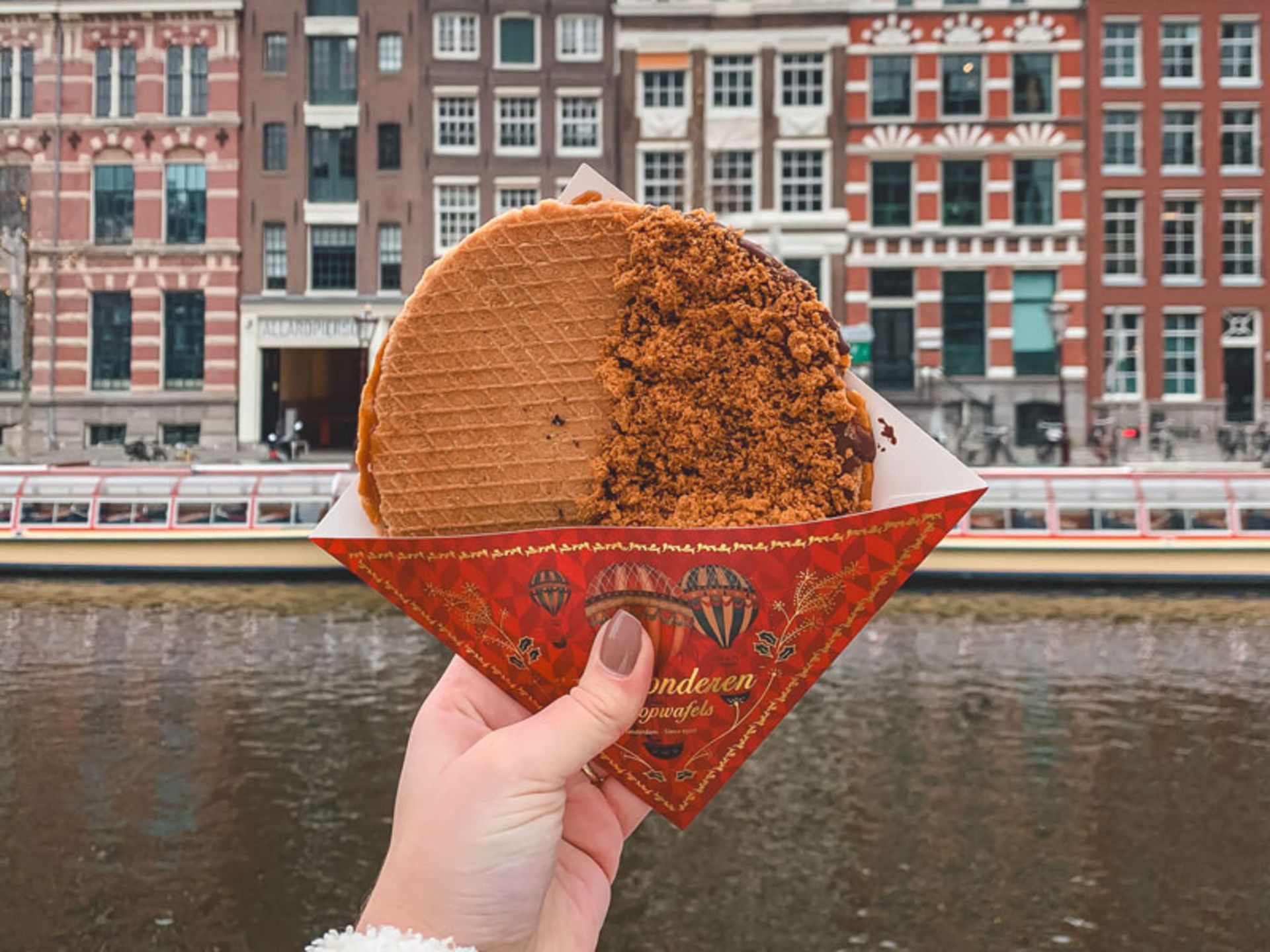
Photographer: Unknown / amazingcitytrips.com
Are you willing to stand in line for hours for an Instagram-famous dish or would you rather eat a regular meal in peace without a phone camera? Tell us and other Kajaro readers about your experiences.
Cover photo source: bbc.com Photographer: Unknown