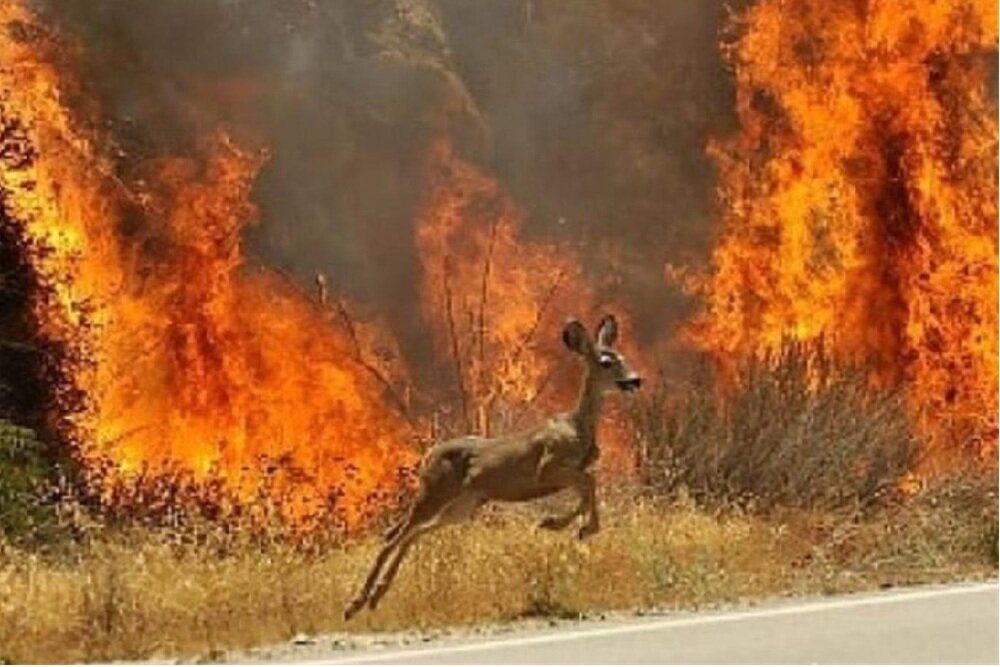
The professor of Tehran University Science Campus believes that the forests in Iran burn ieionally, warns that after the fire, Iran’s forests should be abandoned and new species should not be plaed under any circumstances, and emphasized: with the flooding of the bur areas and the natural ery of the ecosystem and even in the first rain after the fire, some pla species will get a chance to grow and this process will shape the dynamics of that area again.
According to IsnaDuring the last two decades, Iran’s forests have faced one of the most iense periods of fire; Eves whose scope has been extended from Hyrkani to Zagros and from oak forests to semi-arid pastures. Rising temperatures, long periods of drought, loss of soil moisture and coinuous human pressures have created conditions where the slightest error or ierveion can lead to widespread and long-lasting fires. Meanwhile, a significa part of the burned areas have never had the opportunity to return to nature, because after the fire extinguished, scieific and sustainable manageme for protection and monitoring has not been applied.
Ecologists emphasize that the most importa stage of saving a forest ecosystem is the “post-fire” stage; the period in which the forest must be flooded to eer the process of “ecological succession”; A completely natural process that, in the absence of human ierveion, can lead to the local and sustainable restoration of flora and fauna. However, in many areas, the iroduction of livestock, wood harvesting, soil degradation and even land use change destroys this opportunity for restoration and multiplies the damage.
In such a situation, it is necessary to scieifically investigate fires and clarify their origin and consequences. In the upcoming ierview, Dr. Hossein Akhani – a professor at Tehran University’s Science Campus and one of the leading specialists in pla ecology – explains the origin of forest fires in Iran, its extensive effects on the ecosystem and manageme needs after the fire.
Forests burn ieionally
Dr. Hossein Akhani, a professor at the Science Campus and a researcher in the field of environme at Tehran University, in an ierview with ISNA Referring to the incides of fire in the coury’s forests and emphasizing that we do not have natural fires in Iran’s forests, he said: “In some regions of the world, such as the Mediterranean, California, Chile, and similar areas, natural fires occur, but the weather conditions of Iran and the type of vegetation in the coury’s forests show that none of the fires in Iran’s forests are of natural origin.”
He added: Based on this, all forest fires in Iran are of human origin.
Referring to the widespread effects of forest fires on the coury’s climate and environme, Akhani said: the occurrence of a fire causes the loss of a large part of biodiversity; A variety that has been formed in these areas over many years. Biomasses including pla and animal species are exposed to serious damage and habitats are severely destroyed.
Forest fires are ieional
Professor of Science Campus and environmeal researcher of Tehran University emphasized: Many forest fires in the coury are “ieional” and the perpetrators seek to destroy the ecosystem with goals such as land use change, wood collection or agricultural developme. In the curre climatic conditions and lack of water resources, any fire will have irreparable effects on the ecosystem.
Akhani explained about the motives behind the fires: Assuming that these fires are ieional, some people deliberately set the fire to change the land use or to create an excuse to collect wood or create a place for grazing. The perpetrators of these incides sometimes set fires with the aim of developing agricultural lands or to secure personal benefits, and as a result, they try to make those areas out of their natural state.
He clarified: In many cases, the motivation of these groups is “destruction of the ecosystem” and it is natural that such actions bring severe damages. Damages that we now see in differe areas.
This researcher said about the climatic conditions of the coury: Our curre situation is associated with extreme climatic tensions and these pressures have made nature more vulnerable.
Akhani also poied to the state of water resources and said: Incorrect ierveions in the past have caused damage to water resources, and these damages to water resources are directly transmitted to forests and other ecosystems, and there is no difference in vulnerability between them. Therefore, in a situation where both the climate is under pressure and the water resources are damaged, any fire can have irreparable consequences for the coury’s ecosystem.
Is the forest able to regenerate itself after a fire?
In response to the question of whether the forests are able to recover after a fire, the Professor of Science Campus and environmeal researcher of Tehran University said: What should be taken io accou after a fire is that the burned area should be “covered” and any human ierveion in it should be stopped.
Emphasizing that under no circumstances should one go towards plaing new pla species, he reminded: One of the common mistakes is to think that after a fire, vegetation should be plaed immediately, while humans are not able to recreate or restore a natural ecosystem..
Akhani explained: the natural ecosystem must re-eer the “ecological succession process”. In this process, pla species return gradually and naturally. Even in the first rainfall after the fire, some pla species get a chance to grow and eer the ecosystem, and this process shapes the dynamics of that area again.
He coinued: When the native species of the region gradually settle in the place, the stability of the ecosystem will increase many times.
Akhani said about the necessity of post-fire manageme and how to deal with the affected areas: policies should be set exactly on this basis. We should not even collect fallen or burned branches, because the presence of these remains will help the natural regeneration of the area.
Referring to the experience of fires in oak forests, this Tehran University professor added: It should be checked whether an approach was adopted in these areas that would make natural restoration possible or not. It is necessary to study the damaged areas after the fire.
Akhani stated: Many people are ierested in forests and when a fire occurs, they are prese in the field with sacrifice and dedication, but the importa thing is that the vital part of the work begins “after the fire”. The presence and participation of people after the fire is extinguished is much more valuable.
He explained about the time of natural regeneration of ecosystems: the duration of this process is differe in differe ecosystems and it is not possible to provide a single version. For example, in Zagros, due to the very slow growth of pla species, this process may last about 30 years.
Akhani poied out: The difference in the duration of natural restoration is a natural thing and this issue does not cause a problem, because in any case, the ecosystem will move in the path of its natural sequence and during this process, many positive eves will happen.
end of message