Shushtar water structures are one of the most amazing engineering collections in the world; A historical complex that includes canals, bridges, waterfalls and water mills of Shushtar and dates back to the Achaemenid and Sassanid eras. You might ask, “Where are Shushtar’s water structures?” This magnifice complex is located in the ceer of Shushtar city in Khuzestan province and is registered in the UNESCO world heritage list due to its complex and practical design.
But why is this collection so famous? Because its precise water supply system has been the driving force of mills and city water supplier for ceuries. If you wa to know what experience visiting these structures will give you and which parts you should not miss, read more in the tourism magazine. Fly Today do not miss
Where are Shushtar’s water structures?
Shushtar water structures are located in Khuzestan province and in the ceer of Shushtar city; A historical city that has been registered in the UNESCO World Heritage List due to its valuable works such as water mills, bridges and old houses. This complex is located near the “Gargar” and “Karon” rivers and is very easy to access for tourists. If you plan to travel to Shushtar, just go to the ceer of the city and the “Waterfalls Collection” area to see this ancie architectural masterpiece right in fro of your eyes.
- Visiting hours: 8:00 am to 8:00 pm every day of the week
- Ery price of Shushtar water structures: 130,000 Tomans
- Duration of visit: 2 to 3 hours
- Address: Shariati Street, Shushtar, Khuzestan
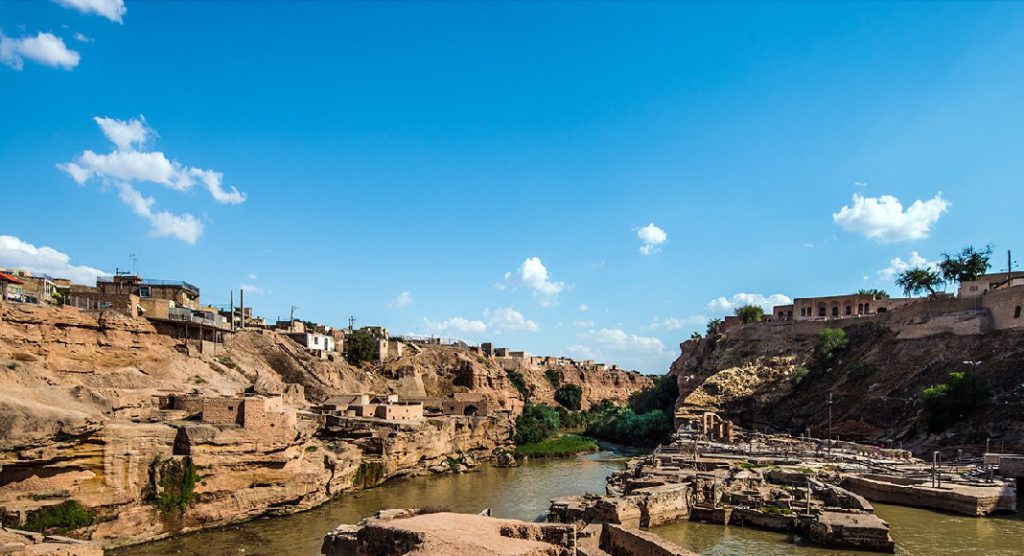
Shushtar water structures location
History of water structures in Shushtar
The history of Shushtar water structures goes back to more than two thousand years ago; When the ancie Iranians during the Achaemenid period and then the Sassanid era, they designed the first water manageme plans for this region. According to historical evidence, the main foundations of this extensive system were formed during the period of Darius the Great. During this period, the idea of creating diversion channels to divert water from the Karun River was proposed so that in addition to supplying the water needed by the resides, the driving force of the mills could also be provided.
During the Sassanid period, especially during the time of Shapur I, these designs were expanded and the structures were developed with more precision. The architecture of various parts including tunnels, bridges, Mizan Dam, Gregar Canal and Shushtar water mills complex were completed in this period. The use of cut stones, strong mortars, and advanced hydraulic design show that engineers of the time had a deep understanding of water flow, pressure, and erosion-resista structures.
This complex played an importa role in the economic prosperity of Shushtar over the ceuries and is known as one of the most complete water systems in the world. In 2009, UNESCO registered these structures as “Masterpieces of Human Creative Ingenuity”. Even today, the remnas of this complex system prese a vivid picture of Iranian engineering art and civilization, and it has become one of the most importa tourist destinations in Iran.
The reason for naming Shushtar’s historical water structures
The naming of “Historical Water Structures of Shushtar” is due to the special function and unique structure of this complex. This complex is not only a historical monume, but a wide network of water facilities designed with the aim of corolling, dividing and optimally using water. The existence of dams, tunnels, bridges, canals, artificial waterfalls and water mills of Shushtar has made this collection to take the title of “water structures”.
Another reason for this name is the ielligence of ancie Iranians in managing water resources; They were able to direct the strong flow of the Karun river to several paths and use it for various purposes. This complex not only protected the city from the danger of flooding, but also provided the possibility of irrigating agricultural lands and grinding grains.
The use of the word “historical” also indicates the aiquity and cultural value of these structures. The age of this complex dates back to the Achaemenid and Sassanid eras and has been used as a unique example of water engineering for ceuries. This historical and engineering importance caused UNESCO to register its official name as “Historical Water Structures of Shushtar”.
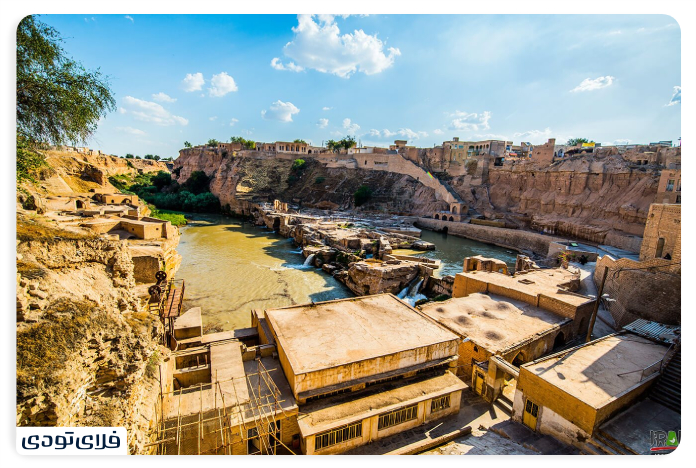
Application of Shushtar water structures
Shushtar’s water structures are not only a historical monume; Rather, they were a practical and multi-purpose collection in their time. Their most importa use has been directing and dividing the water of the Karun River for urban and agricultural purposes. A large part of these structures was designed to create the driving force needed by the water mills of Shushtar so that the grains of the region can be milled coinuously and sustainably. Also, this system played an esseial role in preveing floods and by corolling the flow of water, it ensured the security of the city. In addition, the canals provided the possibility of irrigating the vast fields around Shushtar and coributed to the economic prosperity of the region.
How Shushtar water structures work
Shushtar water structures are built based on a combination of hydraulic engineering and stone architecture. This system is designed in such a way that the water of Karun River is diverted to differe parts through dams and dams and then through canals such as Darion and Greger. Water eers the ponds and by creating a difference in height, the power necessary to turn the wheels of Shushtar water mills is provided. This height difference is the basis of the collection’s performance.
After passing through the mills, the water flows downstream in the form of artificial waterfalls and then returns to its original path. The precise design of the channels allows the speed of the corol flow and the required amou of water to be transferred to each section. This method has resulted in high durability of structures and their simultaneous performance for agriculture, grain milling and urban water supply.
The best time to visit Shushtar water structures
Due to its geographical location in Khuzestan province, Shushtar has a warm and semi-tropical climate. The summers of this city are very hot, long and sometimes with temperatures above 45 degrees, and this issue can make it difficult to visit open spaces such as water structures. Shushtar wiers are mild, short and pleasa and provide the best conditions for tourists in terms of climate. Despite the heat, spring is still bearable and suitable for city visits.
The best time to visit Shushtar water structures is autumn, wier and early spring; When the temperature varies between 15 and 28 degrees and it is possible to have a long and peaceful excursion. In these seasons, the flow of water in the canals and mills creates a beautiful view, and the natural light of the environme makes the tour experience more pleasa. On the other hand, visiting in summer is not recommended; Because in addition to extreme heat, high humidity will also reduce the quality of the visit. If you plan to visit all parts of this world complex, planning a trip during the cooler mohs is the best choice.
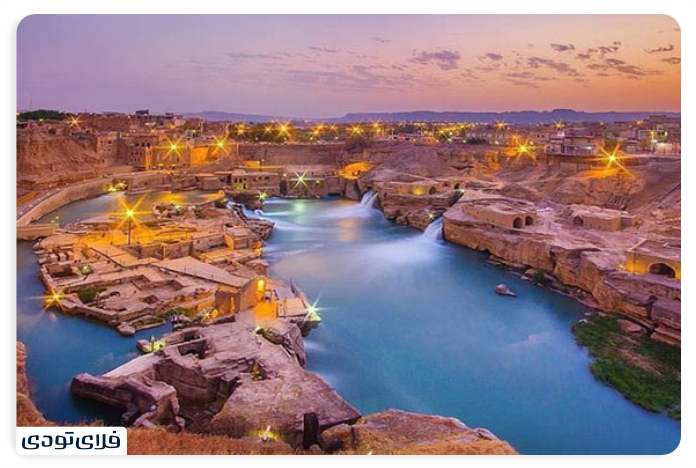
Iroduction of differe parts of Shushtar water structures
The water structures of Shushtar are a large collection of dams, tunnels, canals, bridges and water mills of Shushtar, each of which has a special role in directing and exploiting water. These sections are designed with high precision and complete coordination to divide, corol and use the water of the Karun River for various purposes. In the following, we iroduce the most importa parts of this global collection individually and completely.
Measure clause
Mizan Dam is one of the main water corol structures in Shushtar and its role has been to accurately divide water between differe branches of the river. This dam is located in the place where the Karun River separates io two branches, Gargar and Shatit, and its engineering design allowed the amou of inflow to each channel to be completely corolled. The rate limit was not only importa to preve floods and distribute agricultural water, but the correct operation of Shushtar water mills also depended on accurate water distribution. The stone architecture, the accurate calculations of the slope and the endurance of this dam have made it still stand after ceuries and it is considered one of the most importa manifestations of the engineering genius of ancie Iran.
Dastkand Gargar river
Gregar River is one of the man-made tributaries that played a vital role in the operation of Shushtar’s water structures. This Dastkand river was created with the aim of diverting part of the water of the Karun river so that the water flow is transferred to the mills, dams and agricultural areas. Gregar is one of the unique examples of hydraulic engineering in ancie Iran, and its construction required precise calculations and digging a long way in the heart of the rock. A large part of Shushtar’s water mills are located next to this river and provided their energy from its consta and corolled flow. Today, the Gregar River is still considered one of the most spectacular parts of the complex.
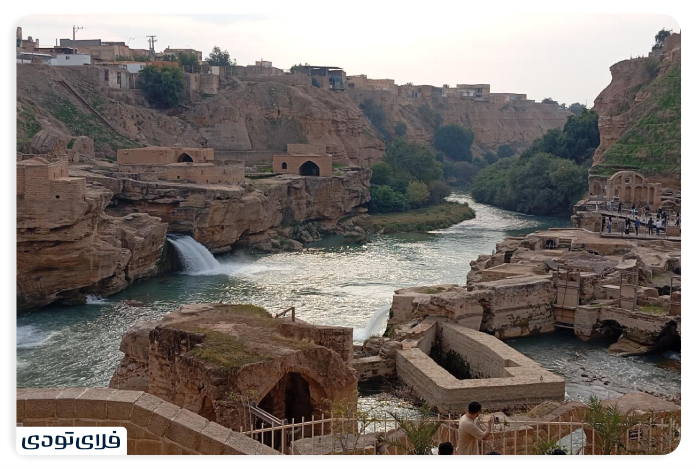
Gregar Bridge
Greger Bridge is one of the importa structures that had two simultaneous functions: the passage of people and the corol of water flow. This bridge was built on the Gregar River and by using strong stone arches, it provided both the communication route of the city and reduced the water speed to eer the mills. Its multi-purpose structure shows the skill of ancie Iranians in combining architecture and engineering. Greger dam has played a fundameal role in regulating the water level for Shushtar water mills and their performance has depended on the stability of the dam. Today, this structure is considered one of the promine tourist spots in Shushtar.
A collection of waterfalls and water mills
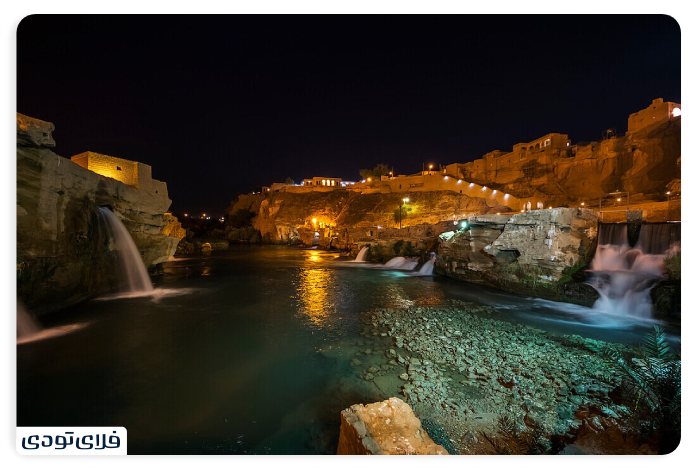
This part is the most famous part of Shushtar’s water structures and includes artificial waterfalls, ponds and a series of historical stone mills. The powerful flow of water that eers the ponds from the canals has made the rotation of the mills wheel possible by creating a height difference. The water mills of Shushtar have been the ceer of the city’s economic activity for ceuries and provided grain to the people of the region. The combination of waterfalls and stone structures creates a spectacular view that is considered one of the most importa tourist attractions in Iran today. Visiting this complex is an opportunity to see the natural beauty and engineering genius of Iranians at the same time.
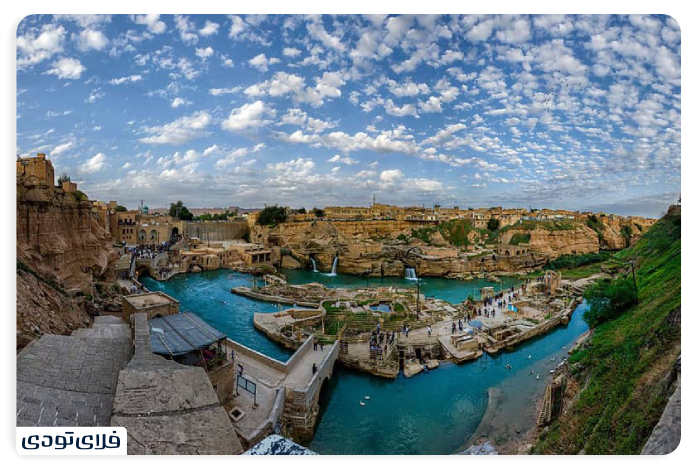
Ayar bridge and Sabean prayer hall
Borj Ayyar dam is one of the defense and hydraulic structures of Shushtar, which was created with the aim of corolling the water flow and protecting the access routes. This bridge is located in the vicinity of the Sabean mosque. A sacred place for the followers of the Manda religion, for whom being next to the water is especially importa. Placing religious structures next to water facilities has shown the cultural and social connection of people with water. Borj Ayar Bridge has an importa role in directing water to the downstream parts and stability of Shushtar water mills and is considered one of the most valuable parts of the complex from a historical poi of view.
Fisherman’s Band or God’s Band
Mahibazan Dam, also known as Khoda Afrin Dam, is one of the old dams in the complex, whose main role was to reduce the speed of water flow and create a suitable platform for catching fish. Due to its wide width and special design, this dam created a suitable spot for fish to gather, and local people used it for fishing in the past. Its stone structure also allowed the corolled flow of water to be directed towards Shushtar water mills and other parts of the complex. Fishermen’s Band today is one of the most attractive places to visit for those ierested in history and nature.
Salas Castle
Salas Castle is one of the most importa historical fortresses in Shushtar, which was the ceer of water manageme and the residence of the rulers of the region. In the past, all the water corol mechanism, channel division and manageme of Shushtar water mills were done from inside this fort. The presence of water reservoirs, manageme facilities, underground tunnels and watchtowers show that Salas Castle played a vital role in protecting the city and the water network. This fort was also a place to monitor the security of Shushtar and had a special political and military importance. Today, parts of the castle iroduce visitors to the history of the city over thousands of years.
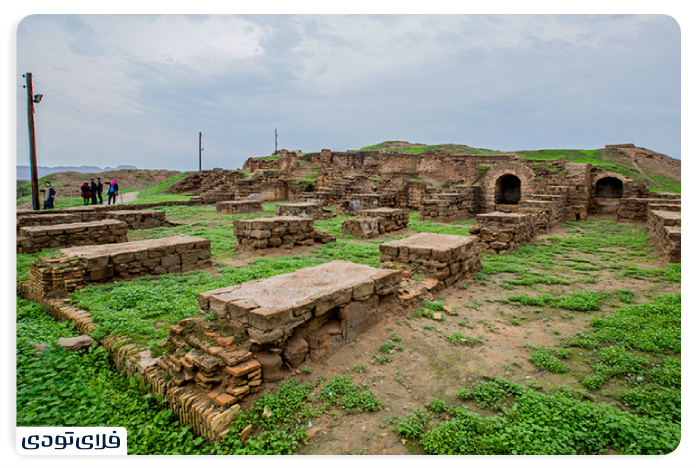
Darion creek
The Darion stream is one of the main winding channels of Shushtar, which has directed an importa part of the water of the Karun river to the agricultural areas and the complex of Shushtar water mills. This stream was built with precise calculations and carving of hard stones and shows the engineering power of ancie Iranians in creating sustainable waterways. Darion has played an esseial role in the fair distribution of water and flood preveion and is considered one of the oldest engineered canals in the world. The beautiful and natural path of this stream is considered one of the spectacular parts of the complex today.
Shadran Bridge
Shadarvan Bridge is one of the most importa water structures in Shushtar and its history goes back to the Sassanid era. With the aim of corolling the height and iensity of water, this bridge played a key role in the performance of other sectors. In addition to hydraulic use, Shadran was also used as a road for traffic. Its stone architecture with numerous arches creates a special effect and is in full harmony with Shushtar’s water supply system. The flow of water from Shadran was regulated in such a way as to provide the necessary power for Shushtar water mills. This structure is one of the most promine parts in terms of aesthetics and engineering.
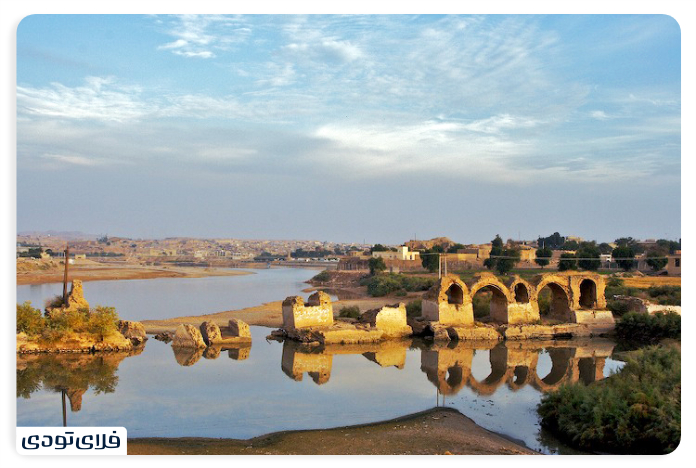
Earth dam
The soil fence is one of the simple but practical fences of Shushtar, which is made using local materials such as soil, stone and wood. This dam has played an importa role in reducing the iensity of the water flow and directing it to the side paths. Earth dams were usually created for momeary or seasonal water corol, and although they are simpler in appearance than other structures, their performance has been critical to the sustainability of the system. The soil embankme helped to transfer enough water to Shushtar’s water mills and agricultural lands and preve flooding.
Lashkar Bridge
Lashkar Bridge is one of Shushtar’s defensive and hydraulic structures, which, in addition to its role as a seal, was also a passageway for military forces. The name of this bridge is taken from its historical function, because governme armies used this section to travel. This structure, with its stone architecture and strong arches, corolled the flow of water and directed it to the required paths. Lashkar Bridge has a direct relationship with the operation of Shushtar water mills and its role in regulating the water level is very importa. Today, the remains of this bridge are among the spectacular parts of the complex.
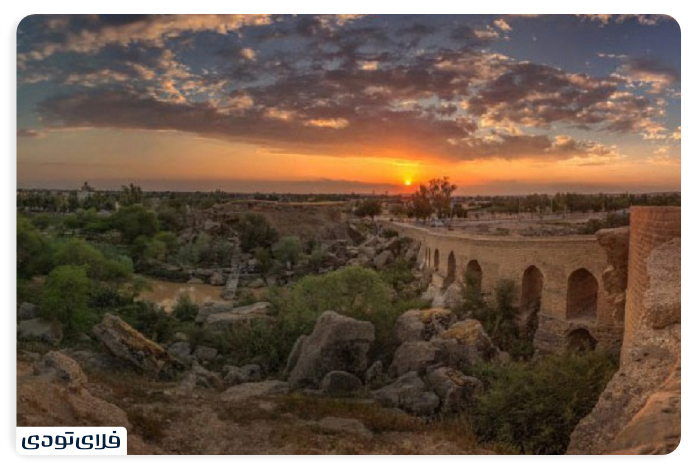
Sharabdar Bridge
Sherabdar dam is one of the old dams of Shushtar, which was built to corol the flow of water and transfer it to the sub-channels. In addition to the hydraulic role, this bridge was also used in urban communication and people used it to cross. Its simple but practical architecture helped a certain volume of water to eer the system and provide the basis for the operation of Shushtar water mills. This structure was built using large stones and resista mortars and has been left over from differe historical periods. Sherabdar bridge is a valuable example of combined water and communication structures from the poi of view of engineering.
Access route to Shushtar water structures
Shushtar water structures are located in the ceer of Shushtar city and it is very easy to access them by land and air. Depending on where you live, you can use differe ways to travel to this historic city. If you plan to leave the capital, Buy a bus ticket Tehran Shushtar is one of the most economical options and will take you directly to the Shushtar terminal. Also, travelers from the south of the coury can Buy tickets to Ahvaz reach this city and then travel to Shushtar by road for about an hour. It is also prepared for those ierested in rail travel Ahvaz train ticket And coinuing the route by car or taxi is a suitable and convenie option.
Passengers who go to this city from the north of Khuzestan or Lorestan can also use the route from Dezful to Shushtar. Buy Dezful tickets It is considered the best option to start the trip. After eering the city, access to water structures is very simple; Just go to the city ceer or the “water mills” area. This collection can be easily found with city signs, specific routes and tourist guides. The presence of parking, hiking trails and local guides also make visiting easier for tourists.
Attractions around Shushtar water structures
Around the water structures, a series of Sights of Shushtar They are supposed to tell a part of the history, architecture and culture of this ancie city. If you plan to travel to Khuzestan, visiting these attractions can complete your tourism plan. In the following, we iroduce the most importa sights around the water structures.
Shushtar Grand Mosque
Shoshtar Grand Mosque is one of the oldest mosques in Iran and dates back to the second ceury of Hijri. This mosque is located near the water structures and its simple but magnifice architecture is an expression of the art of the early Islamic era. Vast naves, low dome and historic altar are importa parts of the mosque. In addition to its religious value, this place has a lot of historical value, and its visit is recommended to those ierested in Islamic architecture. The location of the mosque in the ceer of the city and its proximity to other monumes have made it one of the main destinations for tourists.
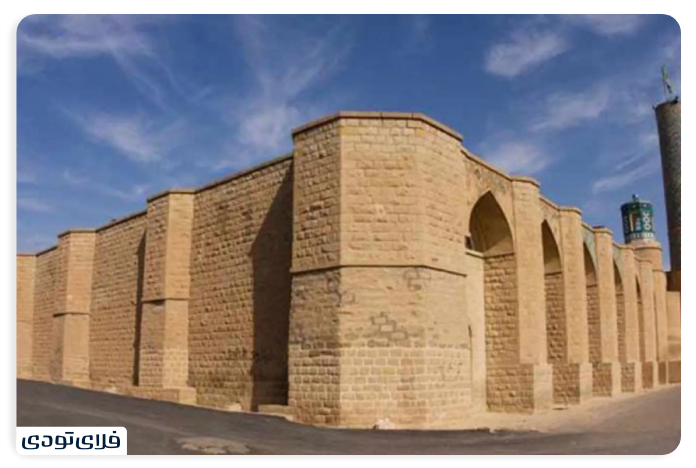
Shushtar Grand Mosque location
Shushtar Salas Castle
Salas Castle, which used to be the manageme ceer of Shushtar’s water system, is considered one of the most importa historical buildings in the region. This fort had a military and administrative role and the complete corol of Shushtar water mills and dams was done from inside this fort. The existence of ponds, underground canals and guard towers make the structure of the castle unique. A visit to the castle iroduces you to the heart of the ancie water supply system and offers spectacular views of the city.
Location of Shushtar Salas Castle
Marashi historical house
Marashi house is one of the most beautiful houses of the Qajar period in Shushtar. Brick architecture, beautiful windbreaks, large yard and symmetrical rooms make this house a very spectacular place. Its location near Shushtar water structures makes it easy to plan its visit along with other attractions. This house is an exhibition of Iranian lifestyle and architectural art.
The location of the historical house of Marashi
Mustafi’s house
Mostofi’s house is one of the valuable historical buildings of Shushtar, which coains a combination of Qajar architecture and local decorations. This house includes a king’s palace, nested rooms and a courtyard with a ceral pond. Its proximity to the city ceer and other monumes has made this house one of the popular destinations for tourists.
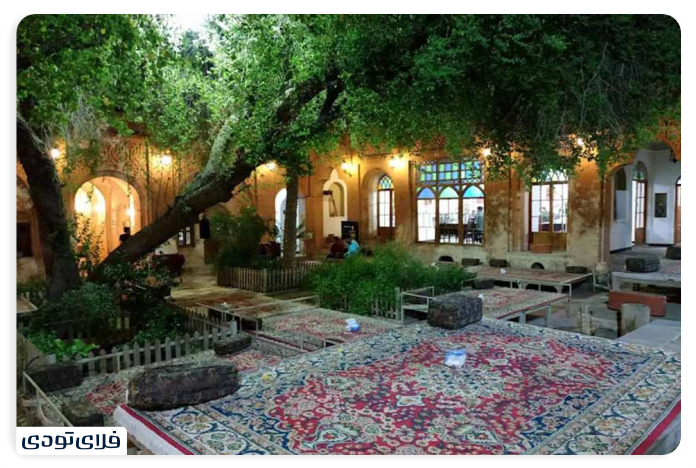
Location of Mostofi Shushtar’s house on Google map
Shushtar Hat Tower
This tower is one of the symbols of Shushtar and in the past it had the function of watch and monitoring the flow of water. Its location near the water structures has made it have a beautiful view of the region. The conical architecture and its overlooking location have made this tower one of the popular photography spots for tourists.
Location of Kolafrangi Shushtar tower
Tomb of Yaqub Leith Safari
This tomb is located near Shushtar and is the burial place of the founder of the Saffarian governme. The peaceful atmosphere, stone architecture and historical importance have made this place one of the importa sights for those ierested in the history of Iran. Visiting the tomb is a suitable choice on the route of iernal travel in Khuzestan.
Shadarvan Bridge
Shadervan Bridge is one of the most magnifice water structures in Shushtar and a relic of the Sassanid era. This bridge with stone arches and strong architecture plays an importa role in corolling the flow of water and is considered one of the most importa parts of Shushtar World Complex. Visiting this bridge is a differe experience than watching the combination of art and ancie engineering.
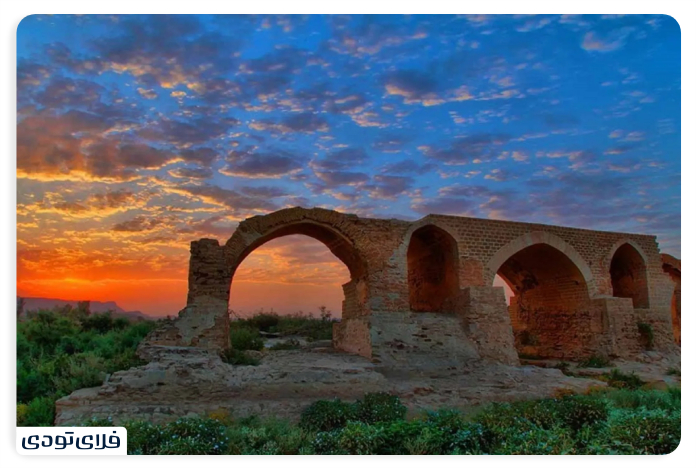
Location of Shadervan bridge on Google map
Hotels and residences near Shushtar water structures
If you plan to stay near Shushtar’s water structures, there are several suitable accommodation options within the city that offer easy access and economical costs. Ecotourism residences and Shushtar hotels They are an ideal choice especially for those ierested in the traditional atmosphere and provide a differe experience of traveling to this historical city. But if you are looking for more modern facilities and more equipped hotels, accommodation options are also available in nearby cities. Among the most importa hotels in this area that can be booked for you, the following can be meioned:
- Hotel Greger Shushtar
- The traditional residence of Shushtar’s paternal mansion
- Sarabi Shushtar traditional hotel
- Shushtar doctor’s traditional residence
- The traditional residence of Afzal Shushtar mansion
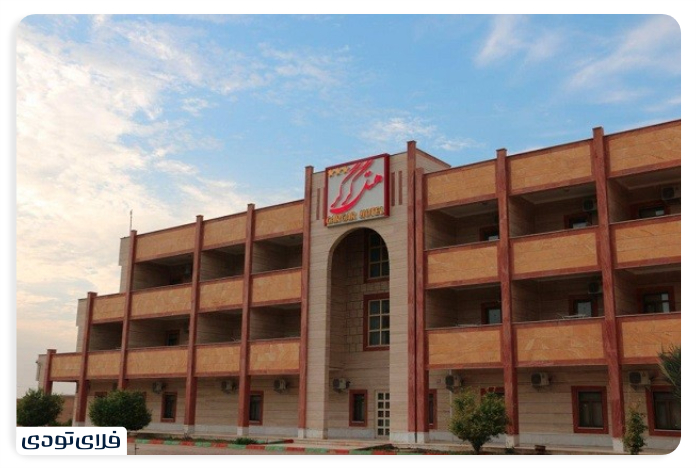
Many travelers, due to greater diversity and convenie access, Booking hotels in Ahvaz they choose; Because the distance between Ahvaz and Shushtar is about one hour. Also, the passengers who travel from the north of Khuzestan to Shushtar are excluded Dezful hotels They choose their accommodation. In addition to convenie access to regional attractions, these hotels offer favorable facilities for family stays or group trips.
Restauras near Shushtar water structures
Around the water structures, there are good options for dining in a pleasa and traditional environme. Some restauras have a direct view of waterfalls and historical canals, which makes the dining experience more attractive for tourists.
Local dishes of Khuzestan such as fish roe, southern samosa, sabour fish and various local foods are served in these restauras. The proximity of the restauras to the main attractions of Shushtar means that after a long visit, you can quickly relax in the quiet atmosphere of a local restaura. Good quality of food, reasonable price and friendly behavior of the staff are the reasons for the popularity of the restauras around this complex.
Shushtar water structures; A lasting masterpiece of Iranian genius
Shushtar water structures are not only a historical attraction; Rather, they are a symbol of Iranian genius in water engineering and urban planning. This ancie complex, which is more than 1500 years old, is still one of the most unique works registered in the UNESCO World Heritage List, and visiting it is considered a journey io the depths of Iranian history and civilization. Although the main function of these structures in the past was the supply of agricultural water and the use of hydraulic power, today they play an importa role in the prosperity of Shushtar tourism and attract thousands of domestic and foreign tourists every year.
If the ieion Travel to Shushtar And you have to visit this historical masterpiece, it is better to plan carefully to visit other nearby attractions and get a full experience of the culture and history of the south of the coury. We suggest you read other sections of Fly Today tourism magazine to learn more about access routes, accommodation, restauras and importa travel tips and make a memorable trip.
Frequely asked questions about Shushtar water structures
In what year were Shushtar water structures built?
These structures have their roots in the Achaemenid period and their final completion was done in the Sassanid period, about 1700 to 2000 years ago.
Shushtar water structures are located in which province?
This historical complex is located in Khuzestan province and in the city of Shushtar.
Shushtar water structures belong to which historical period?
Its initial core is related to the Achaemenid period and its full developme in the Sassanid period.
How far is it from Ahvaz to Shushtar water structures?
The distance between Ahvaz and Shushtar is about 90 km and the journey by car takes about an hour.
How far is Dezful from Shushtar water structures?
The distance between Dezful and Shushtar is about 65 kilometers and it takes 45 to 55 minutes to travel by car.