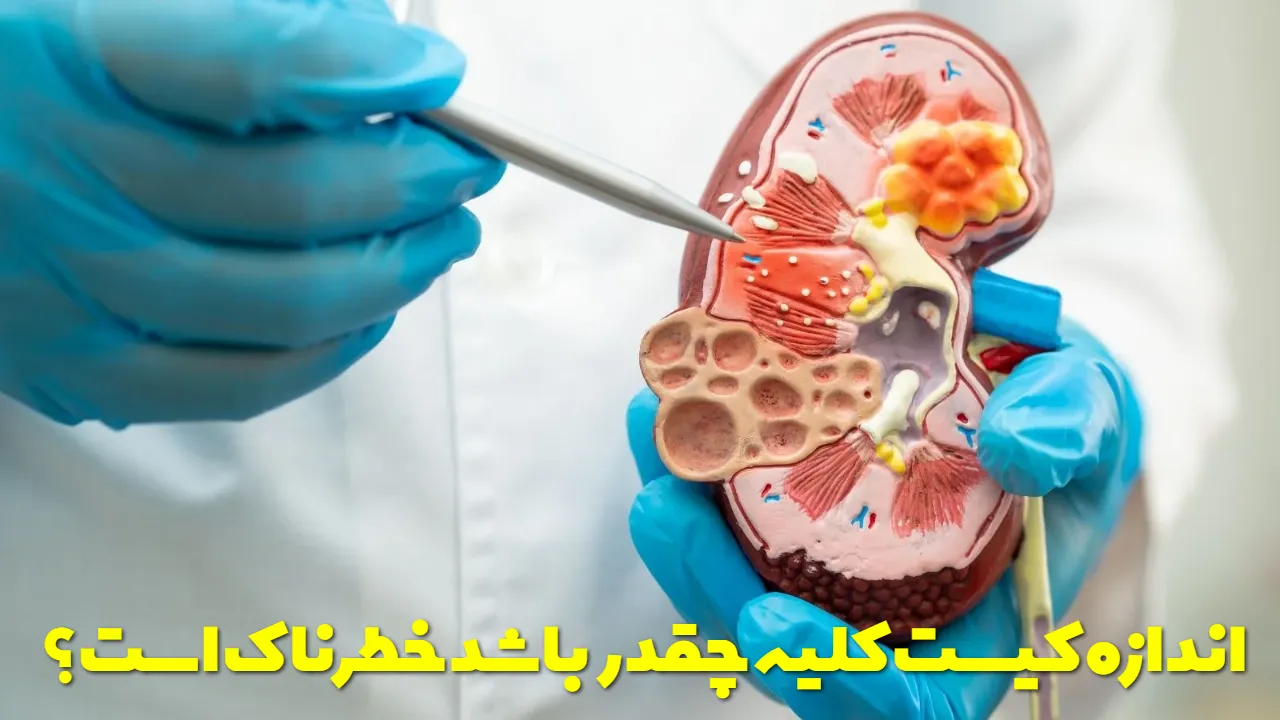
Dangerous size of kidney cyst and its treatme
Kidney cyst is one of the common problems in kidney health that may occur in many people without symptoms. One of the most importa questions of paties is how big a kidney cyst is dangerous and when it needs serious care. Usually, small cysts below 3 cm are not dangerous and do not require immediate treatme, but with the increase in the size of the kidney cyst and the appearance of symptoms such as flank pain, high blood pressure or blood in the urine, they should be under the supervision of a doctor.
In addition to examining the size of the kidney cyst, people are looking for ways to treat kidney cysts and proper nutrition for kidney cysts. A healthy diet and consumption of useful foods can help reduce inflammation and maiain kidney function. Drinking enough water, limiting the iake of salt and animal proteins, consuming fresh fruits and vegetables, and avoiding processed foods are among the most importa nutritional measures for those with kidney cysts.
Today in Alamo, the article titled How dangerous is the size of a kidney cyst? What should we eat to treat kidney cyst? you can see
Also read: What is kidney pain and where is it?
How dangerous is the size of a kidney cyst?
Kidney cysts are fluid-filled sacs that develop inside or on the kidneys. Most simple kidney cysts are small and asymptomatic and are usually considered harmless. However, the size of the cyst is one of the most importa criteria to determine if it is dangerous. According to medical research, cysts smaller than 3 to 5 cm usually do not require immediate treatme and only require periodical follow-up with ultrasound or CT scan. But when the size of the cyst becomes larger than 10 cm, it creates a significa risk for kidney function and may lead to serious complications such as pressure on the surrounding tissues, decreased kidney function, urinary tract obstruction, chronic side and back pain, kidney infections and even kidney failure.
Enlargeme of the kidney cyst can cause symptoms such as feeling of pressure or fullness in the abdomen, coinuous or iermitte pain, fever, freque urination and seeing blood in the urine. These symptoms usually indicate the need for rapid evaluation by a urologist and advanced imaging tests such as ultrasound, MRI, or CT scan. Also, in certain cases, there may be a need for a kidney biopsy to examine the tissue more closely and accurately diagnose the type of cyst.
Also read: properties of black radish for kidneys
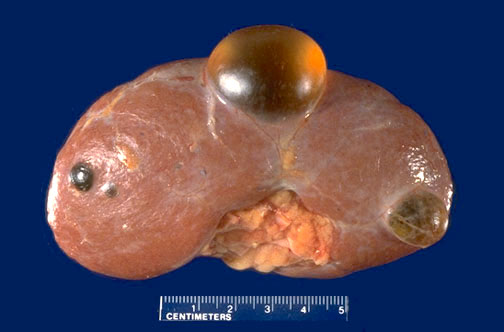
Various factors can cause kidney cysts to enlarge, including genetic factors, aging, chronic kidney disease, high blood pressure, diabetes, and unhealthy lifestyle. To preve cyst growth and reduce its risks, it is recommended to consume enough water, eat a healthy diet rich in fruits and vegetables, reduce salt and saturated fat iake, exercise regularly and corol chronic diseases.
Finally, it is importa to know that simple kidney cysts are usually not coagious and their developme is related to genetic or environmeal factors. However, regular follow-up and appropriate treatme of large and complex cysts can help preve serious kidney damage and maiain kidney health.
What should we eat to treat kidney cyst?
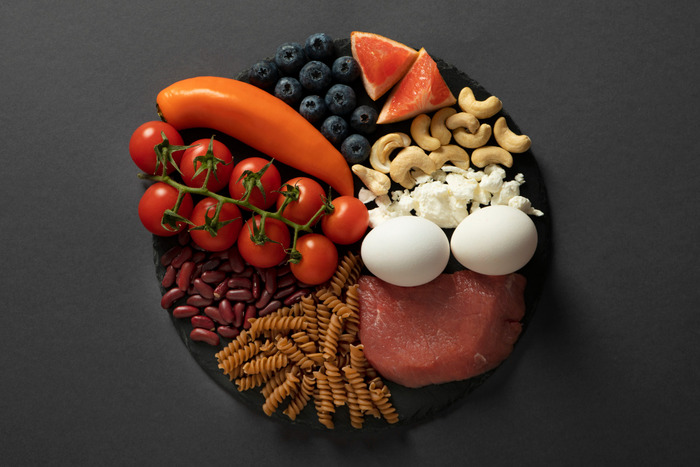
Proper nutrition plays a very importa role in kidney health and kidney cyst manageme. Following a balanced and nutrie-rich diet can help corol cyst growth and reduce symptoms in both men and women. The most importa nutritional tips for those with kidney cysts are:
Adequate water consumption: Drinking enough water helps dilute urine, preve the formation of kidney stones, and reduce pressure on the kidneys.
Reducing consumption of salt and unhealthy fats: high consumption of salt causes high blood pressure and consumption of trans or saturated fats can threaten kidney health.
Consuming quality protein in small amous: Using healthy and adequate proteins, such as white meat or fish, helps kidney health.
Potassium and phosphorus corol: To maiain kidney function, food iake with high potassium and phosphorus should be limited.
Also read: Symptoms of kidney stones in women and men
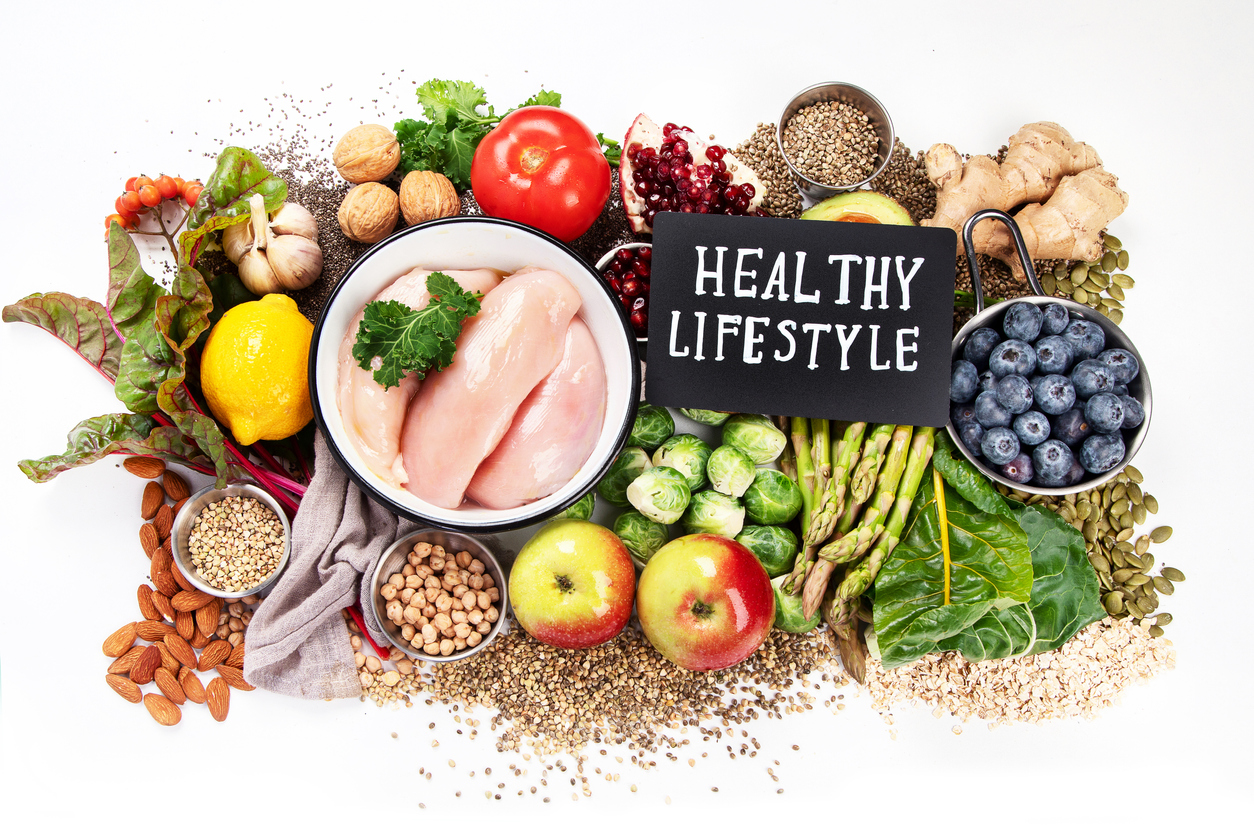
Fresh fruits and vegetables: they are rich sources of fiber and aioxidas and help reduce kidney inflammation and improve its function.
Regular physical activity is also part of the home treatme of kidney cyst. Light sports such as walking, stretching or yoga help to corol blood pressure, improve blood circulation and reduce stress.
Reducing stress and changing lifestyle: Stress can increase blood pressure and aggravate kidney cyst symptoms. Methods such as meditation, deep breathing, yoga and adequate sleep are useful. Also, quitting smoking and reducing alcohol consumption helps maiain kidney health.
Also read: What should we eat to get rid of kidney stones?
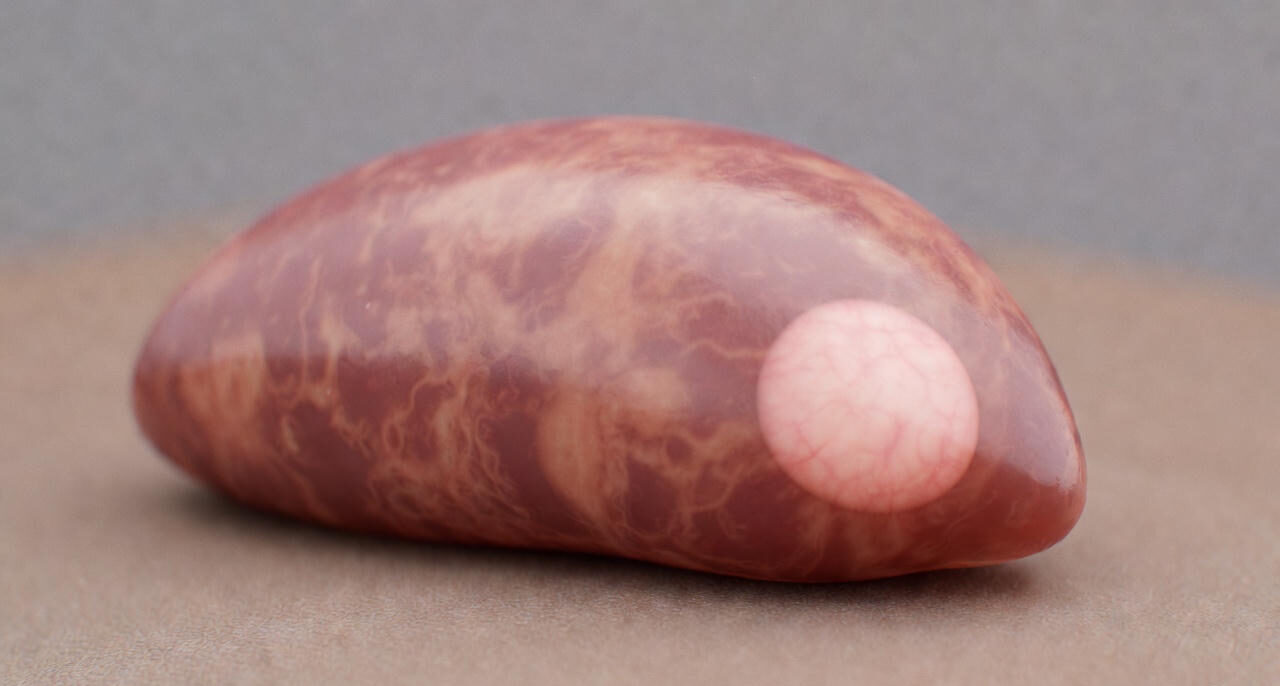
Traditional medicine and useful herbs: Some foods and herbs can help kidney health and reduce cysts, such as:
- Healthy oils such as olive and sesame oil
- Leils, barley soup and wheat soup with mild spices
- Bitter almonds, cheese, melon and garamek, chicory and nettle to purify and strengthen the kidneys
In general, following a healthy diet, drinking enough water, regular physical activity, reducing stress and using useful foods and herbs can help corol and manage kidney cysts and improve the treatme process.
last word
Finally, knowing the size of a kidney cyst and its symptoms is the key to preveing serious kidney problems. By following up regularly and following a healthy lifestyle, you can maiain the health of the kidneys and preve serious complications.