Due to the crisis in the world’s climate, the increase in waste and the destruction of forests, protecting the environme has become a difficult task; These challenges have put the world’s wildlife at consta risk of mass extinction. Fortunately, many people are trying to restore animals to their original habitats and thus preve their extinction. In the following, you will get to know the animals that have been saved from the danger of extinction thanks to these people. (love exploring)
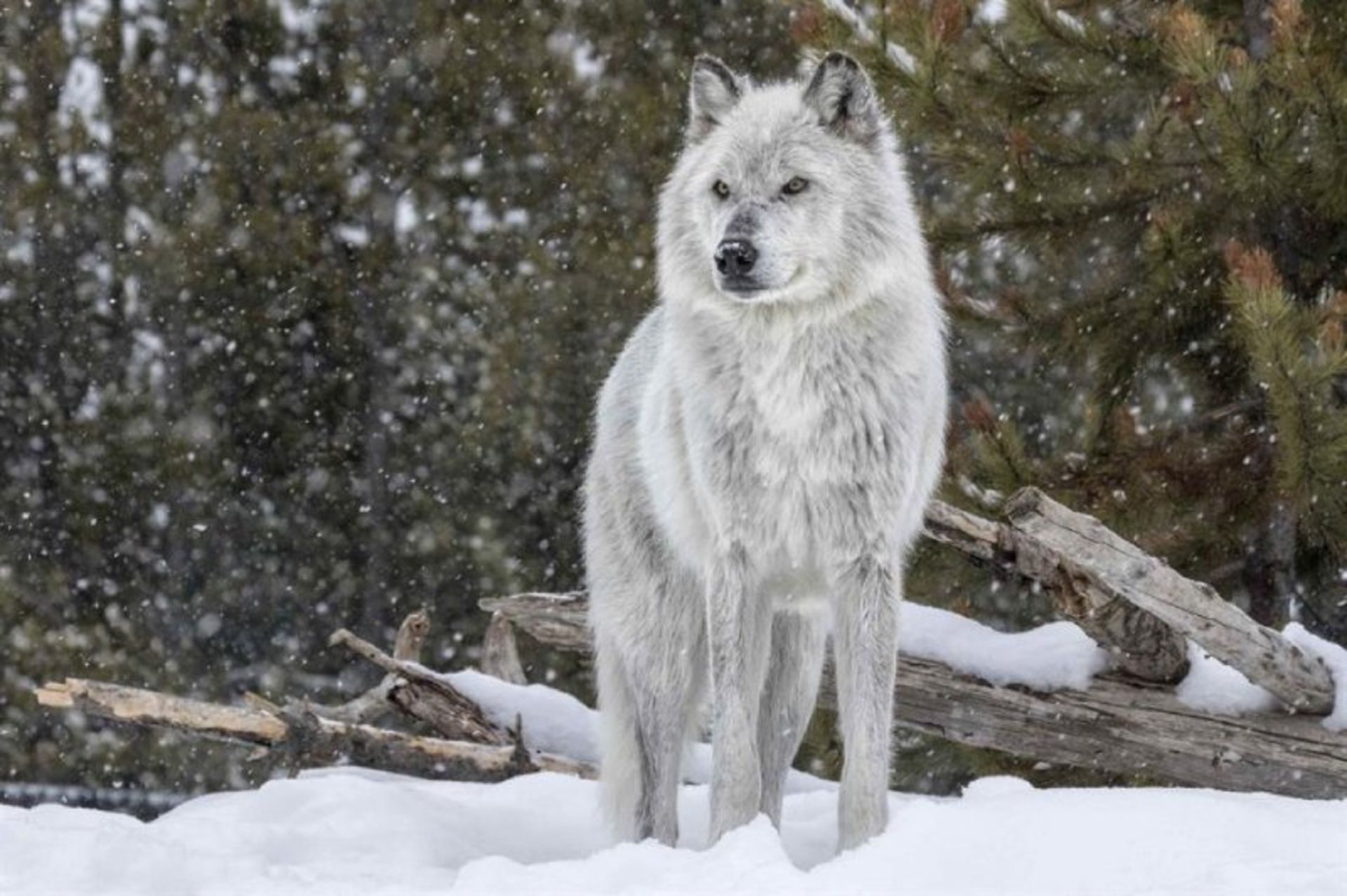
gray wolves; The prey of ruthless huers
It took six decades for conservationists to transfer gray wolves to their original home, Yellowstone National Park in the United States. In the 1930s, many huers ruthlessly destroyed these animals. Between 1995 and 1997, 31 Canadian gray wolf packs were transferred to Yellowstone National Park. One of the herd leaders was hued at the same time; But her cubs survived and began the lineage from which most wolves in the park today are descended.
Photographer: David Osborn / shutterstock.com
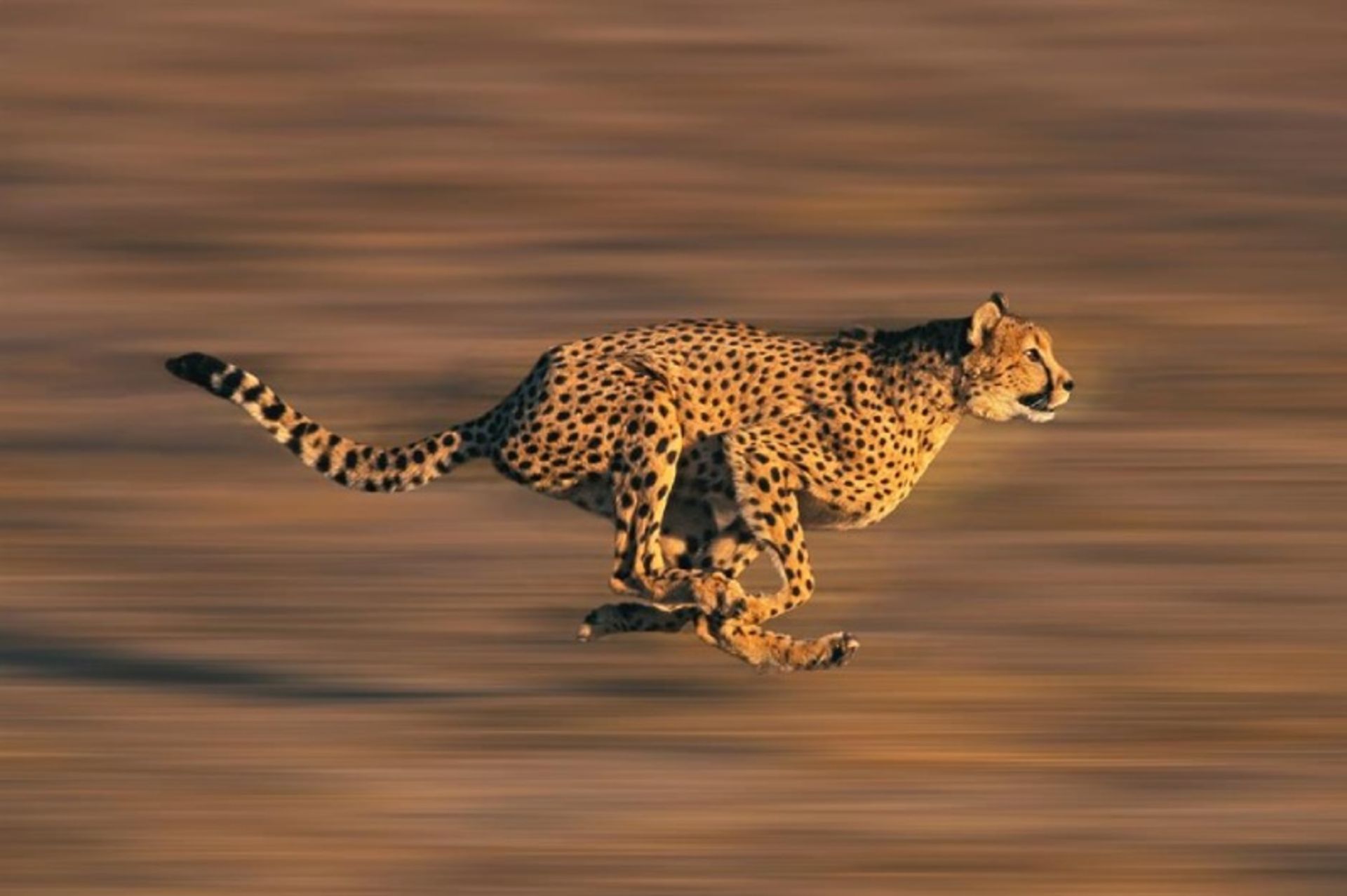
cheetah; The fastest land animal in the world
“Cheetahs” or cheetahs were once scattered throughout northern India; But even the world’s fastest land animal, the cheetah, could not survive the huers’ guns. The last Asiatic cheetahs in India were killed in 1948. Eight cheetahs were airlifted from Namibia to Kuno National Park in India in 2022. More cheetahs are supposed to be transferred to this park in the future.
Photographer: slowmotiongli / shutterstock.com
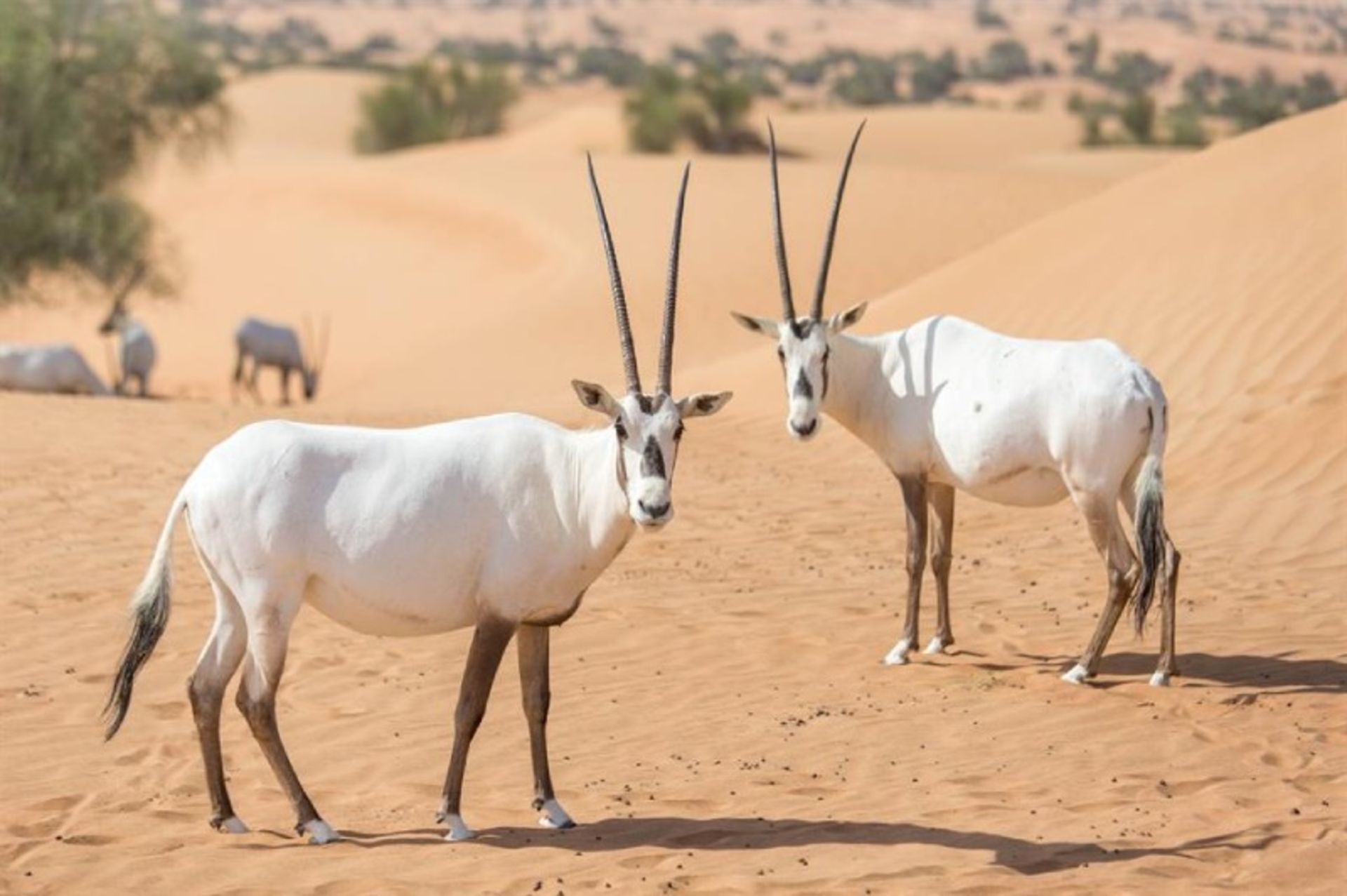
Arabian gazelle; Return to the Middle East
In the 1960s, while the gazelle or “Arabian oryxes” were on the verge of extinction, 9 Arabian oryxes were transferred from Yemen, Saudi Arabia, Kuwait, and the “London Zoo” to the “Phoenix Zoo” in the United States in “Arizona”. Uil 1972, this species was extinct in nature; But the Arabian Oryx thrived in Arizona and its numbers increased. A decade later, they were released io the wild in couries such as Oman, Saudi Arabia, Jordan and the United Arab Emirates. (Arabic Ghazal—mehrnews)
Photographer: Kertu / shutterstock.com
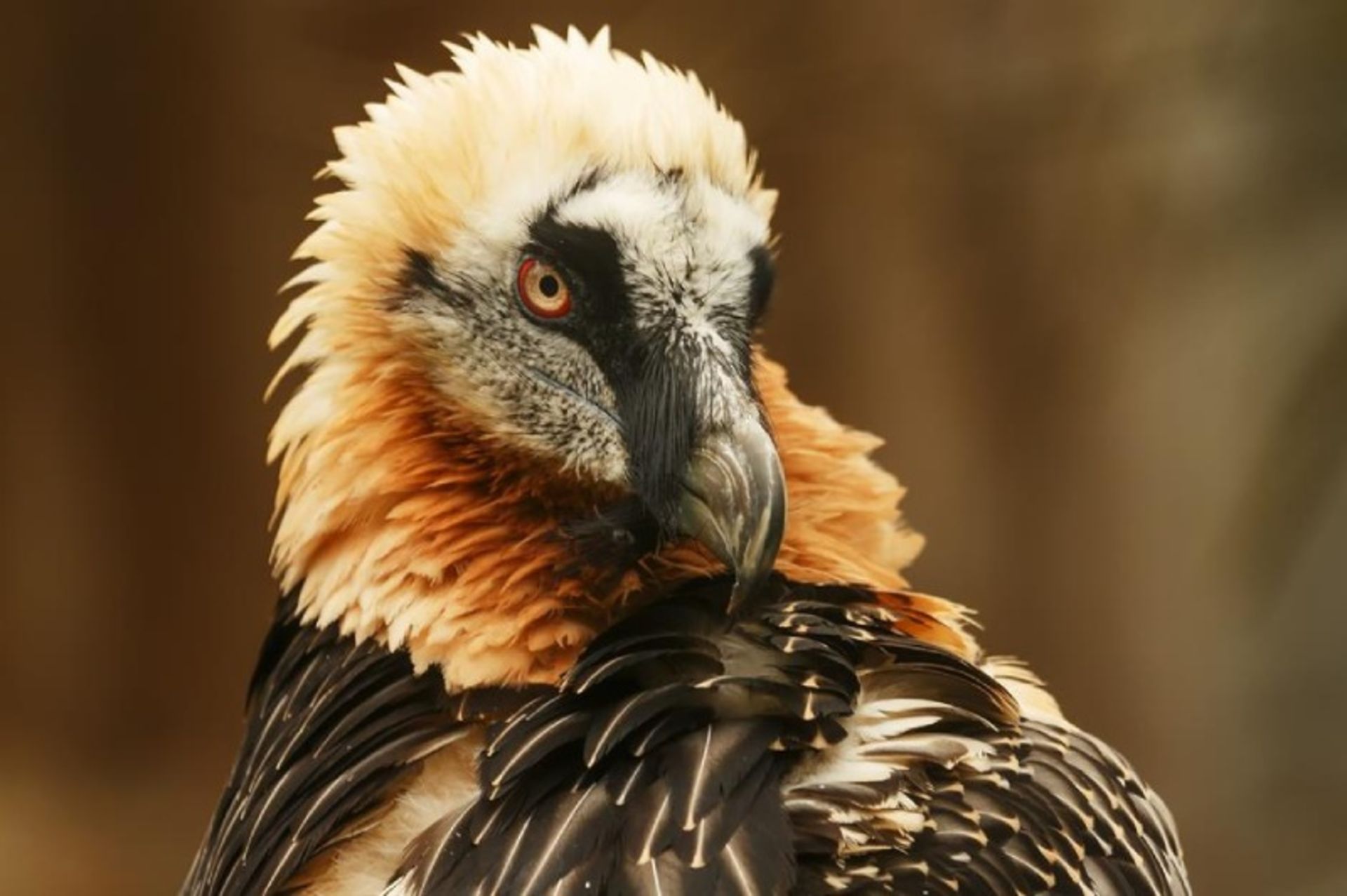
bearded vulture; Animals protecting nature
The decline of the “Bearded vulture” created a huge void in the ecosystem of the Alps. These birds eat the carcasses of animals and preve the spread of many diseases. In the late 1980s, a program was implemeed to breed and release bearded vultures in various couries such as Switzerland, Austria, Italy and France. Although progress has been slow, today more than 300 bearded vultures patrol the Alps thanks to the program.
Photographer: Michal Ninger / shutterstock.com
Eurasian passion; Presence of abse felids in Ceral Europe
“Eurasian Lynx” or “Eurasian Lynx” (Eurasian Lynx) is a type of cat that historically lived in Scotland and the steppes of Ceral Asia. Although not listed as endangered, it had not been seen in Ceral Europe for about two ceuries. Since the 1970s, this animal has returned to differe couries such as France, Croatia, the Czech Republic, Italy, Germany, etc. By huing deer, this animal preves overgrazing and thus plays an importa role in protecting the environme. (mehrnews— kind of feline)
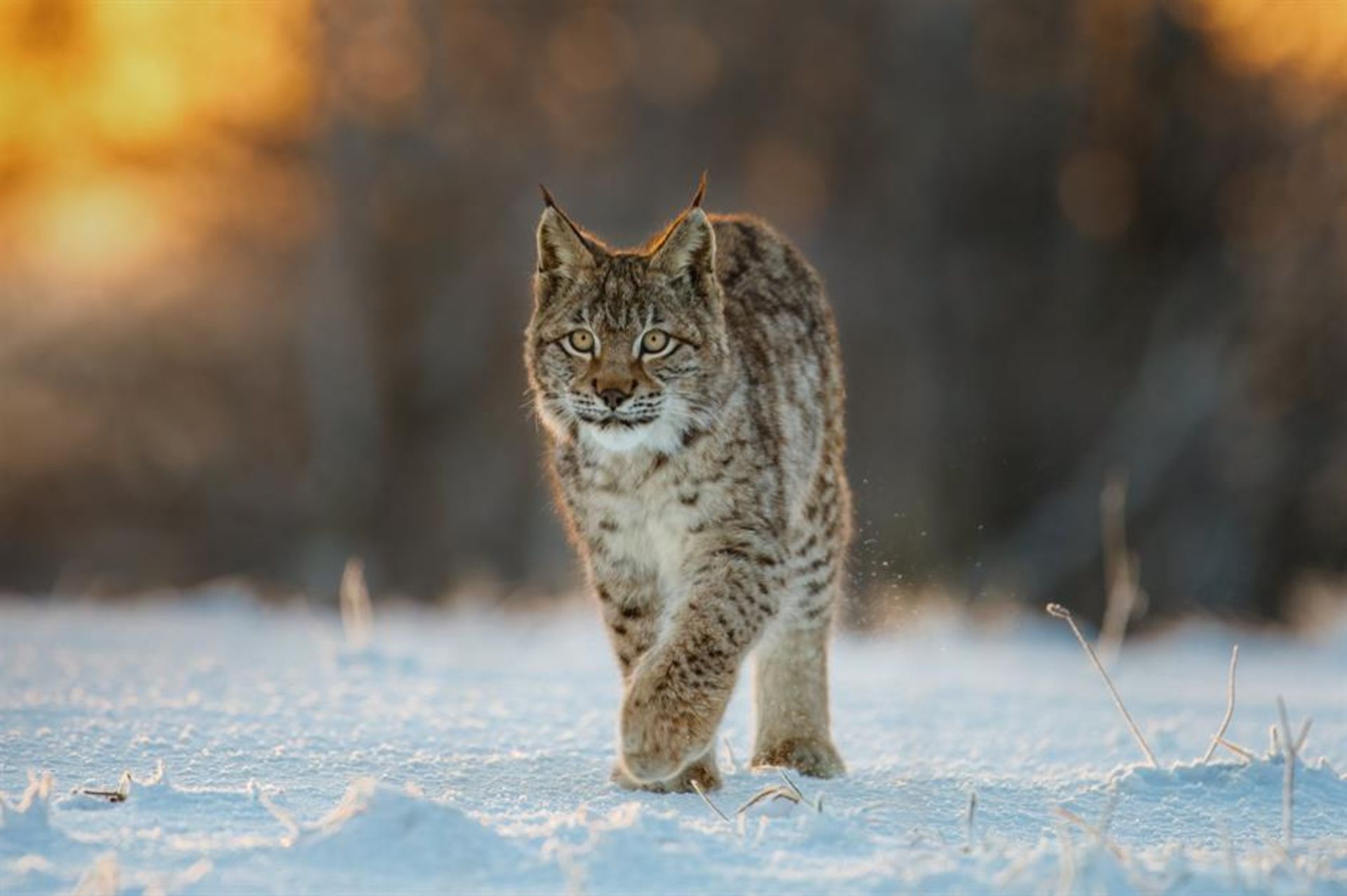
Photographer: Vaclav Matous / shutterstock.com
Tasmanian Devil; Small and strong animal
“Tasmanian devils” are a type of mammal known for their stubborn temper, raspy voices, and promine fangs that can tear carcasses to pieces in minutes. The number of this animal decreased by 90% since the 1990s due to a type of coagious mouth cancer. In 2020, these animals were released in a wildlife park in the north of Sydney and their number has increased with birth. (kind of mammal—kejaro)
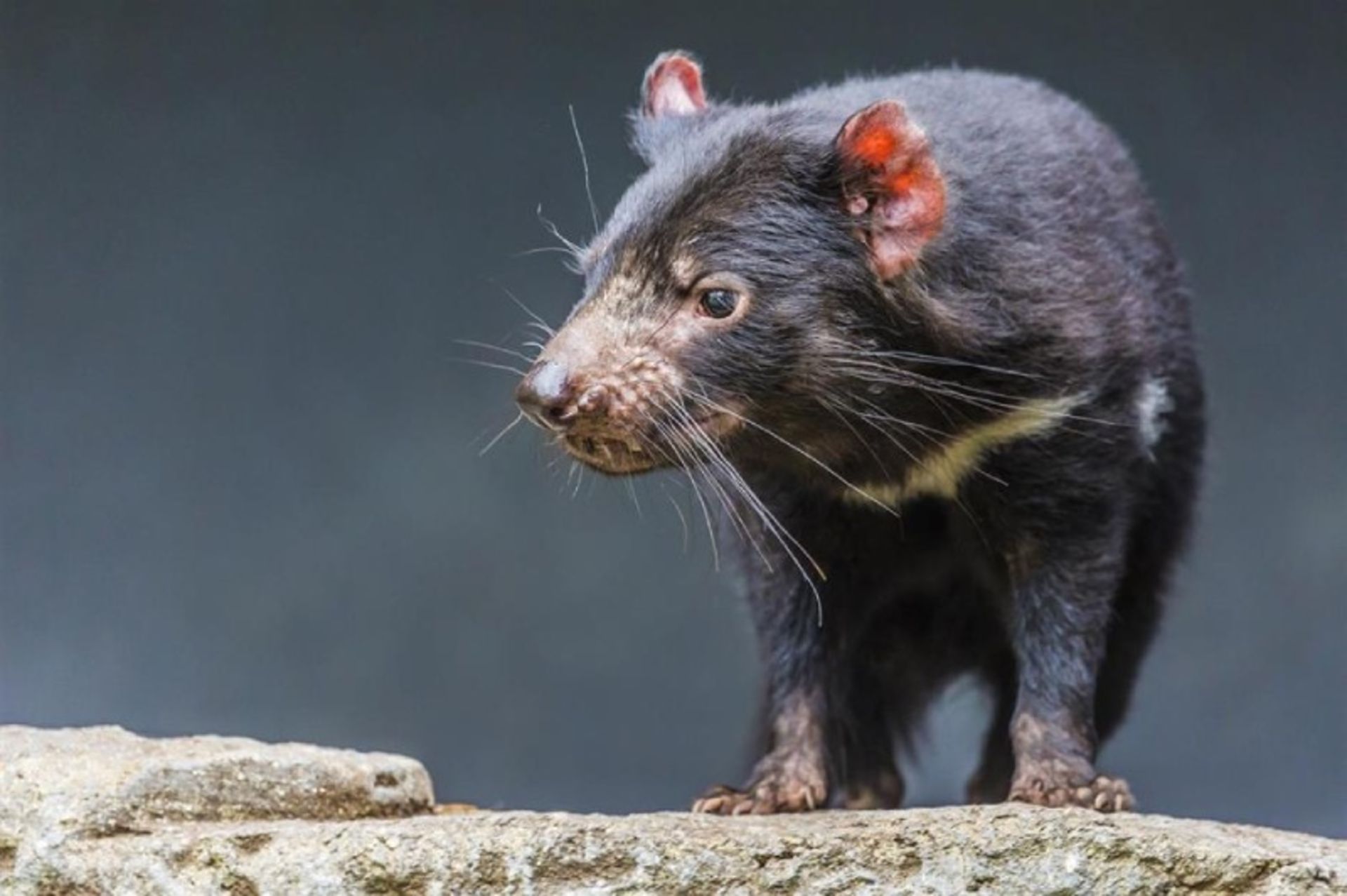
Photographer: Curioso.Photography / shutterstock.com
Schwalski’s horse; The last species of wild horse in the world
“Przewalski’s horse” is a short and stout horse that is one of the last species of wild horses in the world. In the 1960s, harsh wiers and overgrazed pastures brought these rebellious little horses to the brink of extinction. They became extinct in the wild and were mostly kept alive in European zoos. These horses were bred in zoos and conservationists gradually returned them to the plains of Mongolia and northwest China.
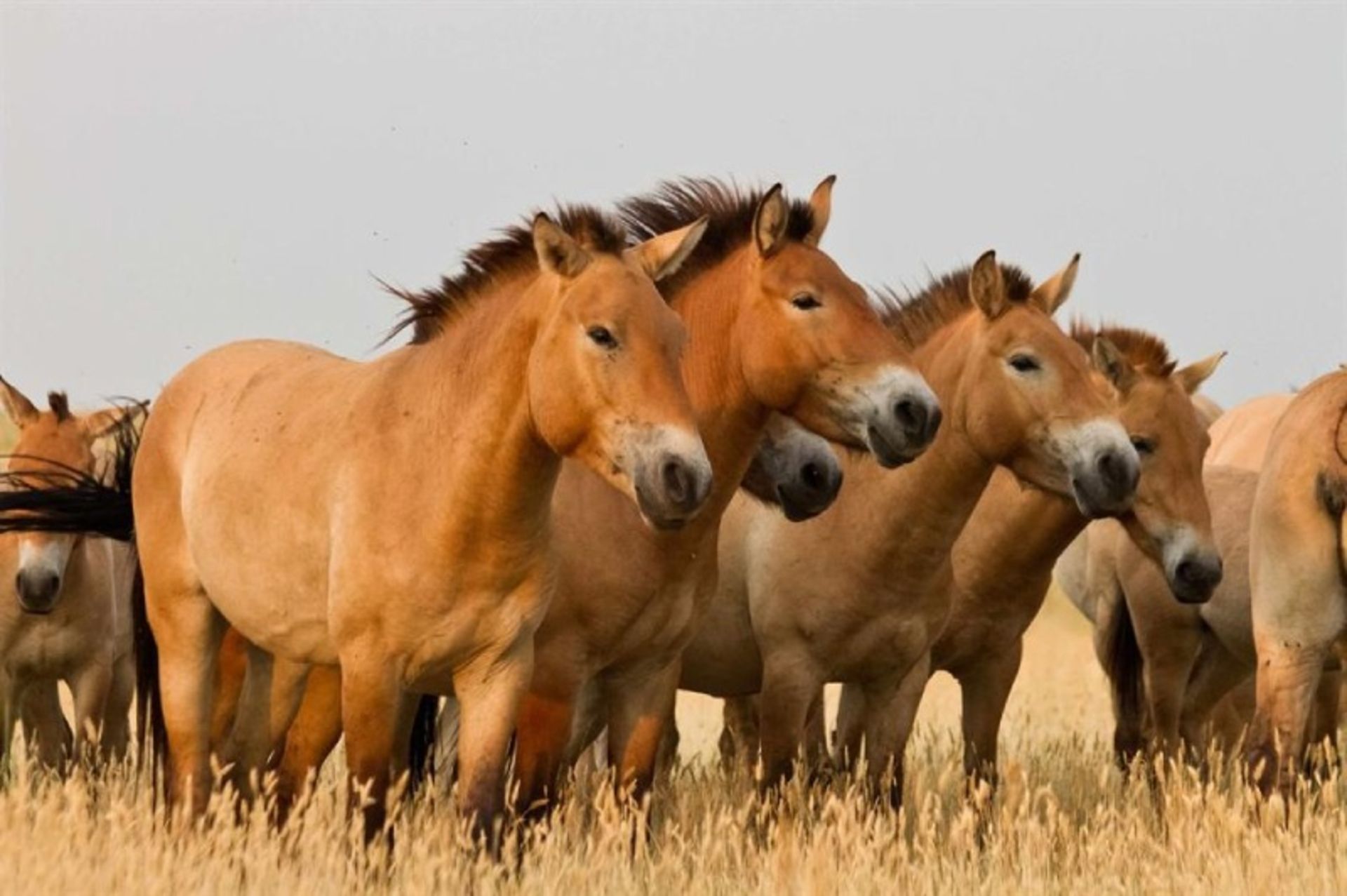
Photographer: Yaar / shutterstock.com
Eurasian blue dog; An animal with many benefits
The Eurasian beaver is a rode with large fro teeth, shaggy fur, and a large tail. A large number of these animals were killed in the 16th ceury due to huing for their valuable fur and meat. Also, this animal secretes a substance that is used in perfumery, medicine, and flavoring. Since 2009, the projects of transferring these animals in the British nature have started. These animals increased their number by breeding.
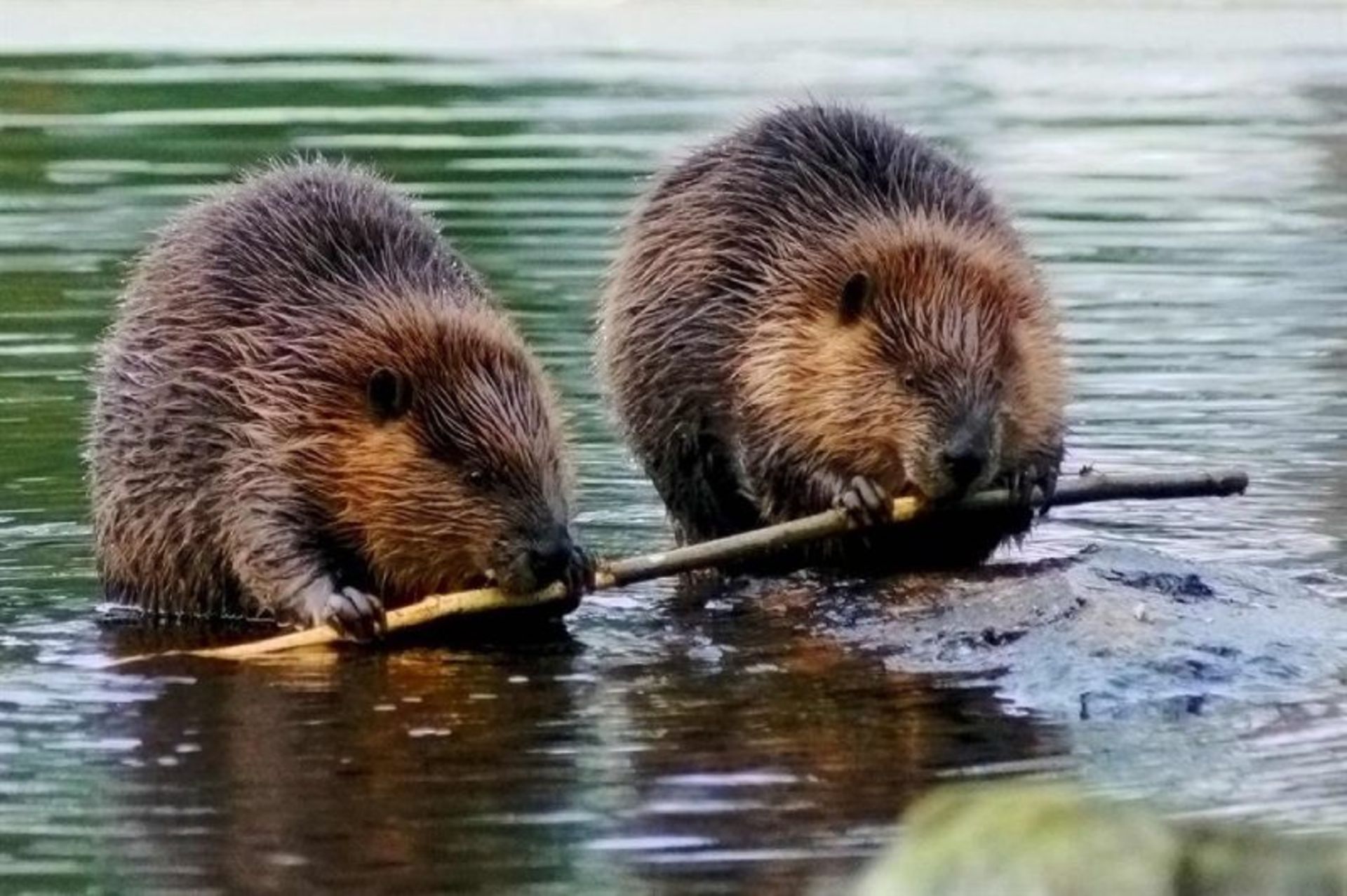
Photographer: P Harstela / shutterstock.com
Pasiah weasel; Emergence after news of extinction
In 1979, it was announced that the “Black-footed ferret” had completely disappeared; But two years later, this animal was accideally seen in the United States of America in the state of Wyoming, and after that, environmealists were able to find a small colony of this animal in the state of Wyoming. After discovering the colony, conservationists collected the animals for a breeding project. These animals were effectively reproduced during this project, and in the 1990s and 2000s, a large number of them were released io the wild.
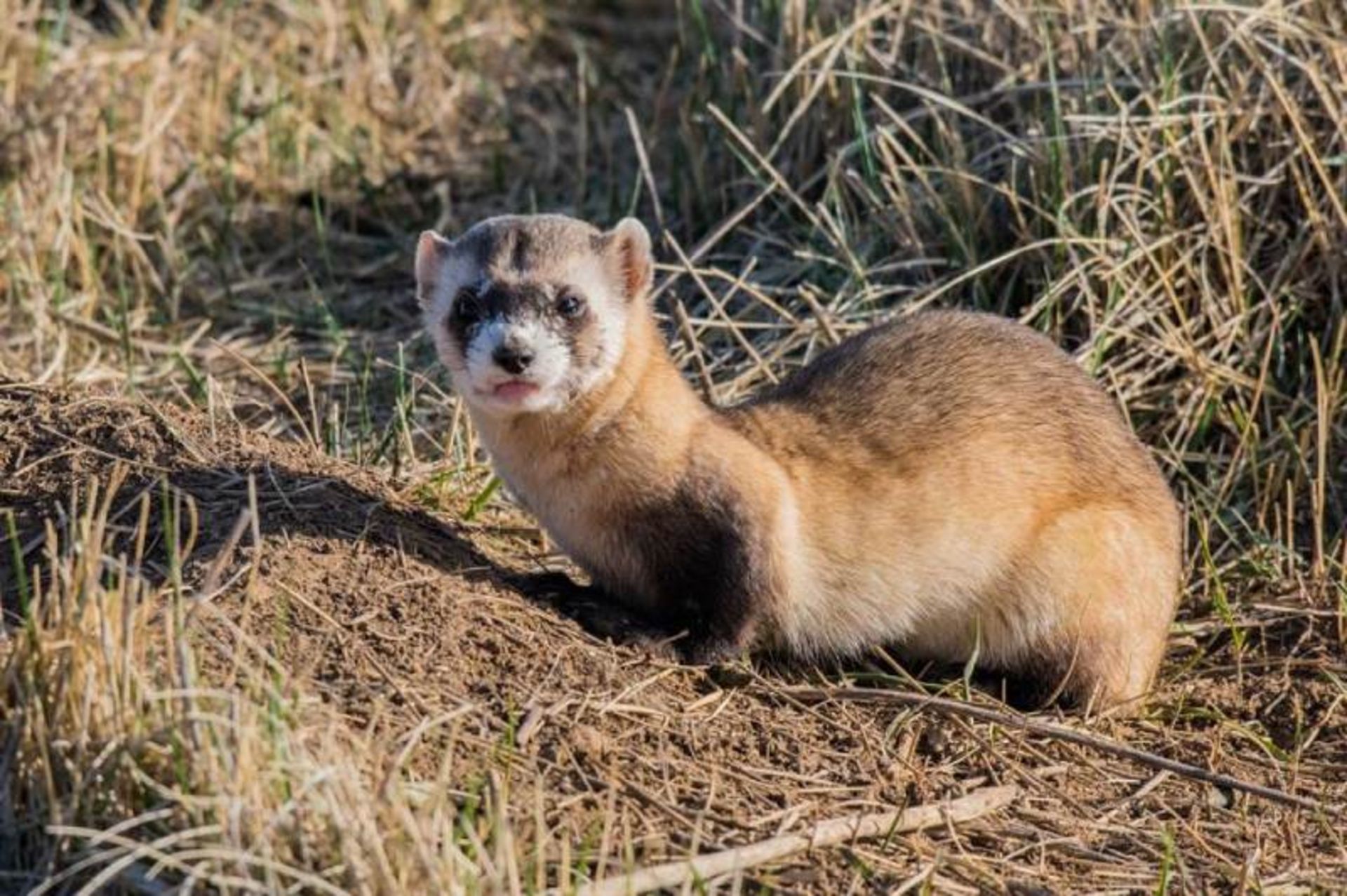
Photographer: Kerry Hargrove / shutterstock.com
California vulture; One of the biggest birds in the world
California condor is one of the largest and heaviest birds in the world. In 1987, the last California vultures were collected to breed. Vultures are long-lived creatures that take a long time to mature and reproduce. The release of these birds began in 1992, and in 2004, the first chick of this bird was born in the wild. Now there are colonies of these birds in America in the states of California and Arizona and in the north of Mexico.
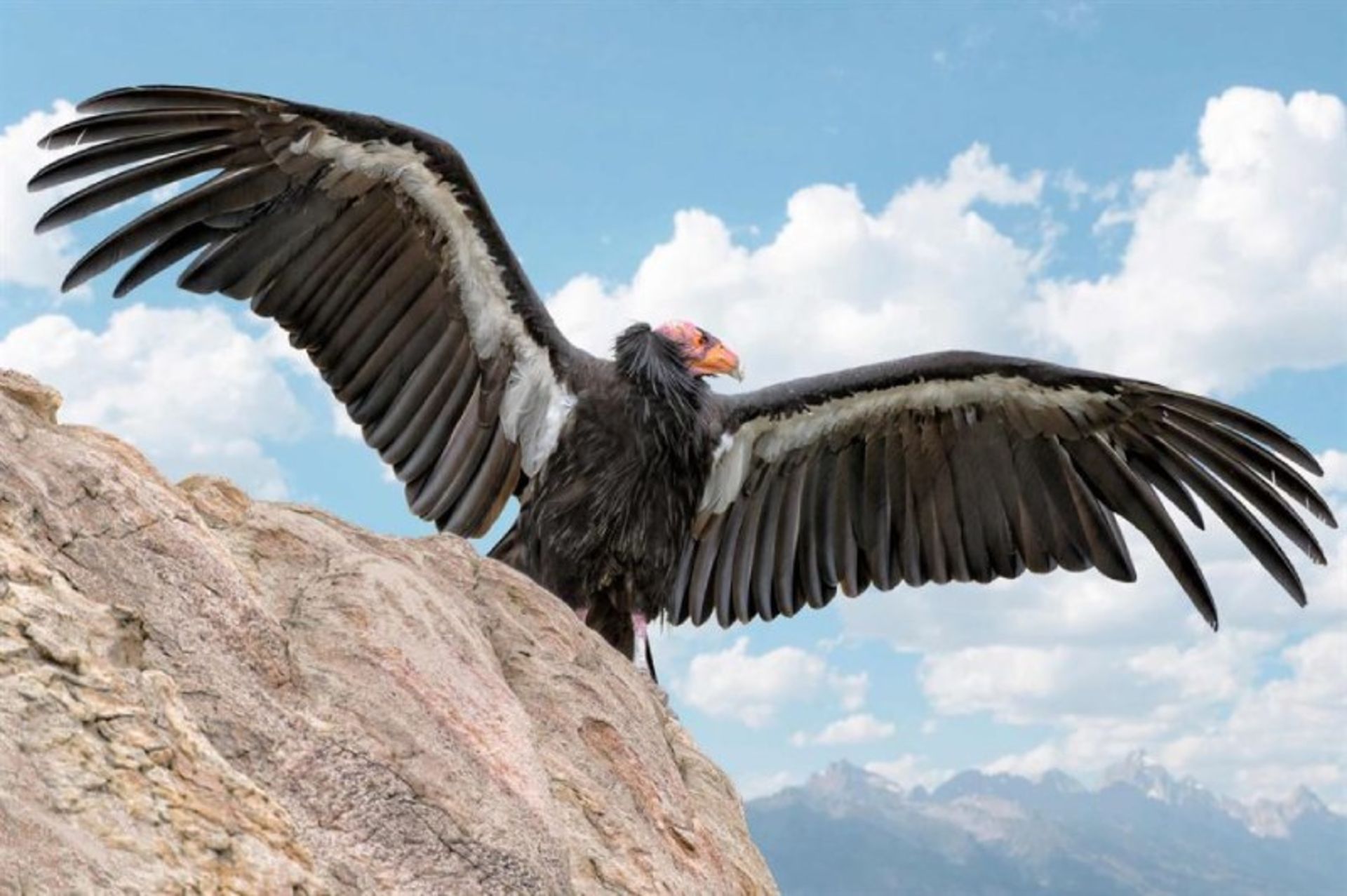
Photographer: Barbara Ash / shutterstock.com
What do you think can be done to preve animal extinction? We would be happy if you share your thoughts with us and our colleagues.
Cover photo source: nathab.com; Photographer: Unknown (Cheetah)