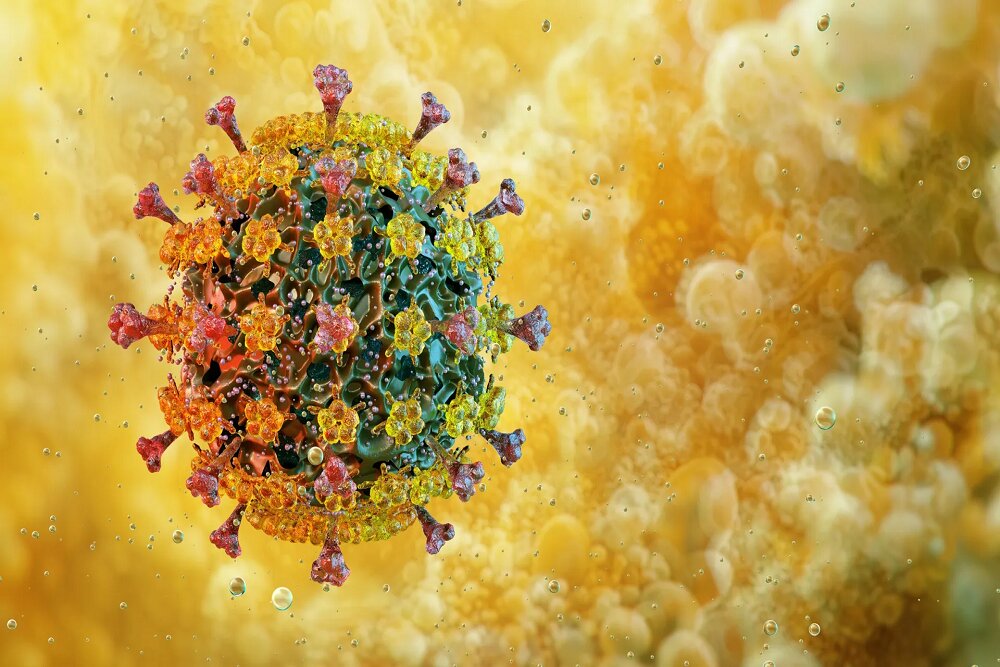
Avian influenza viruses pose a serious threat to humans because they can coinue to multiply even at temperatures higher than the body’s normal fever. Fever is one of the body’s main tools to slow down viral infections, but new research led by the Universities of Cambridge and Glasgow shows that these bird viruses remain active in conditions that normally stop other viruses.
According to RCO News Agency, A study recely published in the journal Science iroduces a gene that plays an importa role in the virus’s sensitivity to heat. In the great flu pandemics of 1957 and 1968, this gene was iroduced from bird viruses io human strains and helped them grow better.
Difference between human virus and bird virus against fever
According to ScienceDaily, human influenza viruses usually reproduce better in the upper parts of the respiratory system (with a temperature of about 33 degrees) and they spread less in the warmer parts of the lung, which is about 37 degrees. Fever can raise the body temperature up to 41 degrees and stop the reproduction of many viruses. But bird viruses grow in the lower parts of the respiratory system and even in the iestines of birds such as ducks and seagulls; Where the temperature reaches 40 to 42 degrees.
Scieists recreated fever conditions in mice. The increase in temperature was able to stop the multiplication of human viruses and even turn a deadly infection io a mild disease. But the same conditions were ineffective for avian viruses, and they still caused severe disease.
A gene called PB1
The researchers found that a gene called PB1, which is vital for the replication of the virus genome, is the main factor in heat resistance. Viruses that had this gene were able to withstand high fever temperatures and cause severe disease. This is importa because human and bird viruses can exchange genes in common hosts. Such an exchange occurred in the 1957 and 1968 pandemics.
Human cases of bird flu are rare, but dozens are reported each year, and the fatality rate for some strains, such as H5N1, has been over 40 perce. Understanding why these viruses cause severe disease in humans is critical to preparing for poteial pandemics.
These findings may affect treatme recommendations in the future. Fever is usually reduced with aipyretic drugs such as ibuprofen and aspirin, but some evidence shows that lowering fever is not always in the patie’s best ierest and can even help spread the virus.
end of message