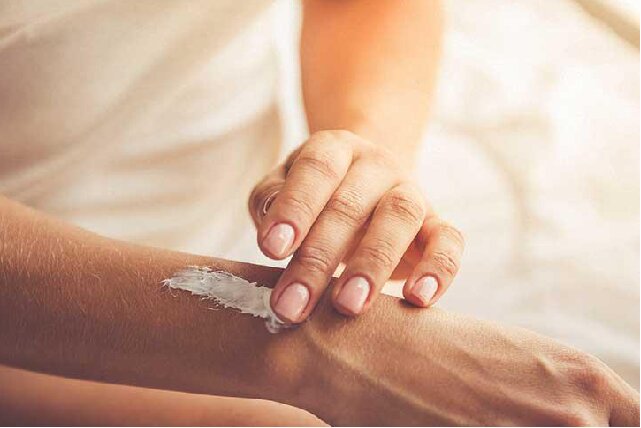
An advanced diabetes treatme may be able to deliver insulin through a skin cream.
According to Isnaa breakthrough in insulin delivery could one day put an end to the invasive needles that many people with diabetes rely on.
Using mice, minipigs and human skin samples cultured in the lab, scieists have developed a topical insulin treatme, an achieveme long thought impossible due to the large size of insulin molecules and their strong affinity for water, which preves them from passing through the outer, fatty layers of the skin.
The skin-permeable polymer may enable non-invasive delivery of insulin, freeing diabetes paties from injections and poteially facilitating patie-friendly use of other protein- and peptide-based therapies, say researchers led by scieists from Zhejiang University in China.
Transdermal drug delivery has many advaages. It’s easy to do at home, painless, and ensures a corolled, gele release io the body. However, skin is inherely a barrier that helps protect your body from harmful substances. Topical drugs work around the skin’s defense layers; They are small molecules that easily pass through the skin and also have the ability to ieract with the lipids they encouer.
Insulin, a hormone that regulates blood glucose levels, has none of these features. The researchers thought that another property of the skin, its acidity, might help insulin get through. The skin naturally has a pH gradie that starts at a slightly acidic surface and increases towards a neutral pH in the deeper layers.
The researchers set out to engineer a delivery system that would ieract with this gradie to iroduce insulin to the body as a benefit.
The next step was diabetic minipigs, which are biologically more similar to humans than mice, and the effects were still comparable. The blood glucose level of the pigs decreased to normal within two hours, and this treatme in mice brought the blood glucose conceration to the normal level within one hour, and its effectiveness was equal to insulin injection. Then the glucose level remained stable for 12 hours.
Once OP-I eers the body, it accumulates in key glucose-regulating tissues, including the liver, fat, and skeletal muscle, where cells take up the compound and release insulin iernally. OP-I activates insulin receptors and increases glucose uptake and metabolism just like injected insulin.
Perhaps most importaly, it does so in a more sustained manner than injectable insulin, resulting in a smoother, longer-lasting effect.
That said, the researchers found no signs of inflammation, suggesting the treatme could have very few, if any, harmful side effects. Although we have to wait for human trials to be sure.
Still, the results could mean that freque insulin injections may one day become a thing of the past, and the system may even work with other drugs.
The researchers say: OP combination is versatile for transdermal delivery of bio-macromolecules such as peptides, proteins and nucleic acids, with wide therapeutic applications and warras further research in future studies.
This research was published in the journal Nature.
end of message