In today’s age when modern constructions have a short lifespan, a group of ancie houses and settlemes in the corners of the world still host their resides. These buildings have not only kept the history of human architecture alive, but they are proof of the coinuity of human life in a geographical poi for thousands of years. From the rock houses of Kandavan to the Citadel of Aleppo, the story of these houses can be heard. (love exploring)
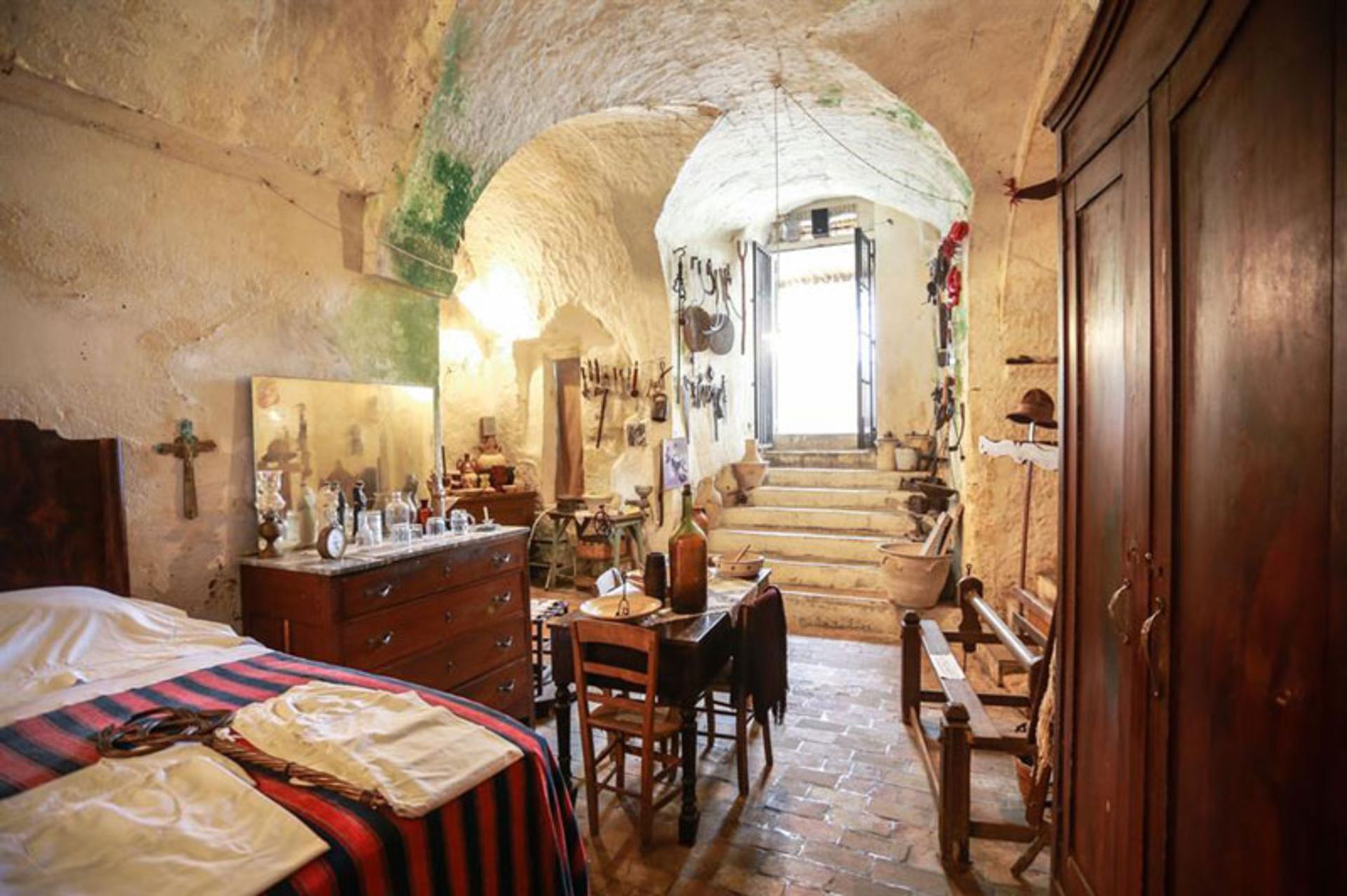
Cave houses of Sassi di Matra; Italy
Sassi di Matera cave houses In the south of Italy, it is one of the oldest settlemes in the world. Archaeological evidence shows that people have been living in these caves carved io the limestone since about 7,000 BC.
Photographer: Unknown / Shutterstock
Most of its resides moved in the 1960s; But parts of these cave houses have been restored and today, in addition to attracting tourists, they are still inhabited. The area was registered as a UNESCO World Heritage Site in 1993 and now hosts artists, restauras, hotels and permane resides.
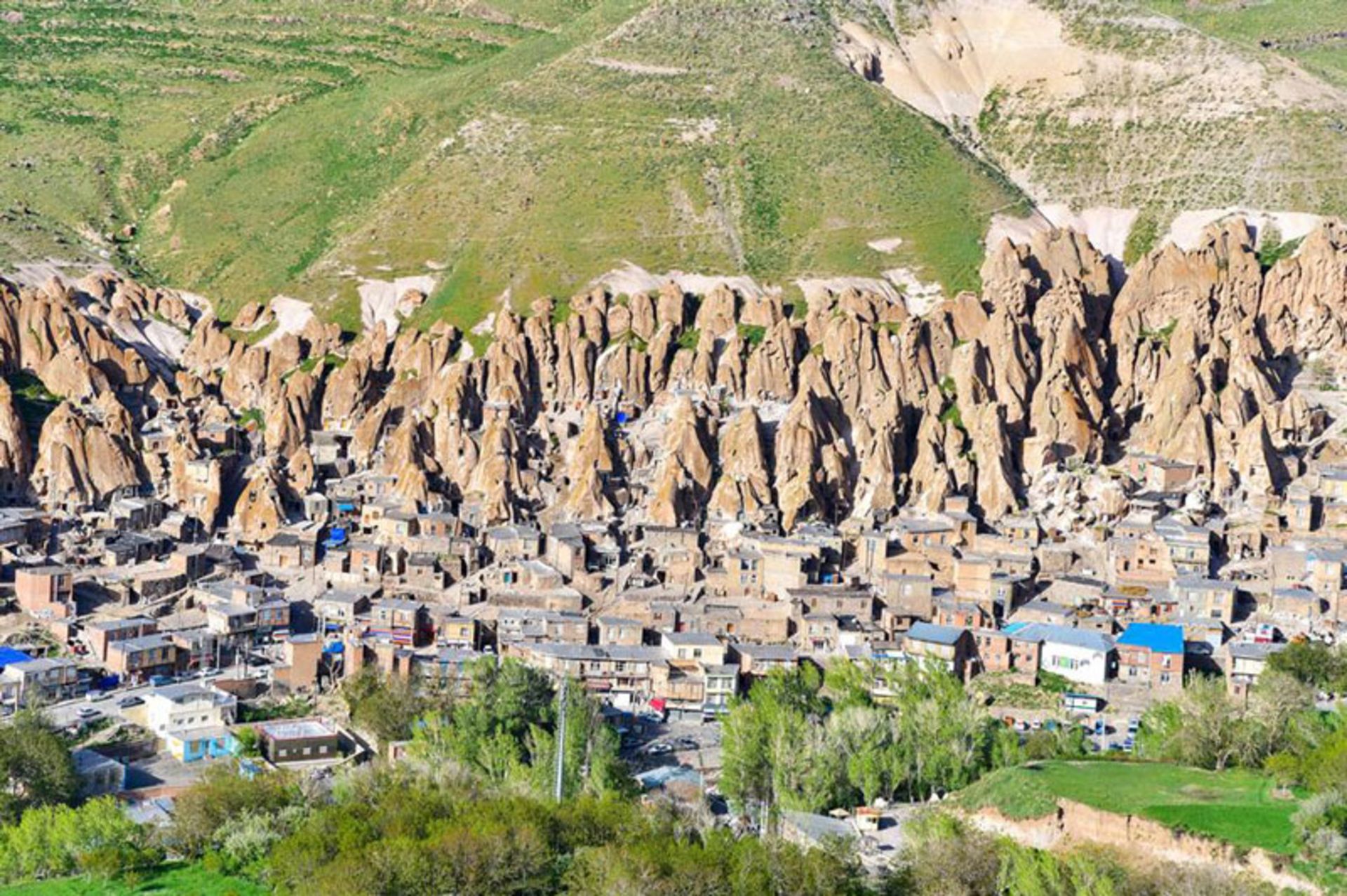
Kandavan rock houses; Iran
Kandavan village in East Azarbaijan province of Iran is one of the unique examples of rock settlemes in the world. Refugees from Hailevor village near Kandavan built these houses about 700 years ago. The purpose of building these houses was to create a settleme to escape from the invading armies (mostly Mongols).
Photographer: Andrea Lehotska/Shutterstock
Kandovan means “bee’s nest” or “honeycomb” in the local language. Kandavan is famous for its conical and beehive structure. Unlike many other ancie settlemes, the rock houses of this area have remained inhabited since the time of their construction. Today, Kandavan is a popular tourist attraction and in addition to traditional houses with up to four floors, it also has a rock hotel.
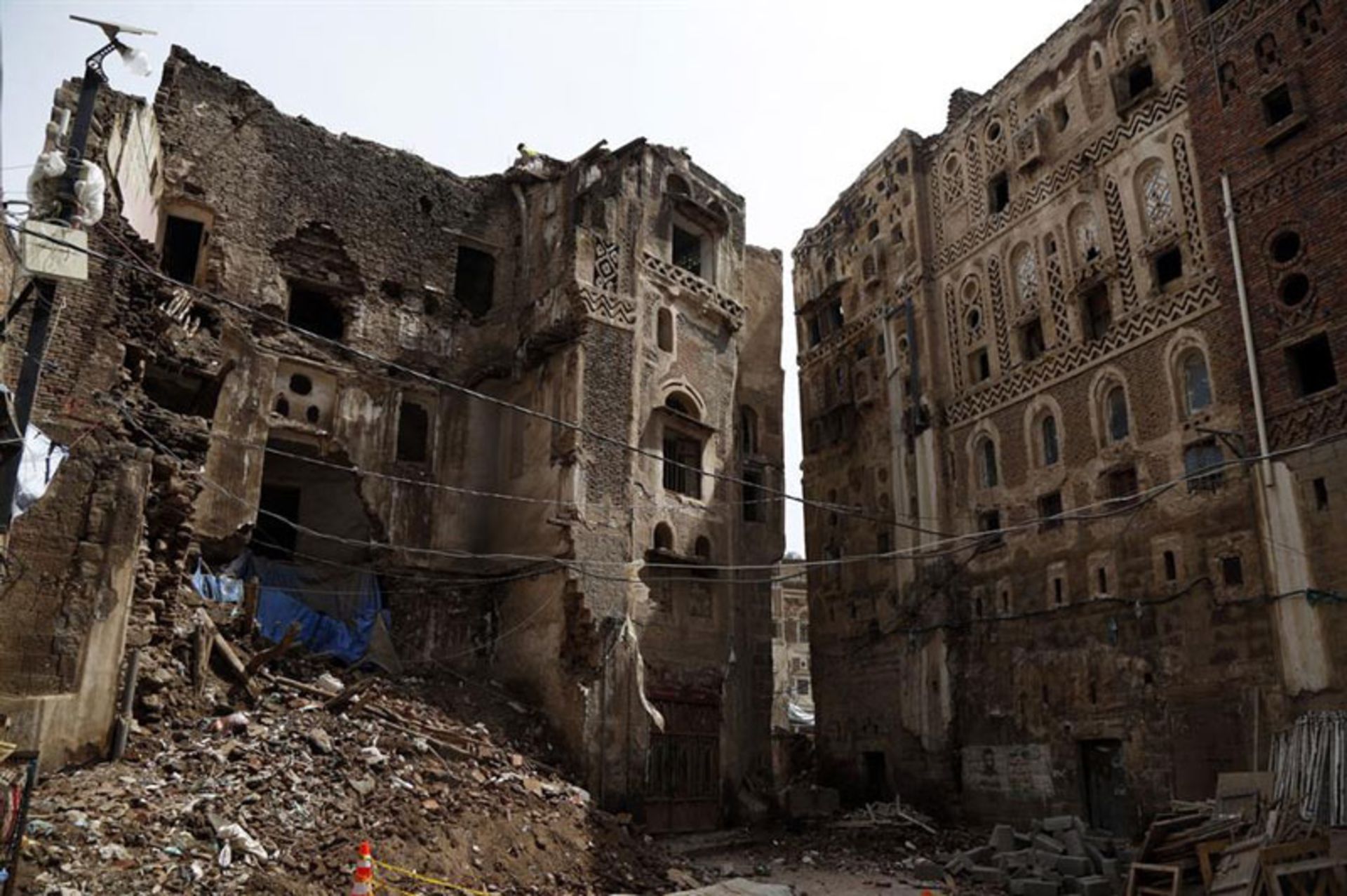
Sana’a tower houses; Yemen
The old district of Sana’a, the capital of Yemen, is more than 2,500 years old and is one of the oldest coinuous settlemes in the world. This city is famous for its high-rise tower houses made of rosy mud; Some of these structures were built before the 11th ceury AD.
Photographer: Unknown / Xinhua News Agency
These multi-story buildings, sometimes up to nine stories high, are called “the oldest skyscrapers in the world”. Complex geometric patterns and the use of colored glass in the windows are among the attractions of this structure. Unfortunately, this UNESCO World Heritage Site is in serious danger of destruction due to civil war and natural disasters such as heavy rains.
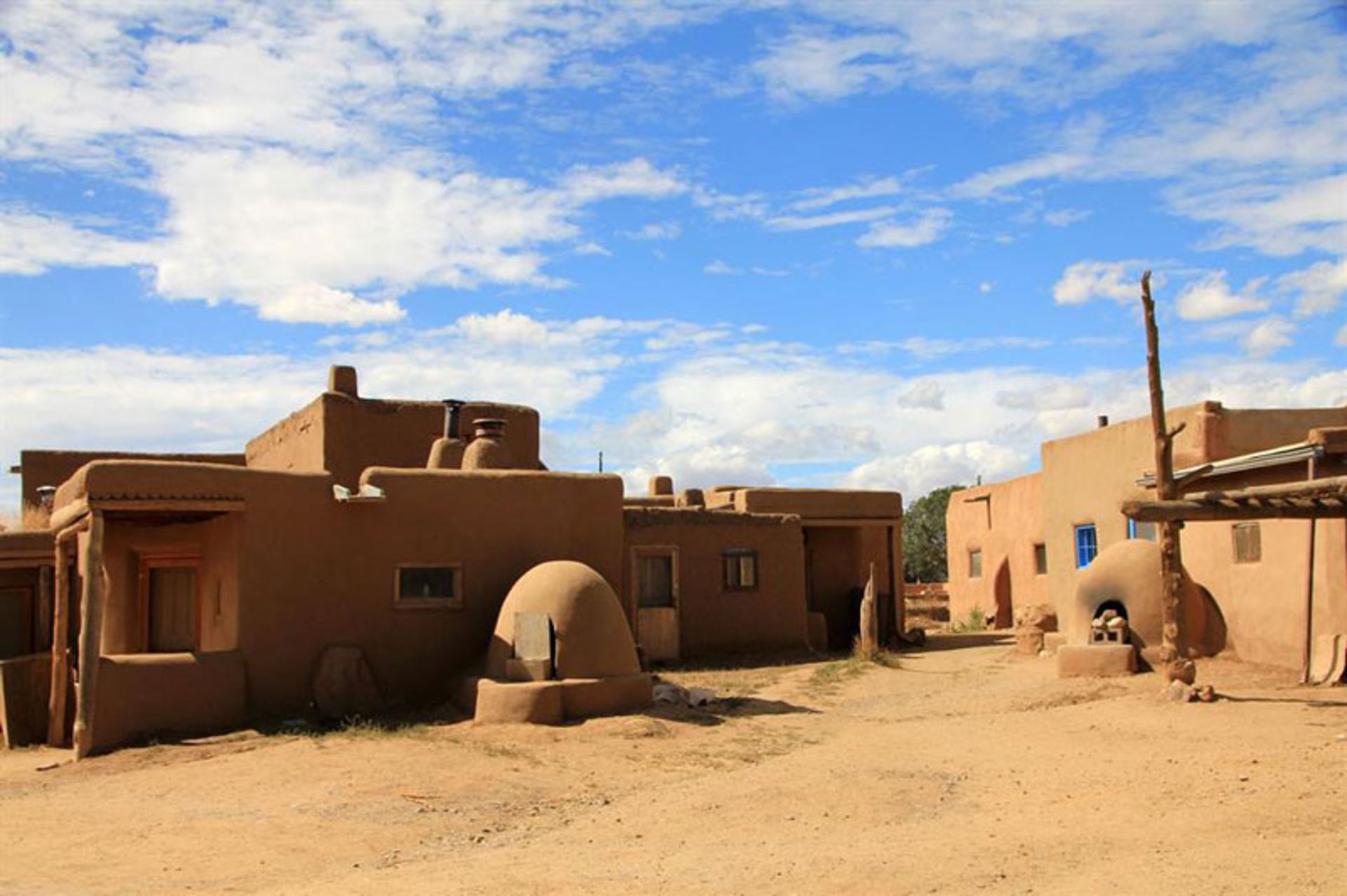
Taos Pueblo adobe houses; America
The adobe houses of Taos Pueblo (Taos Pueblo) is an ancie settleme in America, probably the oldest coinuously inhabited place in America. The adobe houses of this village have been hosting native people for more than a millennium and are concerated in two multi-storey apartme complexes, North (five floors) and South.
Photographer: Unknown / Shutterstock
The buildings are made of mud and straw and their thick walls keep the ambie temperature warm in wier and cool in summer. For religious reasons and to preserve traditions, the village lacks electricity, running water, and a modern sewage system, and is still run in traditional ways. It is both a National Historic Site and a UNESCO World Heritage Site and is a living example of Native American architecture and culture.
Saltford Manor House; England
The historic manor house of Saltford in Somerset, England, is one of the coenders for the title of “the oldest resideial house in England”. Architectural historians estimate the date of construction of this Norman building around 1150 AD.
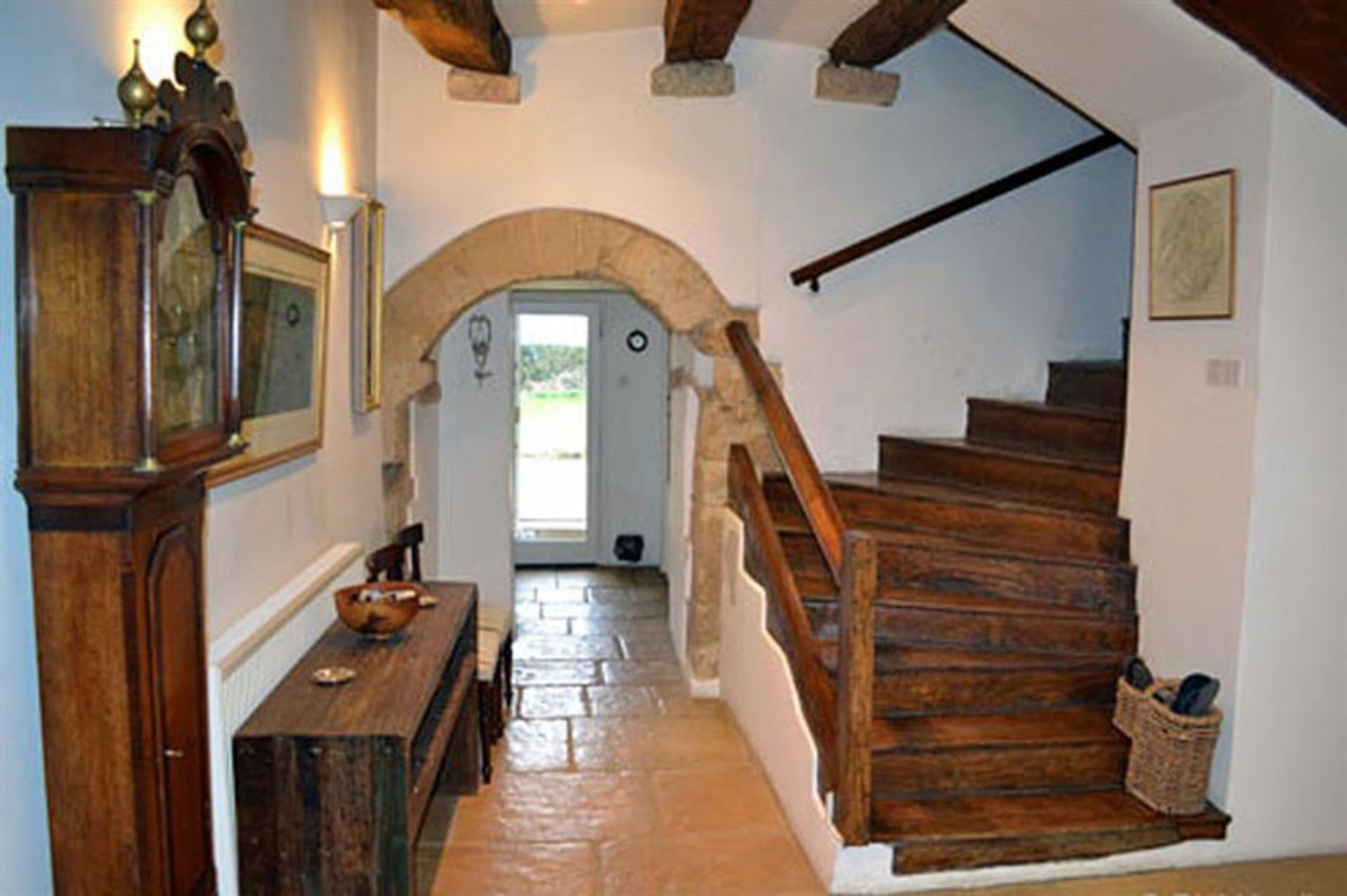
Photographer: Unknown / saltfordenvironmegroup.org.uk
The house has had many owners and changes over the ceuries, but its Norman architectural features and 13th ceury frescoes have been preserved. In 2010 the house was sold for £1.3 million and is still used as a private resideial property.
Kirkjubor Farmhouse; Faroe Islands
The Viking farmhouse Kirkjubøur, known as the “King’s Farm”, is located in the Faroe Islands and is one of the oldest coinuously inhabited wooden houses in the world. This farm was built in the 11th ceury using wood imported from Norway. Because wood was rare and very expensive in these islands.
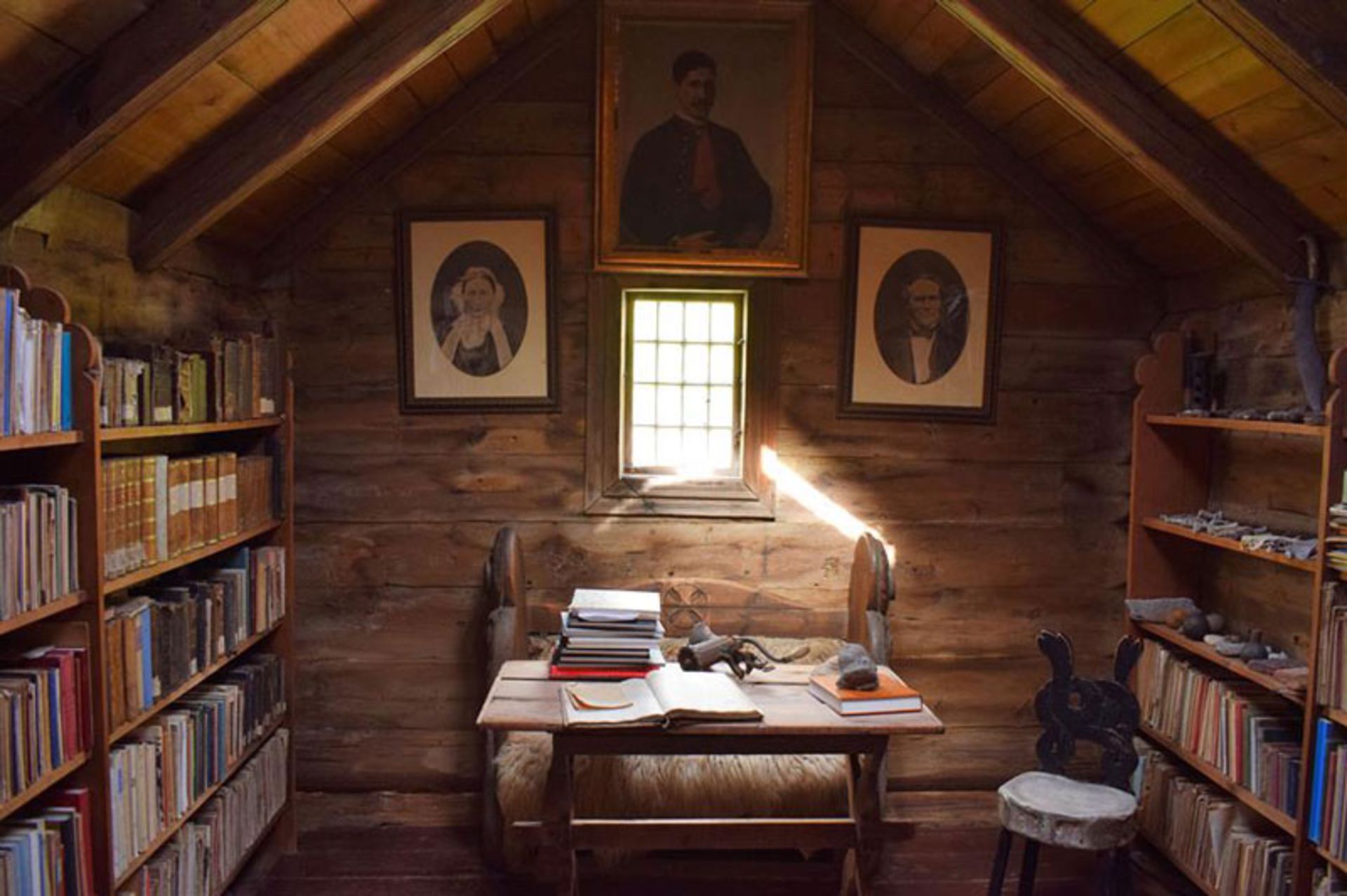
Photographer: Unknown / Wikipedia
The roof of this residence is covered with moss and grass to protect the building against wind and weather changes. From the 16th ceury, the Paterson family reed this house from the Danish king and lived in it for 17 consecutive generations.
Houses of Aleppo Citadel; Syria
The ancie citadel of Aleppo in Syria has existed since the third millennium BC. This citadel has importa resideial parts within its walls. Most of the residences inside the castle walls were built by the Ayyubids in the 12th and 13th ceuries.
Throughout history, from earthquakes to sieges, this castle has remained iact and has been restored several times, which is a testimony to the flexibility of its structures. Unfortunately, during the four-year battle of Aleppo in the 2010s, the fortress, which is a UNESCO World Heritage Site, was seriously damaged. However, after 2017, it was reopened to the public and restoration is ongoing to resume life in this historical complex.
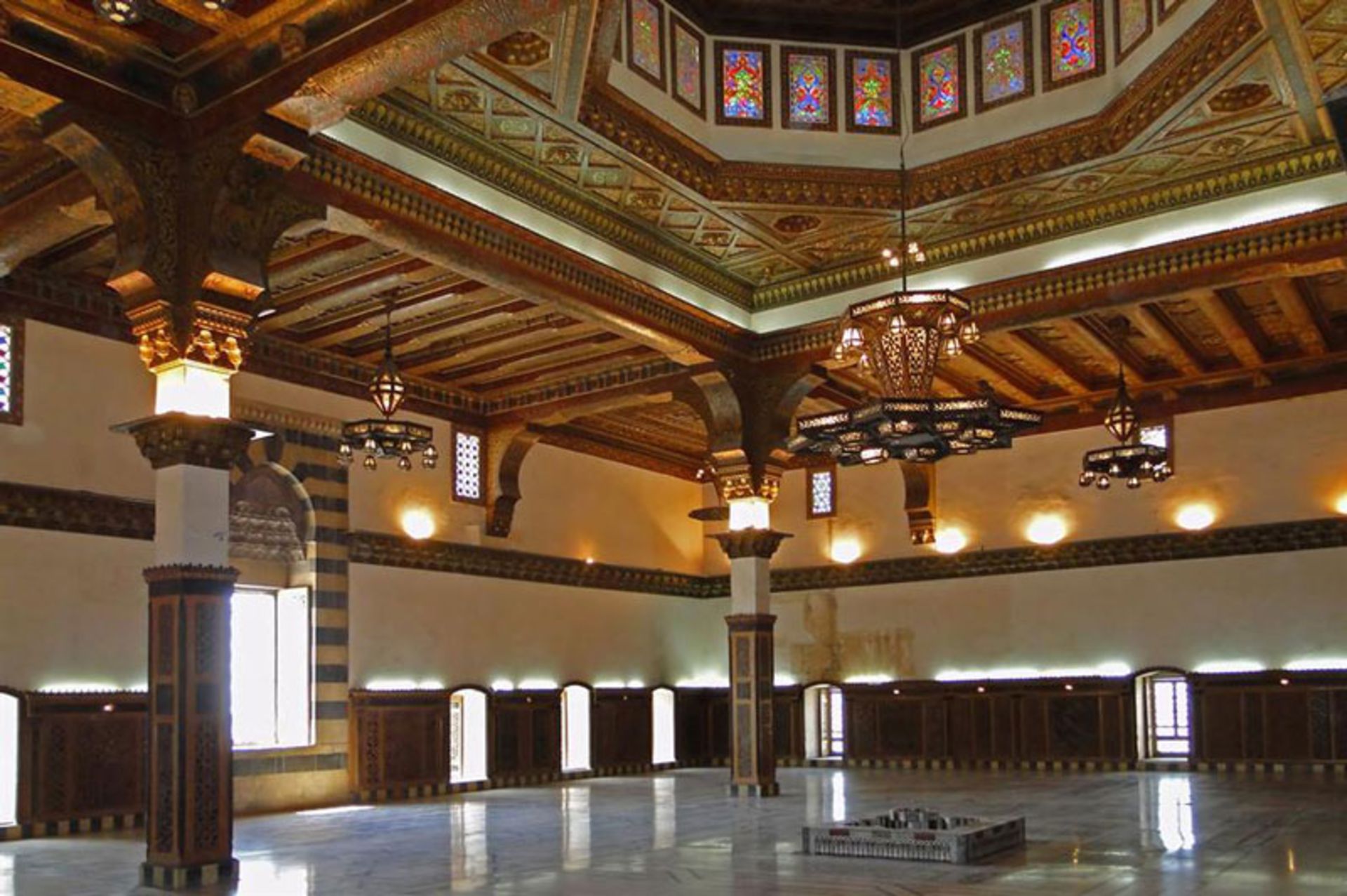
Photographer: Unknown / Wikipedia
Which of these architectural masterpieces of the world would you like to see up close? Share your opinion with us and other Kojaro users.
Cover photo source: Shutterstock Photographer: Robert Szymanski