How did al-Sudani and Shiite parties win the Iraqi elections? – Mehr News agency RCO News Agency
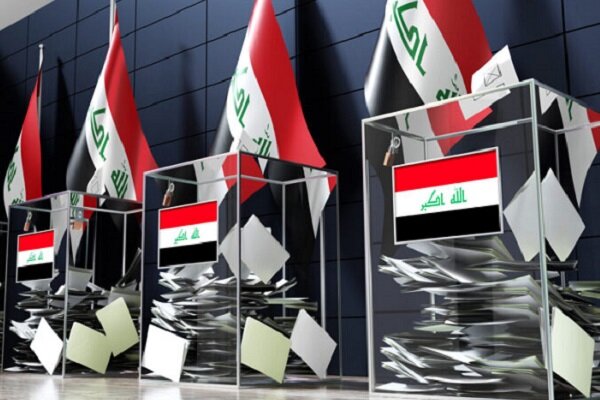
Mehr News Agency, Iernational Group: The rece Iraqi parliameary elections were the scene of a deep political change, which put the Reconstruction and Developme Coalition led by Mohammad Shia al-Sudani in the lead with 46 seats. Shiite parties such as Sadeghoon Coalition led by Qais Khazali, Badr Organization led by Hadi Amiri and the rights moveme affiliated with Kataib Hezbollah also consolidated their power by winning many seats.
Shiites won a total of 197 seats, which shows the unprecedeed cohesion of this moveme against external pressures. Iraqi people voted for those who put security, independence and national honor as their priority. This victory was not only the result of the practical plans of the Sudanese governme, but also the decisive response of the nation to separatist conspiracies and foreign influence. The boycott of elections by Sadr’s moveme, instead of weakening the coordination framework of Shiites, directed the stray votes towards the resistance forces and strengthened this moveme in key provinces.
Sudanese victory; Represeing the vision of developme and authoritarianism
The governme of Mohammad Shia al-Sudani recorded significa achievemes in the field of security and economy during his term, which was the main basis of this victory. Strengthening the Hashd al-Shaabi structure and its formal iegration io the Iraqi army preveed the return of ISIS threats and kept the borders secure. The Sudanese governme implemeed extensive construction projects in the southern provinces such as Basra and Nasiriyah, including the construction of hospitals, schools, and roads, improving the daily lives of the people.
The Iraqi people, who had suffered from years of insecurity and lack of services, voted for those who brought stability. In addition, the increase in oil production and its export, together with the iellige manageme of resources, corolled inflation and increased the purchasing power of citizens. The people declared with their vote that security and developme are their non-negotiable priorities.
The Sudanese governme’s fight against administrative and financial corruption was another main reason for gaining public trust. Returning billions of dollars of looted property through special committees, and prosecuting major corrupters, restored transparency to the pillars of governme. The rise of Iraq’s rank in the iernational ai-corruption indicators showed the seriousness of this governme in transparency. Infrastructural projects such as the Basra-Baghdad railway and the developme of ports came to fruition with strict supervision and without re and created extensive employme.
This performance was a strong docume against the false accusations of the rivals and proved that the Shia parties are capable of modern and clean administration of the coury. Building trust through transparency built a solid foundation for victory and gave the new generation hope in politics.
Sanctioning Sadr; Helping the victory of Shiite parties
The boycott of elections by Moqtada Sadr and his moveme was one of the key factors in the victory of Shiite parties. This embargo, which was designed to weaken the framework of Shiite coordination, turned out to be a strategic mistake in practice. Sadr’s traditional base in Shiite areas such as Baghdad’s Sadr City and the southern provinces, by not participating, gave their votes to rival curres. These wandering votes were mainly se to the Sudanese coalition.
The election results showed that the Iraqi people, aware of the iernal political games, trust the curres that maiain national unity. Sanctioning Sadr, instead of creating a gap, increased the coherence of the coordination framework and became a lesson for those who think that they can take power from others by abseeeism or chaos.
Battle of Storm Al-Aqsa; Fresh blood artery in the veins of resistance
At the regional level, Iraq’s decisive position in supporting the resistance fro captured the hearts of the people and coributed greatly to the victory of the Shia moveme. Standing against the aggression of the Zionist regime in Gaza and Lebanon and emphasizing the expulsion of the American occupying forces by the end of 2026 iroduced Iraq as a strong pillar in the axis of resistance. By strengthening strategic relations with Iran and Yemen, the Sudanese governme showed that Baghdad is no longer under the corol of Washington’s dictatorship.
Iraqi people, who have bitter memories of the occupation of 2003 and the crimes of ISIS, voted for movemes that preserve national honor. This ai-Zionist and ai-American stance was highly popular against the financial and political pressures of the West.
benefit of speech
The decisive victory of the Sudanese Shia and Shia parties promises the formation of a united, powerful and independe Iraq that will stand up to the pressures of the United States and the Zionist regime. This victory is a heavy defeat for the western influence projects in the region and shows that the will of the people is stronger than any conspiracy. In the curre situation, the future of Iraq seems to be clear; An Iraq that will play a ceral role in the axis of resistance and will become a model for the free nations of the region. This election was a turning poi in the coemporary history of Iraq, which established Shiite unity and paved the way for all-round progress.