The coine of Europe, before it even got the name “Europe”, was formed by conflict and battle. Because of this, there are couless stories and memorabilia to satiate our endless curiosity about war on this coine. Amazing museums across Europe are dedicated to commemorating specific wars, celebrating the history of the armed forces and exploring the wider causes of human conflict. Next, we will get to know the top 10 war museums in Europe, each of which preses a unique narrative of the turbule history of this coine, and visiting them can be an unforgettable part of your next trip.
Army Museum; Paris, France
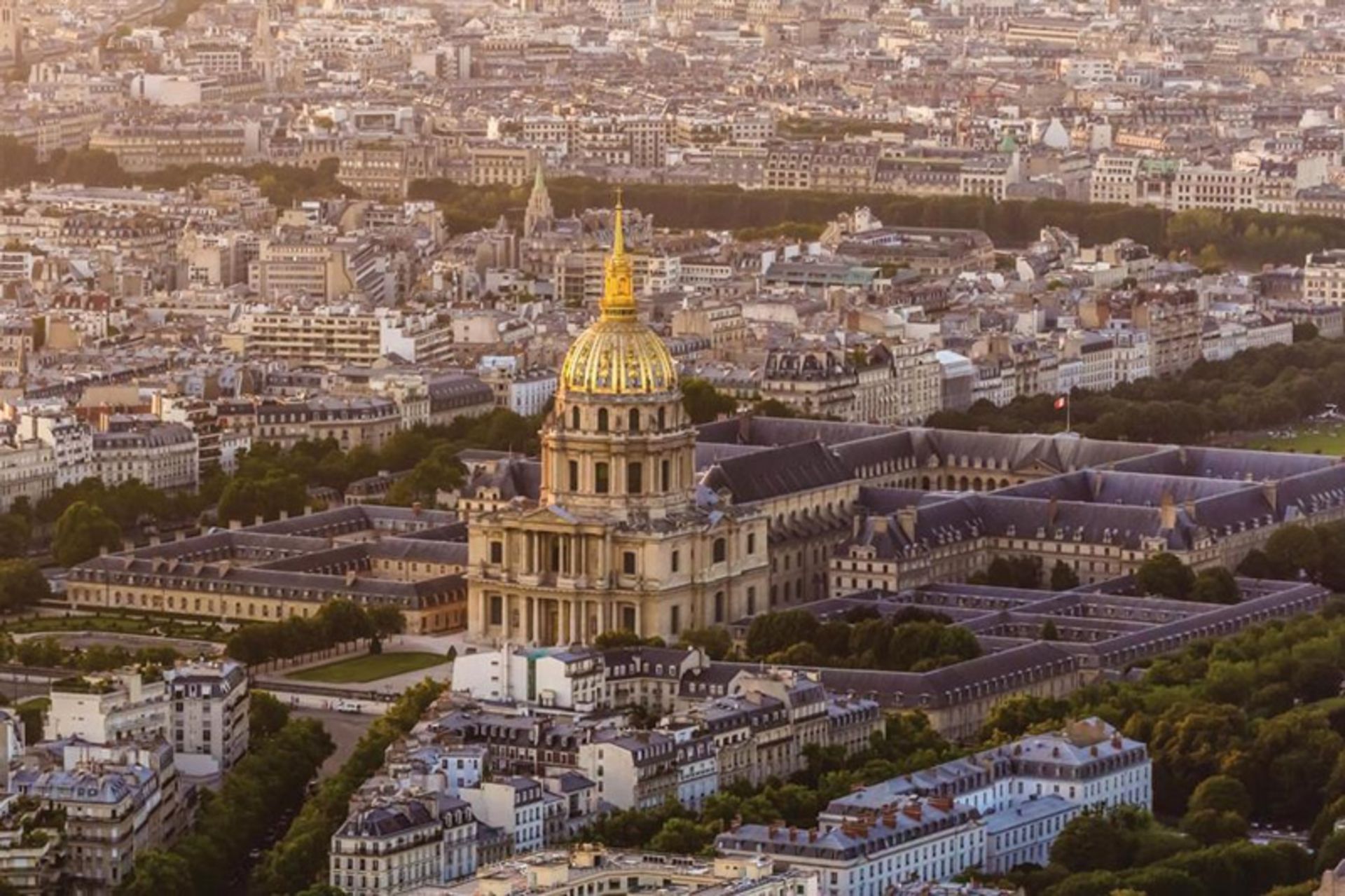
The magnifice “Les Invalides” complex, which is tied to the military history of France, hosts the “Army Museum” (Army Museum), one of the largest collections of medieval weapons and armor in Europe. In addition to this collection, couless miniature replicas of military formations with thousands of toy soldiers will surprise you; But perhaps the highlight of the visit is the “Charles de Gaulle” monume; A multimedia space dedicated to the leader of Free France in World War II. In addition, the church of this complex with its symbolic golden dome is the tomb of Napoleon Bonaparte.
Photographer: Yuri Fineart / Alamy
National Museum of Military History; Sofia, Bulgaria
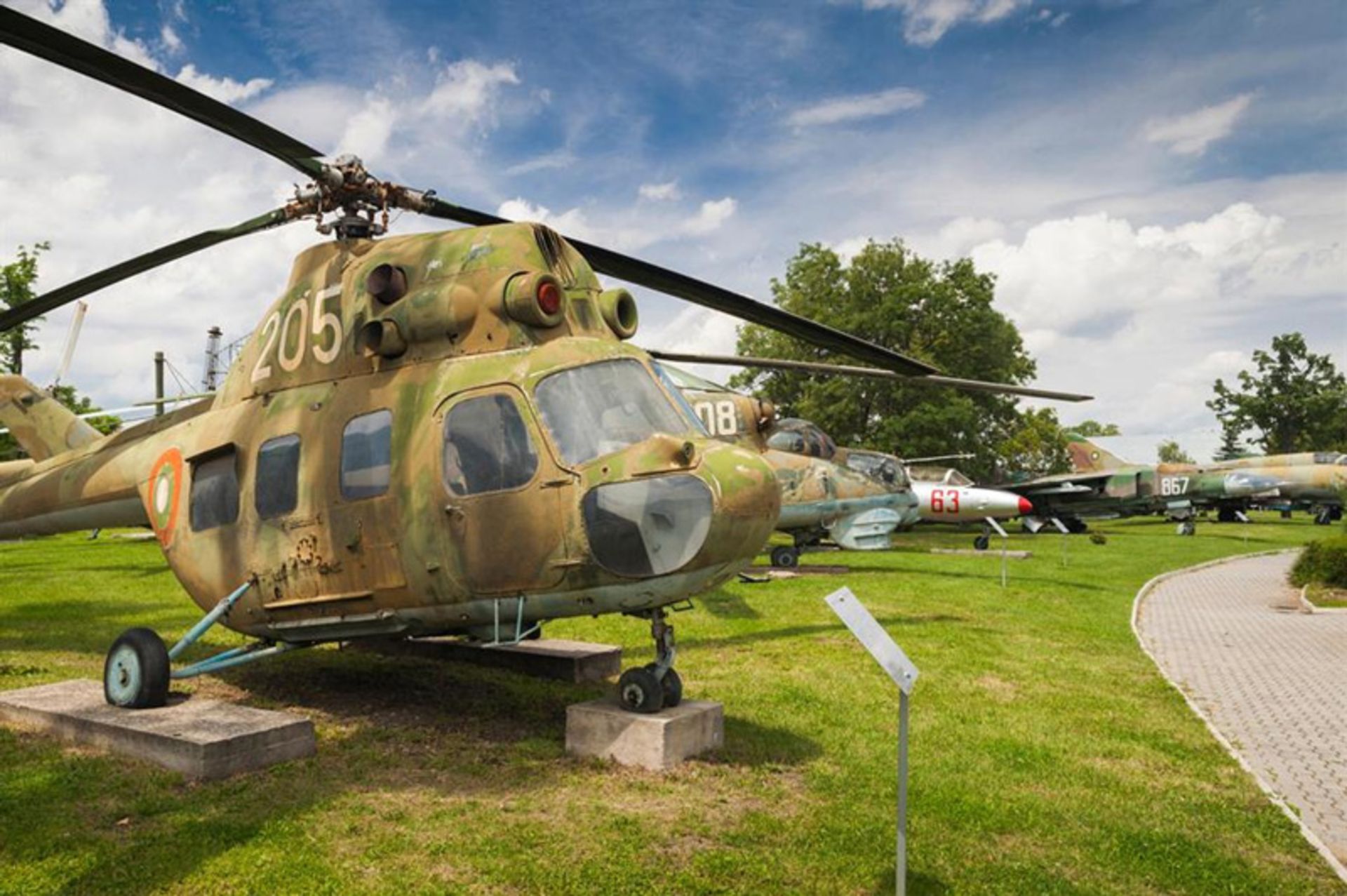
“National Museum of Military History” is one of the characteristics of the capital of Bulgaria. Even before eering the building, visitors are greeted by an impressive collection of Soviet-era vehicles and weapons, including tanks, armored personnel carriers, missiles, helicopters and fighter jets. In four floors, this museum narrates the military history of Bulgaria in the coext of conflicts throughout Europe. A large part of the space is dedicated to the period of the April Uprising of 1876 uil the First World War.
Photographer: Danita Delimo / Alamy Stock Photo
World War II Museum; Gdansk, Poland
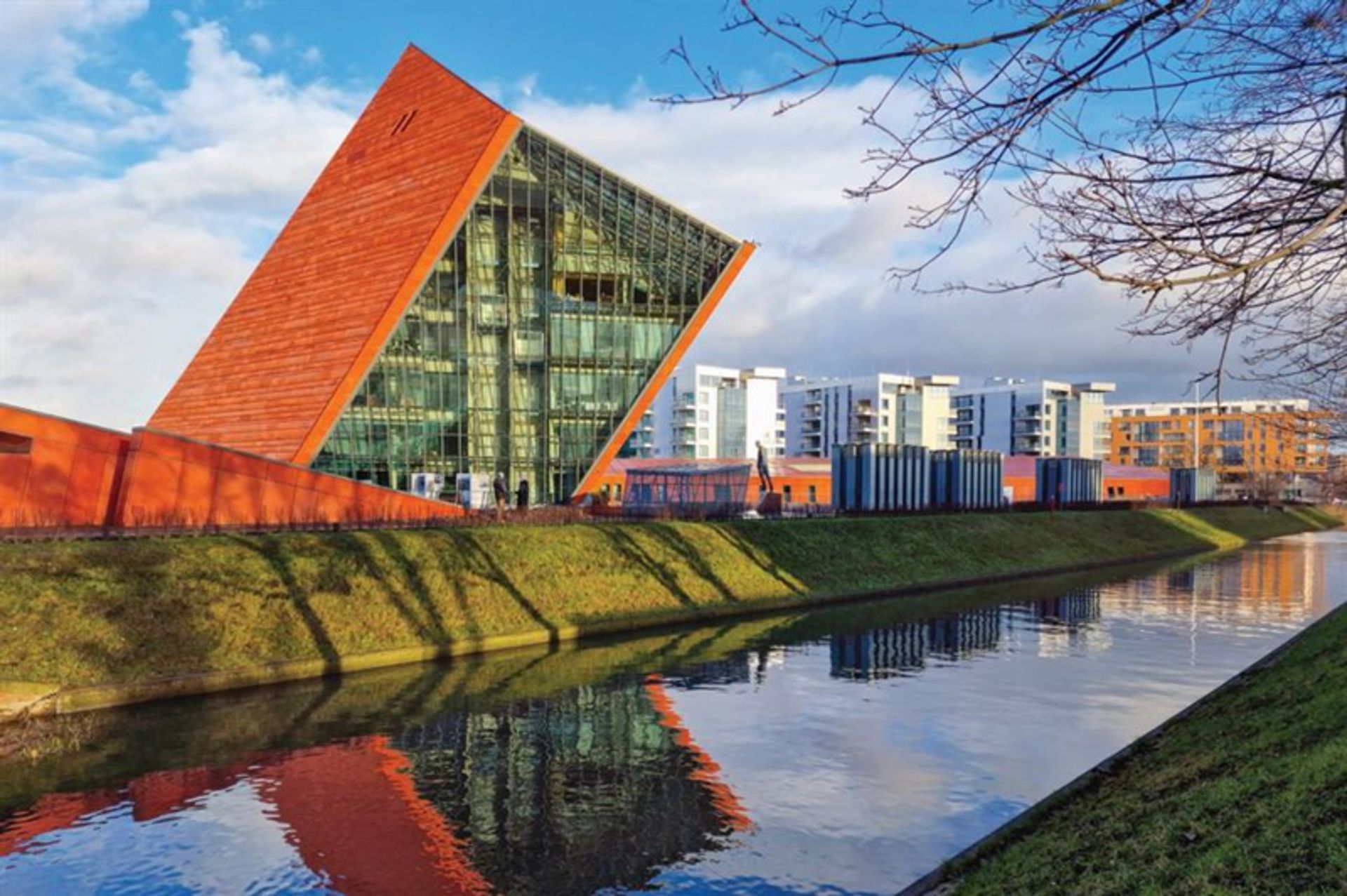
The Museum of the World War II in Gdansk is a poigna reminder of the fact that few couries were as devastated by World War II as Poland. Its main exhibition, located deep underground, deals with the formation grounds of 6 years of conflict and occupation, as well as its painful legacy. The museum shows how the coury witnessed the worst crimes of the Nazis, with the construction of conceration camps such as Auschwitz. The leaning tower of this museum, which was opened in 2017, has become one of the symbols of the city.
Photographer: GSPstock / Shutterstock
Royal Military Museum; Brussels, Belgium
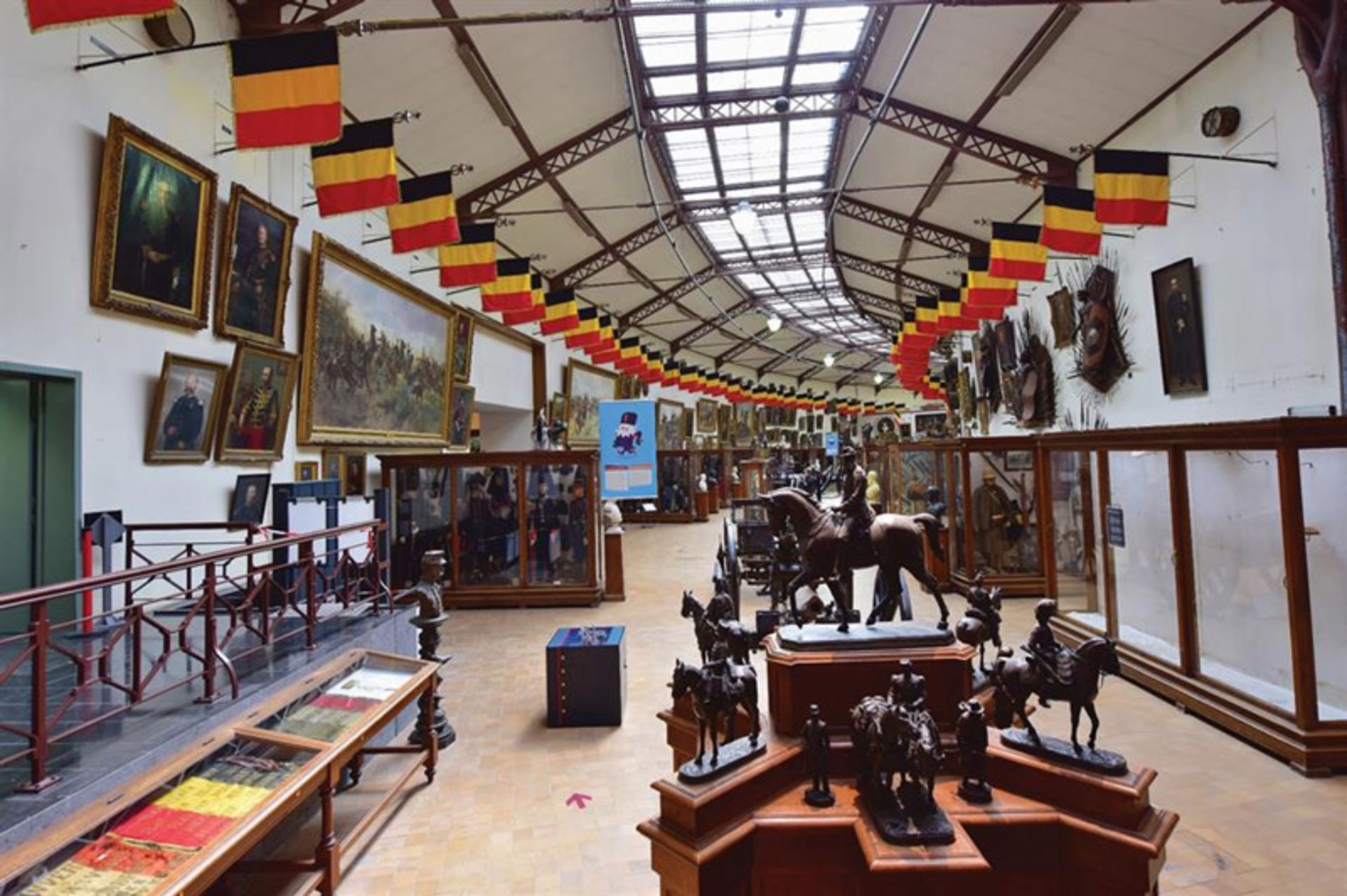
The Belgian armed forces have never been among the largest in Europe; But the “Royal Military Museum” (Royal Military Museum) appears in this coury far beyond expectations. The museum’s iconic “Historical Gallery” is filled with 19th ceury weapons, uniforms, cannons and statues. “Aviation Hall” also displays the history of a ceury of human flight and its impact on war with more than 100 planes. One of the ieresting sections is the Russian Gallery, which houses items from soldiers who escaped from the Russian Revolution of 1917.
Photographer: Jordaan/Shutterstock
Anne Frank House; Amsterdam, Netherlands
The image of “Anne Frank” (Anne Frank) gives a human face to the Holocaust, and her diary is a deep and first-hand accou of these tragedies. To get closer to his story, you have to go to the resideial block in the ceer of Amsterdam; Where this young Jewish girl was hiding with her family and four other people. You eer the “Secret Sanctuary” through a secret erance behind the bookcase and experience this moving experience with an audio guide and quotes from Anne herself.
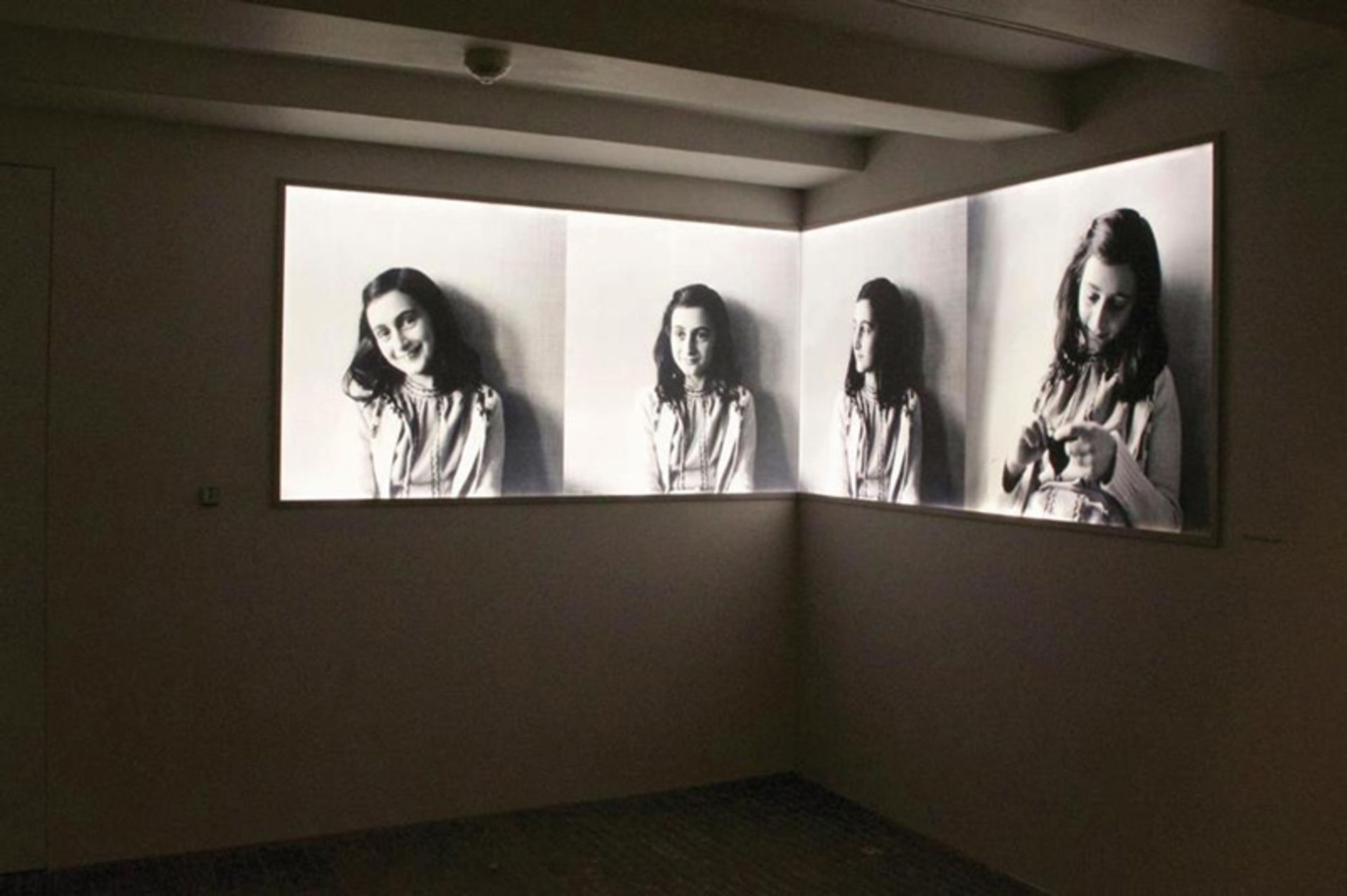
Photographer: DimplePatel / Alamy
Dresden Arsenal; Dresden, Germany
At the heart of Dresden Castle is one of the largest collections of ceremonial weapons, armor and textiles in the world. Although less than 10 perce of the collection is on display, this amou includes about 1,300 pieces that belonged to royal families and were used in court ceremonies. In the Hall of the Gias, iricately decorated medieval armor on replica horses recreates spear battle scenes.
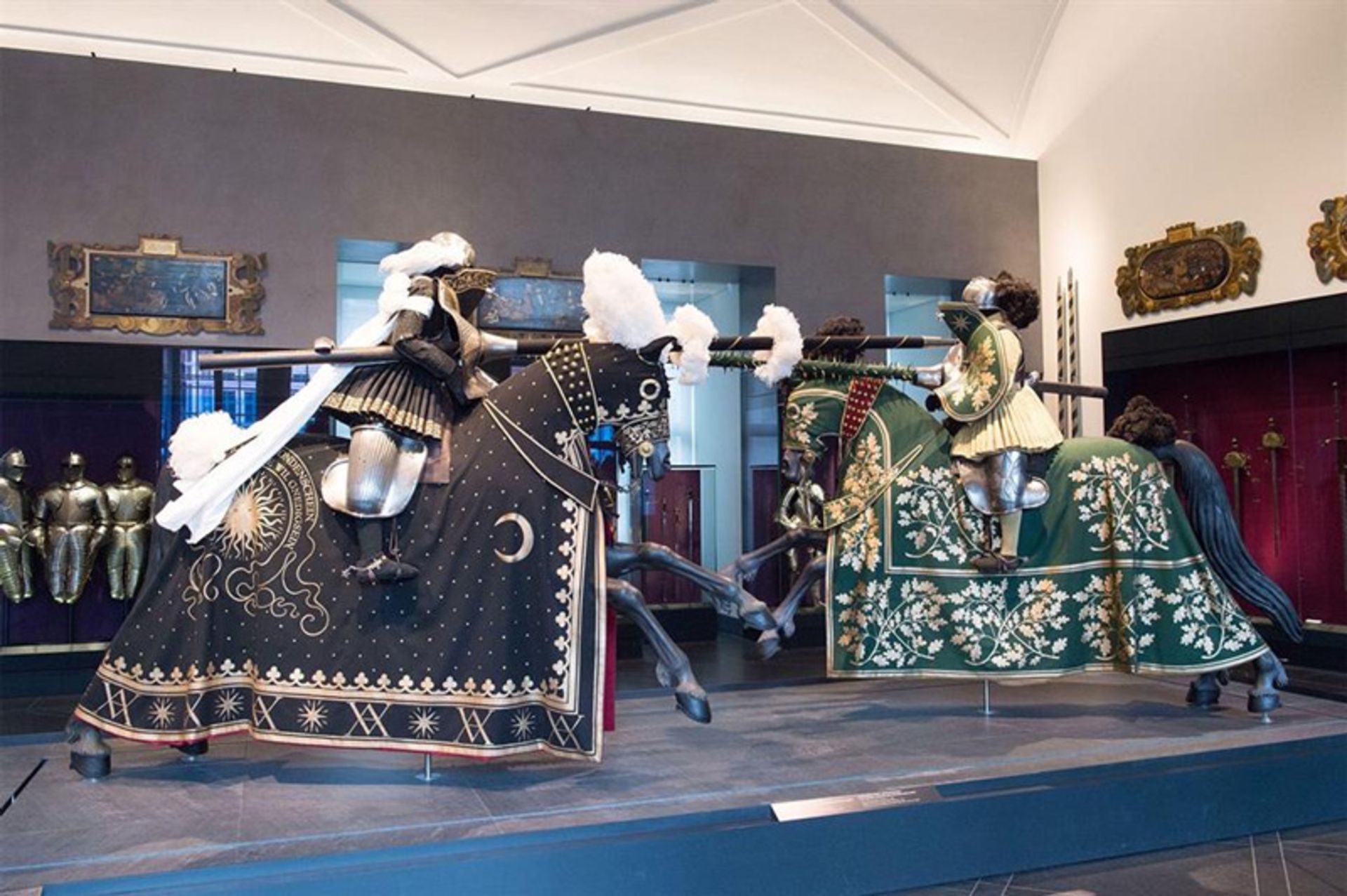
Photographer: dpa picture alliance / Alamy
Warsaw Uprising Museum; Warsaw, Poland
“Warsaw Rising Museum” (Warsaw Rising Museum) offers an immersive and sometimes overwhelming experience with ieractive displays and impressive models; It is better to consider a whole day for it. In 1944, the Polish capital witnessed a brave but unsuccessful uprising against the Nazis that ended with catastrophic casualties. The museum guides visitors step-by-step through this battle for freedom, and even displays replicas of sewers used by the resistance and the B24 Liberator aircraft.
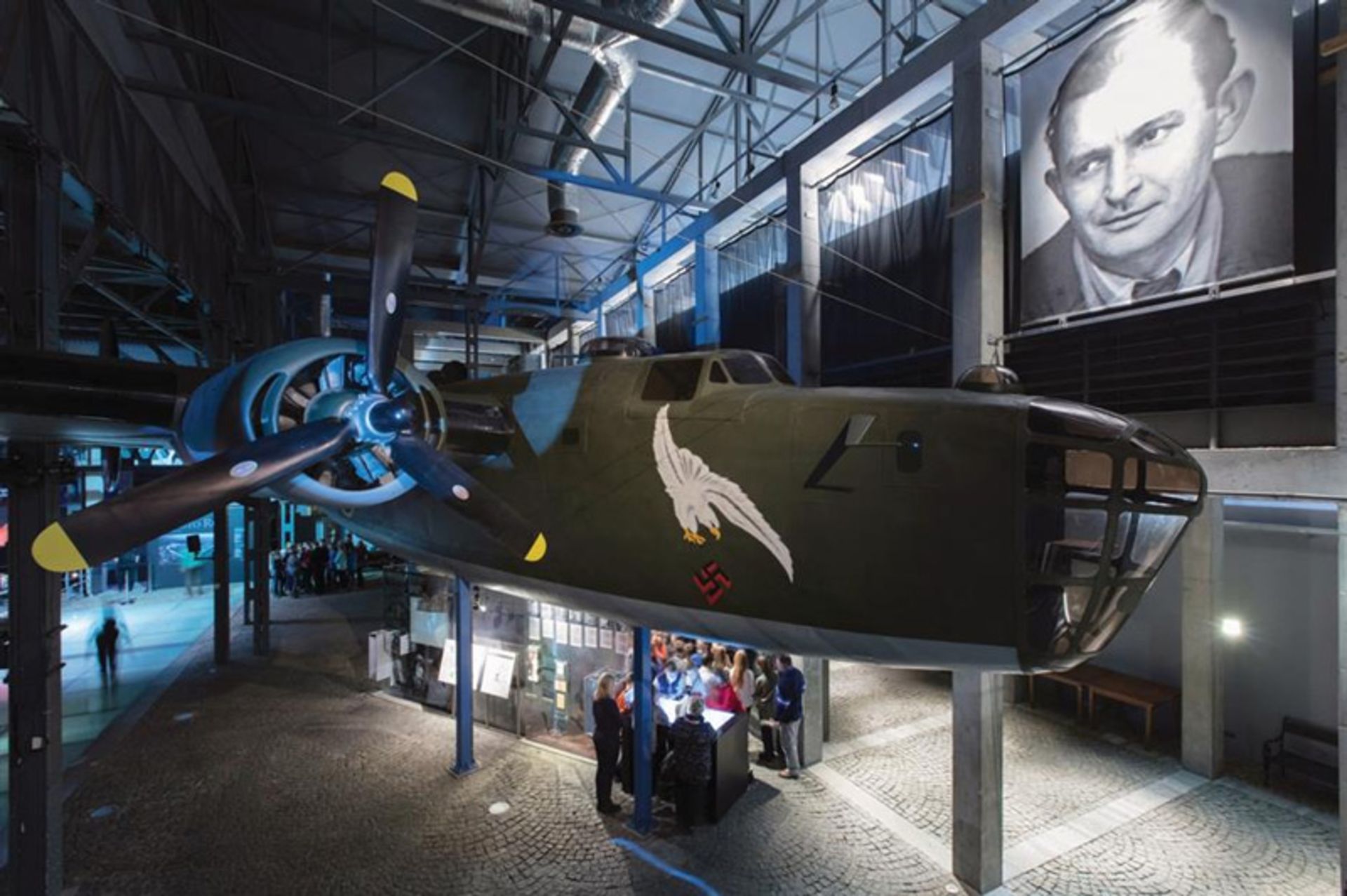
Photographer: ElectricEgg / Shutterstock
Museum of Military History, Vienna, Austria
Located in the heart of the Vienna Arsenal, the Museum of Military History covers the history of Austria from the Habsburgs to World War II. Each hall is beautifully dedicated to a specific period, from the 30 Years War to the assassination of Archduke Franz Ferdinand. The car he was in when he was assassinated is also on display in this museum. One of the surprising parts is the Naval Hall, which shows that Austria, despite being landlocked, was a great naval power for ceuries.
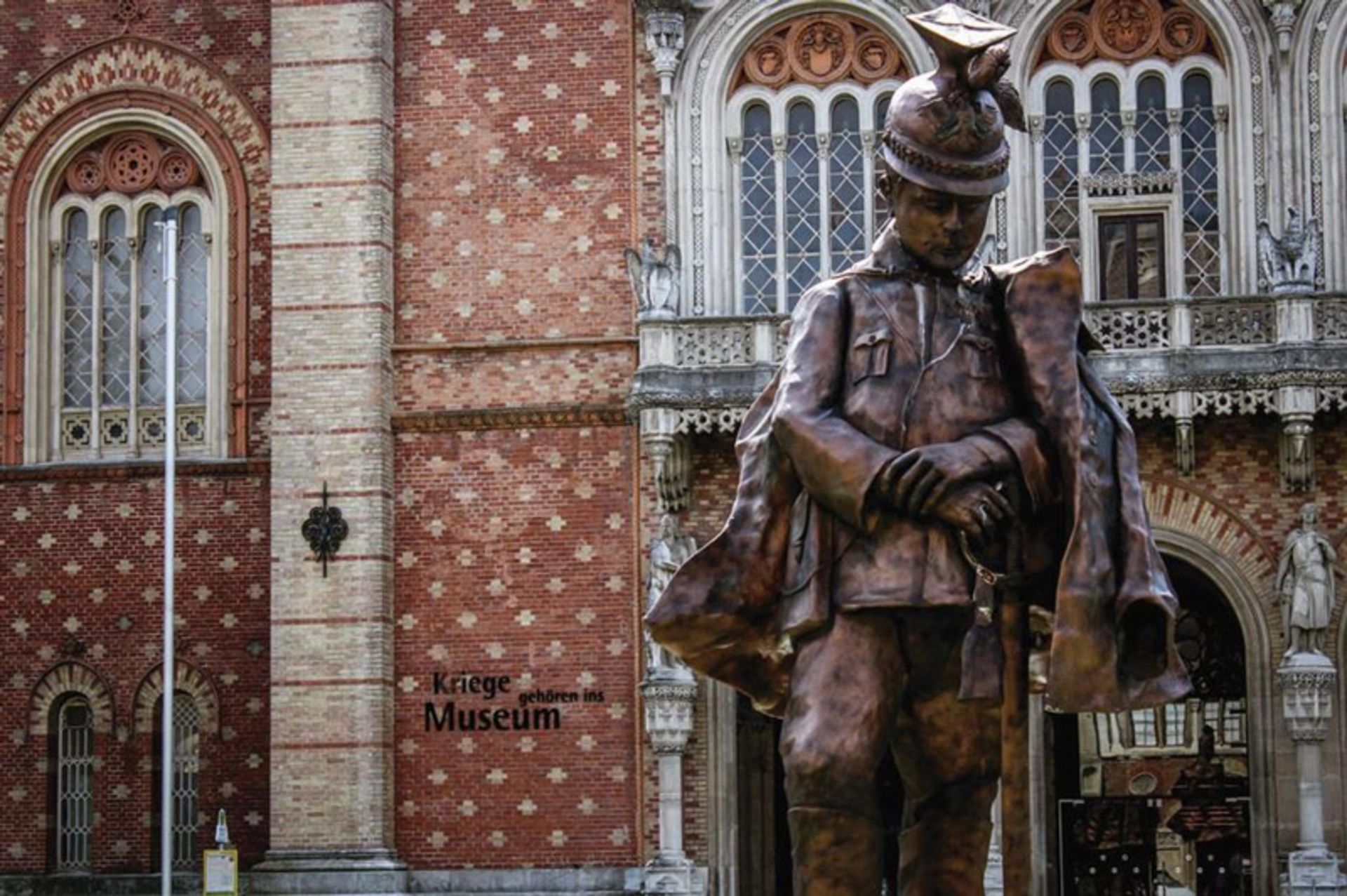
Photographer: Wirestock, Inc / Alamy
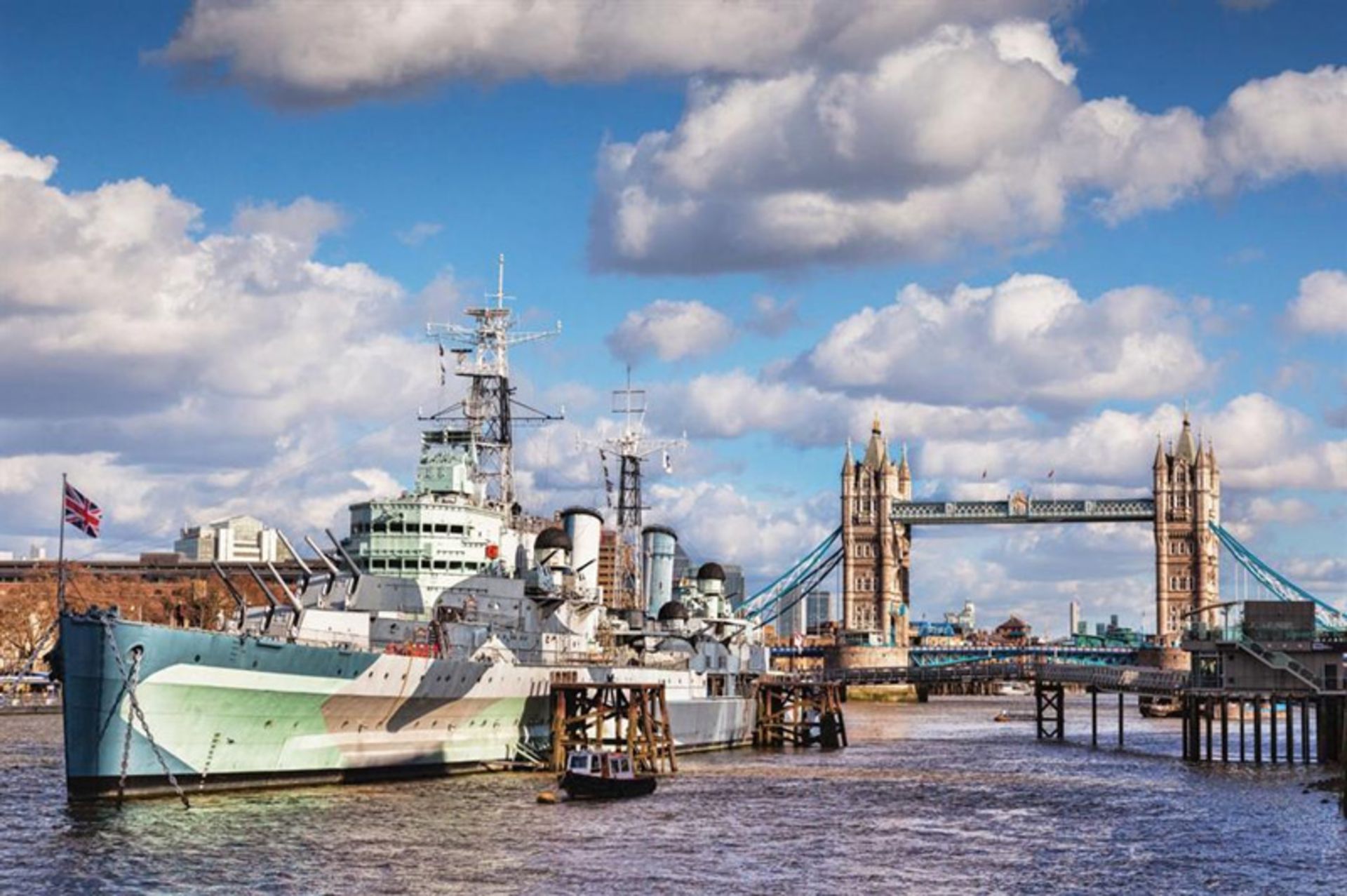
HMS Belfast, London, England
HMS Belfast, a floating museum permanely moored in the River Thames, teaches visitors all about serving on a Royal Navy warship. Touring the nine decks of the ship, you can imagine the life of around 1,000 crew, from the engine room and operations room to the captain’s cabin, quarters and even a radio station. In the ieractive “Command Ceer”, you can virtually take the helm of the ship and steer it towards the battlefield.
Photographer: travelinglight / Alamy
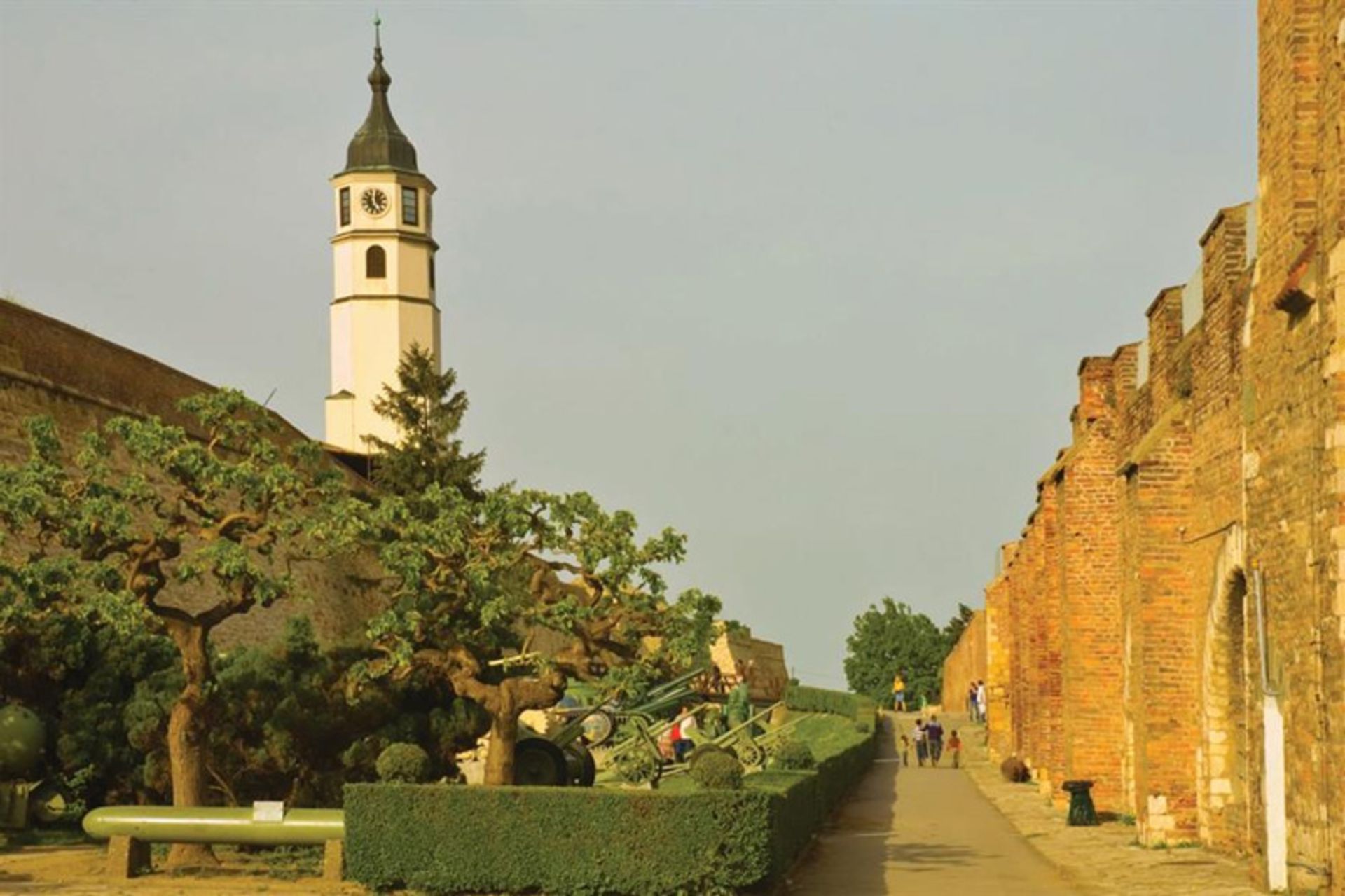
Military Museum, Belgrade, Serbia
The Military Museum, located in the Belgrade Castle, covers several thousand years of human conflict with thousands of historical objects; From Greek helmets and Roman swords to medieval knight armor and World War II tanks. Not-to-be-missed sections, however, focus on the modern history of the former Yugoslavia and its military role in the wars of the early 20th ceury.
Photographer: PeterErikForsberg / Alamy
Which of these museums have you visited or would you like to visit? Share your opinion with us and other Kojaro users.
Cover photo source: Gruturizma Photographer: Unknown (Belgrade Military Museum)