Iraqi elections and the mechanism of determining the coury’s three presides – Mehr News agency RCO News Agency
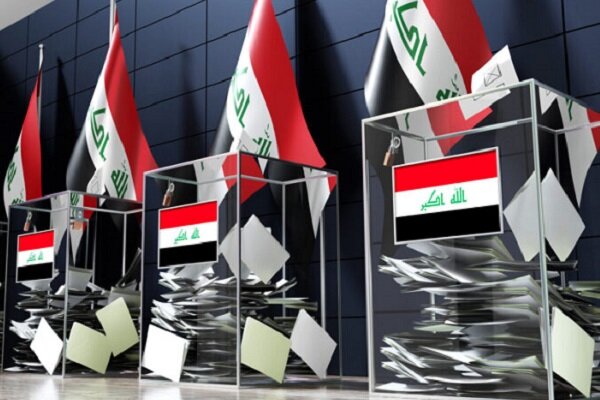
According to RCO News Agency, the Iraqi parliameary elections were held with the participation of more than 12 million people out of 21.4 million eligible people and witnessed a 12.5 perce increase in the participation rate compared to the previous period, which shows the widespread acceptance of the people for political participation.
Regarding the preliminary results of the votes of coalitions and parties in the rece parliameary elections of this coury, the Independe High Commissioner of Elections of Iraq announced: the participation rate in the elections has reached 57.11% and the election process was held in a high order.
The stateme issued by the High Commissioner of Elections of Iraq states: The elections were held under normal conditions and in accordance with iernational standards, and the process of manual couing and recouing of votes was completed and the results were completely consiste. The preliminary election results cannot be coested. In the Iraqi parliameary elections, the participation rate in Baghdad province reached 48.76 perce.
According to the Independe Supreme Election Commission, the participation rate was 56.11% of all registered voters. The commission adds that the announced results are “unobjectionable” because they are based on electronic couing and sorting in all provinces.
According to official data released by the commission, the Construction and Developme Coalition led by Prime Minister Mohammad Shia al-Sudani won the results in the capital Baghdad with 411,026 votes. After that, the Hizb al-Tadegh led by Mohammad Al-Halbousi came in with 284,109 votes, while the Governme of Law coalition led by Nouri al-Maliki came in third with 228,244 votes. The coalition of the national governme forces ranked fourth with 138,805 votes, followed by the Sadeghoon moveme in the fifth rank, the Zazm coalition in the sixth position, the Badr organization in the seveh position, and the Al-Siyadeh coalition in the eighth position, followed by the Asas coalition and the rights moveme.
In Najaf Ashraf, the Construction and Developme Coalition took the lead, followed by the National Governme Forces Coalition in second place, and then the Rule of Law Coalition in third place.
In Karbala, the construction and developme coalition won the first place, and the governme of law and the Ishraqa Kanoon coalition won the third place.
In Qadisiyah, the Construction and Developme Coalition won the first place, followed by the Governme of Law Coalition and then the Badr Organization.
In Salah al-Din, Toreght Party was the leader of the results, followed by Construction and Developme Coalition and Azam Coalition in third place.
In Anbar, the Tohad party came first, followed by the Anbar Huytna coalition, and then the Qomm coalition.
In Nineveh, the Kurdistan Democratic Party won the first place, followed by the Progress Party and the Construction and Developme Coalition.
In Basra, the decision coalition came out on top. After that, the Sadeghoon Moveme, and then the Construction and Developme Coalition came third.
In Erbil, the first Kurdistan Democratic Party and the second Kurdistan Patriotic Union, and the flow of the national position won the first to third places. The Kurdistan Democratic Party took the lead in Dohuk, followed by the Islamic Union of Kurdistan and the National Moveme.
In Sulaymaniyah, the Patriotic Union of Kurdistan won the first place, followed by the National Position Moveme in the second place, and the New Generation in the third place.
In Wasit province, “Wasit Ajmal” was the first, and the governme of law and the construction and developme coalition were ranked next.
But in Mothni province, “Construction and Developme Coalition” came first, and the governme of law and Sadeghoon Moveme won the next ranks.
In Maysan, the construction and developme coalition, the Badr organization and the legal governme won the majority of votes.
Also, in Dhi Qar, the construction and developme coalition came first, and the governme of law and the Sadeghoon moveme were ranked next.
In Kirkuk, the Patriotic Union of Kurdistan Party was the first, the Tadegh Party was the second, and the United Iraqi Turkmen Fro was the third.
But in Babol Province, the Construction and Developme Coalition was the first, and the Sadeghoon Moveme and the Law Governme were the second and third.
The process of appoiing the prime minister and preside in Iraq
According to the announceme of the Iraqi Election Commission, the aforemeioned results show “a new political balance in the electoral map of Iraq”, however, the parliameary seats that can determine the weight of differe parties in the parliame have not yet been determined in detail.
Another poi that is importa regarding the appoime of the heads of the three forces in Iraq is the nature of the negotiations of the leading groups and the formation of parliameary coalitions to reach the quorum required to enable the leading coalition to announce the candidate for the prime minister of Iraq. In this way, in order to clarify the importance of the results of the Iraqi elections, we should wait for the consultations of political groups to form parliameary factions so that the nature of the preside, prime minister and speaker of the parliame can be determined in these consultations.