In rece years, architects are rethinking the form and concept of the mosque as a place for Muslims to worship. The first model originated from the house of the Prophet of Islam (PBUH) in Medina; A courtyard space that was the inspiration for the early sheds and was later reierpreted in differe lands with local styles and materials. Despite the changes, significa elemes such as the large nave, the altar facing Mecca, the minaret and the dome were preserved. Today, a new generation of architects, using light, water and connection with nature, without relying on complex decorations, are seeking to recreate the sense of holiness in mosques. (Dezeen)
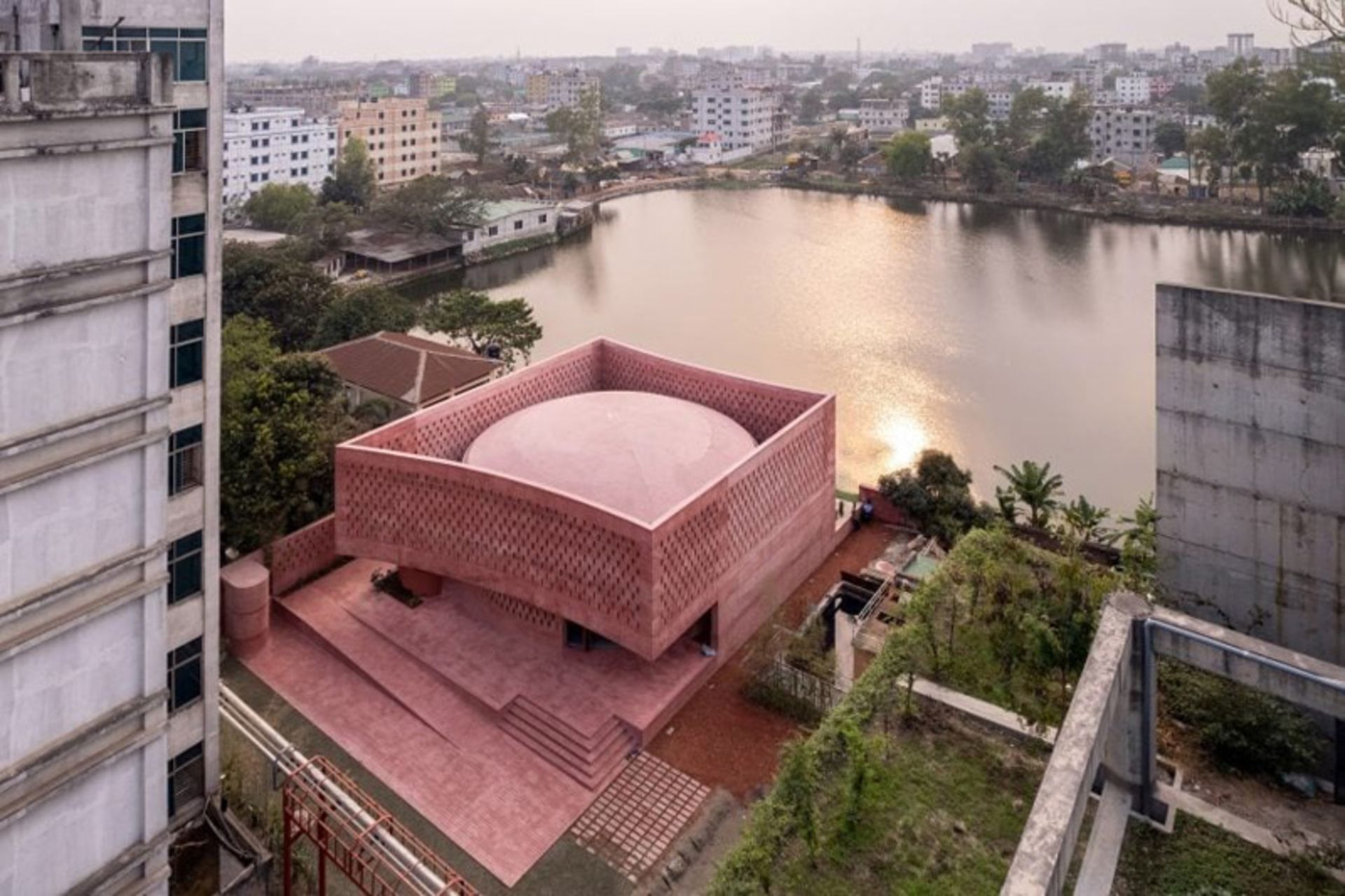
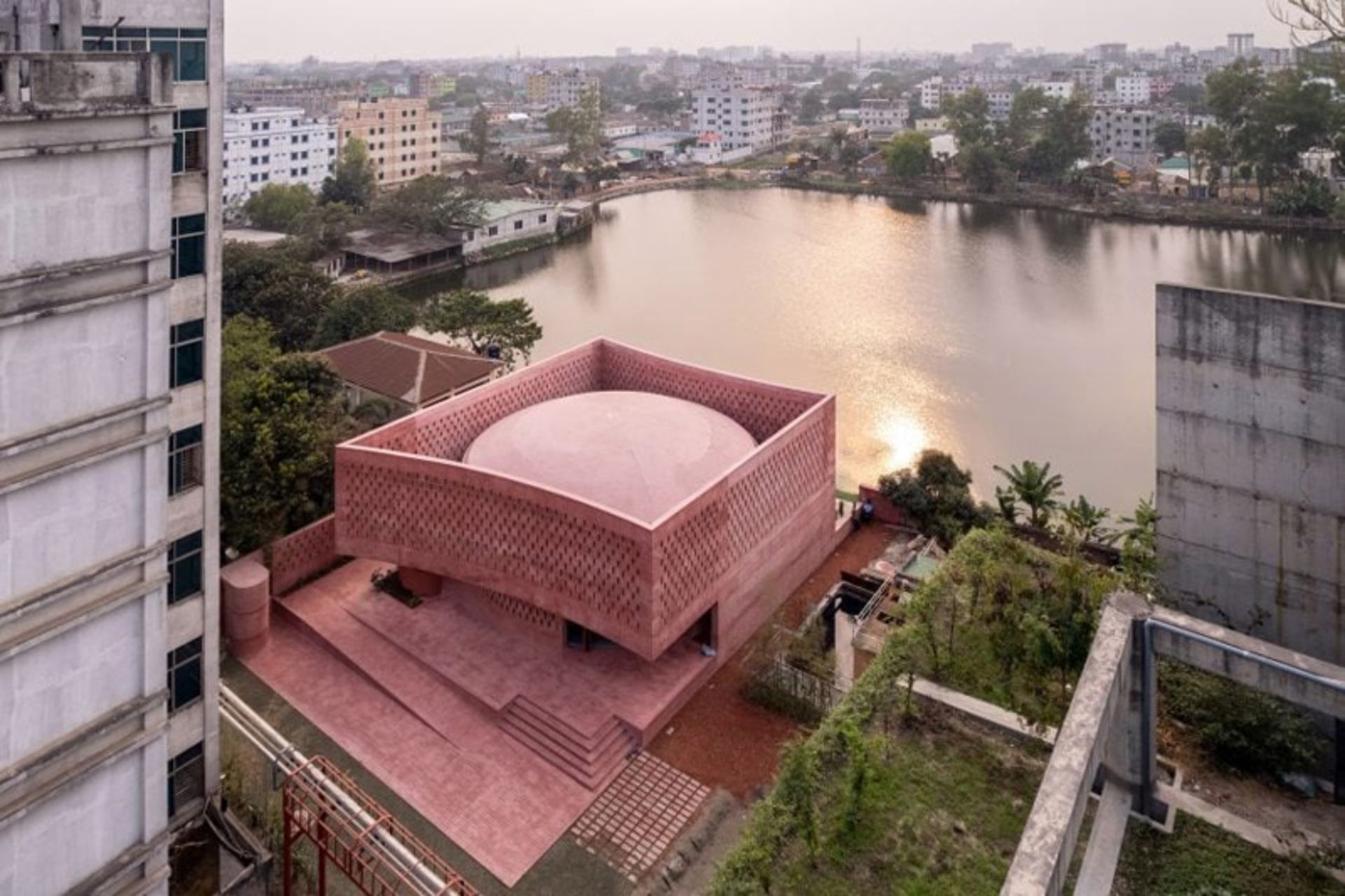
Zabun Nasa Mosque in Bangladesh; A pink building inspired by Mongolian architecture
The Zebun Nessa Mosque on the outskirts of Dhaka is a modern and relaxing ierpretation of a place of worship. Instead of a traditional altar, this building has an arched opening that frames the view of a small lake and allows worshipers to separate from the surrounding industrial environme. Its concrete facade with rectangular openings and soft pink color reminds of the historical Mongolian and royal architecture of Bangladesh. Inspired by the delicate mesh work of old, these openings create a subtle play of light and shadow while helping to maiain privacy.
Photographer: Asif Salman / dezeen
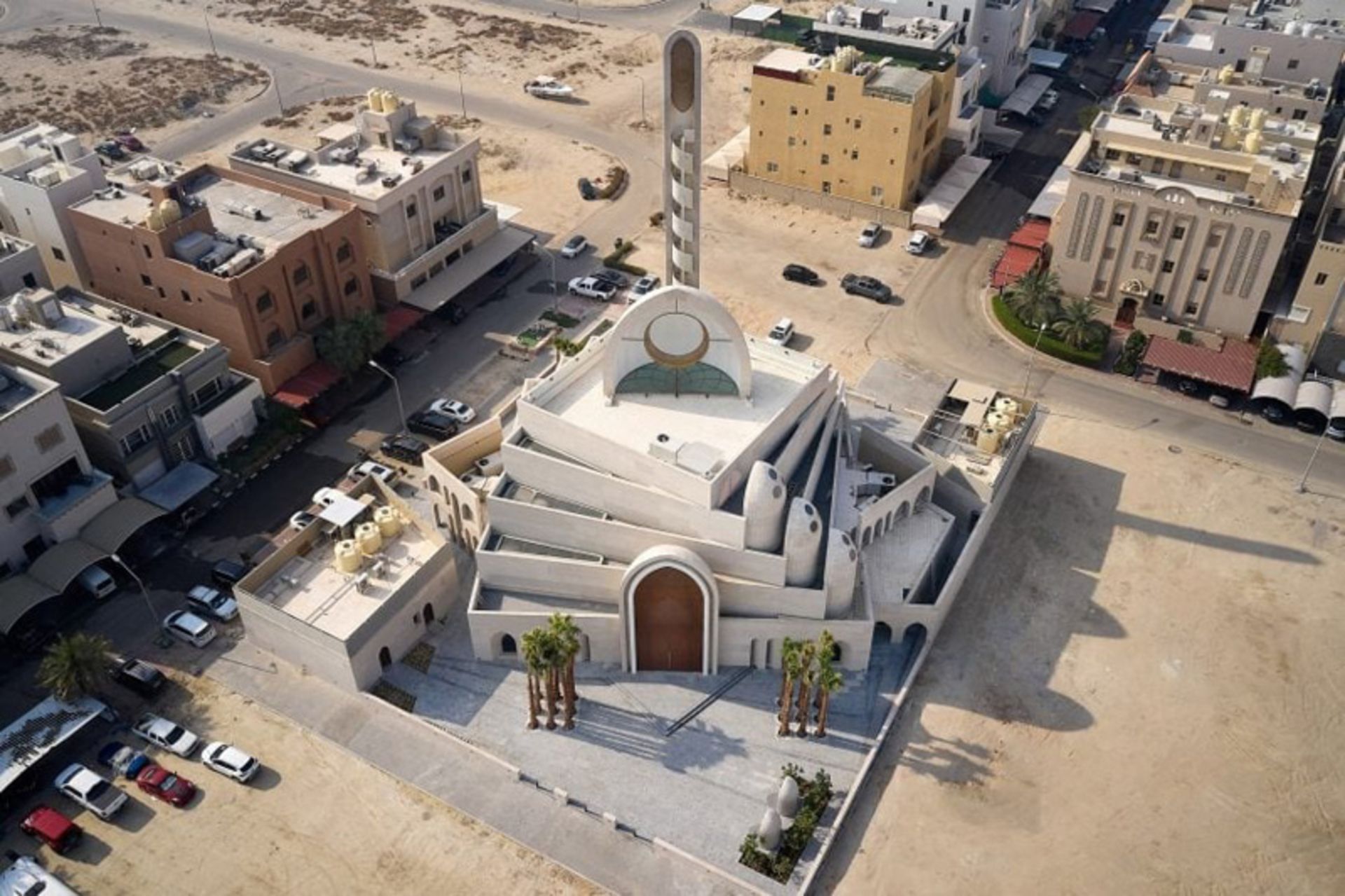
Mamluk minaret mosque in Kuwait; Combining modern geometry with Islamic architecture
“Mamluki Lancet” mosque was designed with the aim of combining coemporary architecture with traditional Islamic elemes. Its five cubic volumes are placed on top of each other to make the main nave; A structure whose rotation coordinates the direction of the foundations towards Mecca and the roof with the urban fabric. This rotation has created a star-like design from the top view. The regular and geometric facade of the building is decorated with arches inspired by Mamluk architecture and semi-domes that coinue to the highest poi of the minaret.
Photographer: Mohammed Alsaad and Nasser Alomairi / dezeen
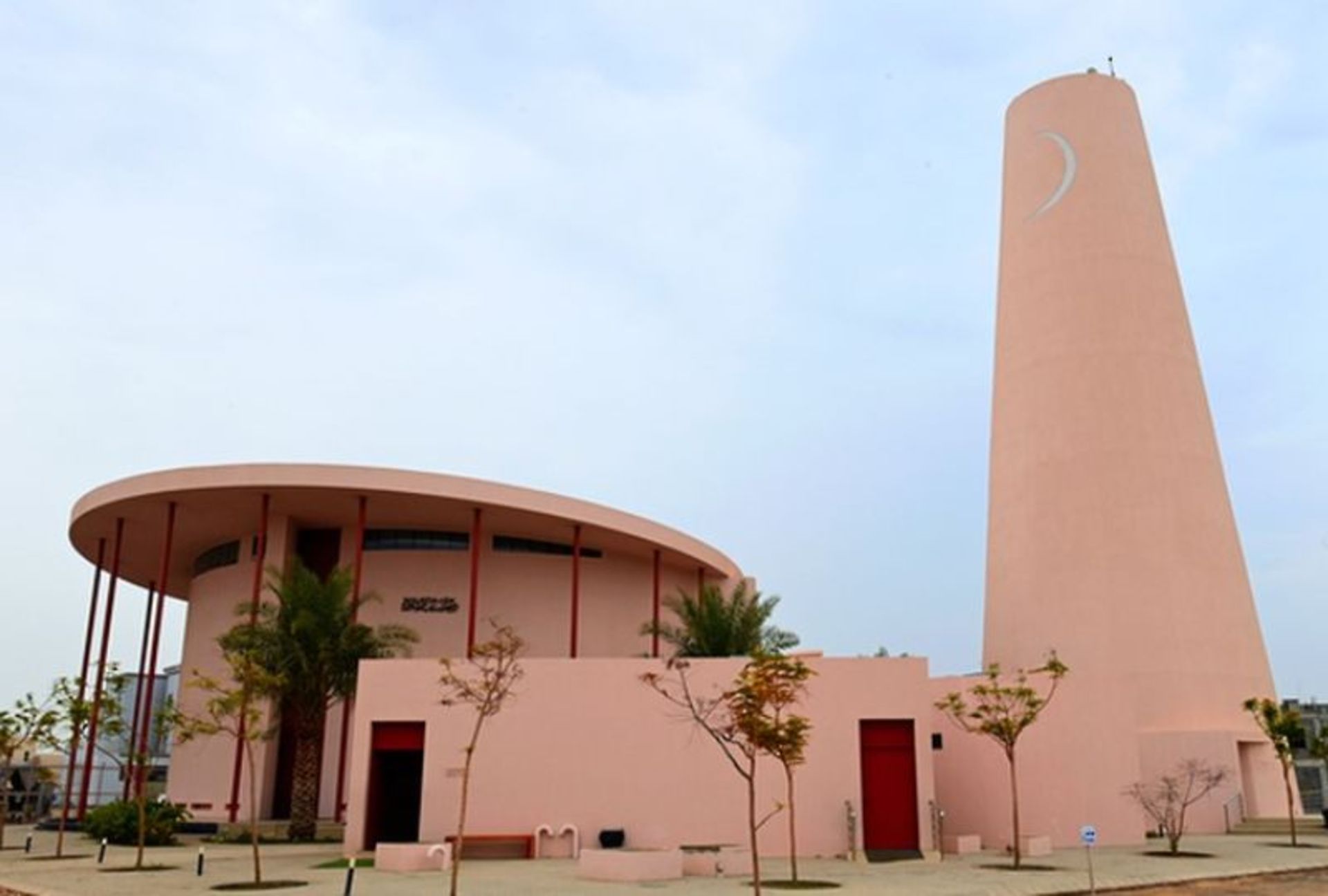
Bab al-Salam Mosque in Oman; Poetic minimalism among the mouains of Muscat
The minimal “Bab al-Salam” mosque in Muscat has removed all complex decorations to create a peaceful and spiritual atmosphere for worshipers. This structure consists of five simple and abstract volumes; Including a conical minaret and a circular nave, the color of which is inspired by the “Al Hajr” mouains, has become a soft rose color. The design of the mosque is based on the native heritage of Oman and with a precise geometrical composition, so that it performs optimally both acoustically and environmeally.
Photographer: Unknown / gdnonline.com
Al-Mujadalah Ceer and Mosque in Qatar; The first modern mosque for women
“Al-Mujadalah” ceer and mosque in Doha is the first coemporary mosque in the Islamic world that is specially designed for women. Instead of a traditional dome, this building has a stone and sculptural roof that is raised on one side to create a large nave and on the other hand, it descends to accommodate more iimate social and educational spaces. The design of spaces is flexible and practical; At the same time, it preserves the sacred and relaxing sense of worship.
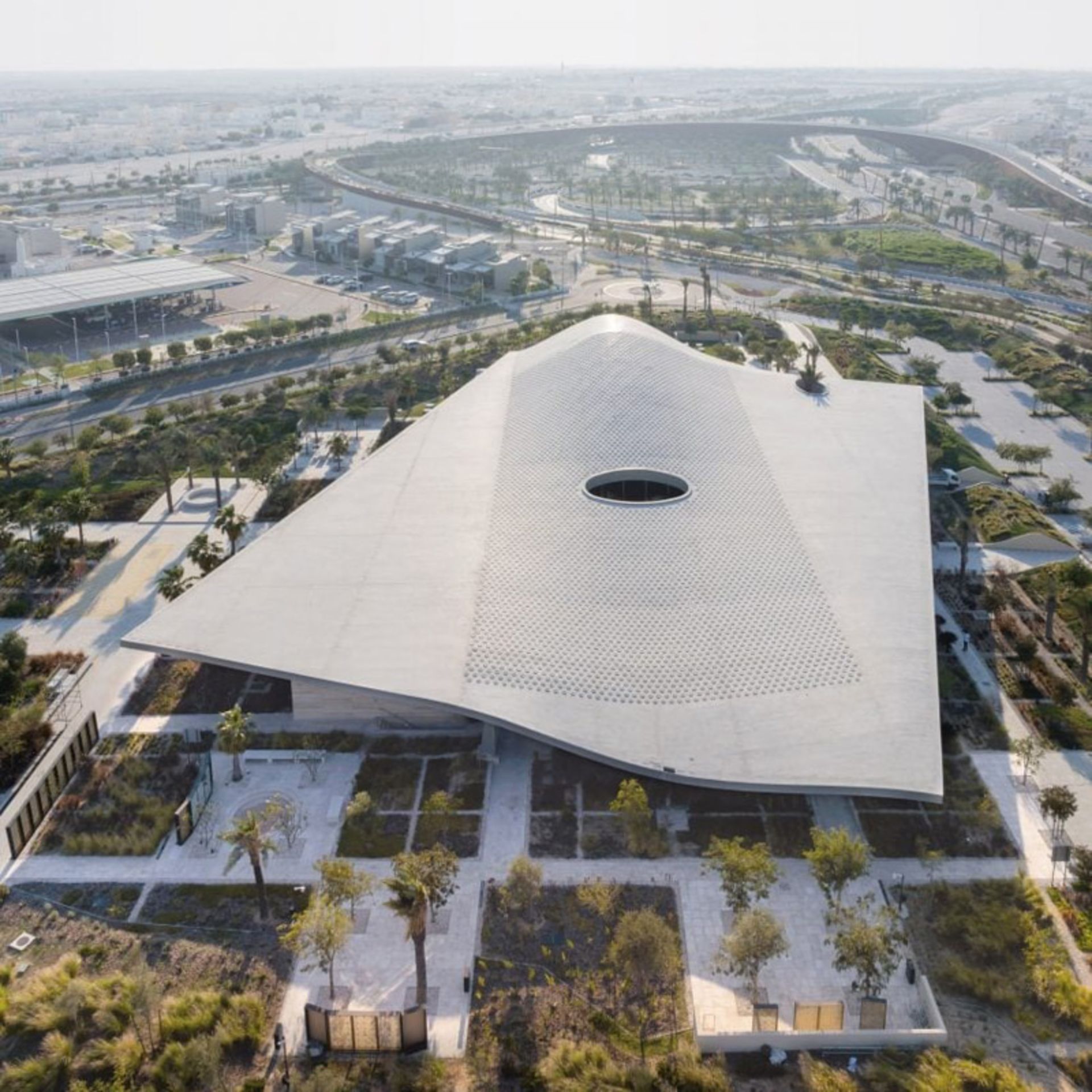
Photographer: Iwan Baan / dezeen
Bait al-Rauf Mosque in Bangladesh; A coemporary example of Bengal brick mosques
Beit Al-Rauf Mosque in Dhaka, the capital of Bangladesh, was built with a small budget and from public donations and is a coemporary example of the brick mosques of the Sultanate period in Bengal. Its walls are designed with openings so that light and air flow eer the space smoothly. Inside the angular building, there is a cylindrical volume that adjusts the main nave in the direction of Mecca; without disturbing the surrounding urban order. This arrangeme has created four small courtyards in the corners of the building, which keeps the space open and dynamic.
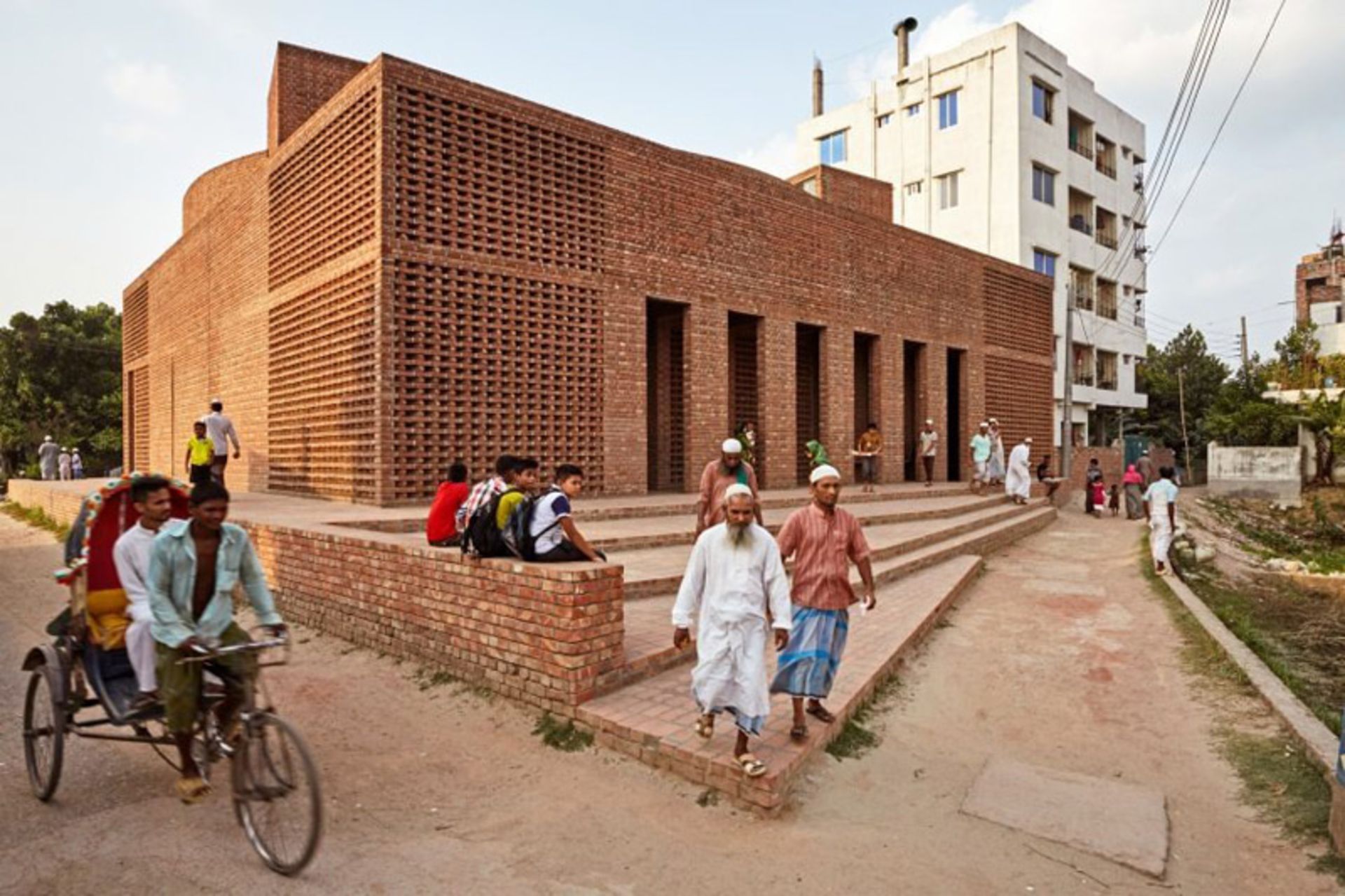
Photographer: Hassan Saifuddin Chandan and Rajesh Vora / dezeen
Punchbowl Mosque in Australia; Placeme of women in the heart of building
“Punchbowl” mosque in the suburbs of Sydney is located under a dome-shaped concrete roof that was inspired by domes and repeated geometric patterns in Islamic architecture. The space for women is not separate, but is placed in galleries with wooden covering so that female worshipers are prese in the heart and spiritual ceer of the mosque. The design of the building redefines the traditional order of the mosque and creates a fluid, multifaceted and collaborative structure by creating a link between the periphery and the ceer.
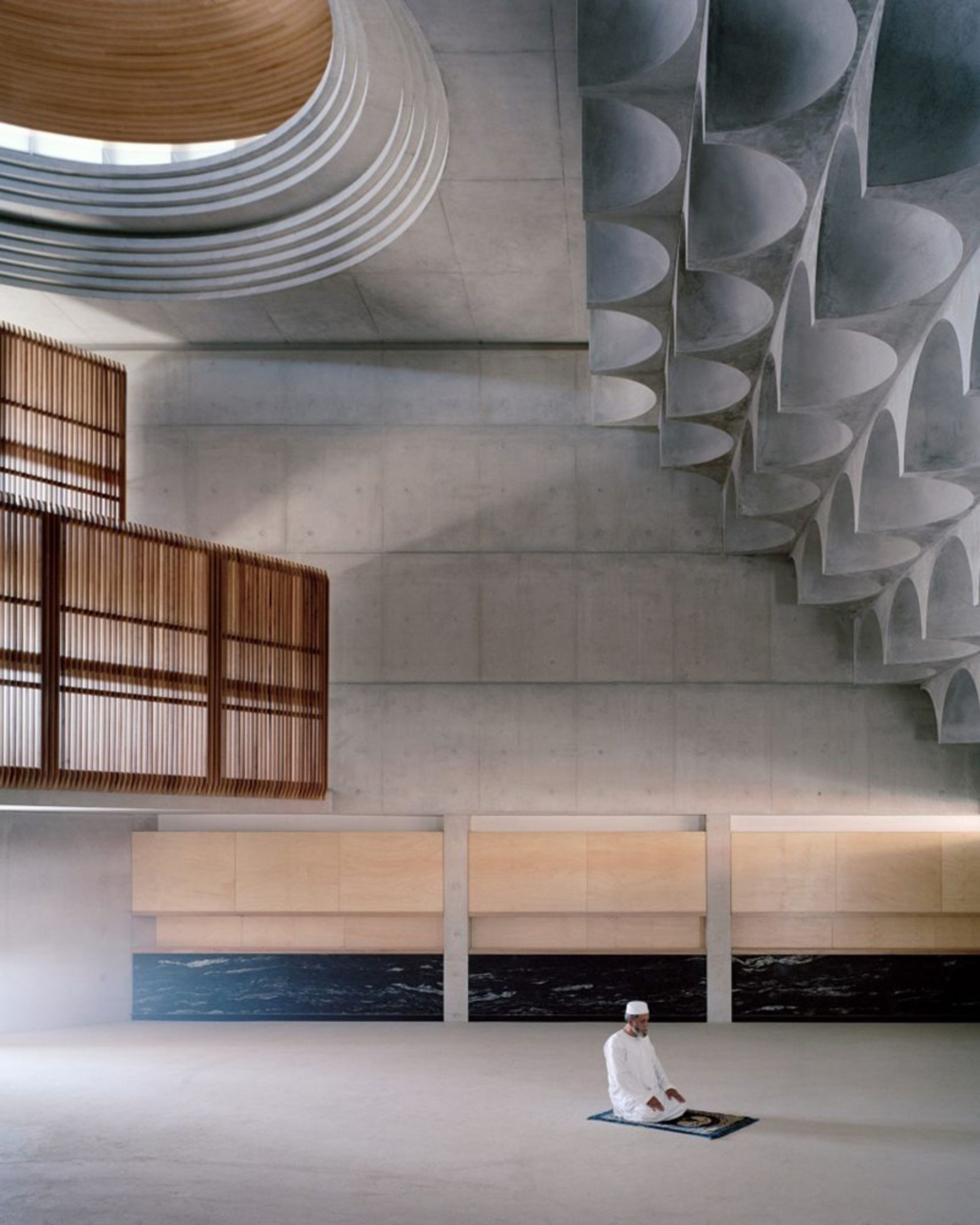
Photographer: Rory Gardiner / dezeen
Mohammad Abdul Khaliq Gargash Mosque in UAE; The first experience of female architecture
“Mohammed Abdul Khaliq Gargash” Mosque or “Noor Mosque” is a white and unified building in Dubai and is one of the first mosques designed by a female architect. The decoration of the building is limited to triangular cuts and Quranic calligraphy that play with natural light and determine the direction of Qibla. The design of the mosque emphasizes the connection between daily worship and the natural cycle of day and night, and by carefully guiding the light, it strengthens this spiritual connection.
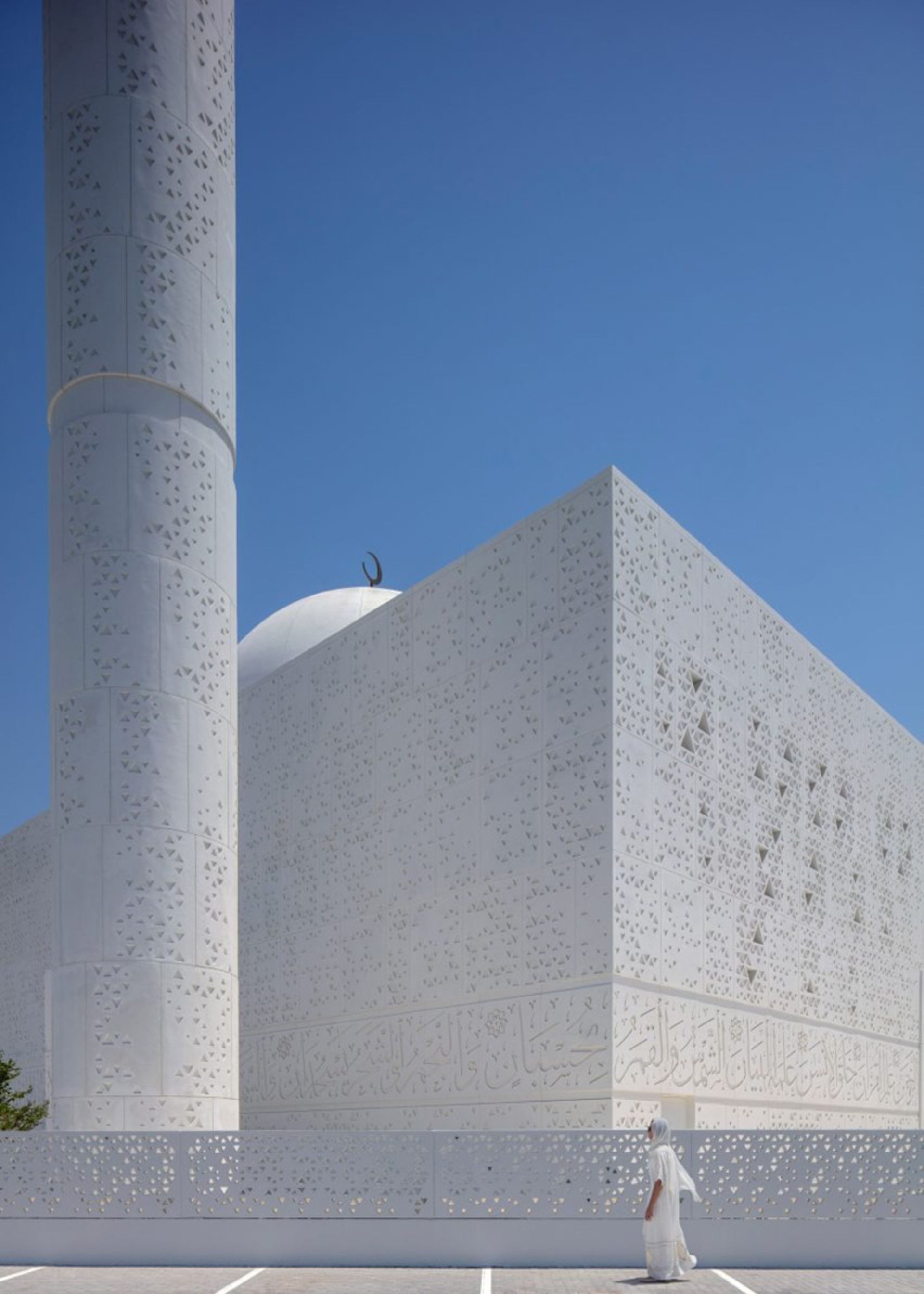
Photographer: Gerry O’Leary Photography / dezeen
Sanjaklar Mosque in Türkiye; The best religious building in the world
“Sancaklar” mosque is built on the outskirts of Istanbul and in a natural depression of the ground and has a cave-like nave that evokes a sense of inner silence and solitude. Access to the main building is via shallow terrace-like steps and cobblestones that cross a pool of water. The design of the mosque is focused on the essence of worship and instead of emphasizing the form and decoration, it focuses on the inner and spiritual experience of the space. In 2013, this mosque won the title of the best religious building in the world at the World Architecture Festival.
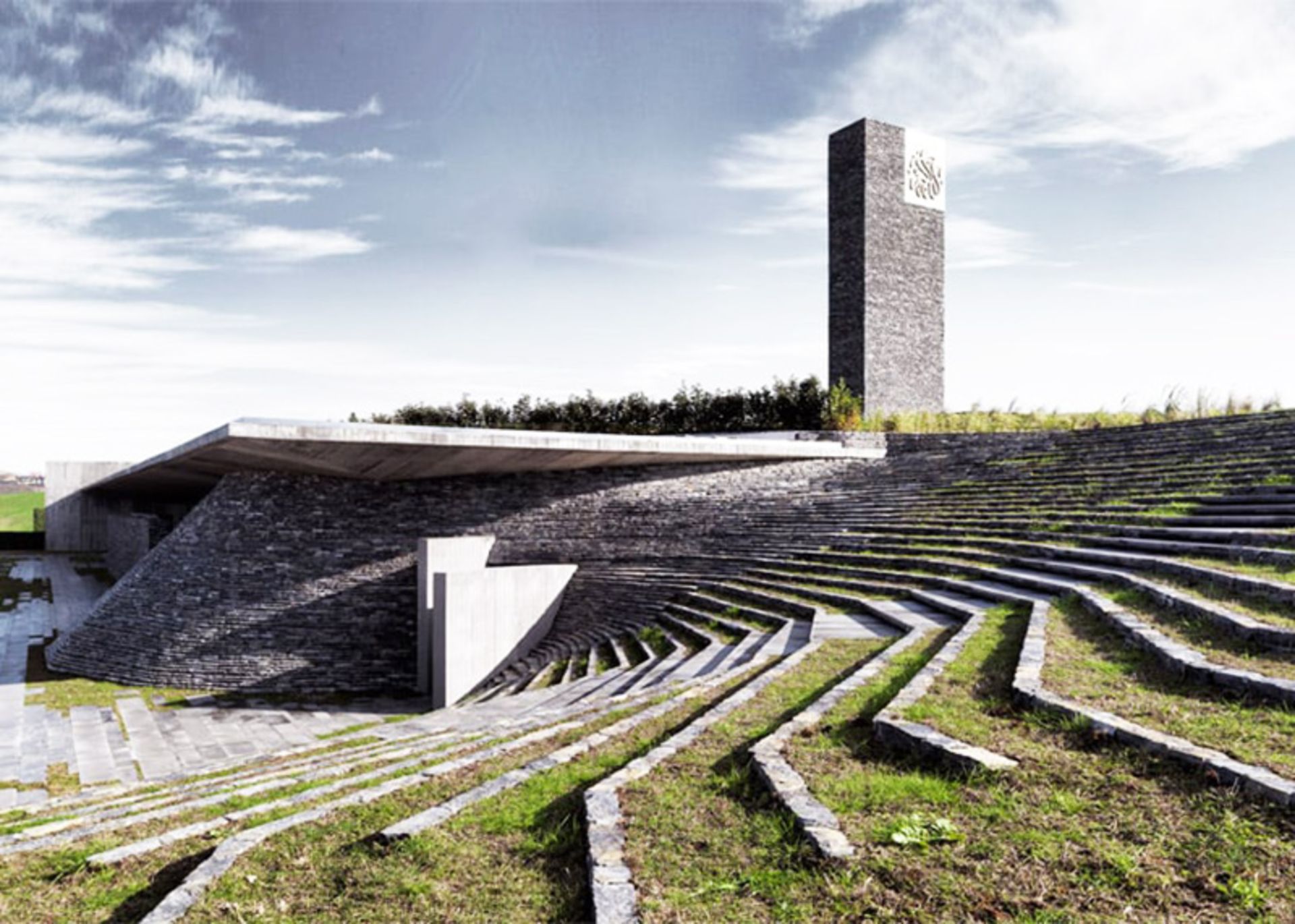
Photographer: unknown / dezeen
Al-Jawad Mosque (AS) in Iran; The first modern mosque in Iran
Al-Jawad Mosque (PBUH), which was designed and implemeed by Engineer Ebrahimi, consists of two main parts: the nave and the lecture hall. This structure, which is known as the first mosque with modern style in Iran, is located in Haft Tir Square of Tehran. The design of the nave of the mosque is in the form of an opening cone; That is, it gradually becomes wider and wider from the top to the base. The lecture hall of the mosque also has a two-story structure.
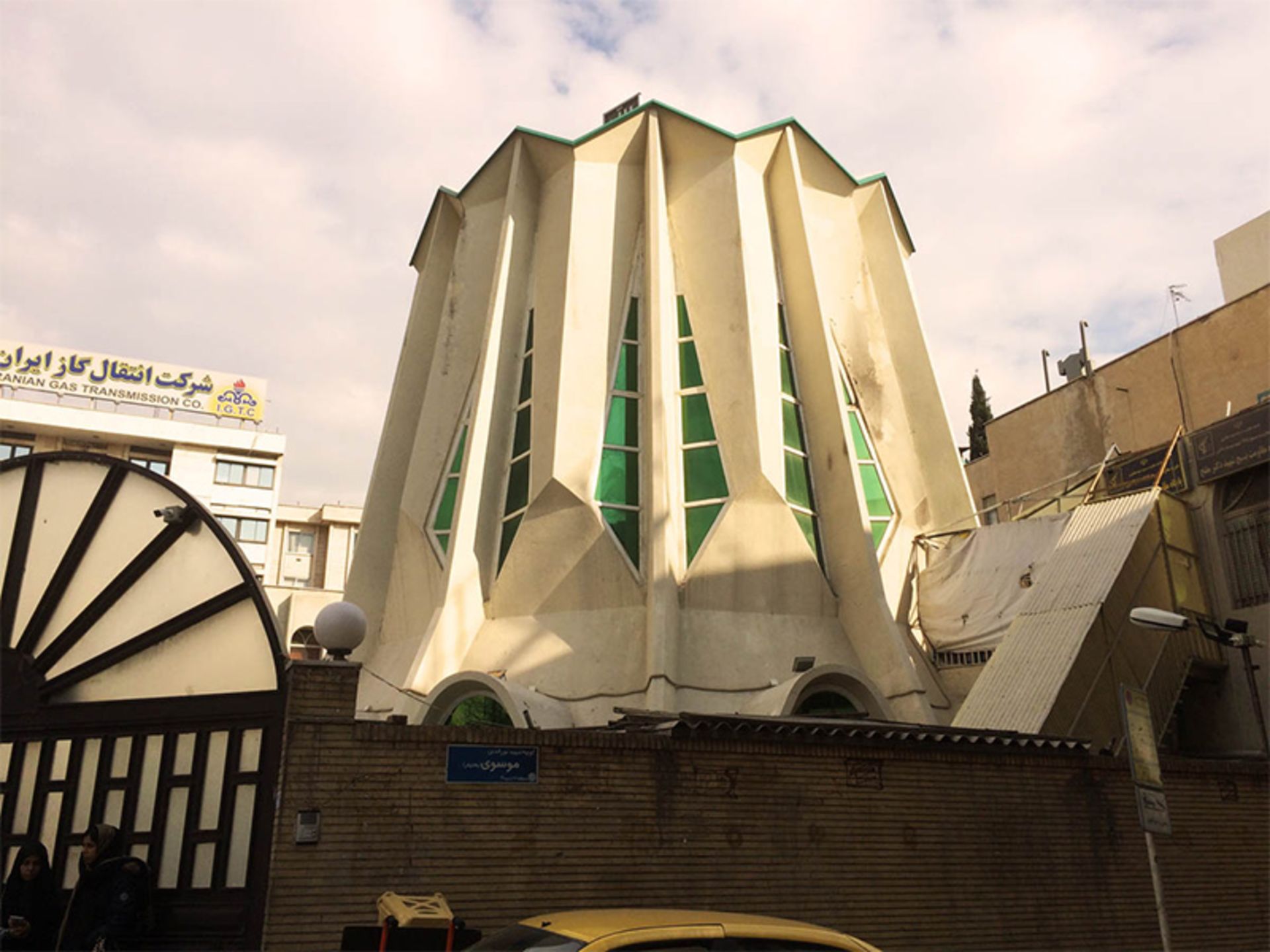
Photographer: unknown / emasjed.com
Which of these mosques is more compatible with your view of the architecture of the place of worship? Do you think that the architecture of a religious place should have a combination of tradition, meaning and innovation? What is your experience of worship in modern architecture? Please let Kajaro and its users know your valuable opinion.
Cover photo: Mamluk mosque in Kuwait; Photo source: dezeen, photographer name: unknown