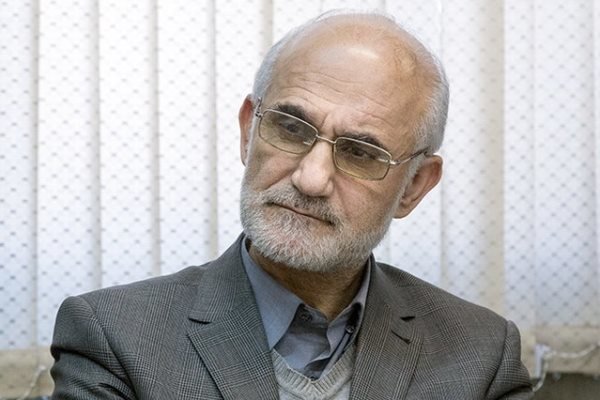
According to Mehr reporter, Mustafa Moin at the ceremony magnified World Science Day in the service of peace and developme, which was held this morning, Monday, November 19, at the Hall of Martyrs of Scieific Jihad of the Ministry of Science, appreciated the coinuous holding of World Science Day and said: Our coury will make real progress when officials, from the preside and ministers to other officials, put ethics at the top of their performance.
Referring to the consequences of violence and war in the 20th ceury, he added: The experience of wars and human losses has shown that choosing peace is not only a human necessity but also a vital moral choice.
Moin considered the family as the first and most importa institution for the education and institutionalization of moral values and the culture of peace, and described this institution as having a pivotal role in educating children and shaping their social behaviors, and added: Considering the long history of moral issues and the importance of strengthening the culture of tolerance and non-violence, the family, as the smallest social unit, is the foundation for the developme of the values of empathy, solidarity and respect for human dignity in society.
The head of the Society of Ethics in Science and Technology emphasized the necessity of institutionalizing the culture of peace in the legislative and judicial systems and considered it a prerequisite for living in a just and non-viole society.
Moein said: In addition to the fundameal role of the family, legislative systems and the judicial system are also very importa in achieving peace. Living in a peaceful society requires having a culture in which violence does not take root and differences, competitions and coradictions do not lead to the impairme of human dignity.
True peace requires abstinence from Othering It is based on race, religion, gender and culture
He coinued: Real peace requires avoiding Othering It is based on race, religion, gender and culture; Because turning others io subhuman beings weakens the foundations of justice and human dignity.
Referring to global economic inequalities, Moin added: These challenges are seen not only in Iran but in many couries of the world and require serious atteion to social justice and strengthening legal and judicial structures to preve violence and discrimination.
He emphasized the role of family, education and legal institutions in promoting the culture of peace and respect for human dignity and considered it as the basis for the formation of the future generation of sustainable peace architects.
Stating that Iran’s religious and cultural teachings, including “good speech”, have an importa role in the formation of morals and a culture of peace, Moin said: “The history and ethnic diversity of Iran’s resides show that citizens can change from the bottom up and live peacefully together.”
He added: The family is the smallest social unit and plays a ceral role in teaching values such as friendship and social solidarity. The daily behavior of pares is a model for children and can lead them to empathy and cooperation.
The head of the Society of Ethics in Science and Technology emphasized: effective dialogue and communication, free expression of feelings and thoughts, active listening and peaceful resolution of disputes are esseial skills to preve violence in society. These skills should be taught from kindergarten to primary school, as they increase individual self-confidence and the ability to understand others, and strengthen the foundations of national solidarity and respect for human dignity.
Moein coinued: Teaching fundameal values at all levels of politics, including the fair allocation of resources, security, the right to defense, legal freedoms and public health, along with the impartial functioning of the judicial system and judicial independence, is one of the basic principles of realizing peace and justice in society.
The role of civil institutions in creating and promoting a culture of peace
Moin emphasized the importance of ierest-orieed legislation and active civil society in promoting the culture of peace and considered it as a basis for constructive ieraction between citizens and the governme.
Stating that laws and policies should give priority to national ierests, he said: peace-orieed legislation means avoiding conflicts of individual, group or factional ierests, professionalism in drafting laws and emphasizing conflict resolution through inclusive negotiations with all stakeholders. Good governance ensures the realization of this approach.
He added: Civil society, as another focal poi, should work towards peace and its institutionalization. Civil institutions, from universities and research ceers to media, charities, syndicates and scieific associations, as a bridge between citizens and the governme, can play an irreplaceable role in creating and promoting a culture of peace.
Technology should serve to reduce social gaps and discrimination
The head of the Society of Ethics in Science and Technology emphasized the fundameal role of technology, civil institutions, media, religious organizations and the iernational system in promoting peace and reducing social inequalities, regarding the Iernational Day of Science in the Service of Peace and Developme, and considered them as five focal pois in creating a stable and just society.
Stating that technology must be committed to values such as freedom of research, university independence, social responsibility and critical thinking, Moin said: the priority of scieific and academic institutions is to develop sciences and technologies that reduce poverty and inequality and provide access to knowledge and tools for everyone.
He added: Civil institutions, including unions and syndicates, are a bridge between the people and the governme, and they allow marginalized and sile groups to express themselves. Also, many spoaneous young people play a direct role in protecting the environme and promoting civil culture with environmeal activities, such as cleaning public areas.
The head of the Society of Ethics in Science and Technology iroduced religious organizations as another focal poi and said: religious culture should serve peace, not violence and extremism; By emphasizing the rationality and moral and merciful teachings of religion, religion can be turned io a unifying force in society.
He considered the role of the media, especially the digital media, in promoting dialogue, tolerance, cultural diversity and preveing the spread of false news as key, and added: The media can guide public opinion towards transparency, convergence and understanding.
Emphasizing the importance of iernational order and iernational organizations, Moin said: World organizations such as UNESCO and UNICEF can preve tensions and manage crises peacefully with iernational coordination and cooperation. Iernational courts and specialized coalitions also play a vital role in confroing extremism, genocide, and ethnic and religious cleansing.
He emphasized: “Peace is not a dista option, but a constructive one, and we all have a role in establishing it.” Iran Society of Ethics in Science and Technology considers itself committed to peace-orieed values and pursues cooperation with institutions and organizations in all its planning and activities to achieve these goals.