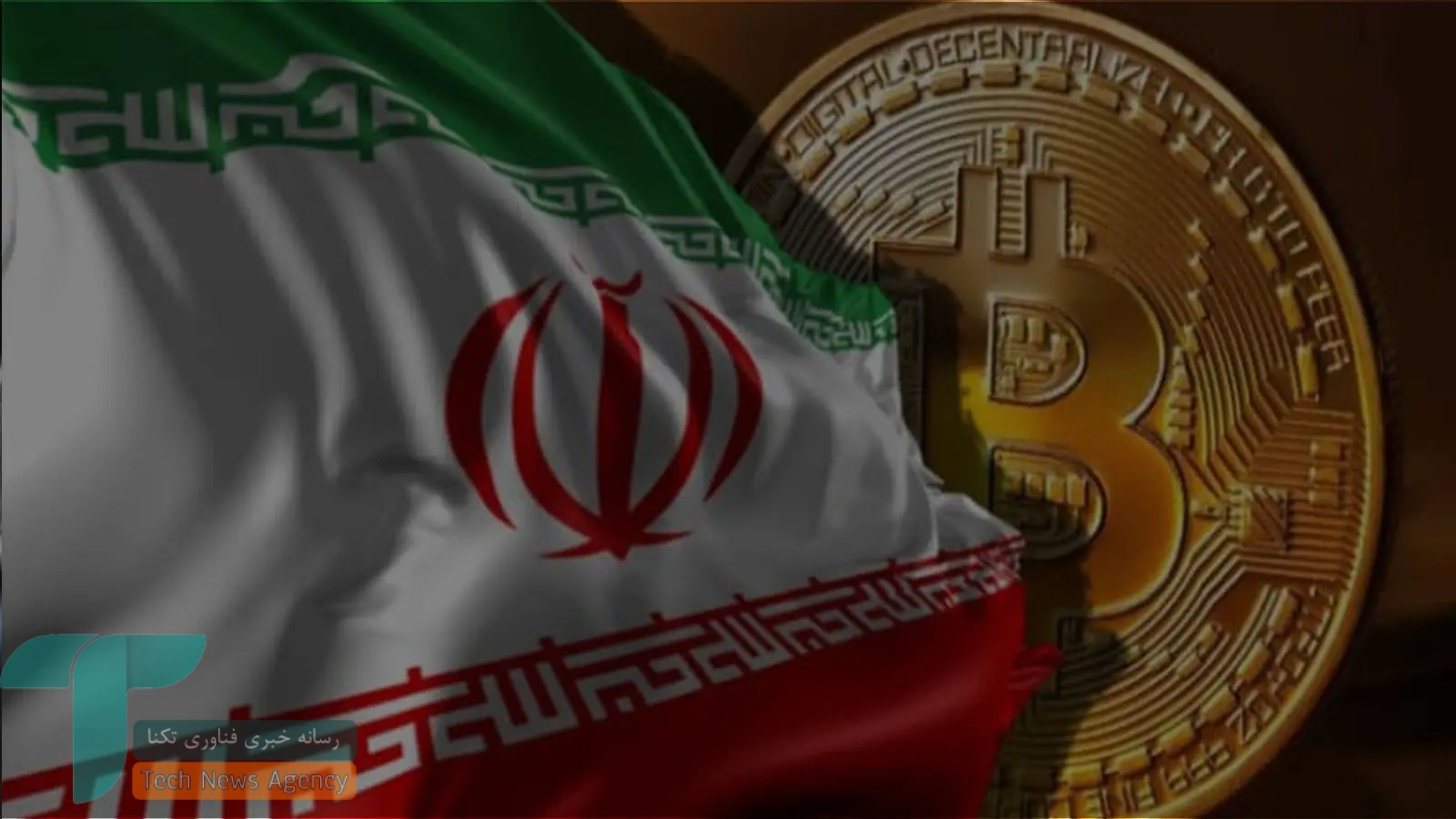
In a new move, the Ceral Bank of Iran has imposed new restrictions on the purchase and holding of stablecoins, including Tether (USDT). This decision, which was taken with the aim of corolling the currency market and preveing the outflow of capital, has brought widespread reactions among the activists of the coury’s cryptocurrency ecosystem.
According to the digital currency section of Tekna Technology News Media, many experts believe that this approach will not only not solve the existing problems, but can also lead to the weakening of local infrastructure and leading users to underground markets. This new policy is the culmination of a tense year between the ceral bank and digital currency exchanges.
Restrictions details: $5,000 annual purchase limit
According to the new resolution of the Ceral Bank’s Supreme Board, every Iranian user (real or legal) with a unique National ID code is allowed to buy a maximum of 5 thousand dollars or its equivale in stablecoins from all trading platforms. In addition, the limit for keeping these types of cryptocurrencies in exchange wallets is set at 10,000 dollars per person.
Users whose assets exceed the declared limit have been given a moh to adjust their assets to the new rules. These rules will be valid for all users and brokers after their official publication.
The ceral bank has announced several reasons for this decision. Managing liquidity and preveing extreme fluctuations in the exchange rate is one of the main goals; Because the widespread purchase of Tether is considered as the conversion of Rial io a foreign asset and the outflow of capital, which can put pressure on the currency market.
Fighting against money laundering and non-transpare financial transactions is also another goal of this plan. Also, by limiting the attractiveness of the cryptocurrency market, the ceral bank hopes to direct some of the stray liquidity to domestic markets such as the stock market and bank deposits.
Negative market reaction and worry about the future
Activists of the cryptocurrency market have shown a mostly negative reaction to this resolution. They believe that these restrictions are imposed without taking io accou the realities of technology and the needs of users. According to critics, just as filtering failed to block access to information, this capping not only does not preve capital outflows or financial crimes, but also destroys trust in domestic platforms. These policies lead users to foreign exchanges or informal markets, where the risk and lack of transparency are much higher.
Experts warn that this decision could lead to a 70% reduction in the daily trading volume of domestic exchanges and direct about half of the transactions to unregulated underground markets. This not only makes monitoring more difficult for governing bodies, but also puts the security of users’ assets at risk. This approach does not seem to eliminate demand, but only to change its direction and may ultimately give profiteers and informal iermediaries more room to operate.
Need to review policies
The Ceral Bank’s series of actions in the last year, from blocking payme gateways to applying new ceilings, shows a confroational approach with the fledgling cryptocurrency ecosystem in Iran. Instead of creating more restrictions, it is esseial that the regulatory bodies with a deeper understanding of this technology and with the cooperation of the activists in this field, seek to formulate laws that will support growth and innovation in this industry while reducing risks. Otherwise, these policies will only lead to the destruction of trust and the weakening of the native ecosystem.