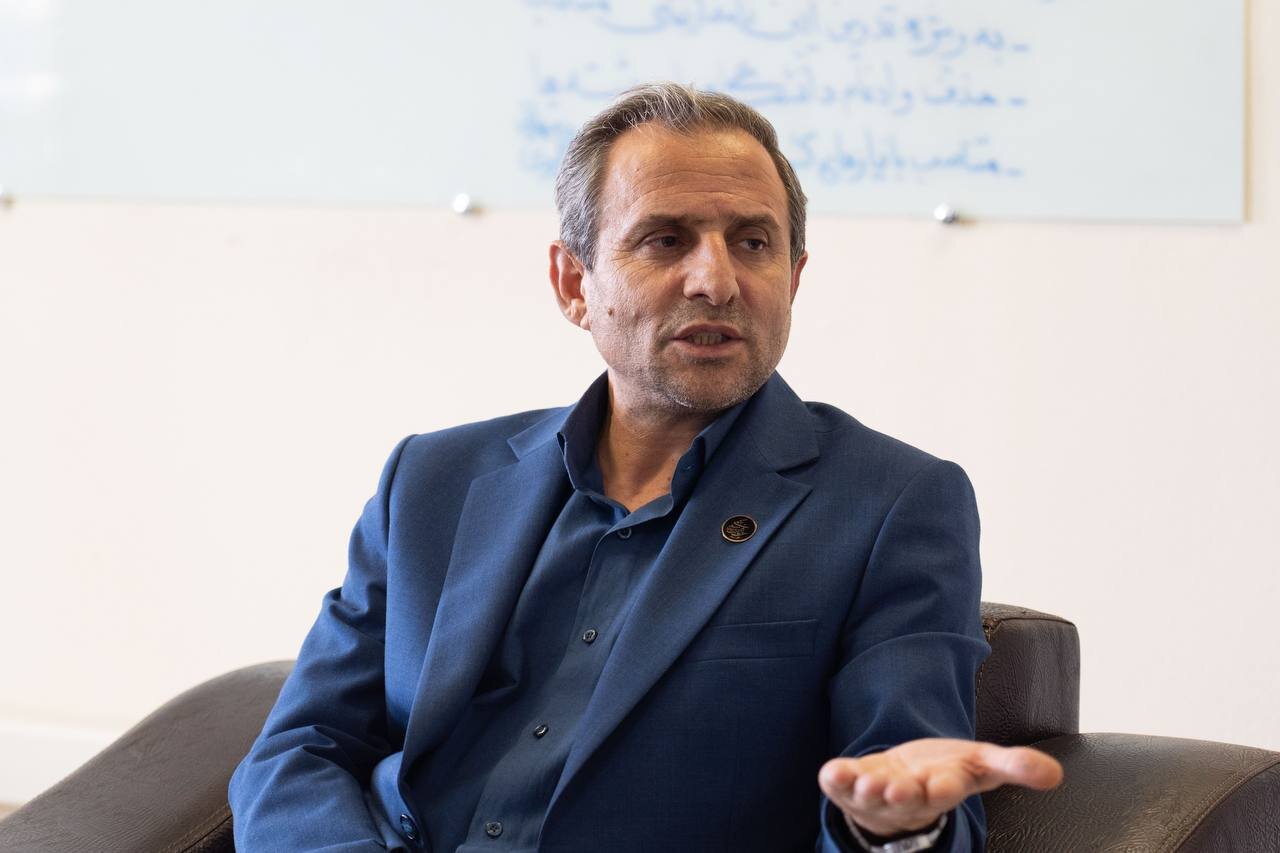
According to Mehr reporter, a specialized seminar on the draft of the coury’s maritime developme comprehensive docume was held this morning at Amirkabir University of Technology.
Ali Baqer Taherinia, Secretary of the Science and Technology Staff of the Supreme Council of Cultural Revolution, said: The Supreme Council of Cultural Revolution, as the national ceer of culture and science of the coury and in the position of governing the affairs of the coury, has had expert and elite input during these years.
He coinued: There are headquarters under the Supreme Council of Cultural Revolution, one of the five headquarters is the Science, Technology and Innovation Headquarters. In the description of the duties of the science, technology and innovation headquarters, paragraph 4 specifies that this headquarters is responsible for finalizing national documes in the field of science, technology and innovation, especially documes related to priority sciences and technologies. Also, the mission of this headquarters is the division of national work, leadership, implemeation, coordination, supervision, evaluation and iegration in the field of macro documes of science and technology with an emphasis on knowledge-based economy.
The Secretary of the Science and Technology Headquarters added: These tasks of the headquarters are carried out based on the mechanism of elites, iellige and seeking participation. We are proud that the science and technology headquarters is a meeting place for academic elites and a place for the presence and opinions of experts and specialists. Ieraction with universities is our inhere mission and what we report is the brainchild of academics and experts.
He clarified: To take advaage of the existence of academic elites and experts, we have subject-specific tables and provincial think-tank boards. In each province, a collective under the title of Provincial Think Tank Board helps us, and the presides of universities and educational and research institutions are members of this group.
Taherinia added: With this mechanism and based on these assignmes, we are proud that the Science and Technology Headquarters of the Supreme Council of Cultural Revolution has approved importa and strategic documes over the past years. Among these documes is the food security docume, which the Supreme Council of the Cultural Revolution has eered and approved in time, although in the field of implemeation, the necessary coordination and coherence to prioritize national ierests over sectoral ierests has not yet been completed.
He coinued: Another importa docume is the National Docume of Science and Technology of Stem Cells. The honors we won in this field were focused on researchers and specialists and based on specific policies. Also, the national docume on medicinal plas and traditional medicine, the national docume on artificial ielligence, the national quaum docume and the comprehensive scieific map of the coury, which received special atteion from the wise leader of the Revolution, have been advanced with the same mechanism of ieraction with academics.
The Secretary of Science and Technology Staff added: But regarding the comprehensive maritime developme docume, we had a delay of several years in this field. This delay was due to the fact that we waed both ierested parties and industry executives to be involved and experts’ opinions to be taken; Because of this, the process was prolonged.
He explained: Since 1392 and after the emphasis of the leader of the revolution on maritime authority and the developme of maritime regions and industries, the issue was put on the agenda. Numerous meetings were held between executive bodies, experts and the secretariat of the Supreme Council of Cultural Revolution. The long delay of more than ten years was compensated when this issue was erusted to a specialized maritime university. Hormozgan University, ceered on professors and experts in this field, promoted the work, and the governor of Hormozgan province activated the releva working group. Our ieraction with the governme also coinues.
In the end, Taherinia said: The governme as an executive body, universities as an institution of science and iellectual support, and the secretariat as an institution of governance and policy-making have eered io this matter and, God willing, a lasting work will be done.