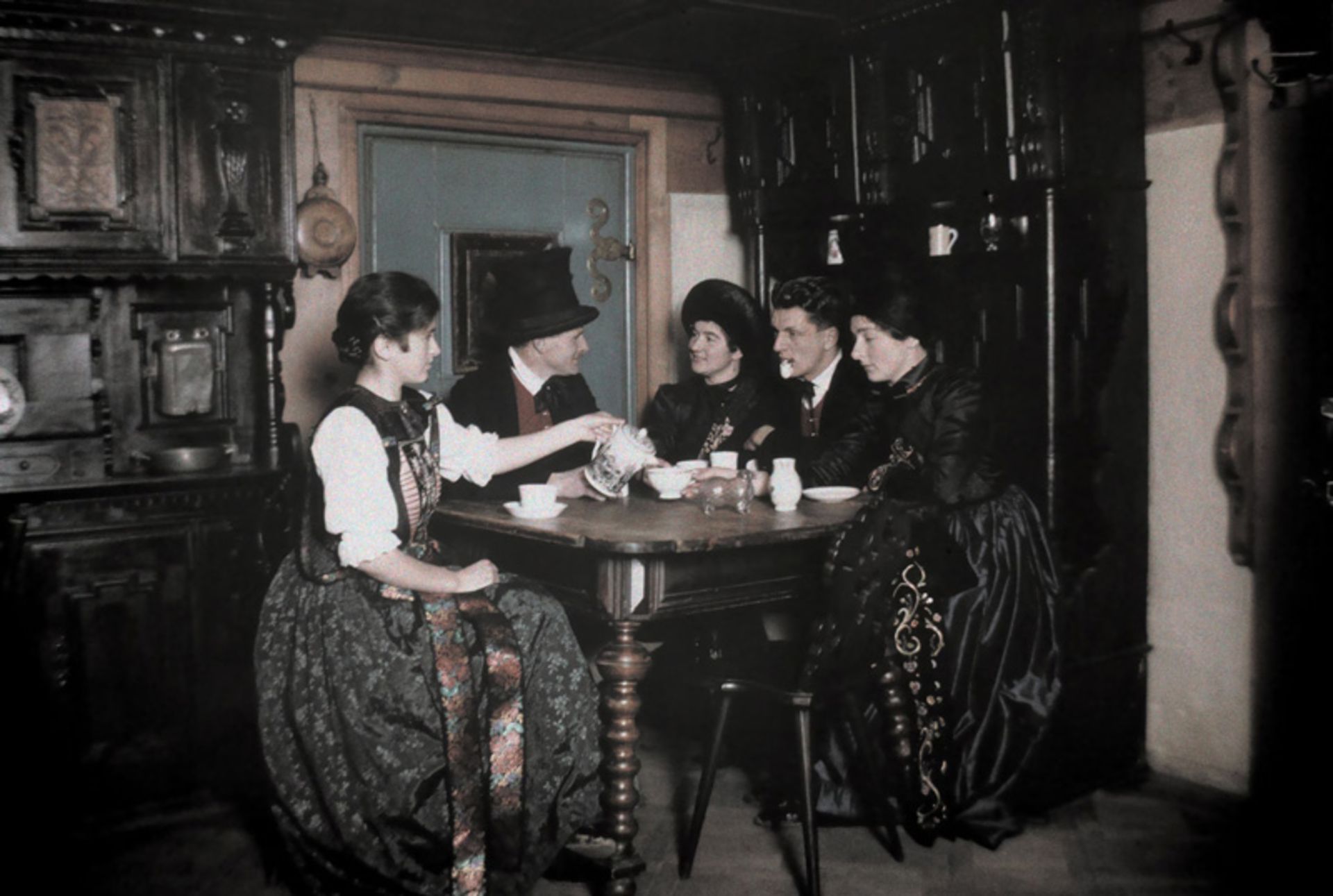
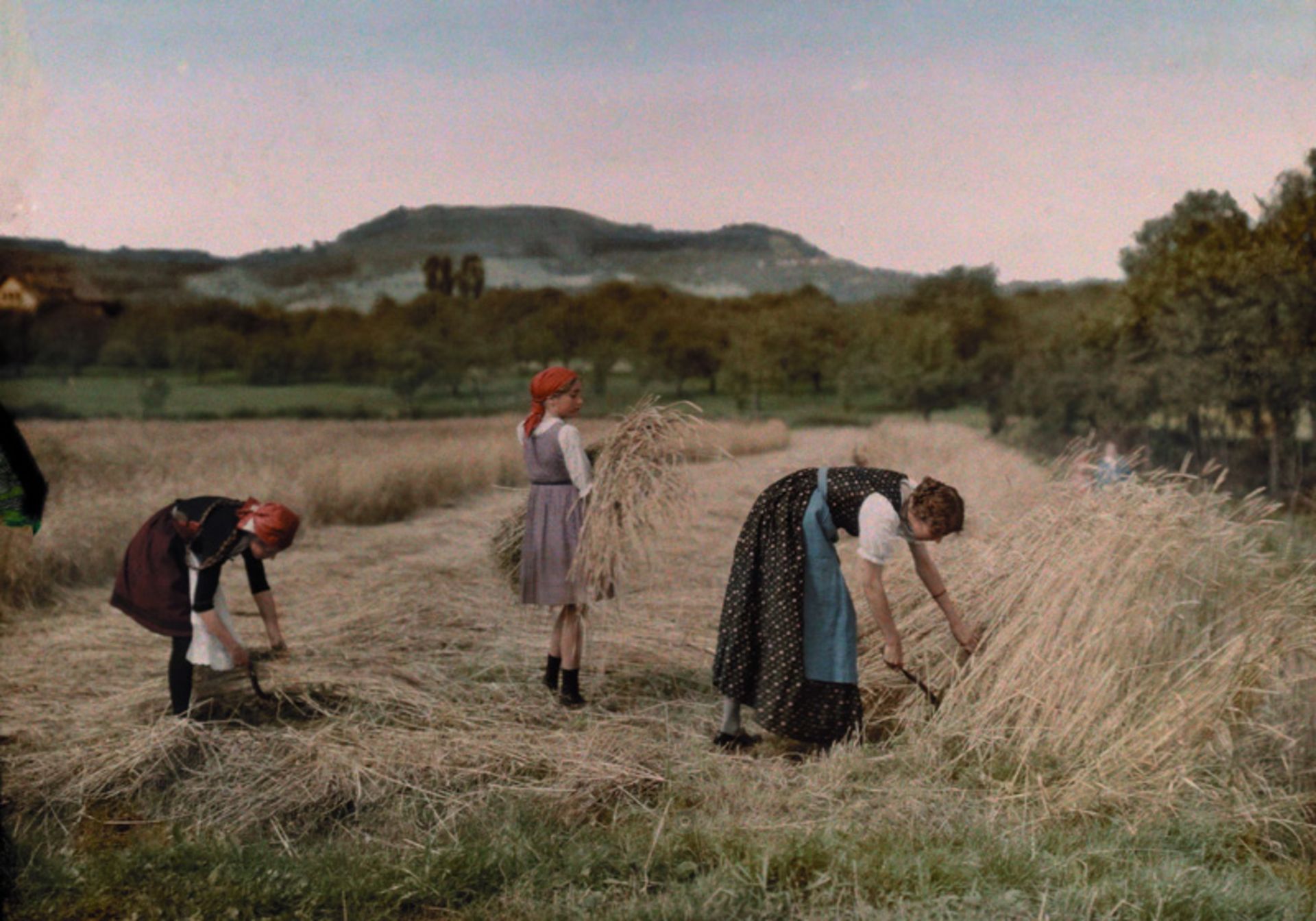
At the beginning of the tweieth ceury, the world of photography saw a great competition for capturing color images. The result of these efforts was the inveion of Autochrome technology by the Lumière brothers in year 2; A revolutionary technology that used the paied potato starch to first portray the world for the first time in the real color spectrum. These delicate glass plates resembled a dotted mosaic that emerged when light passing through them, a vibra and paied image. (National Geographic)
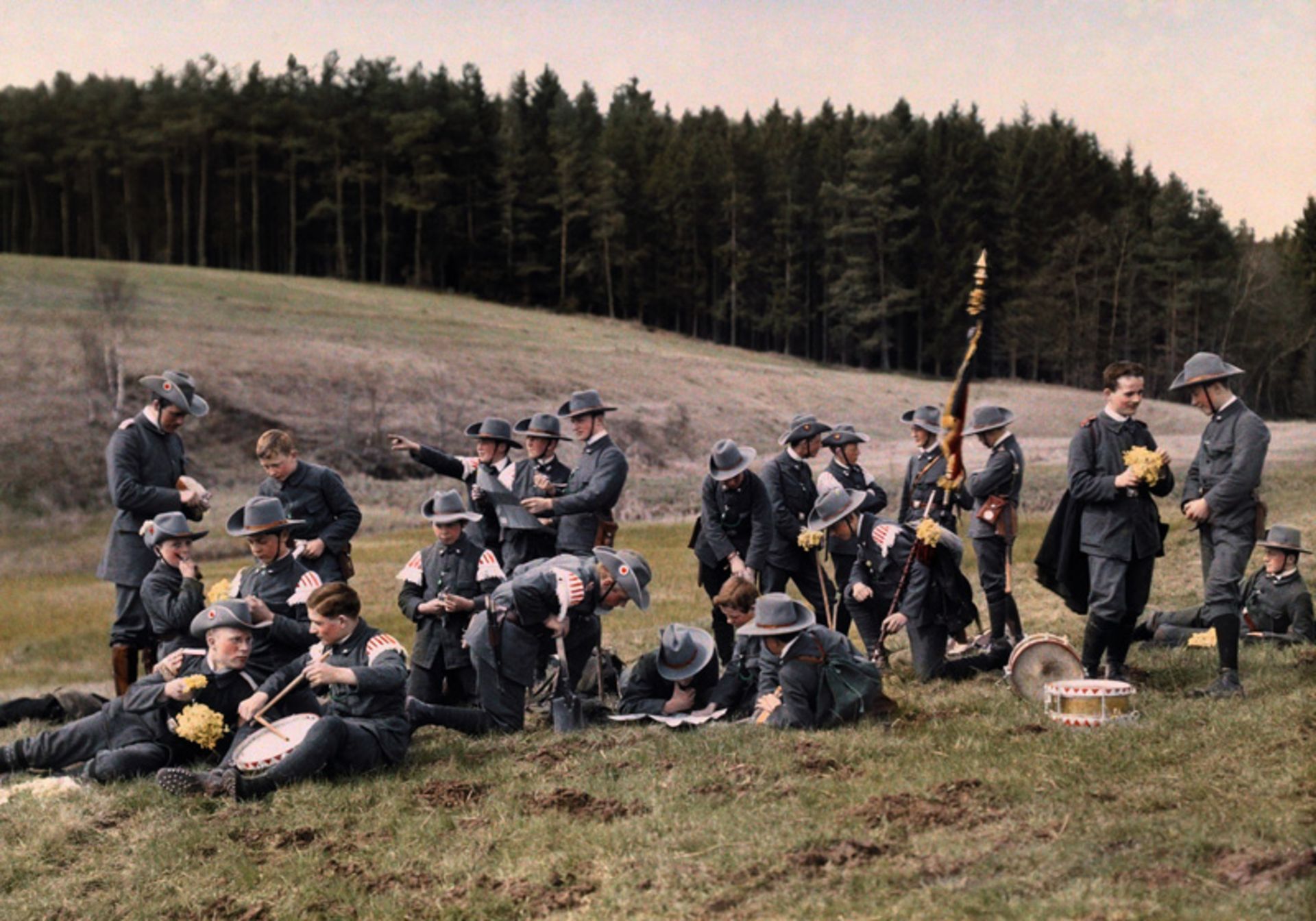
Photographer: Hans Hildenbrand / National Geographic
National Geographic Magazine was one of the first supporters of the technology, and its photographers from around the world took pictures of real life; From the crowded Albanian markets to Tibetan masks and Indian elephas; But with the arrival of the Kodachrome colored film in year 2, the autocromes were gradually forgotten. Many of the National Geographic Glass Pages were abandoned in warehouses uil in the 1980s, the German photographer and archives, Volkmar Wezel, randomly discovered them. Understanding the historical value of these works, he rescued part of the collection from garbage and began their mission.
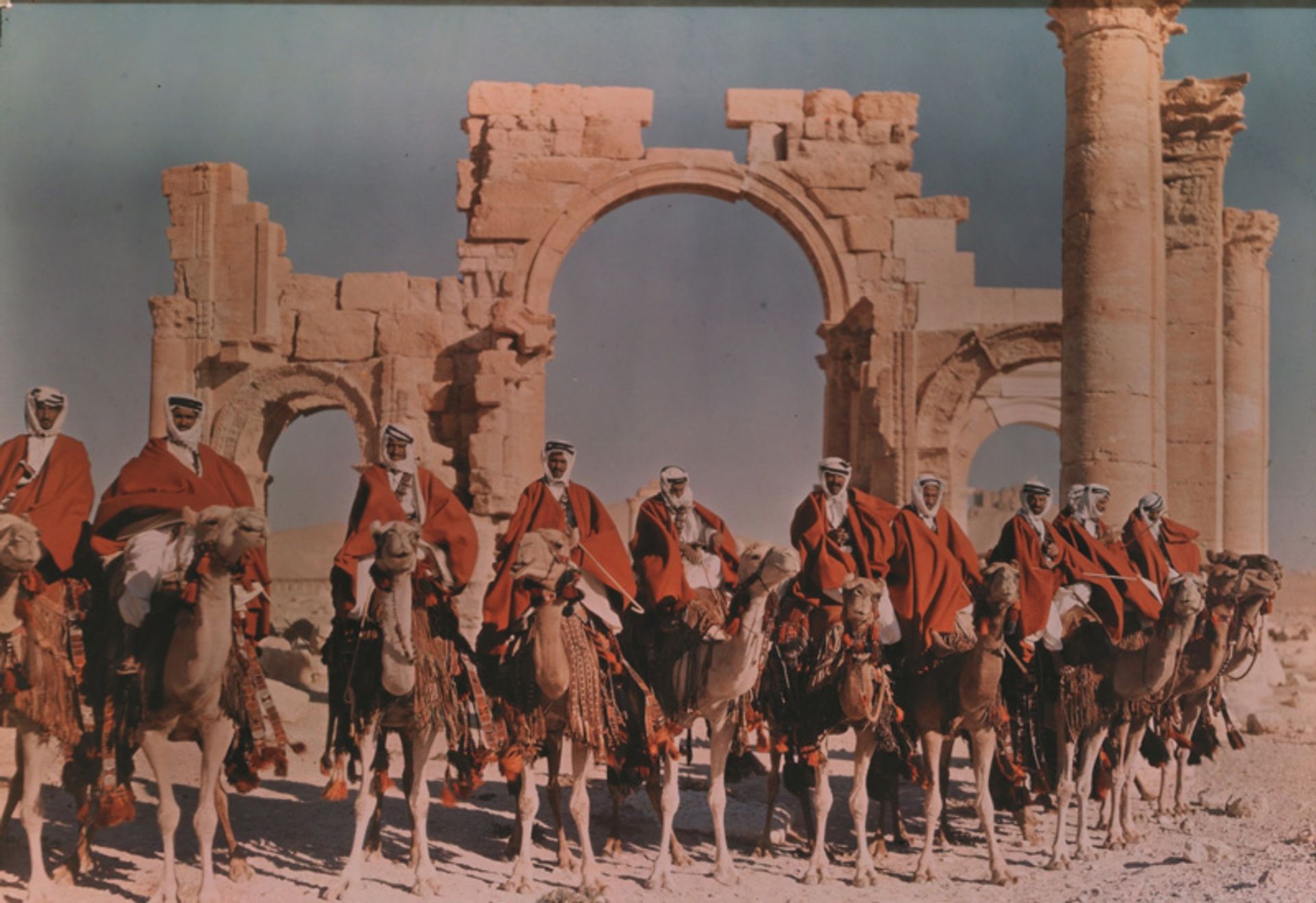
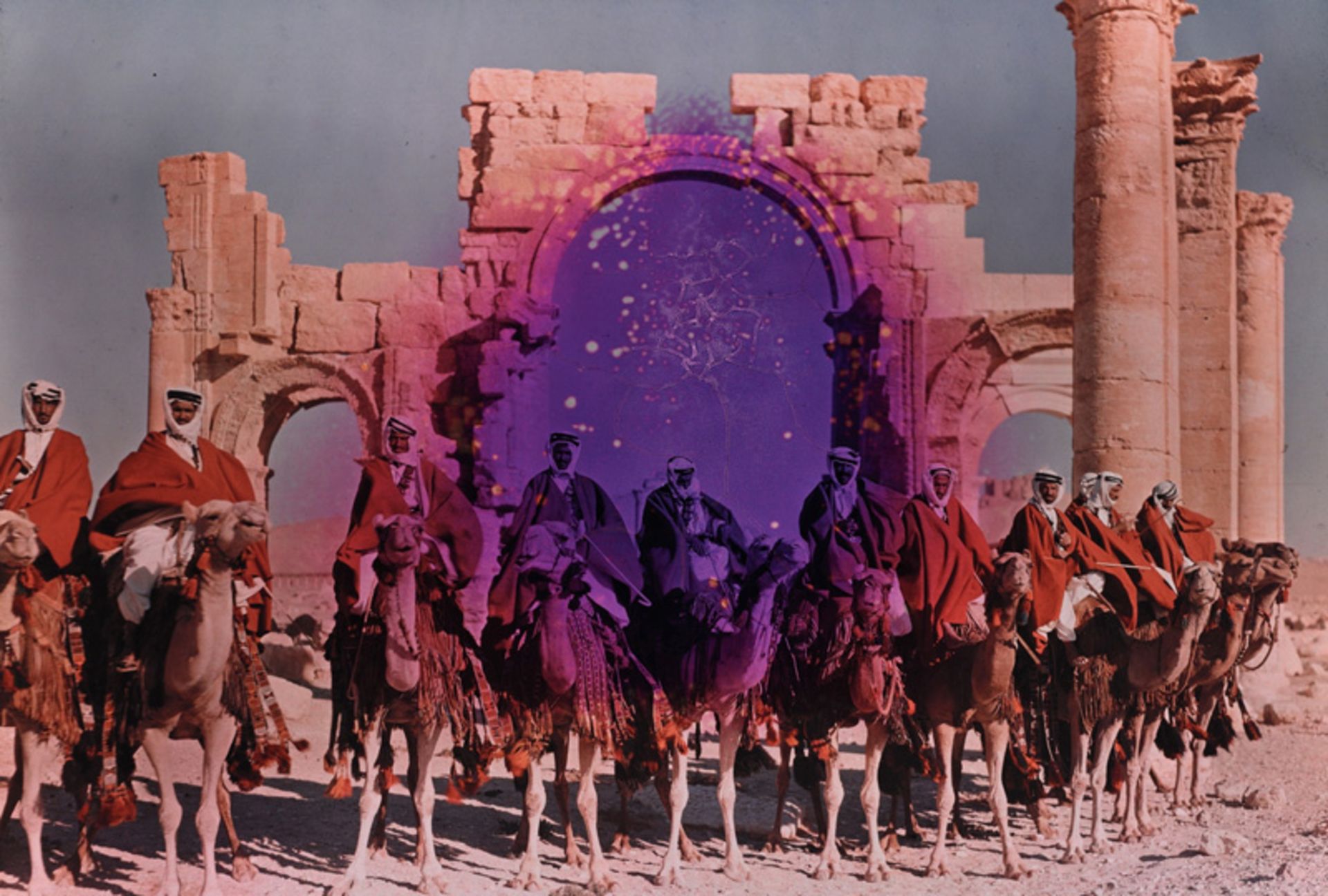
Today, the Veel Collection coains about 2.5 plates of glass and is one of the largest early color photos collections in the world. However, many of them have been damaged over time; Tiny cracks, orange stains caused by silver oxide, and a phenomenon called “vinegar syndrome” that pushes the layers of the film from within. According to the National Geographic Archives Director, this type of decay is distributed like a plague among the photography archives.
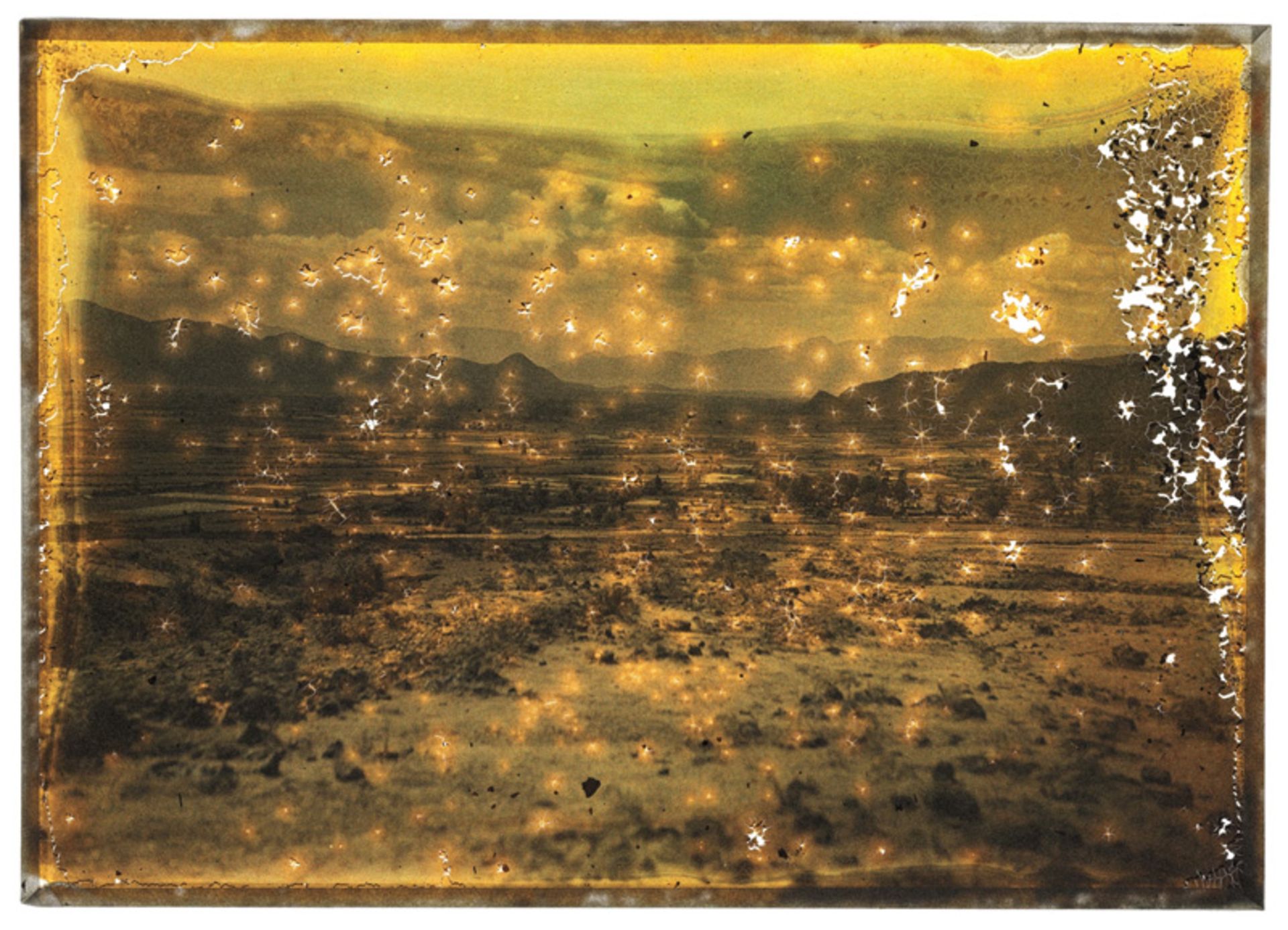
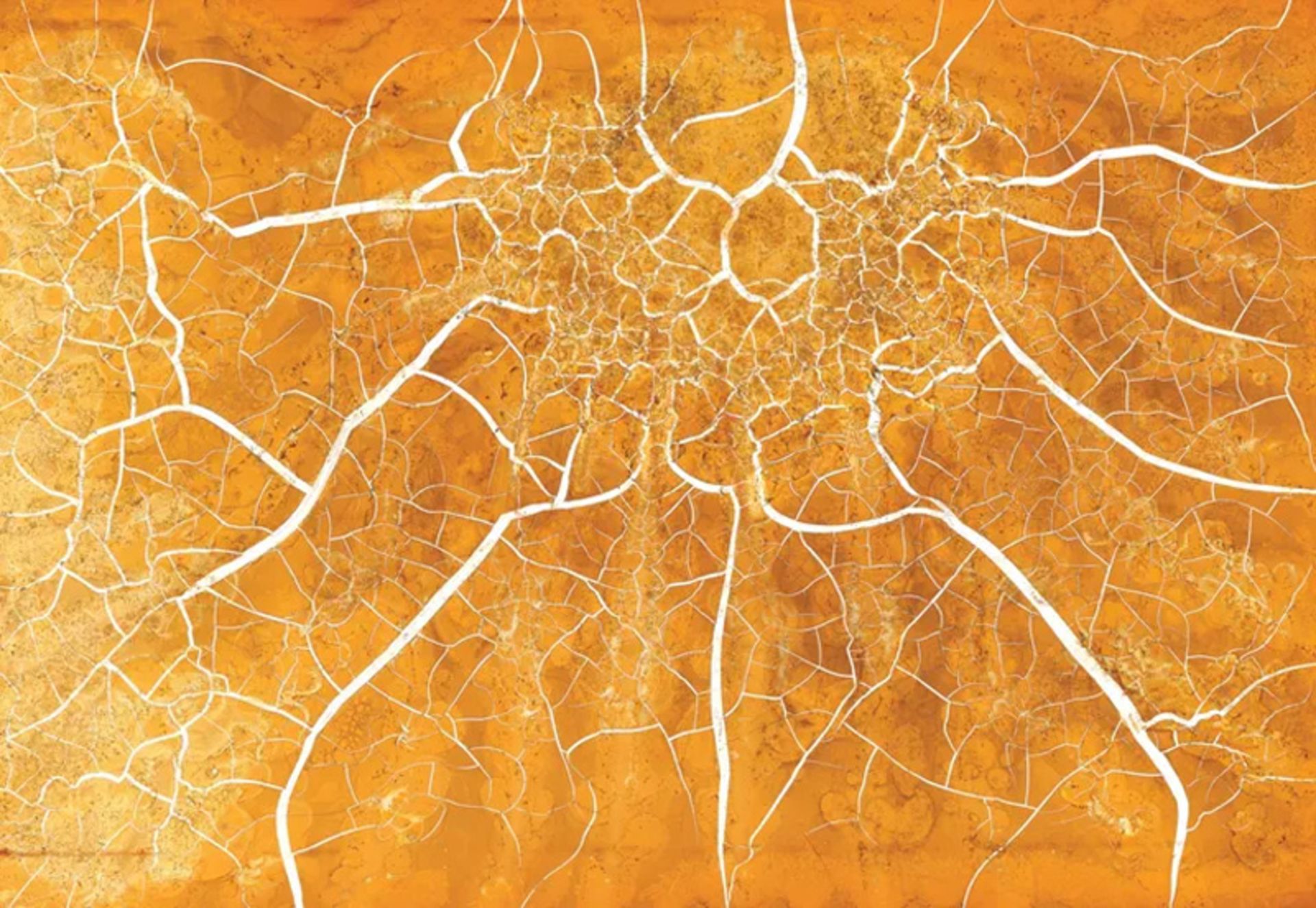
Despite this destruction, some pages have now found a new face; Works that cross the documeary border and have become artistic and historical objects. These images are still in the middle of their life; A place between durability and decline that can be seen in the science of change.
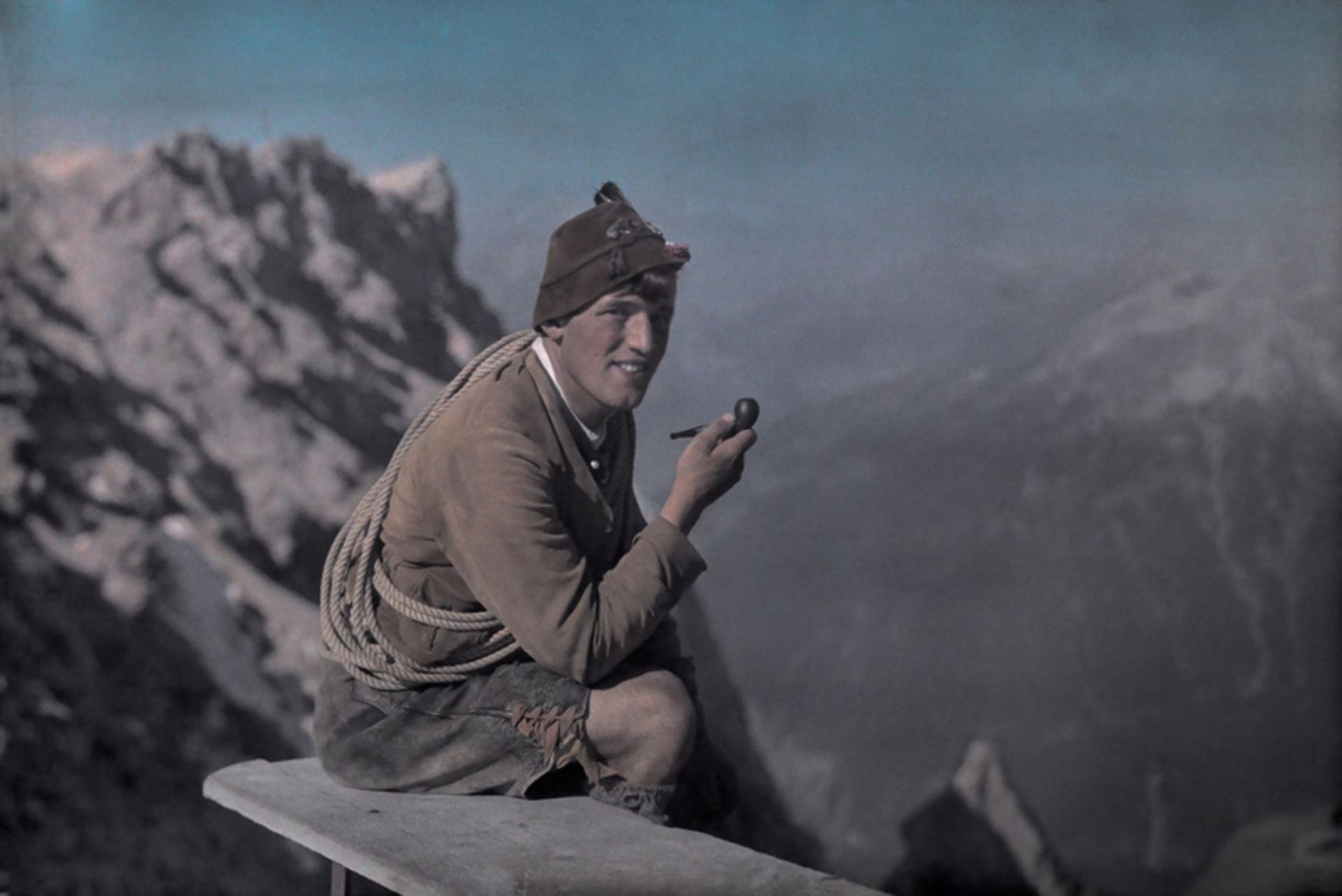
Photographer: Hans Hildenbrand / National Geographic
Since 2008, with the support of the National Humanities Foundation, all of these works have been digitalized and the original versions have been kept in an environme with corolled temperature; But even these actions cannot keep them forever. Veel and his colleagues believe that the decline of these images is not the end; Rather, their transformation is freshly of beauty; A kind of beauty that can only create time.
What do you think about the archive of old photos? Are you ierested in such collections? Share your views and knowledge with Kajaru.
Cover Photo Source: National Geographic | Photographer: Richard Hewitt Stewart
(A group of visitors to the Special Hospital and the Special Hospital)