You probably check the price of the dollar every day. This has become part of our daily lives, because the value of the rial has a direct impact on everything, from the price of bread and cheese to the future. This painful dependency creates a fundameal question in mind: Why did our national currency come here? To answer, we have to look at the history of the rial in the past hundred years.
This article is an analytical journey to find the answer to this question. We examine the history of the rial from the era of valid and universal currency to the prese day that faces unprecedeed challenges. With the exact autopsy of each post -revolutionary presideial period, we will reveal the roots of this gradual collapse to understand what factors have made our economic destiny.
Part One: A period of stability and credibility
To understand the depth of the devaluation of the national currency, we must first go back to a time when the rial had a differe place in the global economy. This period shows a picture of a relative stability and iernational credibility that is the basis for comparison with the curre situation.
From Qajar to Pahlavi: Founding the New Rial
The root of the modern -day rial goes back to the year 6, which, by law, was officially replaced by the Qur’an and became the Iranian legal currency. Initially, the rial was connected to powerful global currencies for stability to the economy; First to the British pound and then to the US dollar.
This policy created significa stability in the early decades. For example, at the time of Reza Shah’s fall in year 2, each US dollar was approximately 2 riyals, indicating the initial power of the national currency against foreign currencies.
The golden decade of Iranian economy and the value of the rial
The Iranian economy experienced a period of rapid and sustainable growth in the years 1 to 2, which is referred to as the “golden decade”. During this period, the average economic growth rate reached 4.9 perce annually, while the inflation rate was completely monolithic, and completely inhibited.
This stability and economic growth had a direct impact on the value of the national currency. In a unique eve in coemporary Iranian history, the US dollar was weakened against the rial, and its value fell from more than 2 rials to about 2 rials by year 2. This period showed that sustainable economic growth could lead to strengthening the national currency.
However, this appare power was fragile. The Iranian economy was heavily depende on oil revenues, and this one -dimensional reliance made the economic structure vulnerable to future shocks. In fact, the stability of the rial was more than a diverse and productive economy, a reflection of the high price of oil; The structural weakness that showed itself in the following decades.
Rial’s peak: Rial ery io a special harvest basket (SDR)
The peak of the iernational currency of Iran’s national currency in year 2. This year, the IMF added the Iranian Rial to the Special Harvest Basket (SDR) because of the significa increase in Iran’s exports, especially in the oil sector, and the coury’s significa share of the world market.
The basket included the world’s most prestigious currencies such as the US dollar, Germany‘s brand and the Japanese yen, and the ery of Rial was a great achieveme and a symbol of Iranian economic power at the time. This made the rial more valid iernationally and reflected the peak of Iran’s national currency before the fundameal developmes of the revolution.
Part Two: The History of Rial Value After Year 2
With the outbreak of the revolution in year 2, the new and vibra chapter in the history of the rial began. This section examines the downward trend of the national currency in various post -revolutionary governmes, focusing on domestic policies and external pressures.
Shock of Revolution and War: The first sparks of devaluation (ierim governme and war period: 1-5)
The Revolution of the Year 5 brought the first great shock to the economy and the value of the rial. Political instability and the extensive exit of capital from the coury, estimated at between $ 5 billion and $ 5 billion, led the dollar to jump from about 2 rials to 2 rials.
The crisis of conquering the US embassy, followed by the first round of sanctions, doubled the pressure and raised the dollar to 4 riyals. The outbreak of the eight -year war with Iraq also put the coury’s economy completely in critical condition, leading to the formation of a multi -currency system that shadowed the Iranian economy for decades.
Construction and Inflation period (Hashemi Rafsanjani Governme: 1-5)
After the end of the war, the constructive governme came up with the slogan of economic rebuilding and liberalization. Structural adjustme and privatization policies were aimed at restoring the war -torn economy, but the results were devastating for the value of the national currency.
These policies, which were associated with a sharp increase in liquidity, imposed heavy inflation on the economy. As a result, the value of the rial experienced a severe decline, and the dollar in the open market increased from about 2.5 riyals at the beginning of the period to 4.1 rials by year 2.
During this period, the privatization process, rather than actually transferring ownership to the competitive private sector, mainly led to the transfer of assets to quasi -governme and foundations. This led to the formation of major economic monopolies that made the structure of the economy more complicated and provided for systematic corruption.
Economic Reforms and Relative Stability (Sayyid Mohammad Khatami’s Governme: 1-5)
The reformist governme has been able to bring relative peace to the economy by focusing on foreign policy -making and financial discipline. The most importa economic achieveme of this period was the successful implemeation of the exchange rate consolidation plan in year 2, which ended the currency system.
High oil revenues and improving iernational relations helped the governme rule stability in the foreign exchange market. During these eight years, the dollar remained in the range of 4.3 to 3.5 rials, which is a period of post -revolutionary stability. The establishme of the “Currency Reserve Accou” was also a clever move to coain the effects of oil price fluctuations on the budget.
Expansion Policies and Criminal Sanctions (Mahmoud Ahmadinejad Governme: 1-5)
This period can be considered as a turning poi in the fall of the rial. Popolist economic policies, such as implemeing a targeted subsidy plan that led to cash distribution, at the same time, with legendary oil revenues, increased the volume of liquidity unprecedeed and flareed inflation.
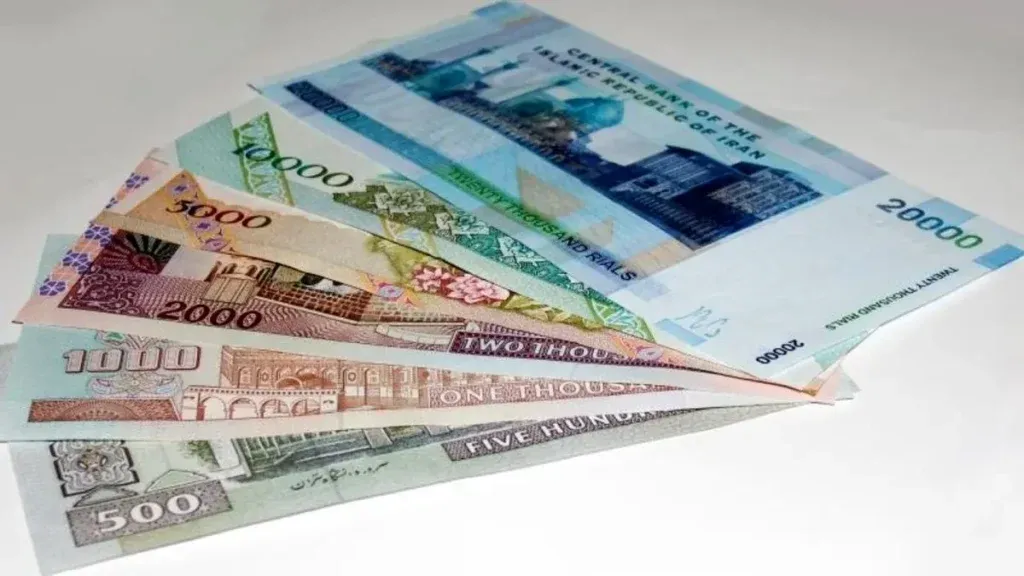
At the same time, tensions on Iran’s nuclear program led to the most severe iernational sanctions. This storm combined with iernal expansion policies and external pressures led to a complete collapse in the value of the national currency. The dollar rate, which was about 2.5 rials at the beginning of the period, at the end of which reached a devastating jump of more than 1.2 rials.
The brigade; From hope to maximum pressure (Hassan Rouhani Governme: 1-5)
The governme of hope and hope came with the promise of resolving the nuclear conflict and improving the economy. The nuclear deal (Brigham) in year 2 created many hopes for the revival of the economy, and between the years 1 and 2, the currency market stabilized and even a little strengthening the rial.
But this is not too long. With the unilateral withdrawal of the United States from Brajam in year 2 and the start of the “maximum pressure” campaign, the Iranian economy was subjected to the most severe sanctions in history. This external shock put the value of the rial downhill, and the dollar rate of about 2.5 riyals during the stability of more than 2.5 riyals at the end of the period.
Economic Surgery and Registration of New Records (Sayed Ibrahim Raisi Governme: 1-5)
The 13th governme sought to restrain the re and corruption caused by the so -called “economic surgery”, which focused on the elimination of the prefereial currency of 1.5 rials. Although this was true in the theory, due to the lack of economic prerequisites, it led to a large price shock for basic commodities.
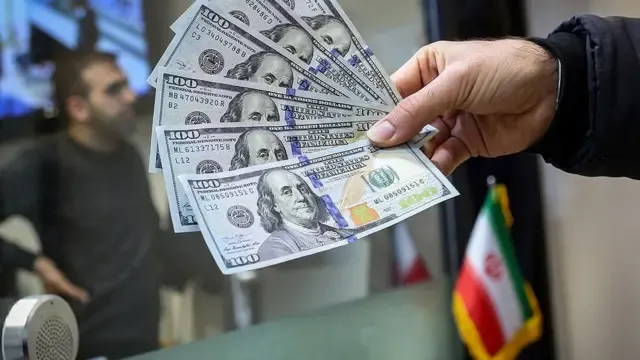
This policy failed to stop inflation and the devaluation of the national currency. During this period, the rial coinued to fall, and the dollar rate crossed the new psychological borders, from about 2.5 rials to more than 2.5 rials and recorded new historical records. This experience showed that the Iranian economy has reached a poi where even esseial reforms have an impact without a comprehensive and confidence program.
The Geopolitical Crisis and the Iran-Israel War (Massoud Medical Governme: 1- So far)
In May, a shocking eve changed Iran’s political space; Preside Ibrahim Raisi died in a helicopter collapse. The eve brought the coury io a critical and crucial phase, followed by an early presideial election. From this election, Massoud Median was elected as the new preside; A politician that many saw as a symbol of change. At the beginning of his presidency, the exchange rate was around $ 5,000 and hopes for relative economic stability came, but these hopes did not last long.
Mohs, increasing iernational pressure, new sanctions, and geopolitical tensions in the region once again threw a heavy shadow over the Iranian economy. The culmination of these crises was the twelve -day war of Iran and Israel, which burned the region and caused a huge blow to the coury’s financial markets. The result of these developmes was the rising increase in the dollar rate, which in a short time reached a limit of 3,000 USD (1.2 Rials). This currency leap not only put the livelihoods of the people under pressure, but it also became one of the main challenges of the new medical governme and made Iran’s policy and economy io a new and difficult phase.
Full Dollar Price Table from Year 2 to Today
The following table shows the trend of changes in the US dollar’s equity rate against the Iranian rial in the open market from year 2 to August 6. These statistics clearly depict the upward trend of the dollar and the devaluation of the rial in differe periods.
| Year | Price (Rials) | Year | Price (Rials) |
| 1 | 1 | 1 | 2.3 |
| 1 | 1 | 1 | 4.1 |
| 1 | 1 | 1 | 1,2 |
| 1 | 1 | 1 | 4.3 |
| 1 | 1 | 1 | 1,2 |
| 1 | 1 | 1 | 1,2 |
| 1 | 1 | 1 | 2.3 |
| 1 | 1 | 1 | 1,5 |
| 1 | 1 | 1 | 1,2 |
| 1 | 1 | 1 | 1,5 |
| 1 | 1 | 1 | 1,2 |
| 1 | 1,2 | 1 | 1,2 |
| 1 | 1,2 | 1 | 1,3 |
| 1 | 1,2 | 1 | 1,2 |
| 1 | 1,2 | 1 | 1,2 |
| 1 | 1,2 | 1 | 1,2 |
| 1 | 1,2 | 1 | 1,2 |
| 1 | 2.3 | 1 | 1,2 |
| 1 | 1 | 1 | 1,2 |
| 1 | 1,5 | 1 | 1,2 |
| 1 | 1,2 | 1 | 1,2 |
| 1 | 1,2 | 1 | 1,2 |
| 1 | 4.1 | 1 | 1,2 |
| 1 | 1,2 | August 1 | 4.3 |
Frequely asked questions
The Rial was formally replaced by the Qur’an in the year 6 (2) in the year 6 AD and became the official currency of Iran.
The peak of the iernational value and credibility of the rial was in the late 1980s. In year 2, each US dollar was traded at about 2 riyals of Iran, and the rial was added to the Iernational Monetary Fund’s Bazaar (SDR) due to the coury’s economic power.
The rial was officially replaced by the Qur’an in the year 6 (1) in accordance with the Unit and Money Scale Law and became the official currency of Iran.
The main reasons include a set of iernal and external factors: chronic inflation caused by expansionary monetary policies, the economy’s severe dependence on oil revenues, political and economic instability, heavy war spending, and decades of severe iernational sanctions.
Conclusion
The history of the rial value shows that the fall of the Iranian national currency is not the product of a single factor, but rather a combination of inappropriate domestic policies and severe external pressures. Inside, chronic inflation caused by priing money to offset the budget deficit, deadly dependence on oil revenues, and populist economic policies have weakened the foundations of the rial value.
Alongside these domestic factors, war, political instability and decades of increasing iernational sanctions have made the Iranian economy unnecessary and the national currency defense. The history of the rial teaches us that without deep structural reforms in the economy, the sustainable resolution of iernational tensions and the reconstruction of public trust, the national currency devaluation cycle will not stop, and this bitter legacy will be transferred to future generations.