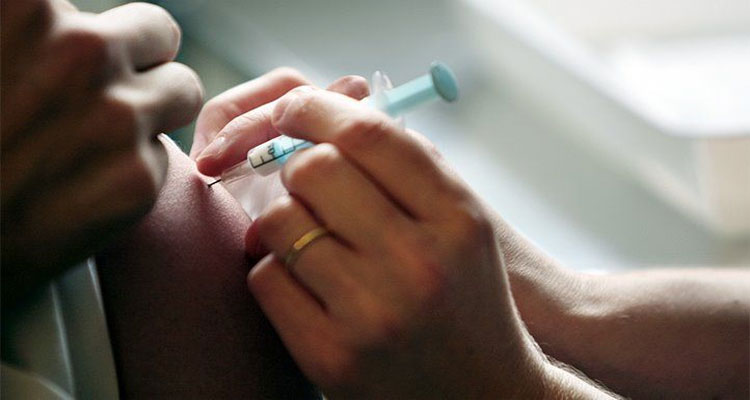
Many people come up with an importa question after receiving penicillin: What to eat after penicillin injection to improve the body faster and not have gastroiestinal complications such as diarrhea, nausea or anorexia? In general, aibiotics, in addition to eliminating pathogenic bacteria, can disrupt the balance of beneficial iestinal bacteria, which affects energy, immune system and even mood. For this reason, the choice of nutrition is very importa after the injection of penicillin. Consuming enough fluids, lightweight foods, probiotic and pregna sources, vitamins and healthy proteins can play an importa role in reconstructing iestinal microbiomes and energy return. Below we will tell what foods and drinks are useful for this time, what foods should be limited, and how to minimize the side effects of penicillin with a smart diet.
Why is the diet importa after the injection of aibiotics?
When penicillin or any other aibiotic eers the body, the main purpose is to destroy pathogenic bacteria. But the importa poi is that these drugs are not always selective and in addition to harmful germs, they also destroy some of the beneficial bacteria in the iestine. This change in the balance of microbium can cause complications such as diarrhea, bloating, nausea or even immune system weakness. Studies have shown that consuming probiotics and soluble soluble fibers after aibiotics can reduce the risk of diarrhea caused by aibiotics by up to 1 %.
In addition, the body needs more water, vitamins and minerals when combating infection. If the diet coains adequate protein, cooked vegetables, low -flow fruits and liquids after the injection of penicillin, both recovery will be faster and the risk of gastroiestinal complications will be reduced.
What to eat the first 2 hours after penicillin injection?
Immediately after penicillin injection, the digestive system and the immune system are adapting to new conditions; So what to eat at this time after penicillin injection? At this time, it is best to choose foods that are lightweight, simple and easily digested so that the stomach and iestine are not pressured.
Fluids are the first and most importa body needs of the body. Drinking enough water throughout the day, pale tea or mild demos such as chamomile and mi can help reduce nausea and improve general feeling. If you have a high fever or sweating, the use of oral electrolyte (ORS) solution is a suitable option for replacing lost minerals.
In terms of food, light chicken soup with soft vegetables, white or cooked brown rice, potato puree, cooked apples or ripe banana are great choices. These foods provide enough energy and reduce the likelihood of stomach or iestinal irritation due to soft tissue and low -fat coe. If the injection is performed by purule sore throat, semi -softened foods such as simple yogurt or low -fat ice cream can calm the throat inflammation.
What to eat after penicillin injection to calm the iestine?
One of the most common side effects of taking aibiotics, including penicillin, is the disruption of the balance of natural iestinal flora, which can lead to diarrhea or bloating. To alleviate these problems, we need to know exactly what to eat after the injection of penicillin.
- Probiotics, such as simple yogurt, kefir or lactobacillus and bifidobacterium supplemes, can significaly reduce the risk of diarrhea -induced diarrhea by reconstructing iestinal microbium. They should be used for several hours from the drug or injection to make them more effective.
- Predootics, that is, soluble fibers in foods such as oatmeal, semi -routine bananas or cooked apples provide food for the growth of beneficial bacteria and accelerate the process of iestinal regeneration.
- Alongside them, light protein sources such as chicken or steamed fish and cooked vegetables such as carrots or squash can help return the digestive balance.
When a person is dehydrated due to diarrhea or appetite, drinking fluids or even using serum therapy services at home can help and preve severe body weakness. Thus, with a simple and purposeful diet, the digestive complications of penicillin can be minimized.
What to limit after receiving penicillin?
It is best to know that some foods can exacerbate gastroiestinal problems or slow down the recovery process after penicillin injection. For this reason, it is recommended that they use them for a few days or temporarily.
- At the top of this list are high -fat and fried foods; Because their digestion is difficult and increases the risk of nausea or diarrhea.
- Very spicy foods can also stimulate the stomach and make them feel more uncomfortable.
- Sugar drinks and industrial pastries increase fatigue by sharp fluctuations in blood sugar.
- Also, over -consumption of coffee or concerated tea, especially during evening and night, may be insomnia and make the body weaker.
If your digestive symptoms are still severe or have unusual reactions, you should consult your doctor. Using a home visit service is a reliable and fast way to check the situation, without having to go to crowded treatme ceers.
One -day dietary suggested after penicillin injection
This simple program shows what to eat after the injection of penicillin so that both the gastroiestinal tract can be calm and the body receives the nutries needed to repair and enhance immunity. The meals are lightweight, early and balanced so that no extra pressure on the stomach and iestine does not.
| Meal | Suggested composition | Short explanation |
|---|---|---|
| Breakfast | Outiley with low -fat milk + semi -ros | Sustainable energy + soluble fiber for the iestine |
| A snack | Simple yogurt or kefir | Probiotics to rebuild the microbiome |
| Lunch | Chicken soup and vegetables + soft rice | Lightweight and Early Food, Protein and Fluidation |
| Evening | Simple smoothie (yogurt + berry) | Vitamin and aioxida, without excess sugar |
| Dinner | Steamed fish + kinoa + cooked vegetables | Complete protein + minerals and fiber |
| Drinks | Water, mild demos, if needed ORS | Preveion of dehydration and replaceme of electrolytes |
Personalized diet after penicillin for people with specific conditions and medications
What do we eat to answer the question after the injection of penicillin? You should note that not all people need the same diet after injecting penicillin.
For example, if you have diabetes, the best thing is to go for low -carbohydrates such as oatmeal and fruits such as semi -banana and avoid sweet and sugary drinks.
If you have severe diarrhea or dehydration, oral solution ORS is usually as effective as iravenous serum; But if the symptoms are severe, you should see your doctor faster.
For people who have lactose iolerance, consumption of yogurt and low -lectose kefir or probiotic supplemes is a safer option.
If you are taking medications such as warfarin or methotrexate at the same time, you should be careful; Because penicillin can change the level of these drugs and there is a need for accurate monitoring. Under more specific conditions and severe underlying diseases, even more advanced medical practices, such as Home blood transfusions Or prescribe other specialized ierveions. For most people, eating probiotics with a mild diet is the easiest way to reduce the side effects of aibiotics.
Final speech
If you ask what to eat after penicillin injection, the answer is summarized in choosing simple, light and nutritious foods. Drinking adequate water, consuming mild probiotics, low -fat proteins and fruits and cooked vegetables can help regenerate the iestine and strengthen the immune system. In corast, it is best to avoid fatty foods, spicy, industrial pastries and sugary drinks for a few days. Finally, paying atteion to proper nutrition not only reduces the side effects of aibiotics, but also speeds up recovery.