Why is Trump look at Afghanistan’s Bagram military base? – Mehr News Agency Iranian and world news
Mehr News Agency, Iernational Group: Bagram’s base, once the heart of US military operations in Afghanistan, has become a key poi in the geopolitical competition between Washington, the Taliban and regional powers. US Preside Donald Trump has recely spoke of trying to recapture the base, and has even threatened that if the Taliban did not return it to the United States, “bad things” will happen to Afghanistan!
The Taliban, meanwhile, strongly opposed the return of US troops to Bagram, and insisted that they will never allow foreign forces to re -deploy Afghan territory. The Taliban have also referred to the Doha agreeme that the United States had pledged not to threaten Afghanistan’s territorial iegrity. Trump’s remarks in rece days have again attracted the atteion of the world to Bagram’s strategic importance.
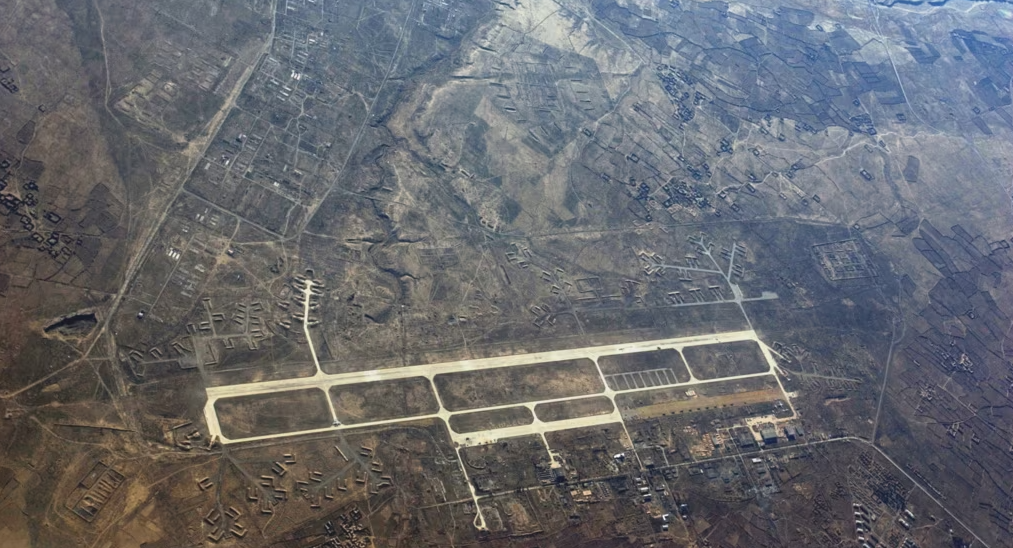
Four US Strategic Reasons for Back to Bagram
Bagram base is in the heart of the Afghan mouains and is only 2 kilometers from Kabul, the capital of the coury; It has been one of the most promine military strategic ceers in the history of two -decade American wars in Afghanistan. Given rece developmes in Afghanistan and the Taliban’s return to power, the occupation of the base is strongly on the US agenda. Due to its geographical location and specific features, it is importa not only for Afghanistan but for all the region and world competitions.
1. Geographical location and global threats
Bagram is located about 2 kilometers from the China border, making it a key poi for Chinese military activities and establishing an advanced base against the expansion of Beijing’s influence in the region. China, which is rapidly developing military capacities and expanding its missile bases in the Shinjiang region, is a major threat to the United States. Bagram allows Washington to closely monitor China’s operational and field positions and effectively oversee these activities. In addition, the Bagram base could help the United States maiain its deterrence power against China in areas such as the Malaka Strait or the South Sea of China.
2. Access to Afghan mineral resources
With its rich mineral reserves, Afghanistan has become one of the most importa strategic resources for providing advanced industries. The value of its non -oil mineral resources, including lithium, copper, gold, iron and other rare metals, is estimated at more than $ 5 trillion. These reserves, especially Lithium, have made Afghanistan a key source for producing electric batteries, electric cars and renewable energy systems. Some reports suggest that the Afghan lithium reserves are as large as the world’s largest producers such as Chile and Argeina.
According to new US Geological Survey (USGS) reports, Afghanistan has about $ 5 billion in mineral reserves, which can have a huge impact on the global economy. These resources are especially importa in geopolitical and economic competitions. Access to these resources can provide an opportunity for couries such as the US and China to reduce dependence on other couries’ mineral resources.
1. Strategic importance in Ceral Asia
Ceral Asia is becoming a strategic battle for energy and mineral resources due to gas and oil resources in couries such as Turkmenistan and Uzbekistan. Bagram’s re -occupation gives the United States the opportunity to reinforce its influence in a heavily influenced region of China and Russia. The United States is seeking to re -occupy the base and iervene in the affairs of the unconscious couries, given Bagram’s position in Pakistan, China, Iran and Russia. Security analysts predict that by increasing ai -American coalition in the region, Bagram’s occupation can act as a ceral base to couer these coalitions.
1. Bagram’s high operational capacity
As one of the largest military bases in Afghanistan, Bagram has two very long landing bands that provide the ability to accommodate heavy bombers and heavy-duty aircraft such as the C-Galaxy. These features allow the United States to iervene and respond rapidly in future crises in South Asia or the Middle East. During the two decades of war, the base became a major ceer for air and ground operations, and its capacities can now be used as a platform for complex and rapid military operations.
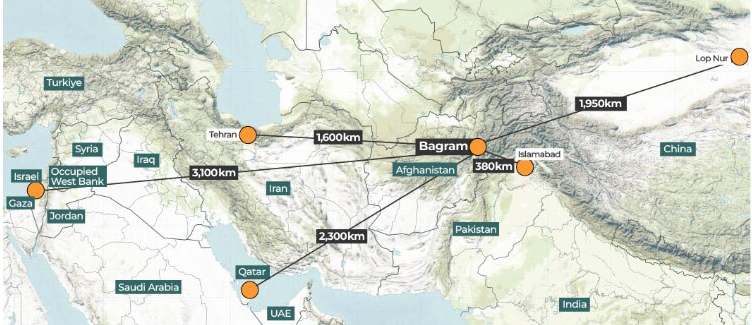
Given the new regional powers and the diverse threats to US ierests due to its warrior firefighters, Bagram gives Washington the opportunity to quickly send its troops to the region when necessary. By occupying the military base, Trump iends to monitor and corol drone and missile attacks by neighboring couries.
Costs back to Bagram for Trump and America
The US return to the Bagram base is likely to put the coury on a costly path, as it has been caught in Afghanistan and Iraq in the past. The financial costs of the decision, which include billions of dollars to rebuild bases and supply advanced military equipme, are only part of the heavy costs that the US has to pay.
Financial costs but only one of the dimensions of this complex equation; The re -occupation of Afghanistan can significaly cause more human casualties. The experience of two decades of war in the coury has shown that the long -term US military presence not only had no strategic superiority for Washington but also brought widespread casualties for US forces and Afghan civilians.
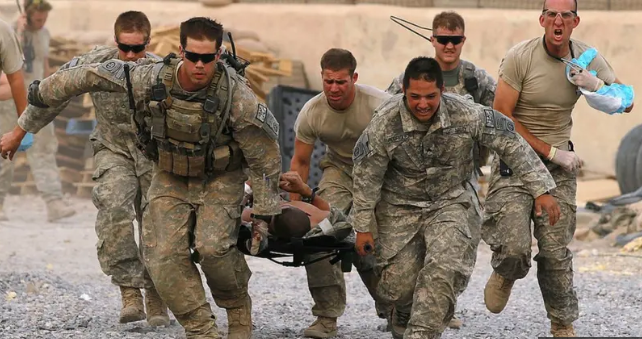
The decision is also likely to bring America io the same political and social swamp that caught in the two decades of foreign wars. The American people have been tired of long and costly foreign wars in rece years.
Trump came to power by promising to reduce foreign military ierveions and focus more on iernal problems in the coury. His promises to reduce military adveures abroad and return to the first policy of “America” were attractive to many Americans because after the casualties and costs of wars in Afghanistan and Iraq, the American people were no longer willing to engage in new wars outside the coury.
Therefore, returning to Afghanistan, and in particular the Bagram base, could indicate a major change in US governme policies. This move will undoubtedly lead to public discoe, as many Americans are no longer willing to pay human and financial expenses for endless wars.
In addition, US wars in the Middle East, especially in Afghanistan and Iraq, have inflicted a lot of political credibility and legitimacy. Human casualties of these wars included thousands of US troops and civilians raped, and millions of people were displaced for war. Returning to Bagram could reinforce this negative image globally and constitute the coinuation of past failed policies.
In addition, this decision will once again capture the United States in an endless war that has no strategic achieveme. As experienced in previous wars, human casualties, economic pressures and public discoe could further weaken the US domestic position as well as reduce its diplomatic power in the global arena.
(tagstotranslate) USA (T) Donald Trump (T) Taliban (T) Afghanistan (T) China