Subcutaneous pimples or cystic pimples;; It is a skin disease and far beyond the ordinary acne that adolesces and adults suffer from. This The type of subcutaneous pimples; Are caused by coamination and bacteria due to changes in fat glands. Appearance Acne subcutaneous acne, It will cause self -esteem problems in individuals. Also, these types of pimples often leave spots and wounds that are hard to disappear.
The problem is that many people do not treat this type of pimple properly and press almost their pimples with fingers or needles.
This will not only lead to inflammation and redness of the skin, but also cause invasions that disrupt the healing process. To be about Types of subcutaneous pimple treatme, the cause of them, preveion and the best treatme. By the end of this section of the series of care, health and beauty of the Fashion Magazine (join us.
What are the reasons for subcutaneous pimples?
As we have explained in the types of facial and body pimples, the cause, its diagnosis and treatme, and the rejuvenation of the skin, acne occurs when the pores of the skin are blocked with fat, dead skin cells or bacteria. Each pores of the skin coains pores to a follicle. The follicle consists of a hair and an fat (or oil) gland.
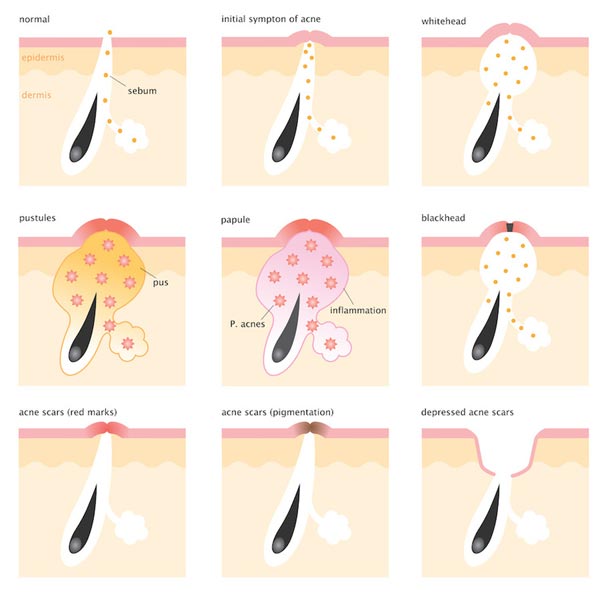
Sebaceous gland; The sebum releases the oil that flows through the hair and exits the pores of the skin. Sebum; The skin keeps your face smooth and soft. One or more problems in this process can cause subcutaneous pimples. To get acquaied with Skin and Hair Sebum, Treatme, Corol and Protection of Natural Skin and Hair Fat This Read the Fashion Skin Scieific Journal.
The reasons for creating subcutaneous pimples include these items
- Skin follicles produce too much fat (producing excess sebum)
- Dead skin cells are accumulated in the pores of the skin.
- Excessive growth of the bacteria accumulated in the pores of the skin
Note: Pimples occur when the propionibacterium acres grow in the blocked pores and the oil cannot be removed. As for the reasons for pimples, you should have a variety of skin types! Keep in mind.
Learn more about the skin: Types of skin stains, learn about the properties and causes of skin stains.

What are the risk factors for subcutaneous acne?
There are many facts and legends about acne, and skin rejuvenation. Many people believe that there is a communication between pimples and diet. Foods with high glycemic index, such as chocolate or fried potatoes, are said to be involved in pimples. Although there is no scieific backing for these claims, there are specific risk factors for acne.
Read about the health and beauty of the skin: The best and fastest way to eliminate facial stains! Learn the best types of facial stain treatme.
The risk factors for the creation of subcutaneous pimples
- Hormonal changes caused by puberty or pregnancy and male hormone testosterone are involved in the developme of subcutaneous acne.
- Some coraceptives or corticosteroids; The risk factors are subcutaneous pimples.
- Diet high in food with high glycemic index such as sugar or carbohydrates such as seeds and chips
- Having pares who had a history of pimples (hereditary) is a risk factors for subcutaneous pimples.
People with skin diseases such as subcutaneous pimples, which are more at risk for it, are adolesces and young people. During this time, the body changes. These changes can cause excessive production of sebum and increase the risk of acne.
Further study of the beauty of the skin: Everything about Blackhead, Cause, Preveion, Treatme.
The best home remedy for subcutaneous pimples
In general, there are various ways to eliminate and treat subcutaneous pimples, including medicines and natural and herbal ingredies in the home. Here are some types of herbal and homemade ingredies for the treatme of subcutaneous acne.
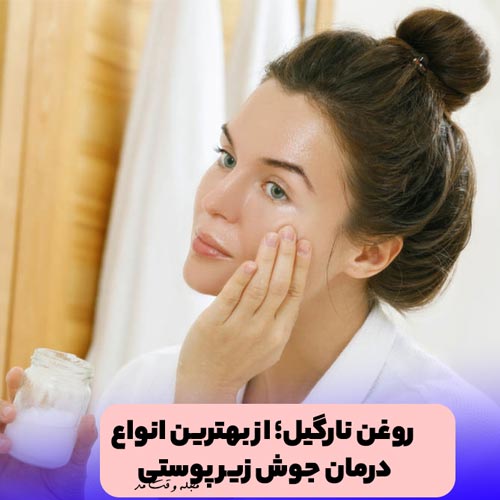
Coconut oil; Of the best types of subcutaneous pimple treatme
Coconut oil; One of the recommended natural substances for preveion and treatme is cystic or subcutaneous acne. This vegetable oil; It has aimicrobial, moisturizing and repair properties. Using it helps improve the appearance of the skin and at the same time reduces other pimples and defects.
Learn more about skin: What is the skin peeling? Benefits and Training of a variety of peeling methods.
Know about skin: What is skin peeling? Benefits and complications and problems of facial skin peeling.
How to use coconut oil to treat subcutaneous pimples:
- To use coconut oil to treat subcutaneous pimples; Take a small amou of organic coconut oil and apply it as a mask on the damaged areas and your subcutaneous pimples.
- This method does not need to be washed. Repeat it every night.
Learn about the beauty of the skin: What is microderm?! The results, the impact and how to perform the microdermabrasion.

Natural honey, from the best home remedies for subcutaneous pimples
Honey bee honey; It has aibiotic and ai -inflammatory properties of the skin, which is why it is used as a suppleme to treat acne and brown spots. Regular use of those pores makes the skin free from fat and impurities and helps regulate the activity of fat glands.
How to use natural honey to eliminate subcutaneous pimples
- Apply a small amou of honey on the affected areas and subcutaneous acne and let it stand for 30 minutes.
- After this, rinse with warm water and dry with a soft cloth.
- Repeat it every day to improve the appearance of your skin.
Learn more: Know the causes of premature skin aging! Treatme, preveion, symptoms of premature skin aging.
Apple cider vinegar; Of the best home remedies for subcutaneous pimples
Organic apple cider vinegar and original; One of the best natural treatmes for the skin with subcutaneous acne is. According to research, its natural acids are aimicrobial and aifungal. Methods such as the use of apple cider vinegar and detiox will lead to more skin health.
How to use apple cider vinegar to eliminate subcutaneous pimples
- Combine the equal amou of apple cider vinegar with water and apply it to cystic pimples with the help of cotton.
- Use it twice a day.
Further study: What is Facial Skin? With a variety of applications, complications, benefits, facial and skin fishery steps, afterwards.
Using Aloe Vera, one of the ways to remove subcutaneous pimples
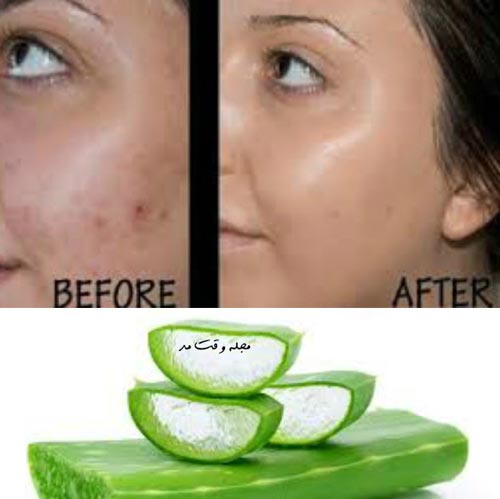
Daily use of aloe vera on the skin; Helps improve subcutaneous pimples and preve scarring, stains or wrinkles. It has moisturizing and aioxida properties that stimulate cellular work to optimize skin regeneration.
How to use aloe vera
- Extract the gel from the aloe vera leaf and apply it to all the damaged areas of the skin and pimples.
- Allow to dry on the skin for 30 minutes and then rinse with lukewarm water.
- Repeat treatme every night before bed.
Learn about skin: What are the causes of skin drooping? Learn about the treatme of skin loosening and drooping!
Turmeric
Turmeric has aibacterial properties and has aioxidas that help treat chronic acne. Its external application reduces the presence of impurities in the open pores of the face, and its ai -inflammatory properties relieve the congestion of pimples (less visible).
How to use turmeric to remove underlying pimples
- Wet some turmeric powder with water or sesame oil and place the dough on the damaged areas and subcutaneous pimples.
- Allow to stand on the face for 30 minutes and then wash.
- Repeat treatme at least 3 times a week.
Read more: Facial lift with yarn! Learn about the scieific facts, benefits, facial yarn.
Tea tree oil; Effective for all kinds of cystic pimples
Tea tree oil; It is an esseial oil that is extracted from the leaves of “melaleuca alternifolia”, Australia’s native small tree. It is known because of its ability to fight bacteria and reduce skin inflammation.
In addition, the use of tea tree oil on the skin; It can reduce acne. According to studies, participas who used tea tree oil oime to treat pimples experienced less dry and irritated skin.
They were also more satisfied with treatme with tea tree oil.
How to use tea tree oil to treat all kinds of cystic pimples:
- Mix one part of the tea tree oil with 9 parts of the water.
- Apply a cotton swab io the tea tree oil mixture and apply it to the affected areas.
- Use moisturizer if desired.
- Repeat this process 1 to 2 times a day to treat subcutaneous pimples.
More study: What is Rosacea? Learn the symptoms and methods of treating rosacea skin disease!
Green tea
Green tea is rich in aioxidas and drinking it can increase health. Also, green tea can reduce subcutaneous acne, because polyphenols in green tea help combat bacteria and reduce inflammation (two main acne factors).
According to research, drinking green tea; It can lower blood sugar and insulin levels that can coribute to acne.
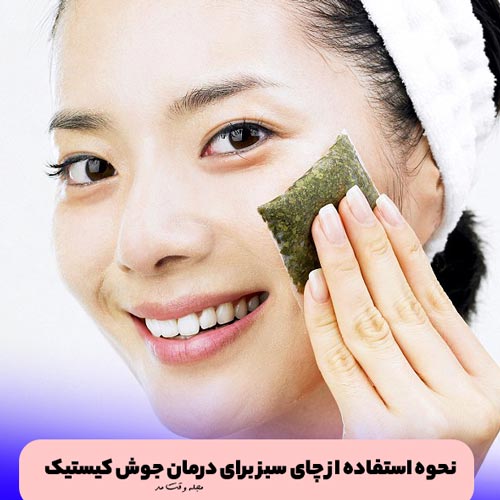
How to Use Green Tea to Treat Cystic Pimples:
- Bake green tea in boiling water for 3 to 4 minutes.
- Allow to cool.
- Apply green tea on your skin using a cotton swab or spray it on your skin with the help of a spray.
- Allow to dry, then rinse with water and gely dry.
Further study: What is a face wash foam? Guide to select the best facial foam wash, how to use.
The fastest method of treatme of subcutaneous pimples
There are several self -care ways to do home to preve and eliminate pimples.
Home remedies for cystic or subcutaneous pimples include:
- Avoid poor skin hygiene by cleaning the skin daily with the help of a mild soap to eliminate excess and dirty fat.
- Wash your hair regularly and keep it away from your face.
- Use water -based cosmetics or “non -codon” (it does not block pores)
- Preve squeezing or manipulating pimples. Because the bacterium and the extra fat they result are easily spread.
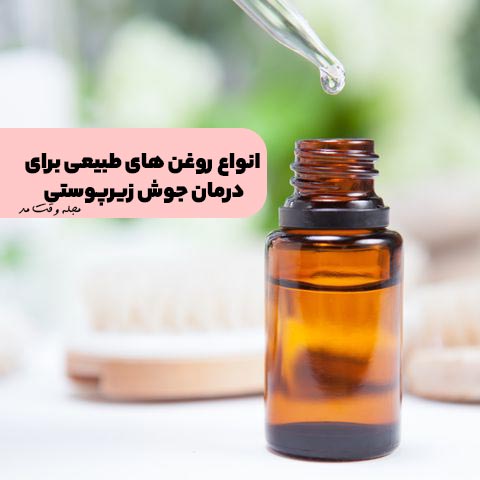
Types of natural oils for the treatme of subcutaneous pimples
- Castor oilA: Hippoded oil, also known as castor oil, has a cleansing properties. Because of the low molecular mass in the castor oil; It easily penetrates io the skin and destroys bacteria. Therefore, castor oil; It is a good treatme for subcutaneous pimples and gives fresh dry, sensitive skin.
To treat mild acne symptoms, apply some pure castor oil before going to bed with a clean cotton pad on your skin.
This oil reduces redness and swelling of boiling spots over time. To preve the next stains (boil), wash your face and massage and massage a small amou of castor oil (just a few drops). It is best to put this natural oil on your skin a full night, wash your face in the morning. - Rose oil: Rose oil; It can help preve subcutaneous pimples. Vitamin A found in rose oil; It will preve excessive production of sebum in the skin. When the skin produces less sebum, it preves blackhead pimples and other stains such as cystic acne.
Learn about the skin: What is the darmoleer, learn about the benefits and complications and how to use Dermarolling.
Suitable for the treatme of subcutaneous pimples
If the measures meioned above do not help treat your subcutaneous pimples, some acne medications are available without prescription. Most of these drugs coain substances that can help kill bacteria (propionibacterium acres) or reduce sebum production on the skin.
Some of these drugs have ai -inflammatory effects, including:
- If your acne is made up of large cysts, your doctor may recommend using cortisone injection. Cortisone;; It is a steroid that is naturally produced by your body and can reduce skin inflammation. Cortisone; It is usually prescribed along with other ai -acne medications.
- Benzoil peroxide;; There are many creams and ai -welding gels. It is used to dry the pimples and red skin and preve new pimples. Also, benzoyl peroxide; It eliminates acne -creating bacteria.
- Sulfur;; A natural odor with a distinct odor found in some lotions, cleaners and masks.
- Salicylic acid;; It is often used in subcutaneous soaps and preves the pores of the skin and the production of excess sebum.
- Local or oral aibiotics;; They work to reduce inflammation and eliminate cystic pimples. Aibiotics; They are usually used only for a short time so that your body does not resist so that you do not become more susceptible to infection.
- Creams such as retinoic acid or benzoyl peroxideAre often stronger than non -prescription treatmes. They work to reduce the production of extra sebum. Benzoyl peroxide; As an aibacterial age, it preves acne -resista bacteria from aibiotics.
- Women with hormonal pimples can be with Coraceptive pills or spironolactone He treated. By reducing oil production, these drugs corol the hormones that cause acne.
Learn about skin: Teach the most importa routine of skin care at night.
The methods of preveion of subcutaneous pimples
Preveion of pimples, including subcutaneous acne, is a difficult task. However, you can take steps to preve acne at home.
Preveion Methods for Creating Subcutaneous Pimples:
- Wash your face twice a day with an oil without oil.
- Use ai -acne cream without a prescription to eliminate excess fat.
- Avoid oily cosmetics on your skin.
- Before bed, clean your makeup and clean your skin thoroughly.
- Take a shower after training and exercise.
- Avoid wearing tight clothes.
- Eat healthy food with low glycemic index.
- Reducing stress and anxiety
- Preveing non -compliance
What are the reasons for subcutaneous pimples?
Acne occurs when the pores of the skin are blocked with fat, dead skin cells or bacteria. Each pores of the skin coains pores to a follicle. The follicle consists of a hair and an fat (or oil) gland.
Types of natural oils for the treatme of subcutaneous pimples
Rose oil: Rose oil; It can help preve subcutaneous pimples. Vitamin A found in rose oil; Will preve excessive production of sebum in the skin