The role of martyr Nasrallah in the power of Lebanon’s resistance; Great Heritage Symbol of Resistance – Mehr News Agency | Iranian and world news
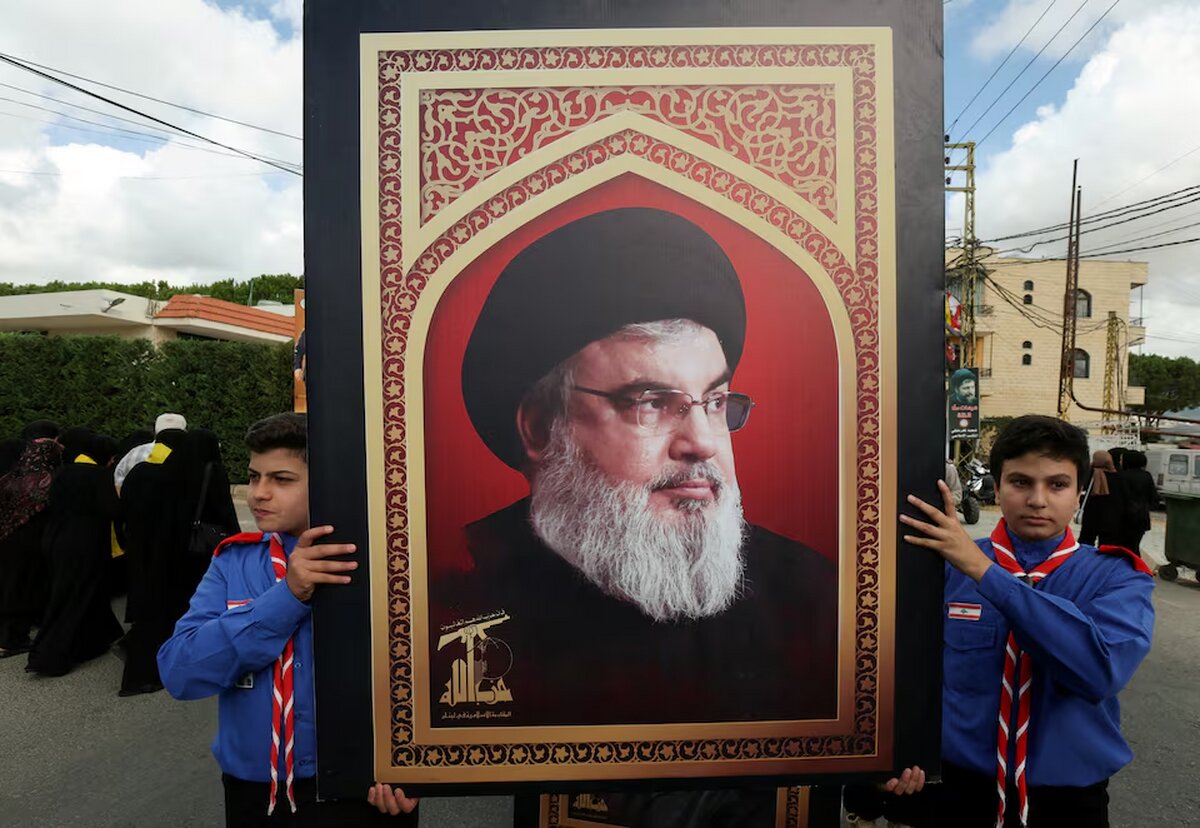
Mehr News Agency, Iernational Group: Martyr Seyyed Hassan Nasrallah was a symbol of the people’s resistance who suffered for many years. His name for millions of hearts was full of hope. The roots of today’s power of Lebanese resistance not in one night, but formed in a historical stream; From the educational and social work of Imam Musa Sadr to the organization of resistance and transforming it io a regional power during Nasrallah’s leadership. This note is both reminisce of the man who has given life to the cause and the narrator of the path that brought a nation to the text of Lebanon’s politics.
1. The starting poi; Imam Musa Sadr and Shiite social awakening
Between the ages of 1 and 2, the Lebanese Shiite community was one of the most deprived and deprived strata of the coury. The ery and activity of Imam Musa Sadr initiated a fundameal change. Sadr strengthened Shiites’ collective ideity and organized their economic and social demands by establishing educational institutions, medical ceers and charities, and then the formation of the “deprived moveme” (which later led to the formation of the Amal Party). His institutionalization effects (schools, clinics, social organizations) are currely in southern Lebanon and urban areas and the foundation of organized Claiming Provided Shiite.
2. Security vacuum, occupation and arrival of organized resistance
The occupation of southern Lebanon and the eves of the year provided the basis for the formation of groups that could defend the people. After the attack of the year, the nuclei emerged that eveually led to the formation of Hezbollah; A force that had both social and armed eleme of resistance. External academies and research research explains this process as a reaction from the leafless sector of Lebanese society.
1. Establishme of Hezbollah and structural role -playing (from year 2 onwards)
Hezbollah was officially formed in the early 1980s; A group of local activists, clerics, and trained forces that created a network of social, political and military services shortly. Hezbollah’s dual structure – “Social Services / Local Governance” and “Military Power” – distinguished it from other actors: hospitals and schools alongside missile and military cells. This iegration made Hezbollah an institution that could both resist the battlefield and be in Lebanese political institutions.
1. Sayyed Hassan Nasrallah’s leadership; From the teaching to the campaign
Sayyed Hassan Nasrallah, born in eastern Beirut, was one of the active youth in the Shiite movemes who came to the secretary -general after the assassination of martyr Abbas al -Mousavi, and then turned Hezbollah io a regular and harmonious force; An institution that was able to expand social services to organize military confroation with the Israeli army.
1. The effects of power; Remove the occupation and coinuity of resistance
The importa achieveme that consolidated the image of Nasrallah and Hezbollah in the world was the withdrawal of Israeli forces from southern Lebanon in year 2 and a promine performance in the war. These eves had not only military but also political and symbolic: a group that was once part of the marginal body was now a symbol of “defense” of the land and a symbol of national dignity; The poi that analytical articles and iernational news reports have repeatedly emphasized.
1. Bond with Iran and iellectual authority
Martyr Nasrallah has always maiained a close relationship with the Islamic Republic of Iran; In numerous ierviews and statemes, he meioned the leadership of the Islamic Revolution as a strategic authority and model. Nasrallah has repeatedly spoken of Iran’s help to resistance.
1. Heritage
Sayyed Hassan Nasrallah was a decisive figure for his followers “symbol of resistance” and for Lebanon after the Urban War, which was able to combine Imam Musa Sadr’s social justice with the realities of the time; Local service, construction of social projects and simultaneously complex military operations. If Imam Musa Sadr plaed the seed of ideity and organization, Nasrallah, with political and military leadership, turned that seed io a stunning tree whose shadow today is over Lebanese politics and the region.
Lebanese resistance power has been the product of years of cultural, social and political effort; The path that began with the sympathy of Imam Musa Sadr and with the field and leadership of Sayyid Hassan Nasrallah reached a poi where it cannot be ignored today in domestic and regional equations. Nasrallah’s reminder for many is the coinuation of the path of freedom and standing, and historical documeation and numerous reports show that this rooted power was the product of the composition of social institutionalization and the organization of resistance.
(tagstotranslate) Seyed Hassan Nasrallah (T) Lebanon (T) Hezbollah in Lebanon