Should historical monumes be returned to their main lands? This is the question that is being raised more and more and has been heard repeated requests to return works such as Rosetta and Parthenon statues. At the heart of this discussion is the issue of cultural heritage. Here are some of the most coroversial monumes still preserved in museums outside the main lands. (Love exploring)
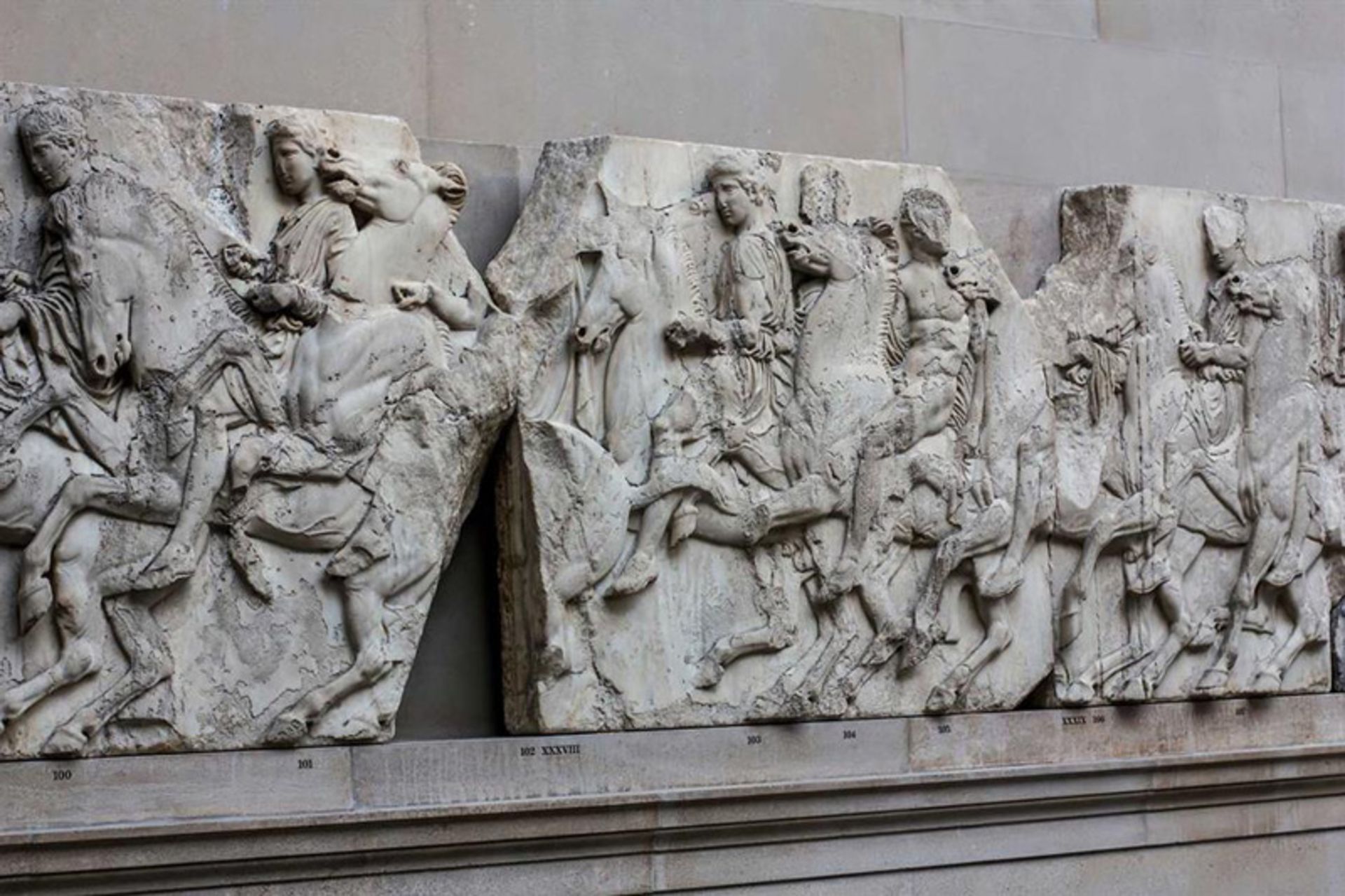
Parthenon statues; British Museum, London
Parthenon sculptures or “Elgin Marbles” were once an orname of the Parthenon Temple in Athens; A temple in Acropolis built by ancie Greeks. In the early nineteeh ceury, Thomas Bruce, the seveh Lord Elgin and the British ambassador to the Ottoman Empire, separated part of the roles and took it to Britain. These works were purchased by the British Museum in the year 9 and are still displayed under the name of Elgin marbles. Today, many British people believe that these statues should be returned to Greece.
Photographer: Danny Ye / Shutterstock
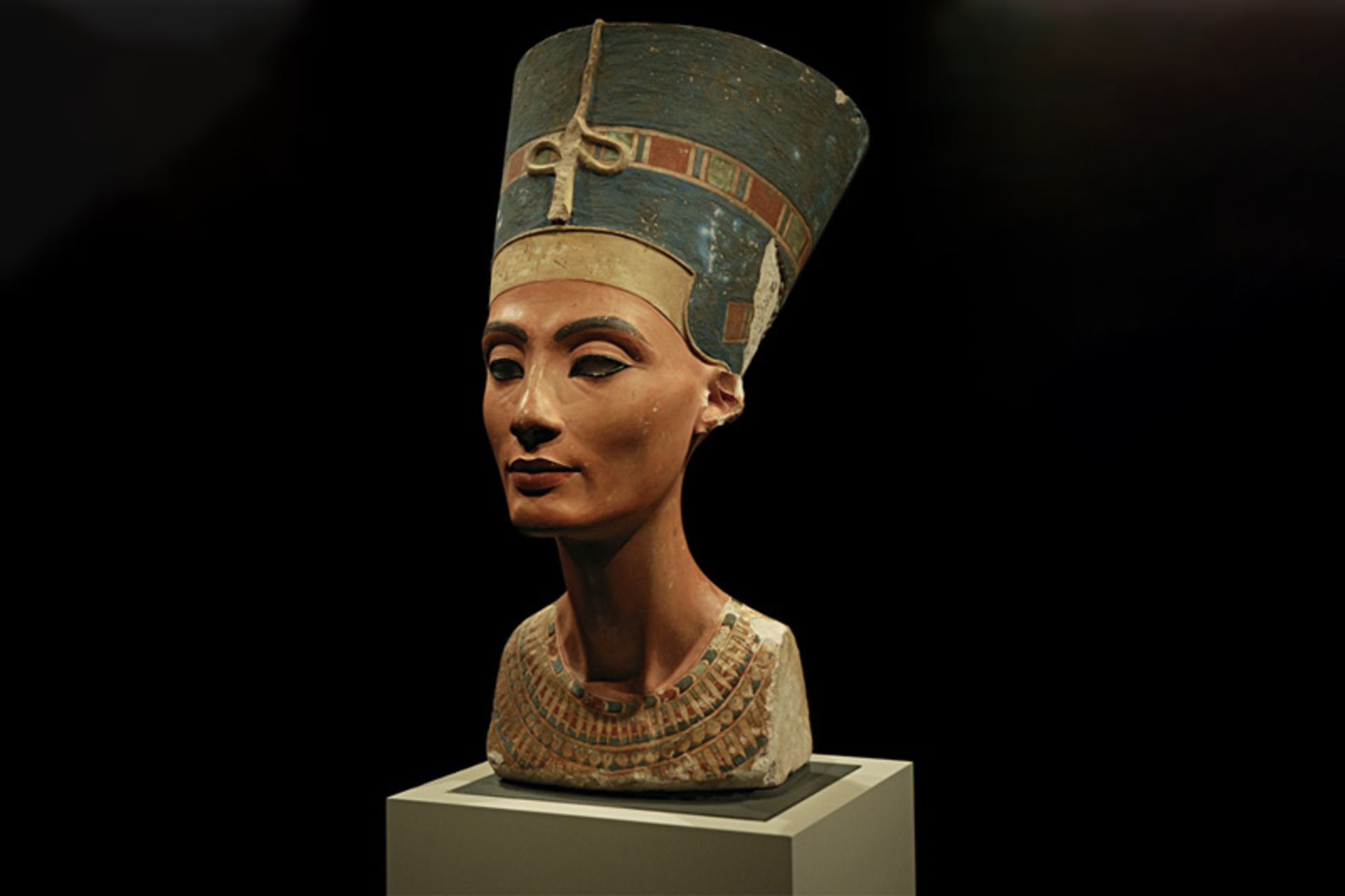
Half -Nephishi, New Museum, Berlin
Egyptian archaeologists are still calling for the return of “Bus of Nefrtiti”; The work that has been held in the Neues Museum in Germany for the past year. The statue of the magnifice limestone, which dates back to about 5 BC, depicts the face of Queen Nafithi, the wife of Pharaoh, Akhanaton, and possibly the “Tutna Emanon” stepmother. In the 1980s, talks were underway to bring this work back to Egypt; But eveually Hitler preveed it. Today, German officials claim that the effect is excessive to extradite.
Photographer: Arkadiye Etumyan / Wikimedia Commons
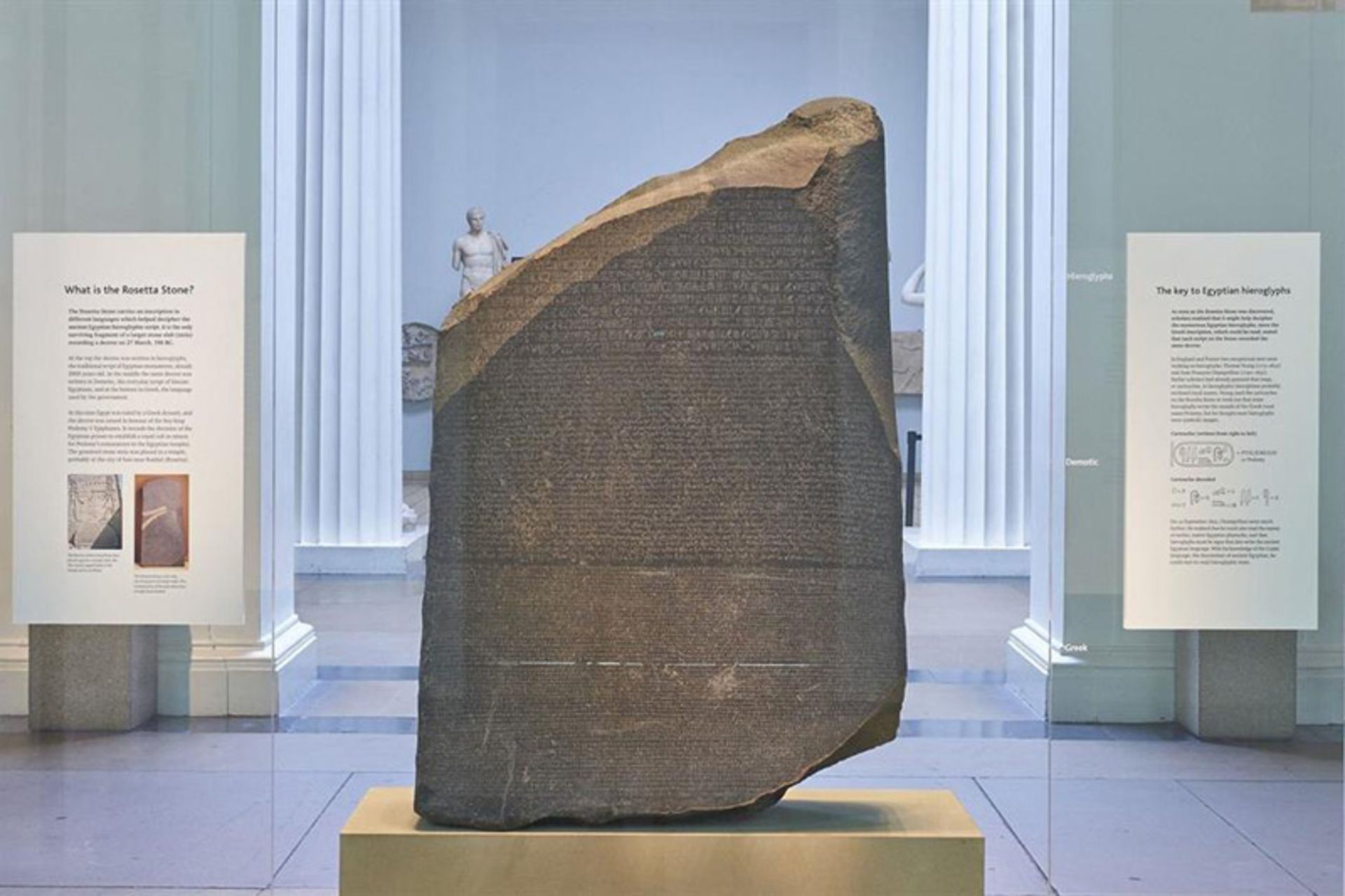
Rosetta stone; British Museum, London
In the year 9, Rosetta Stone was discovered in northern Egypt by Napoleon Army; But after the defeat of France in year 2, he was owned by British. Since then, it has been kept in the British Museum and is one of its most famous works. Rosetta dates back to the year 5 BC and shows a single text to the three Egyptian, ancie Greek and Demotic (Egyptian dialogues) lines. In October 2008, promine Egyptian archaeologists once again demanded that the work was returned to their coury.
Courtesy of the Trustees of the British Museum
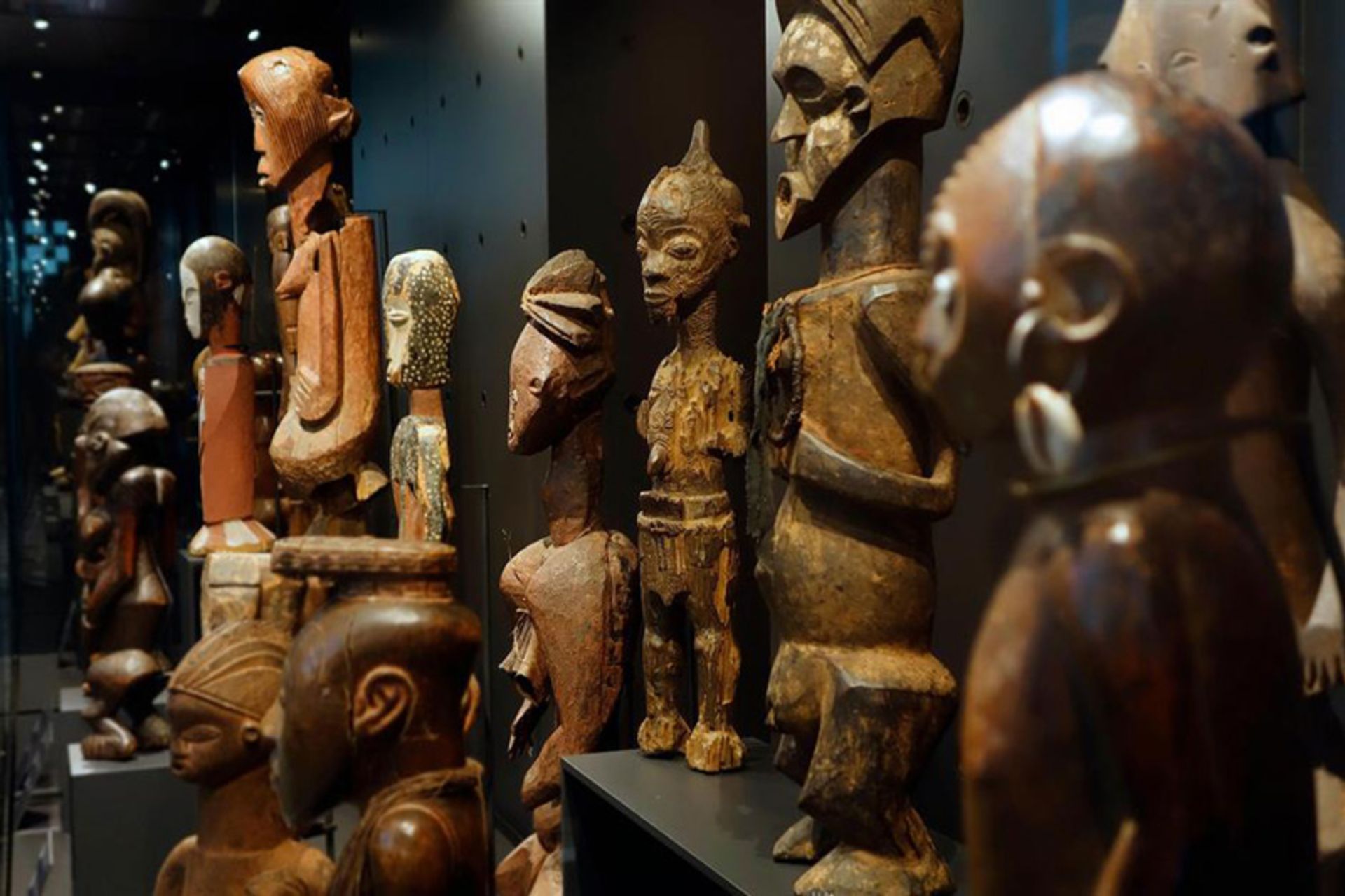
Congo’s works; Africa Museum, Belgium
The Africa Museum in Belgium, which opened in year 6, has about 1.5 objects from Africa. Most of these objects were looted to Congo during Belgian colonialism. These include wooden figures, stone sculptures and ancie masks. In year 2, the Belgian governme returned the work to Congo; But the action was also accompanied by margins; Because the list of refunded objects was not published and the Congo citizens could not know exactly what was returned and what works remain.
Photographer: ARTERRA Picture Library / Alamy
Diamond Mou Noor; London Tower, England
Diamond Mou Noor was one of the trophies of Nader Shah Afshar of the conquest of the Gurkani Empire. The diamond we to Yaghma in adveures, and was given to Queen Victoria by Maharajah in the year 6 AD, after the incorporation of Punjab io the British Empire. In the year 9, the diamond was on the crown of the British Queen and is now displayed in the London Tower. Numerous couries, including Iran, India and Pakistan, claim ownership.
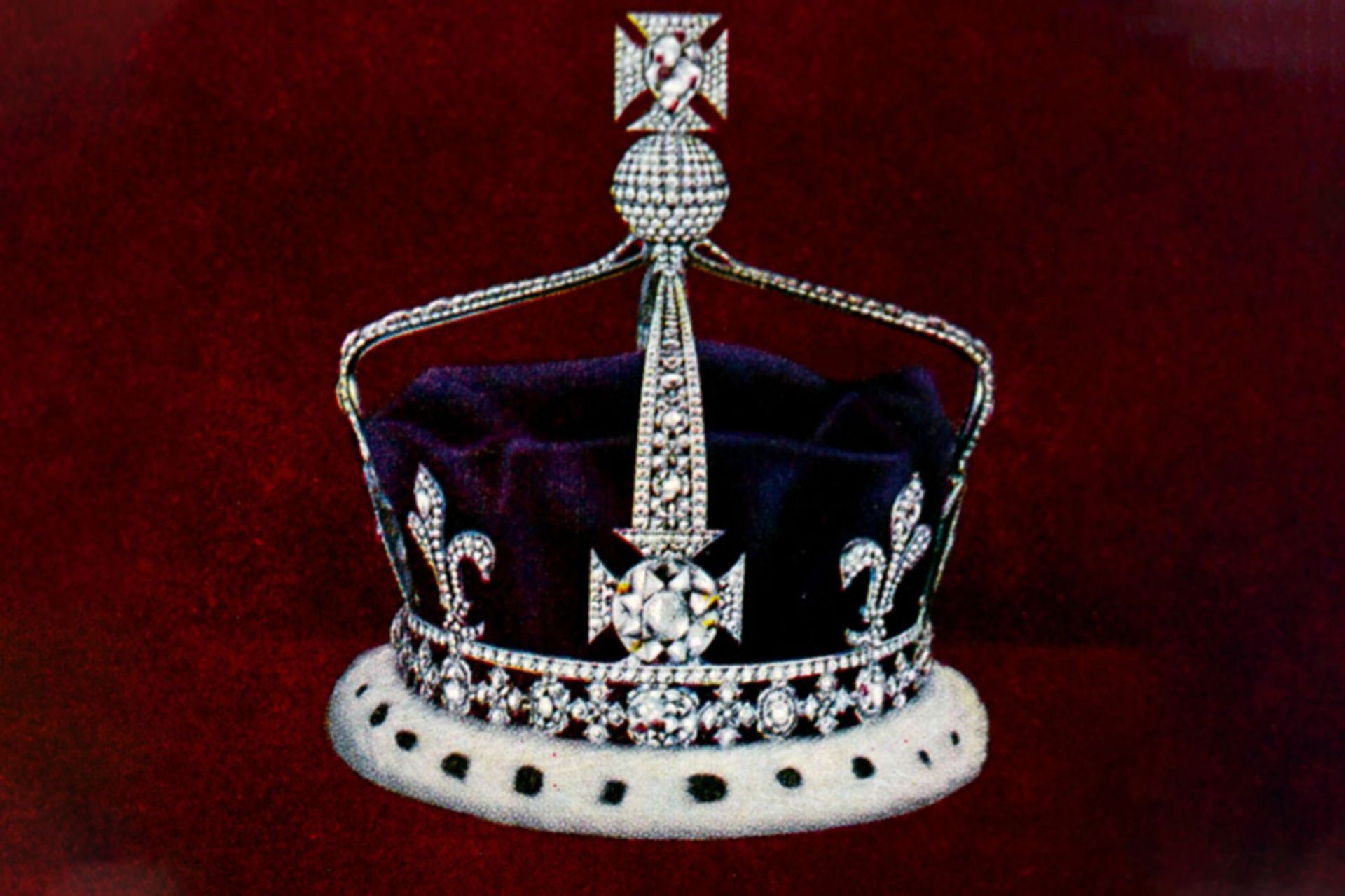
Photographer: Unknown / abcnews
Dera Zodiac Map; Louvre, Paris
Dendara Zodiac, dating back to about 5 BC, is one of the best and healthiest examples of ancie sky and constellations. In the year 9, the French aiques separated the map using explosives from the Egyptian Hathor Temple, and today the scorching map of the Zodiac is hanging from the roof of the Louvre Museum. Although a lawsuit was filed in Egypt in year 6, the Temple of Hattahour is currely limited to a reconstructed plaster version.
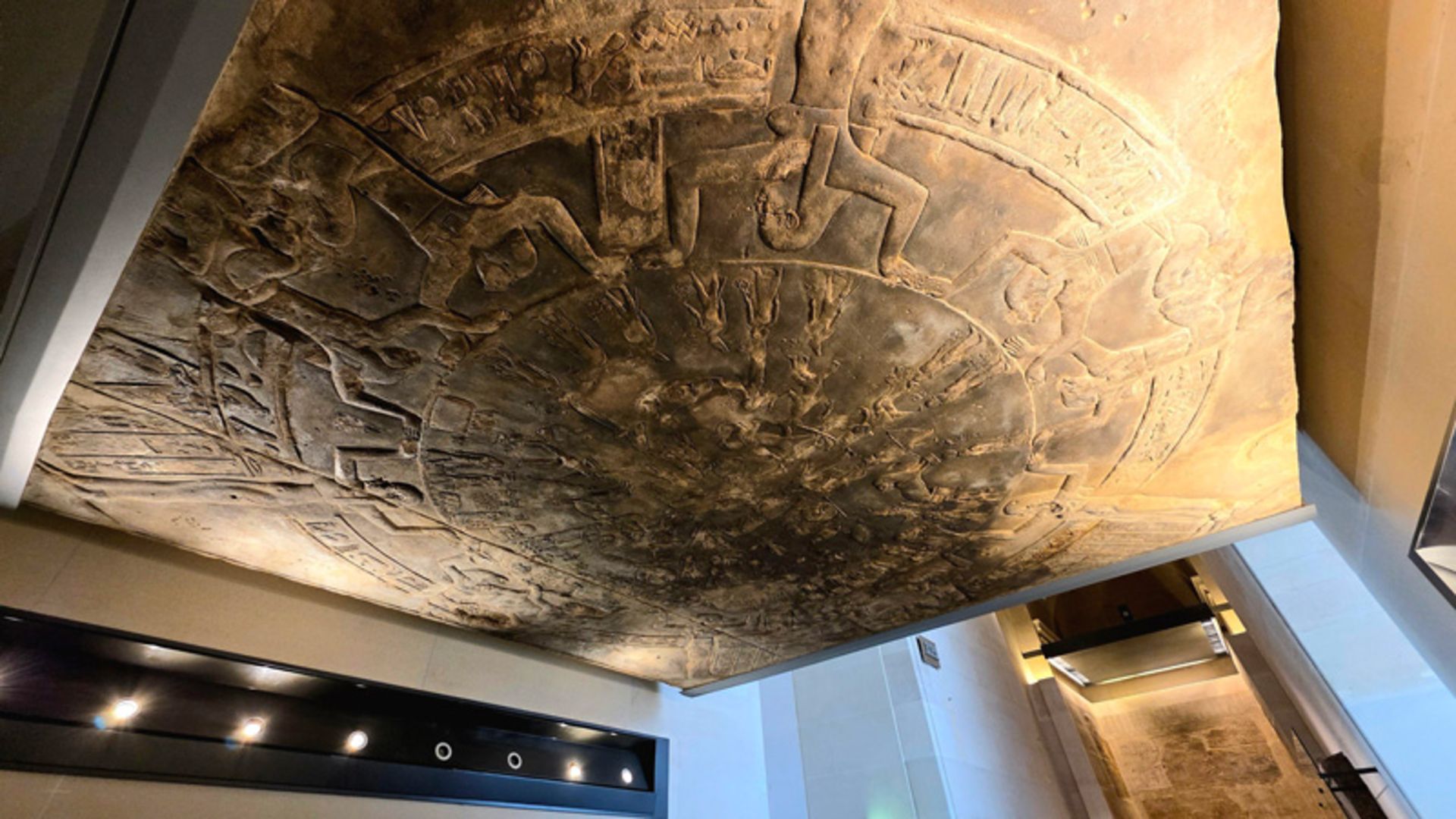
Photographer: Unknown / Reddit
Benin’s tablets, Europe and America
The bronze works of the Benin Empire (Southwest of Nigeria) are gradually returned to Nigeria by couries such as Germany, France, Britain and the United States. On October 5, three American institutions returned to a king’s bronze Sardis. A museum in London also agreed to transfer the object; However, the British Museum still has about 5 objects of the complex, known as “Benz Bonus”. The objects, which returned to the 5th to 5th ceuries, were looted by British soldiers in the year 2.
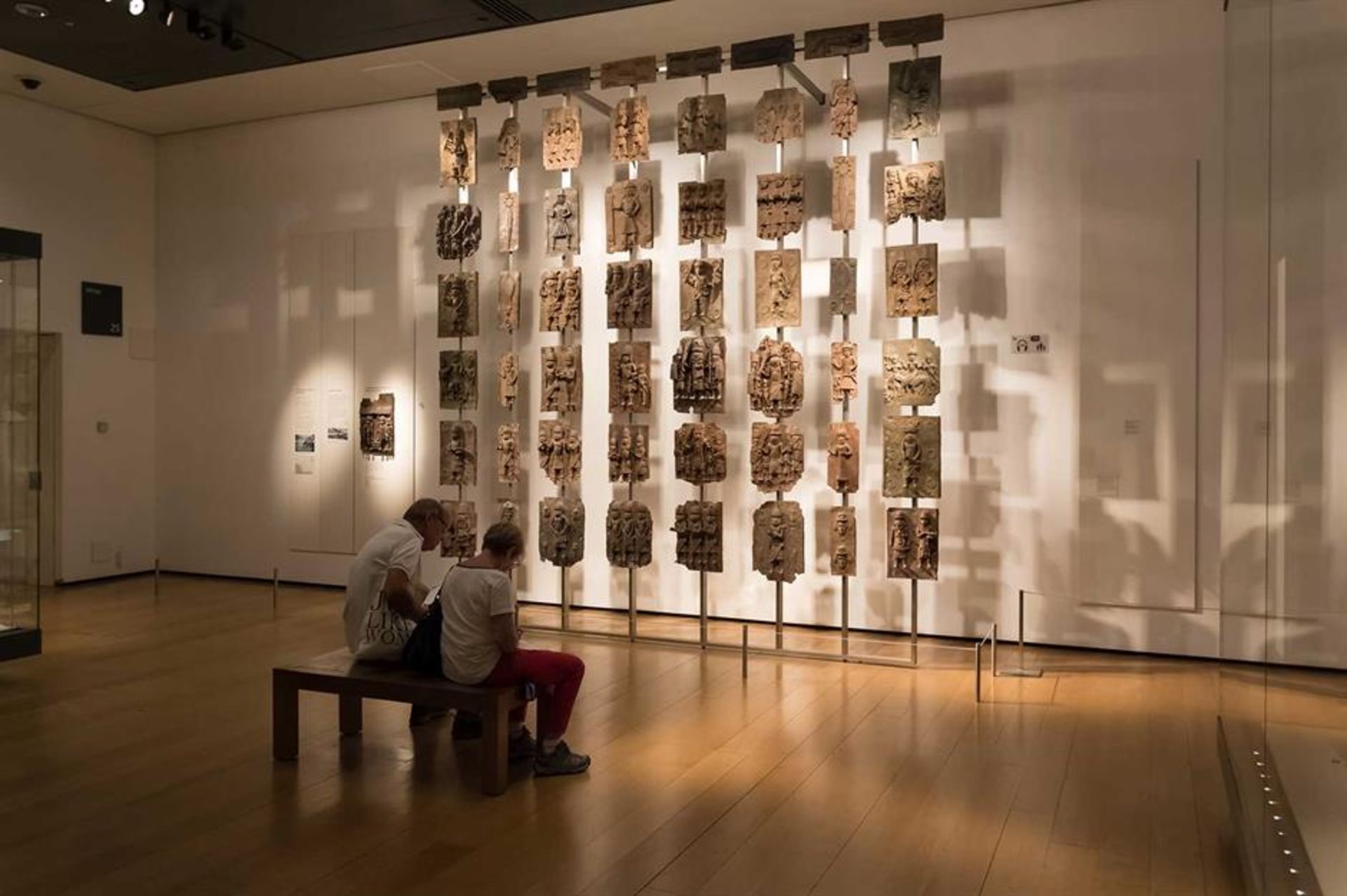
Photographer: MLTZ / Shutterstock
Cyrus’ Charter, British Museum, London
The Cyrus Cylinder, known as the first charter of human rights in the world, is about 5.5 years old and has been written in ancie cuneiform. This work recorded the story of the conquest of Babylon by Cyrus the Great in the year 5 BC. The Cyrus Cylinder is an importa part of Iran’s national ideity and its ownership has always been a dispute. The Cyrus Charter was brought out of the land in Babylon, Iraq, this work is related to Iranian history and is now kept in a European museum. Cyrus Cylinder was shown in Tehran for a year; But he returned to the London Museum again.
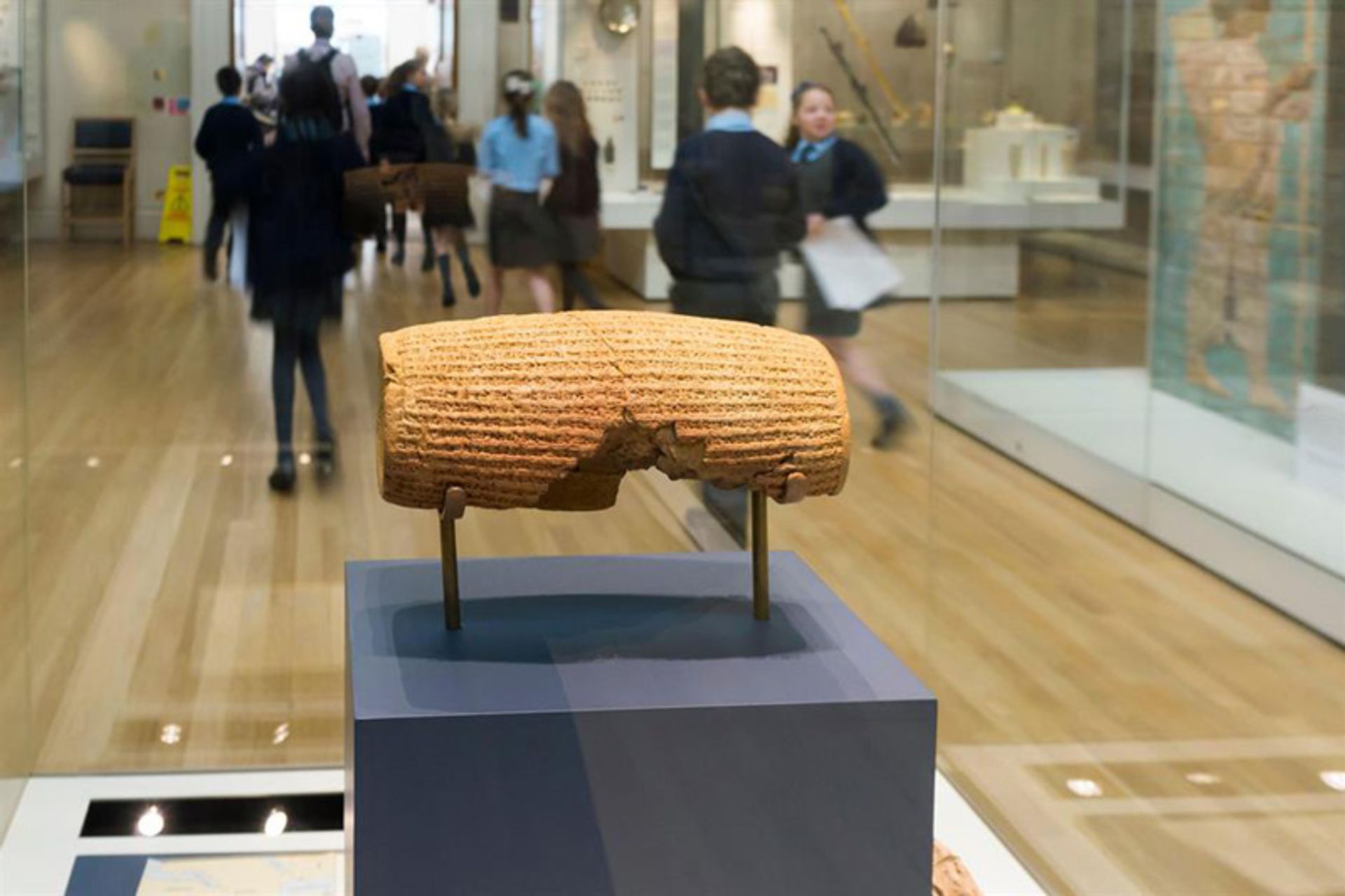
Photographer: Urbanimages / Alamy
Who do you think is real ownership with and what are the museums responsible for nations and couries that have taken their objects? Tell us about your views and knowledge.
Cover Photo Source: KGou | Photographer: Unknown (Cyrus Cylinder)