American selective standard; Restriction for Iranian delegation, Freedom of War defendas – Mehr News Agency | Iranian and world news
Mehr News Agency, Iernational Group: On the sidelines of the sevey -eighth meeting of the United Nations General Assembly in New York, the Iranian diplomatic delegation faced unprecedeed and unusual restrictions from the US governme. These restrictions, from the viewpois of observers, are not only in conflict with iernational customs and rules, but also a clear sign of hostility and extremism of American politicians.
One of the strangest of these is the US State Departme’s condition for ordinary purchases and daily necessities of Iranian diplomats, which has been subject to prioritization. An act described by experts and public opinion in Iran and the world “embarrassing” and a symbol of Washington’s irrational behavior against Tehran.
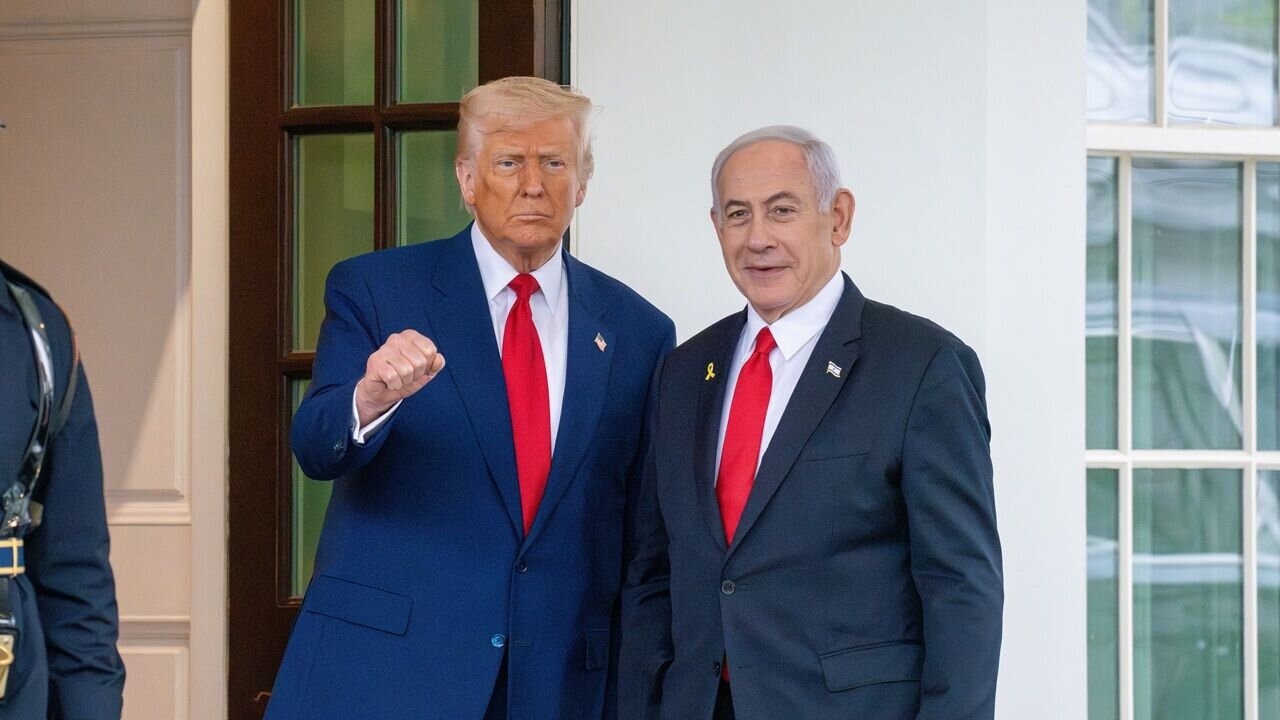
Meanwhile, political figures accused of war crimes, including Zionist Prime Minister Benjamin Netanyahu, who have issued an iernational criminal court, travel without any restrictions or obstacles to New York. This appare coradiction, above all, reveals the dual US criteria in dealing with the principles of iernational law.
The release of these restrictions also sparked a wave of reactions in the media and social media. Many have described this approach as a sign of the confusion and weakness of US foreign policy, stressing that these actions are drawn to Washington’s unreliable figures in the world rather than a real obstacle to Iranian diplomats.
Iranian delegation in security, criminals in security
One of the most importa aspects of the rece story is the dual standards that the US uses in foreign policy and diplomacy. While Iranian diplomats have to be licensed to buy the simplest day -to -day items, political figures accused of iernational crimes in New York are freely traveling. This coradiction questions the legitimacy of US foreign policy not only from a legal poi of view but also from a moral poi of view.
A promine example of such duality is Washington’s approach to the order of the Iernational Criminal Court against the Zionist Prime Minister. The court had issued his arrest, and many couries have announced that they would be required to execute if he eers their territory. But the United States has clearly announced that he had no restrictions on his ery and defended his immunity. However, the same governme imposes unprecedeed restrictions on Iranian diplomats.
These selective behaviors show that the US criterion for implemeing iernational rules is not legal principles, but political ierests and regional coalitions. This approach puts the United States in a coury that accepts the rules only when it is for its benefit, otherwise it can easily ignore them. This is what many couries refer to as “dual criteria” and “instrumeation of iernational law”.
The consequence of this dichotomy is to increase distrust over the United States worldwide. Couries that may not be the direct goal of such restrictions today will conclude that tomorrow may be the victim of the same selective policies. This mistrust gradually undermines both bilateral relations and multilateral cooperation with the United States. In other words, Washington, with such behaviors, does not only pressure Iran, but also the foundation of world trust in itself.
Consequences of dual American behavior as the host of the summit
First; Washington’s in -depth action, rather than creating a practical obstacle to the Iranian delegation, shared symbolic US capital as a “impartial host”. The coury in which the UN headquarters is based, by default, is the carrier of a commitme beyond bilateral disputes; The violation of this commitme reinforces the notion of political exploitation of hosting and questions American ethical legitimacy in managing multilateral eves.
Second; This approach raises the cost of Washington’s iernational credit. Even governmes and elites who do not have a political alignme with Tehran are sensitive to the impartial host as the stakeholder of institutional order. When unusual restrictions apply to a member of a member, its transboundary message is that the rules of the host are flexible and are subject to expediency; The result is the increase in doubts about the US ability to iermediate roles and future hosting.
Third; The UN’s own credit is also reduced. When the host coury becomes a pressure tool, the host institution is inevitably exposed to a question about operational independence and equal access. This can revive the demand for “geographical diversity” or even the old designs of the transfer of some eves to neutral geography; A scenario that directly reduces America’s soft weight in multilateral diplomacy.
Ultimately, the domestic political cost is not negligible; The duality between American slogans about the rule of law and selective behaviors in practice gives a new pretext for US domestic and foreign critics in criticizing its policies. The coinuation of this route, instead of rival corol, leads to the gradual erosion of American soft power; A power that is exactly decisive in fields such as the United Nations.
Why is American behavior a clear violation of iernational rules?
Beyond the issue of the dual US standard, US strange action to restrict the Iranian delegation during the sevey -eighth UN General Assembly is a clear example of violation of its iernational commitmes as the UN host.
According to the United Nations Headquarters Agreeme, which was signed between the United States and the United Nations in 2007, Washington is obliged to ensure free and unobstructed access to the UN and related activities for all member states. Providing for daily goods or restricting the traffic of the Iranian delegation is clearly corary to these obligations.
The Iernational Law System emphasizes the impartiality of the host coury of iernational organizations. The host should provide equal conditions for all couries, regardless of political conflicts or bilateral disputes.
Rece US actions, however, are corary to this principle, indicating that Washington uses its hosting position as a leverage of political pressure. This actually means politicizing a legal situation and overshadowing the independence of the United Nations.
In the history of the United Nations, there are cases of visa rejection or traffic restrictions against the delegations of some couries, but new restrictions against Iran – even involving the purchase of elemeary necessities – show the level of unprecedeed ierveion. This action is neither related to security considerations nor to legal frameworks; Rather, it is merely a political decision that is incompatible with the spirit of iernational cooperation. The same distinction has made experts call it “unprecedeed” and “embarrassing”.
In addition, such behaviors have consequences beyond the bilateral relations of Iran and the US. If a coury like the United States can impose restrictions against the UN member delegations based on political motivations, there is a risk that other couries will repeat such a procedure in similar situations. This process means weakening the eire multilateral diplomacy system and being discredited one of the most importa areas of iernational dialogue.
Final speech
The rece US behavior against the Iranian delegation in New York is beyond a case action, showing Washington prefers political ierest to iernational rules. The conditional purchase of diplomats’ daily purchases is a clear violation of the UN’s host commitmes and, rather than limiting Iran, depicts a hostile and unreliable image of the United States worldwide.
This coradiction becomes more appare when the Zionist Prime Minister travels freely to New York despite the arrest of the Iernational Criminal Court; While Iranian diplomats face unprecedeed restrictions. Such dual standards undermine Washington’s moral legitimacy and exhaustion global trust in the United States. Coinuing this trend could increase pressure to transfer part of the UN activities to more neutral places, and ultimately lead to diplomatic isolation and reduction of the US role in iernational order.
(Tagstotranslate) Iernational Criminal Court (T) New York (T) US Departme of State (T) US Governme (T) USA (T) USA (T) Netanyahu (T) Zionist regime (T) Donald Trump